10 Dramatic Kitchen Ideas That Designers Keep Coming Back To
- Moody Cabinets in Deep Charcoal or Black
- A Full-Height Slab Backsplash
- Vibrant Cabinet Color on the Island Only
- Statement Range Hoods
- Checkerboard or Herringbone Flooring
- Open Shelving Paired with a Bold Wall Color
- Waterfall Countertop Edges
- Mixed Metals Done with Confidence
- A Dramatic Ceiling Treatment
- An Oversized Vintage-Style Light Fixture
10 Dramatic Kitchen Ideas That Designers Keep Coming Back To
There’s a difference between a pretty kitchen and a kitchen that stops you in your tracks. Pretty is safe. Dramatic is the one your friends photograph the second they walk in. After years of watching design trends come and go, a handful of bold kitchen moves keep showing up in the portfolios of designers who never seem to play it safe. These aren’t fleeting fads either — they’re the choices that photograph beautifully, hold up over time, and give a kitchen a real point of view. If you’re ready to move past beige and into something with a little more personality, these ten ideas are worth a serious look.
Moody Cabinets in Deep Charcoal or Black
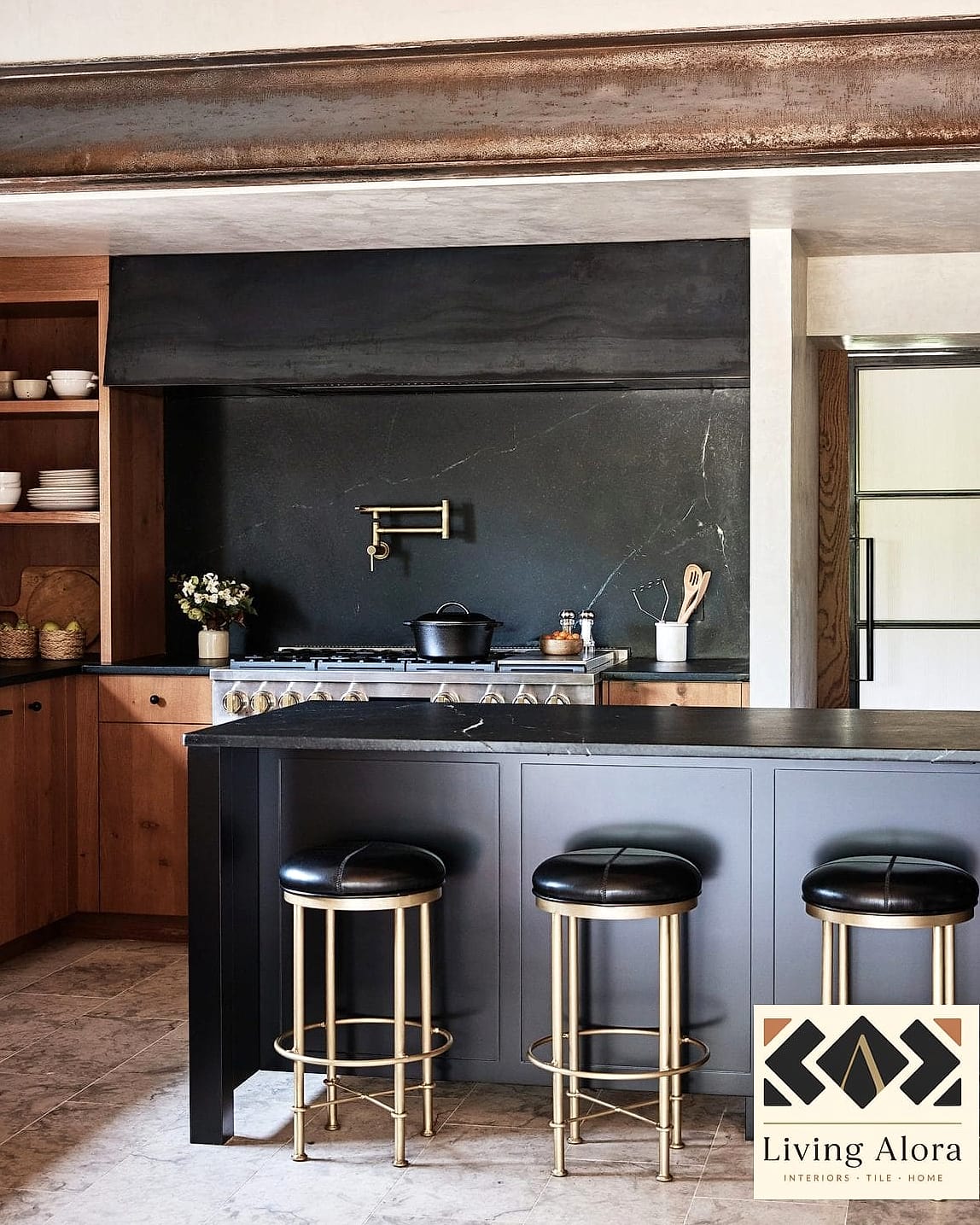
Dark cabinetry has fully shaken off its “too intense for a kitchen” reputation. Charcoal, ink black, and deep forest green cabinets create instant drama, especially when paired with lighter countertops or a pale stone backsplash for contrast.
This works best in kitchens that get decent natural light, since dark tones can feel heavy in a dim room. Pair with brushed brass or unlacquered hardware to keep things from feeling cold. Matte finishes hide fingerprints better than glossy ones, which matters if you’ve got kids or a dog that likes to lean on cabinet doors.
Budget-wise, this is often just a paint job on existing cabinets, making it one of the more affordable ways to add serious visual weight to a space.
A Full-Height Slab Backsplash
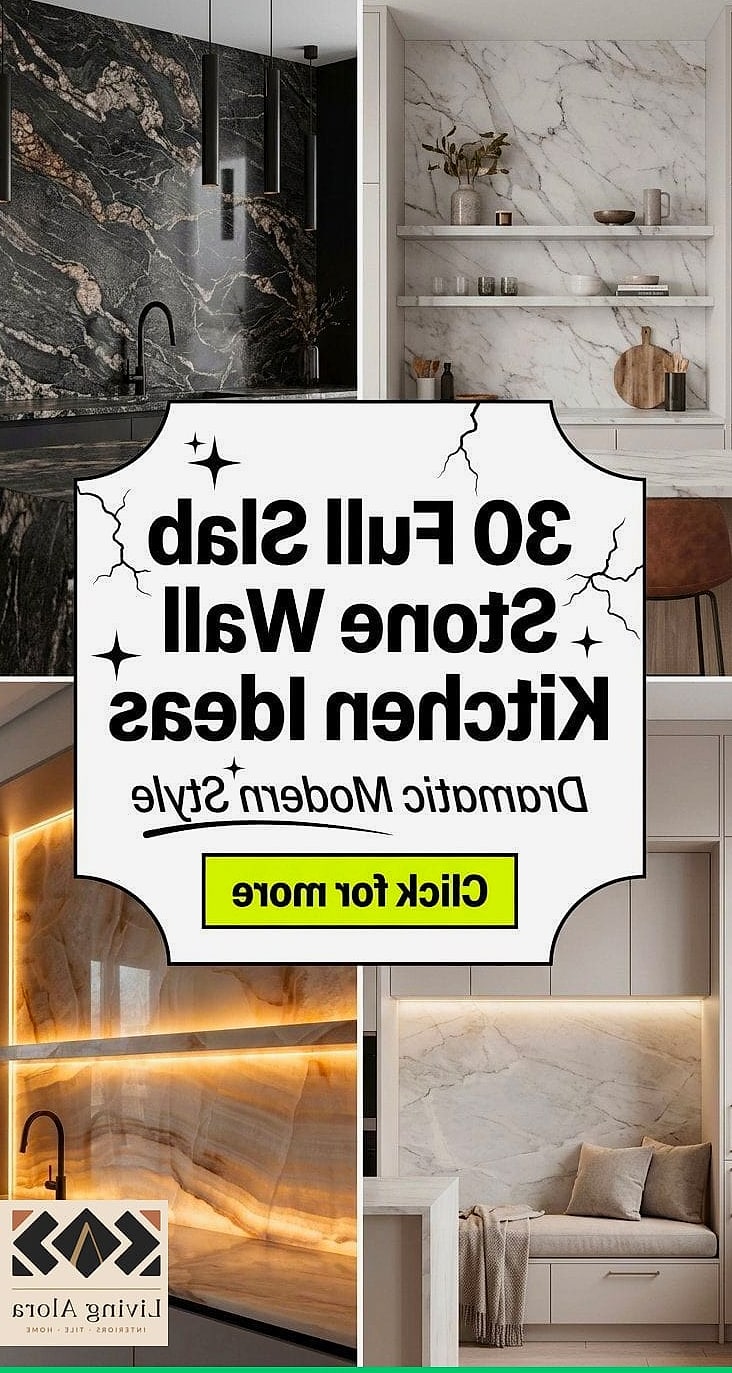
Instead of stopping tile or stone at the standard 18 inches above the counter, designers are running material all the way up to the ceiling. Marble, quartzite, or a bold porcelain slab behind the range becomes the room’s focal point.
This look shines in kitchens with a strong architectural moment — think a hood or open shelving nearby to frame it. It’s a bigger investment than standard tile, but it eliminates grout lines almost entirely, which means less scrubbing and fewer places for grease to hide.
If the full slab feels out of reach, a large-format porcelain tile mimics the effect at a fraction of the cost.
Vibrant Cabinet Color on the Island Only

Rather than committing to a single bold hue across every cabinet, many designers isolate the drama to the island. A deep blue, terracotta, or emerald island surrounded by white or wood-toned perimeter cabinets gives you contrast without overwhelming the whole room.
This is a smart middle ground for anyone nervous about full commitment to color. It’s also renter-friendly in a way — if you own your cabinets, repainting just the island is a manageable weekend project rather than a full kitchen overhaul.
Warm wood tones or brass fixtures tend to soften the boldness and keep the space feeling collected instead of chaotic.
Statement Range Hoods
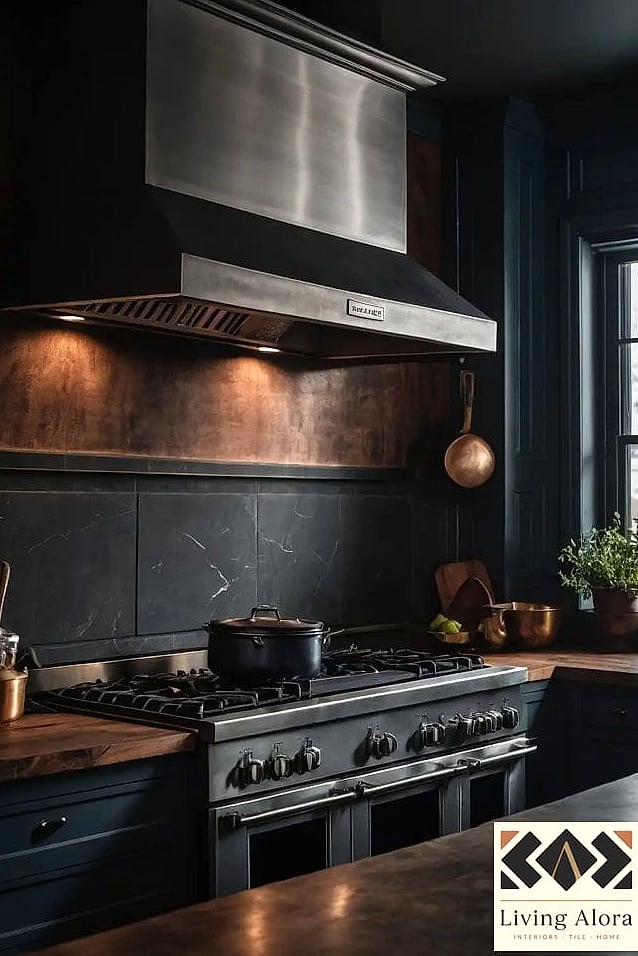
A plain built-in hood does its job quietly. A statement hood — plaster-finished, wrapped in wood, or shaped into a dramatic curve — turns a functional appliance into sculpture. It’s become one of the fastest ways to make a kitchen feel custom-designed rather than builder-grade.
Plaster hoods in particular have a handmade, textured quality that photographs beautifully and works across a surprising range of styles, from farmhouse to modern. They do require a bit more upkeep than stainless steel, since plaster can show marks, but a light sealant helps.
For a lower-cost version, wood cladding over an existing hood insert gets you close to the same visual payoff.
Checkerboard or Herringbone Flooring
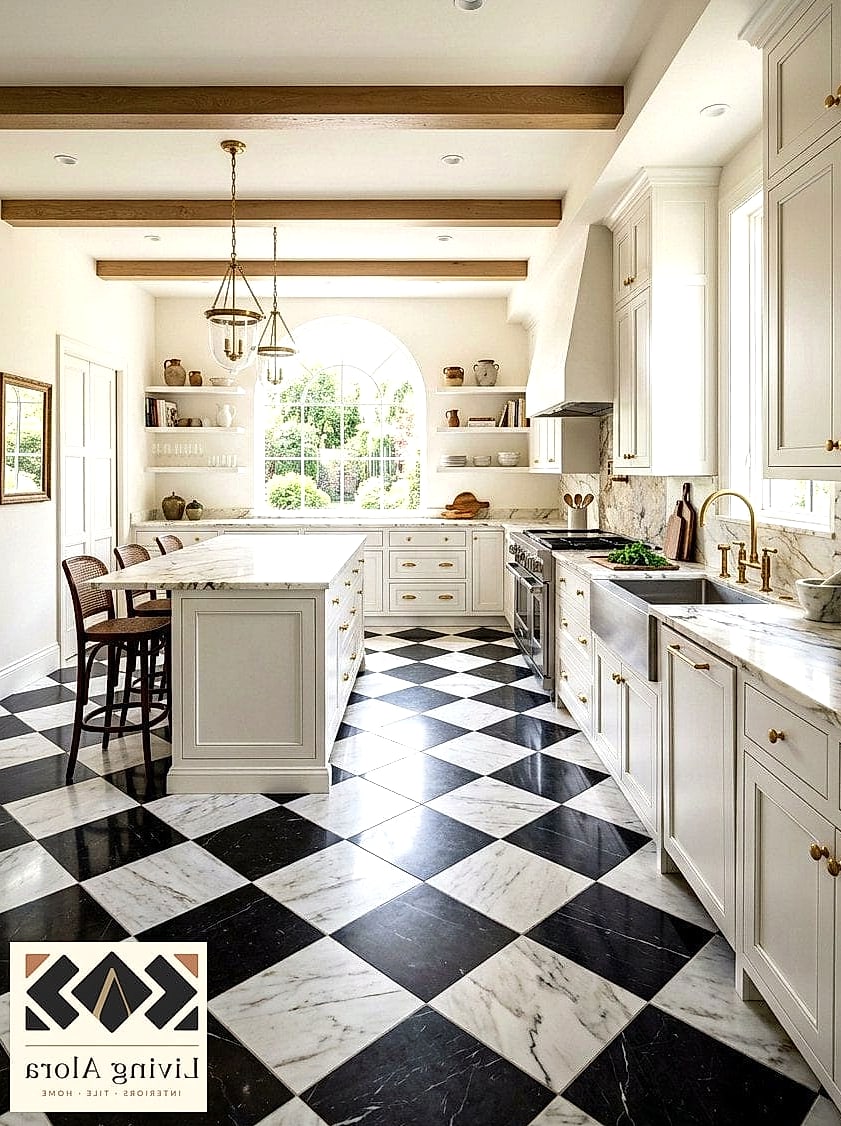
Flooring rarely gets to be the star of a kitchen, but a graphic checkerboard or herringbone pattern changes that completely. Black-and-white checkerboard leans vintage and playful, while a herringbone pattern in wood or stone feels more refined and European.
This idea works in kitchens of nearly any size, though larger checkerboard squares tend to suit bigger rooms better so the pattern doesn’t feel busy underfoot. Porcelain tile versions offer the durability of stone with easier cleaning than natural materials.
It’s also one of those details that instantly signals intention — nobody accidentally ends up with checkerboard floors.
Open Shelving Paired with a Bold Wall Color
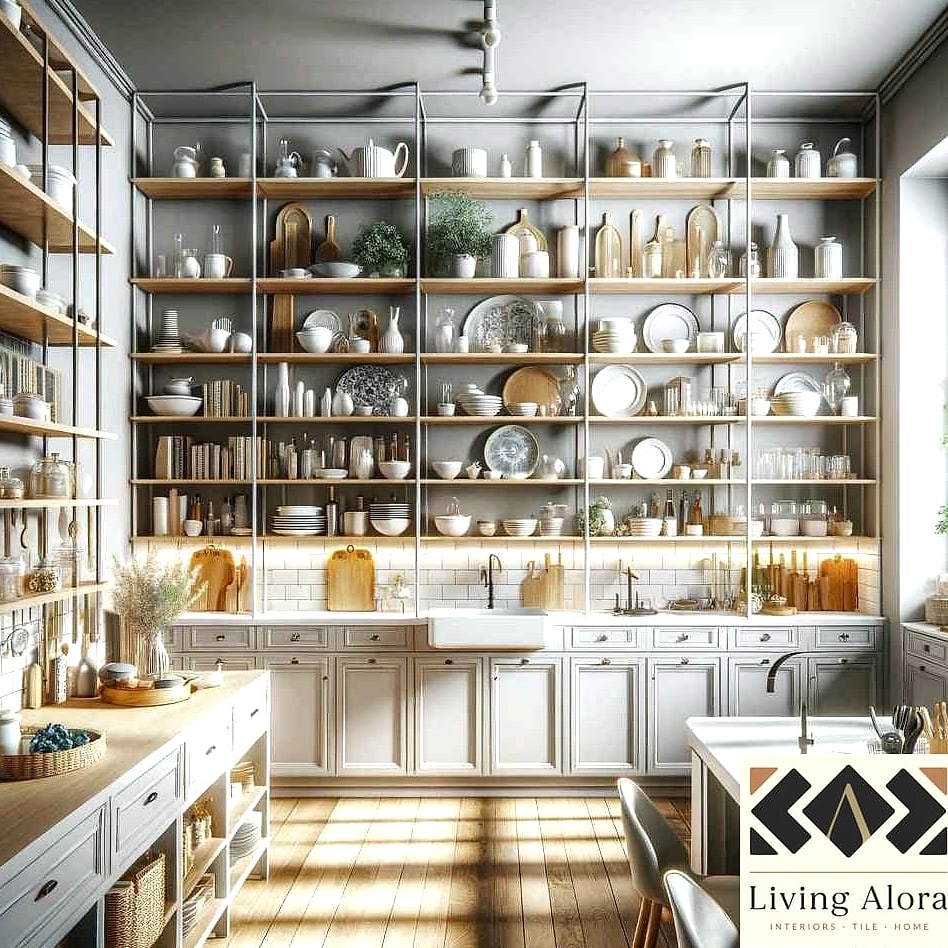
Open shelving alone can feel a little too minimal or exposed. Backing it with a saturated wall color, though, turns those floating shelves into a designed vignette rather than just extra storage. Deep terracotta, navy, or even a rich mustard behind open shelves makes everyday dishes and glassware look intentional.
This pairing works especially well in smaller kitchens where a few shelves replace upper cabinets and the color adds depth without closing in the room. It does require a bit more discipline about what stays visible — this isn’t the spot for mismatched Tupperware.
Layered lighting, like a small picture light above the shelves, adds even more polish at night.
Waterfall Countertop Edges

Letting the countertop material wrap down the sides of an island, rather than stopping at a standard edge, gives the whole piece a monolithic, sculptural quality. Quartz, marble, and dramatic quartzite veining all read especially well in this format.
Waterfall edges work best on islands since they need clear floor space to show off the drop, and they tend to suit bigger kitchens where the island already has breathing room. It’s a splurge-level upgrade in most renovation budgets, but it consistently reads as one of the more expensive-looking moves you can make.
Maintenance depends entirely on the material — quartz needs almost none, while natural stone benefits from periodic sealing.
Mixed Metals Done with Confidence

The old rule of matching every faucet, handle, and light fixture to one metal finish has quietly fallen away. Designers are now mixing brushed brass fixtures with black hardware and nickel plumbing fittings in the same room, and it reads as curated rather than mismatched.
This works because it mimics how a kitchen would naturally evolve over time, with pieces added in different eras rather than bought all at once from a single catalog. The trick is repetition — use each metal at least twice so it feels like a choice rather than an accident.
It’s also a great way to reuse existing fixtures during a partial renovation instead of replacing everything to match.
A Dramatic Ceiling Treatment
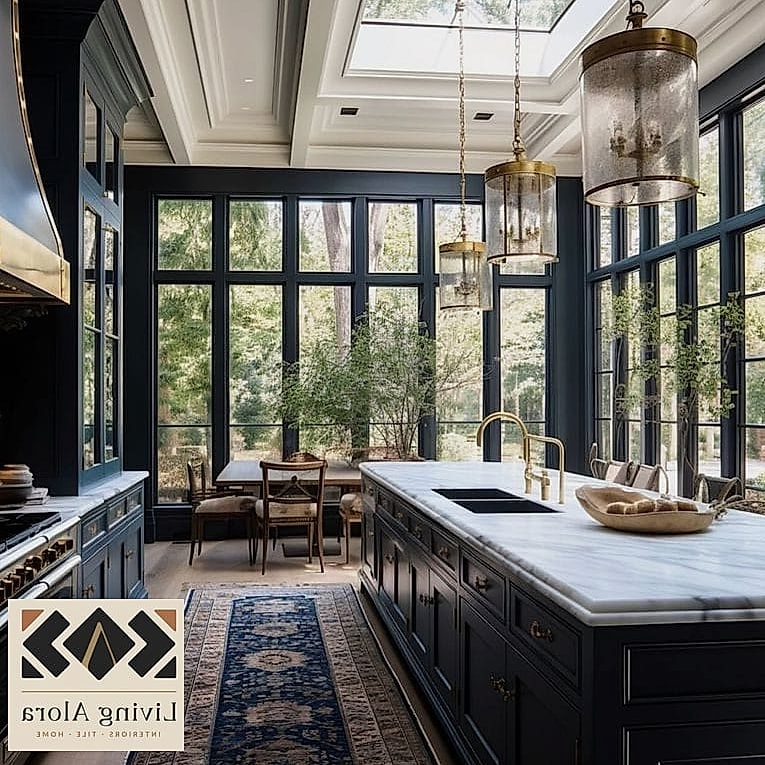
Most kitchen drama happens at eye level, which is exactly why ceilings get overlooked. Beadboard, wood beams, a bold paint color, or even wallpaper on the ceiling turns an often-ignored surface into part of the design story.
This idea suits kitchens with decent ceiling height, since a busy pattern or dark color can feel low and cramped in a room with standard eight-foot ceilings. In taller kitchens, though, it adds a genuine wow factor the moment someone looks up.
A painted ceiling is one of the more budget-friendly options here, while wood beams or wallpaper sit at a higher price point depending on installation.
An Oversized Vintage-Style Light Fixture
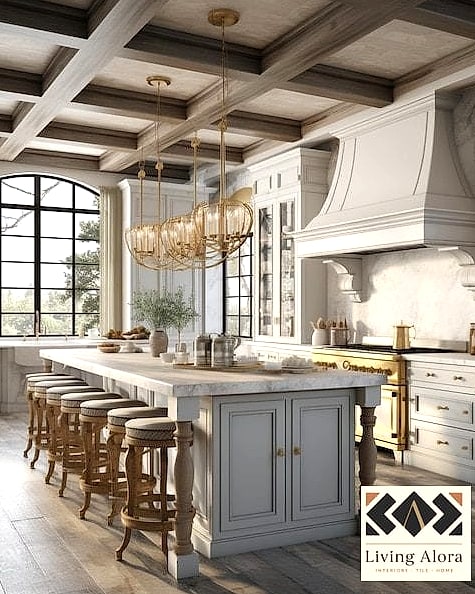
Standard recessed lighting does the job, but it doesn’t add character. A single oversized pendant, a dramatic linear fixture over the island, or a vintage-inspired chandelier gives the kitchen a focal point that feels collected rather than builder-installed.
This works particularly well over islands and dining nooks, where the fixture has room to hang without interfering with foot traffic. Warm-toned bulbs and layered lighting elsewhere in the room keep a bold fixture from feeling like the only light source, which matters for actually cooking and cleaning up.
Vintage and vintage-inspired fixtures also tend to hold their charm longer than trend-driven modern shapes, so it’s a detail that ages well.
Putting a few of these together — say, dark cabinets with brass hardware, a statement hood, and an oversized pendant — is usually enough to give a kitchen real personality without tipping into overwhelming. The common thread through all ten of these ideas is confidence. Designers keep returning to them because they photograph well, they hold up over years of daily use, and they give a kitchen a clear identity instead of blending into every other kitchen on the block. Pick one or two that feel most like you, and let the rest of the room stay simple around them.