17 Glass Subway Backsplash Ideas That Will Change How You See Your Home
- Classic Clear Glass Over a Neutral Wall
- Sea Glass Green in a Coastal Kitchen
- Herringbone Pattern for Extra Movement
- Deep Navy Glass for Bold Contrast
- Stacked Layout for a Modern Look
- Iridescent Glass for a Little Shimmer
- Frosted Glass for a Softer Finish
- Warm Amber Glass for a Vintage Feel
- Two-Tone Glass for a Layered Effect
- Glass Subway Tile with Contrasting Dark Grout
- Floor-to-Ceiling Glass Behind the Range
- Soft Blush Glass for a Feminine Touch
- Glass Mosaic Accent Strip
- Vertical Stack Installation
- Recycled Glass Tile for an Eco-Friendly Choice
- Glass Subway Tile with Open Shelving
- Small Bathroom Backsplash in Glass Tile
17 Glass Subway Backsplash Ideas That Will Change How You See Your Home
Glass subway tile gets overlooked a lot, and honestly, I think that’s a mistake. People jump straight to ceramic or porcelain because it’s familiar, but glass brings something those materials just can’t replicate — that soft reflective quality that bounces light around a room in a way that feels almost alive. If you’re staring at a plain kitchen or bathroom wall right now trying to decide what to do with it, glass subway tile deserves a real look. Here are seventeen ways to use it that go way beyond the basic white-and-glossy setup most people picture.
Classic Clear Glass Over a Neutral Wall

Sometimes the simplest option is the one that ages the best. Clear glass subway tile installed over a soft white or greige wall creates this subtle depth effect, almost like the tile has dimension even though it’s flat. It works especially well in kitchens with a lot of natural light since the glass catches every bit of it. Homeowners tend to love this because it never feels dated the way some trendier patterns eventually do. Maintenance is easy too — a simple glass cleaner and a microfiber cloth keeps it streak-free without much effort.
Sea Glass Green in a Coastal Kitchen
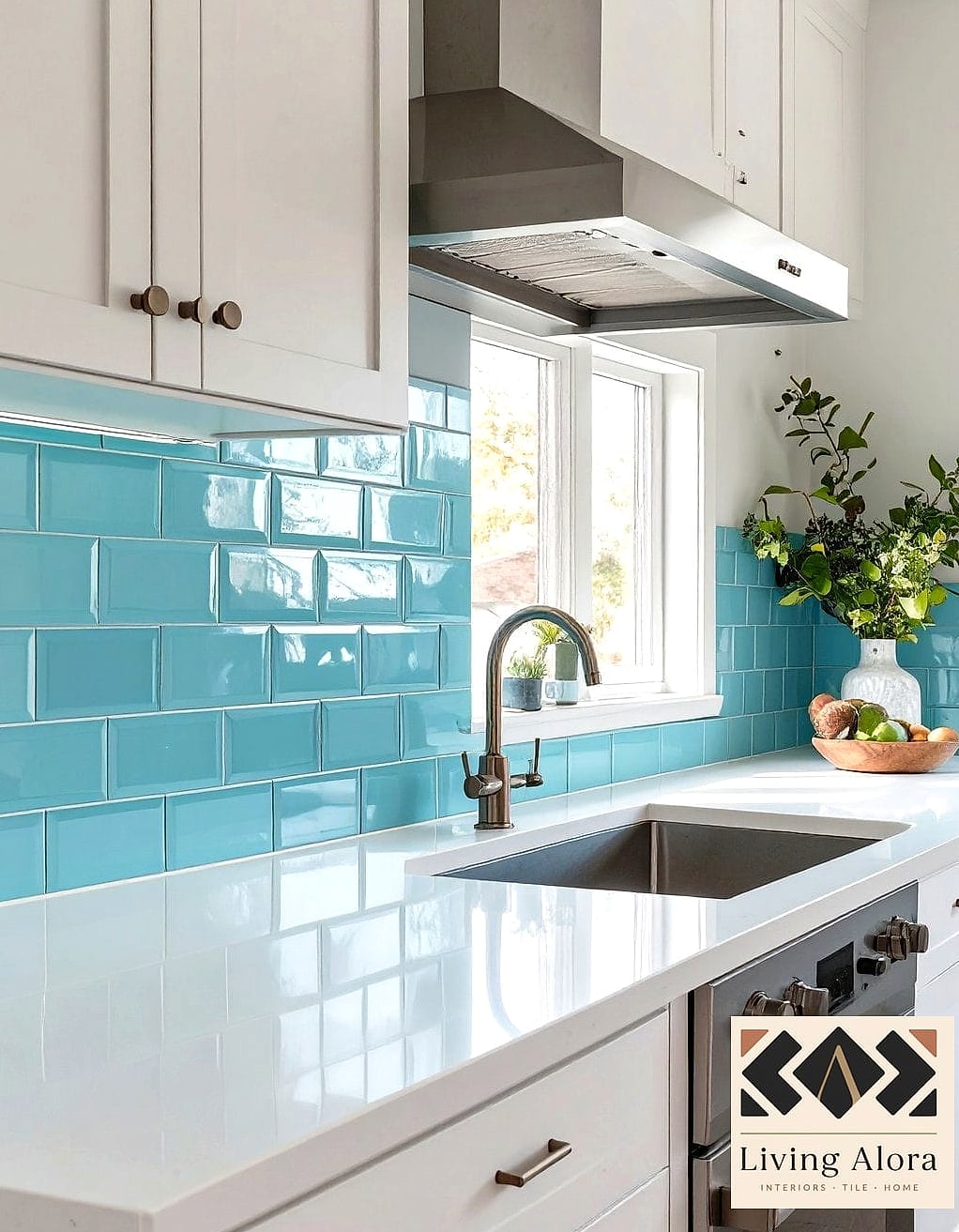
If you’re leaning into a coastal or cottage vibe, sea glass green subway tile is one of those choices that just makes sense. It has this muted, weathered quality that pairs beautifully with white shabby cabinets, brushed nickel hardware, and butcher block counters. This look works best in kitchens that get decent daylight, since the color shifts subtly depending on the light hitting it. It’s not the cheapest tile option out there, but for a lot of homeowners, the character it adds is worth the splurge.
Herringbone Pattern for Extra Movement

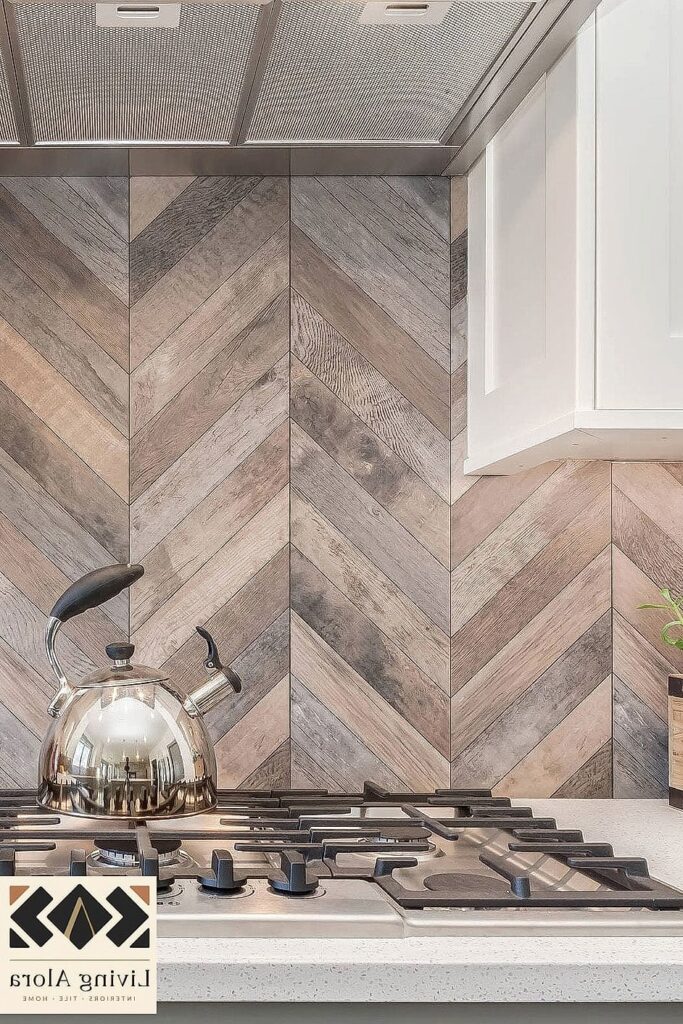
Glass tile in a herringbone layout adds visual energy without needing bold colors to do it. The angled pattern catches light differently than a straight stack, so you get this subtle shimmer across the whole wall. It works particularly well behind a stove or range as a focal point, especially paired with a simple hood or open shelving on either side. This is a project that benefits from hiring a pro, though — herringbone cuts require more precision than straight-lay tile, and glass doesn’t forgive sloppy cuts the way ceramic sometimes does.
Deep Navy Glass for Bold Contrast
Not every backsplash needs to play it safe. Deep navy glass subway tile against white cabinetry creates serious contrast, and it reads as high-end without costing what marble would. This is a great pick for kitchens where the cabinets and countertops are already neutral and could use a little drama. Pair it with brass or matte black fixtures depending on whether you want warm or cool undertones. Cleaning-wise, darker glass tends to show water spots more than lighter shades, so a squeegee after washing dishes isn’t a bad habit to pick up.
Stacked Layout for a Modern Look
If herringbone feels like too much commitment, a straight stacked layout (instead of the traditional brick offset) gives glass subway tile a cleaner, more modern edge. The grid lines create a grounded, architectural feel that works especially well in contemporary kitchens with flat-panel cabinets and quartz counters. It’s also a slightly easier install than offset patterns since you’re not eyeballing staggered joints. Budget-wise, this layout doesn’t cost more than traditional subway installation, so it’s a nice upgrade for the design-conscious without design-conscious pricing.
Iridescent Glass for a Little Shimmer
Iridescent glass subway tile has this soft rainbow shift depending on the angle you’re viewing it from, kind of like the inside of a seashell. It’s a fun choice for a powder room or a small bathroom backsplash where you want something a little unexpected but not overwhelming. In larger doses it can feel busy, so I’d recommend keeping the rest of the space fairly neutral so the tile stays the star. It photographs beautifully too, if that matters to you for resale listings.
Frosted Glass for a Softer Finish
Not everyone wants that high-gloss shine, and frosted glass subway tile is the answer for anyone who prefers something a little more subtle. It still has that reflective quality glass is known for, just diffused rather than mirror-like. This finish hides water spots and fingerprints better than glossy glass, which makes it a practical pick for a busy family kitchen. It pairs nicely with matte black or brushed brass fixtures for a soft, warm modern look.
Warm Amber Glass for a Vintage Feel
Amber and honey-toned glass tile brings a warm, almost retro feeling to a kitchen, especially when paired with wood cabinetry or warm wood open shelving. It reads a little bit vintage, a little bit farmhouse, without leaning too hard into either category. This is a great option if your kitchen already has warm undertones and you want the backsplash to feel cohesive rather than like an afterthought. It’s also fairly forgiving with grout color — a warm beige or taupe grout blends right in.
Two-Tone Glass for a Layered Effect
Mixing two shades of glass subway tile, like a pale blue and a deeper teal, adds depth without needing an intricate pattern. You might do horizontal bands of each color, or alternate rows for a more textured effect. This works particularly well behind a stove where the tile stretches up higher and can act like a mini feature wall. It’s a slightly more involved planning process since you need to map out the layout in advance, but the payoff is a backsplash that feels custom-designed.
Glass Subway Tile with Contrasting Dark Grout
White or clear glass tile paired with charcoal or black grout gives the whole wall more definition. Each individual tile stands out instead of blending into a soft blur, which some homeowners prefer because it feels more intentional and graphic. This combination works in both modern and traditional kitchens depending on the cabinet style around it. One thing worth knowing: dark grout with glass tile can sometimes show a shadow effect through lighter glass, so it’s worth asking your installer or checking a sample before committing.
Floor-to-Ceiling Glass Behind the Range
Instead of stopping the backsplash at standard counter height, running glass subway tile all the way to the ceiling behind the stove creates a serious statement wall. It’s more tile and more cost, sure, but it also eliminates the need for extra paint touch-ups from grease splatter over time. This look tends to work best in kitchens with a hood that has some visual weight to it, since the tile needs something substantial to frame. Glass is also easier to wipe grease off of than painted drywall, so there’s a practical upside too.
Soft Blush Glass for a Feminine Touch
Blush and dusty pink glass subway tile has quietly become a favorite for bathrooms and even some kitchens that want a softer, romantic feel. It pairs beautifully with brushed brass or gold fixtures and white marble-look counters. This isn’t a color that works for every home, but in the right space it feels fresh and a little unexpected compared to the usual white or gray palette. If you’re nervous about commitment, try it in a smaller space like a bathroom before considering it for a full kitchen.
Glass Mosaic Accent Strip
You don’t have to tile an entire wall in glass subway tile to get the benefit — a mosaic accent strip using smaller glass pieces mixed with subway shapes can break up a larger ceramic or porcelain backsplash. This works great as a border above the stove or as a horizontal band partway up the wall. It’s a smart way to get the shimmer and light-catching quality of glass without the full material cost. It’s also an easier DIY entry point since you’re working with a smaller area.
Vertical Stack Installation
Turning subway tile on its side and installing it vertically instead of horizontally changes the whole feel of a space, making ceilings feel taller and walls feel less boxy. Glass in a vertical stack looks especially striking in narrow kitchens or behind a single wall of open shelving. It’s a slightly less common request, so make sure whoever’s installing it has experience with the orientation, since spacing and leveling work a little differently than a standard horizontal run.
Recycled Glass Tile for an Eco-Friendly Choice
If sustainability matters to you, recycled glass subway tile has come a long way in both quality and style options. It often has a slightly more organic, varied texture compared to standard manufactured glass, which some homeowners actually prefer for the character it adds. It’s a great talking point too, if you like sharing the story behind your design choices. Performance-wise it holds up just as well as traditional glass tile, and pricing is usually comparable.
Glass Subway Tile with Open Shelving
Pairing a glass tile backsplash with open shelving instead of upper cabinets lets the tile actually breathe and be seen, rather than getting hidden behind cabinet doors. This combination works well in kitchens that already lean modern or minimalist, since open shelving requires a bit of ongoing tidiness to look good. Displaying a few plates, some glassware, and maybe a small plant against the glass tile creates a layered, lived-in look that still feels curated.
Small Bathroom Backsplash in Glass Tile
Glass subway tile isn’t just for kitchens — a small bathroom vanity backsplash done in glass can make a cramped space feel brighter and larger thanks to how much light it reflects. This is a great renter-friendly-adjacent upgrade too, since it’s a smaller, more affordable project than a full kitchen redo if you’re testing out whether you like working with glass tile before committing to a bigger space. Pair it with a simple round mirror and a single wall sconce for a clean, updated look that doesn’t require touching the rest of the bathroom.
Final Thoughts
Glass subway tile has this range that people don’t always give it credit for — it can go moody and dramatic with navy or go soft and dreamy with blush tones, and it holds its own whether you’re working with a huge kitchen or a tiny powder room. If you’ve been circling the idea of 17 glass subway backsplash ideas that will change how you see your home and still feel unsure where to start, my honest advice is to grab a few sample tiles, hold them up against your existing counters and cabinets in different lighting, and see which one actually makes you want to walk into the room. That reaction tells you more than any trend forecast will.