17 Modern Limestone Backsplash Ideas That Prove This Trend Is Here to Stay

- Classic Honed Limestone Slab
- Herringbone Limestone Tile
- Limestone Subway Tile with Minimal Grout Lines
- Vertical Stacked Limestone Panels
- Limestone Mosaic Accent Wall
- Warm Beige Limestone with Wood Cabinetry
- Limestone Slab with Waterfall Edge Continuation
- Limestone Backsplash with Matte Black Fixtures
- Textured Limestone with Brushed Finish
- Limestone Tile in a Grid Pattern
- Limestone Backsplash Behind Open Shelving
- Limestone Slab as a Statement Behind the Range
- Two-Tone Limestone and Ceramic Combination
- Limestone Backsplash with Under-Cabinet Lighting
- Large-Format Limestone Panels for a Seamless Look
- Limestone with a Honed Finish in a Bathroom-Style Kitchen Backsplash
- Reclaimed or Antiqued Limestone for Old-World Charm
17 Modern Limestone Backsplash Ideas That Prove This Trend Is Here to Stay
Limestone has been quietly stealing the spotlight from marble and quartz, and honestly, it’s about time. There’s something about its soft, chalky texture and warm neutral tones that makes a kitchen feel lived-in and luxurious at the same time. If you’ve been scrolling through kitchen inspo and keep landing on that soft, matte stone backsplash that looks like it belongs in a French countryside home, chances are you’ve been looking at limestone.
Unlike the shiny, polished surfaces that dominated kitchens for the last decade, limestone brings a kind of quiet confidence to a space. It’s not trying too hard. Below are seventeen ways homeowners and designers are using this natural stone to give their kitchens a fresh, grounded look.
Classic Honed Limestone Slab

A single, honed limestone slab running the length of your cooking wall is about as elegant as backsplashes get. The matte finish softens light instead of bouncing it around the room, which gives the whole kitchen a calmer feel.
This works best in kitchens with a lot of natural light, since the stone’s subtle veining really shows up when the sun hits it. It’s a pricier option because slab installation requires precision, but the seamless look is hard to replicate with tile. Just know that honed limestone is porous, so you’ll want to seal it every year or so to keep stains at bay.
Herringbone Limestone Tile

Herringbone patterns never really go out of style, and limestone gives this classic layout a softer, more organic feel than the usual marble or ceramic version. The angled tiles catch light differently depending on where you stand, which adds a subtle sense of movement to the wall.
This is a great option for kitchens that already have simple, straight-line cabinetry and want a little visual interest without going overboard. Pair it with brushed brass hardware for a warm, collected look. Installation takes more time and skill than a standard grid layout, so budget for a slightly higher labor cost if you’re hiring it out.
Limestone Subway Tile with Minimal Grout Lines

If you love the subway tile look but want something less predictable than ceramic, limestone subway tiles are worth a look. The natural color variation between tiles means no two walls look exactly alike, even with the same simple rectangular shape.
Keeping the grout lines thin and matching the grout color closely to the stone creates a nearly seamless surface. This is a solid middle-ground choice for people who want texture and warmth but aren’t ready to commit to a full slab. It’s also fairly renter-friendly if you use a removable tile backer, though that’s less common with natural stone.
Vertical Stacked Limestone Panels
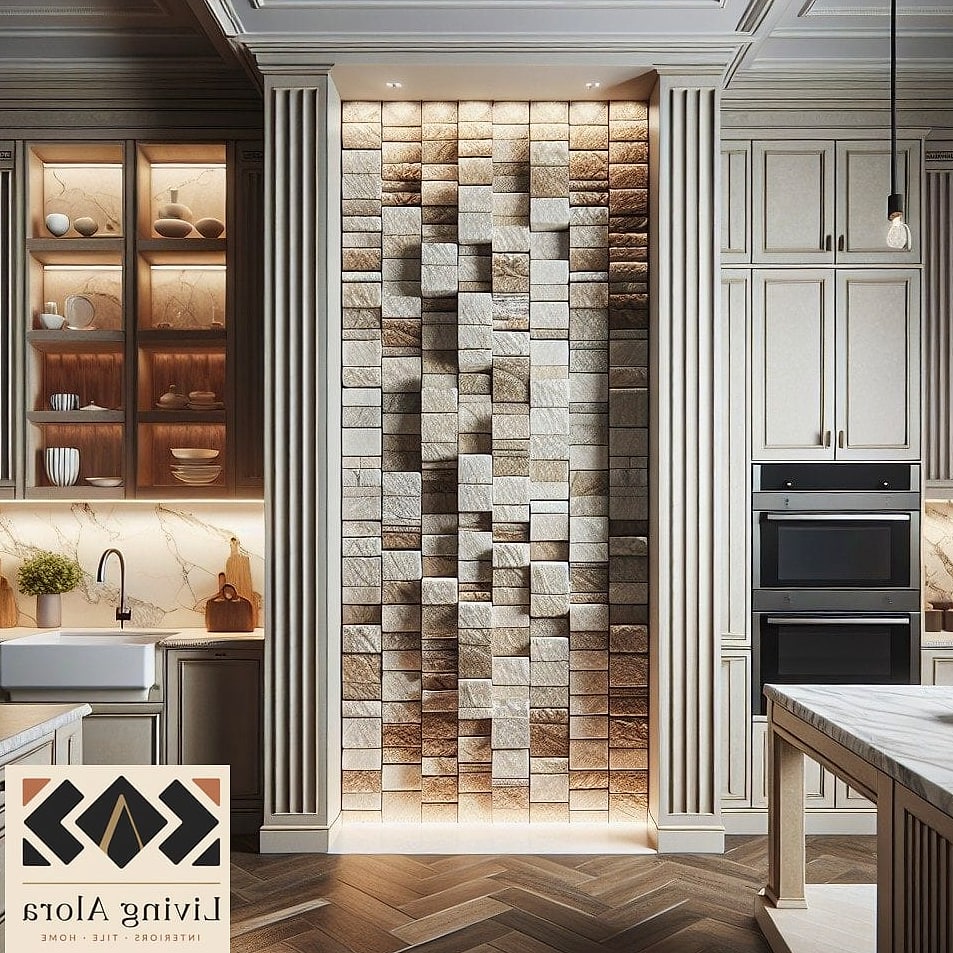
Running limestone tiles vertically instead of horizontally is a simple trick that makes ceilings feel taller and kitchens feel more architectural. It’s a favorite among designers doing modern farmhouse or transitional kitchens right now.
This layout works especially well behind a range where you want a focal point that draws the eye upward. Pair it with open shelving on either side to keep the wall from feeling too busy. Because the pattern is so linear, precise cutting matters here more than in other layouts, so this one’s better left to a professional installer.
Limestone Mosaic Accent Wall
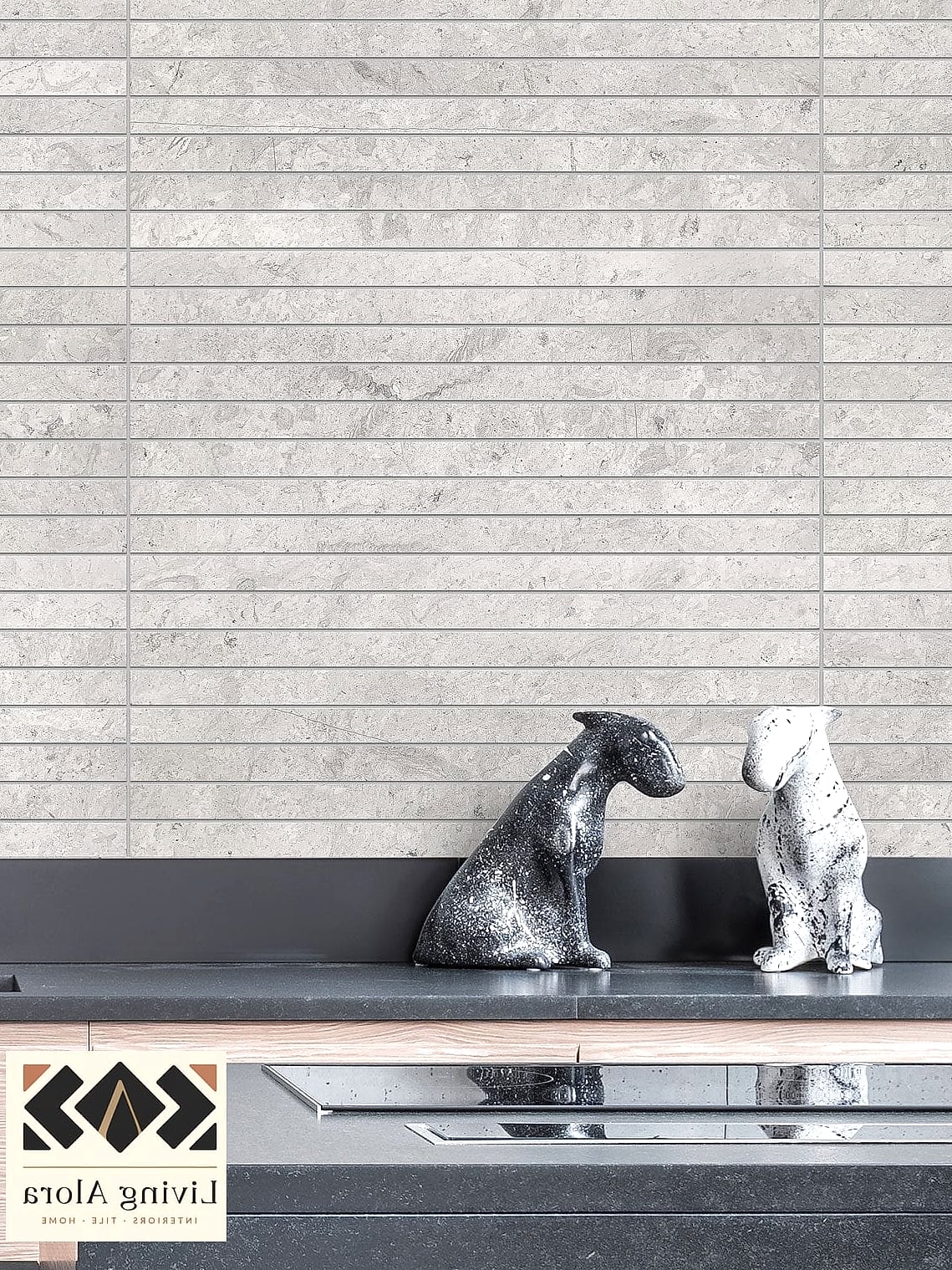
Small-format limestone mosaic tiles bring texture and dimension in a way that larger slabs simply can’t. They’re often arranged in basketweave or hexagon shapes, giving the wall a handmade, almost woven appearance.
This idea works particularly well as a focal accent behind a stove or sink rather than covering an entire wall, since the busier pattern can feel like a lot in large doses. Mosaics also tend to be more budget-friendly since they’re sold in mesh-backed sheets that install faster than individual tiles. Just be ready for more grout lines, which means a bit more upkeep over time.
Warm Beige Limestone with Wood Cabinetry
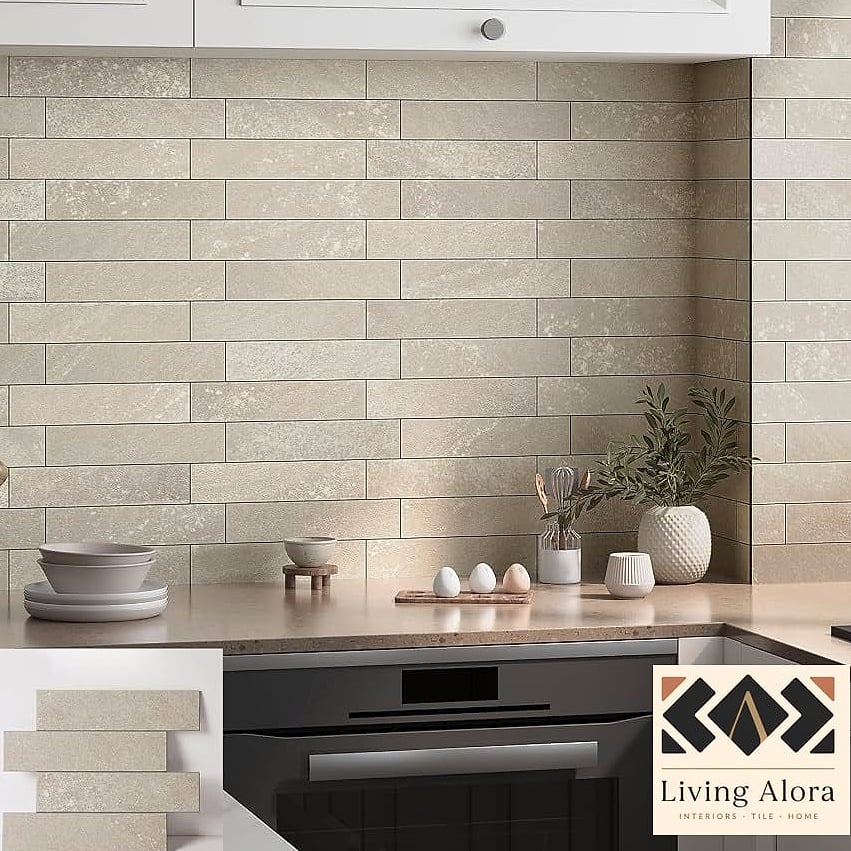
Pairing limestone’s warm undertones with natural wood cabinets creates a cohesive, earthy palette that feels calming rather than cold. This combination has become a go-to for people moving away from stark white kitchens toward something softer and more textural.
Butcher block countertops complement this pairing nicely, reinforcing the natural material story throughout the space. It’s a look that photographs beautifully but also holds up in daily life, since the warm tones hide minor splatters and smudges better than bright white surfaces do. This is an easy win if you’re already working with wood-toned cabinetry and don’t want to fight the undertones.
Limestone Slab with Waterfall Edge Continuation

Extending your limestone backsplash into a waterfall edge on the island creates a sense of continuity that feels custom-built, even in a standard kitchen layout. The stone essentially becomes part of the architecture rather than just a wall covering.
This is a splurge-worthy option, no doubt about it, but it’s one of those upgrades that instantly makes a kitchen feel more custom without requiring a full renovation. It works best in open-concept spaces where the island is a visual anchor. Because the seams need to line up perfectly, this is definitely a job for an experienced fabricator.
Limestone Backsplash with Matte Black Fixtures
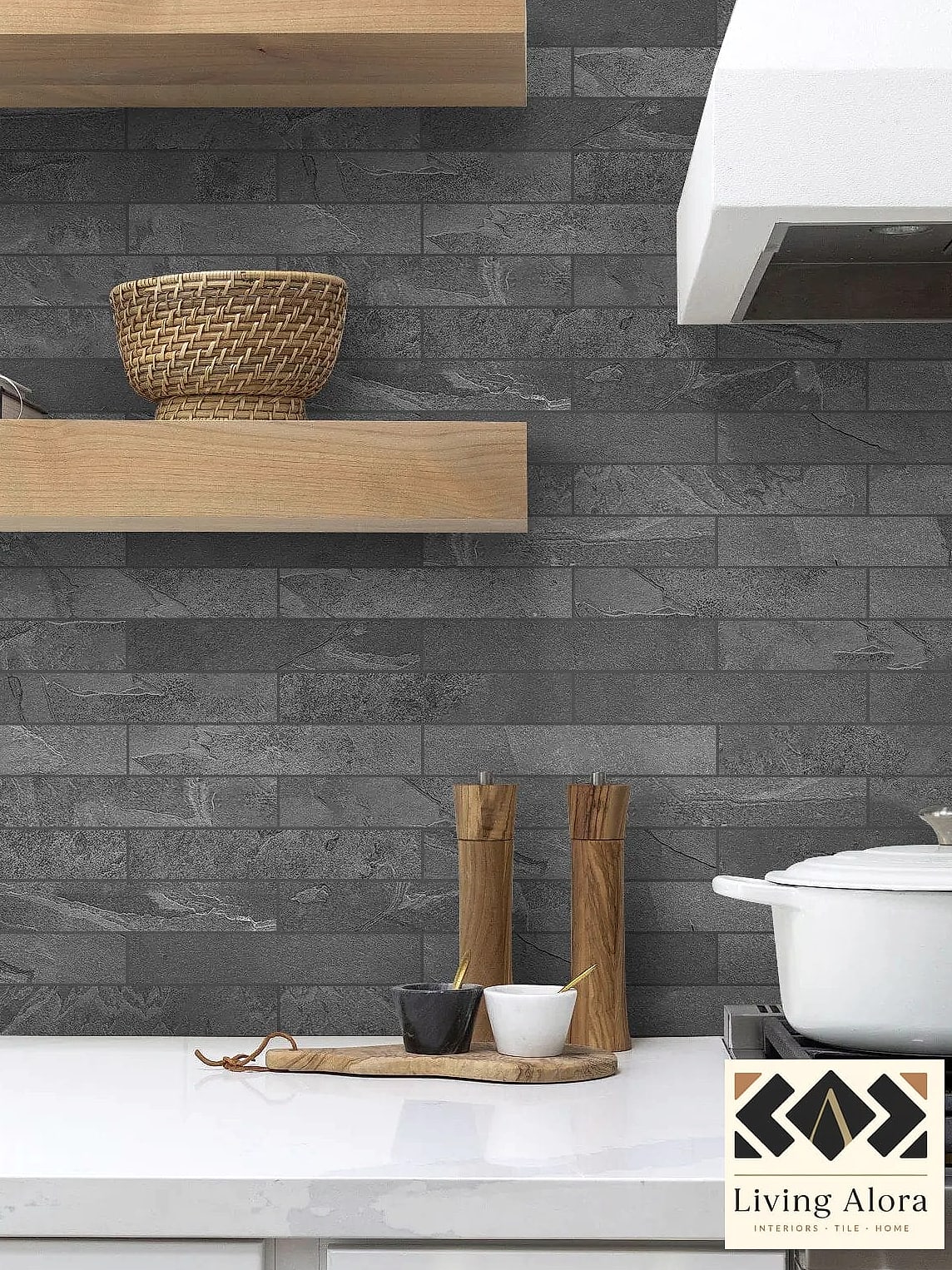
The contrast between soft, warm limestone and matte black faucets or hardware creates a grounded, modern look without feeling harsh. Black fixtures add just enough contrast to keep the neutral stone from reading as flat or boring.
This pairing works in nearly any kitchen style, from modern farmhouse to contemporary minimalist. It’s also a fairly affordable way to update an existing limestone backsplash if you’re not ready for a full remodel. Swapping out hardware and a faucet is a weekend project most homeowners can tackle themselves.
Textured Limestone with Brushed Finish
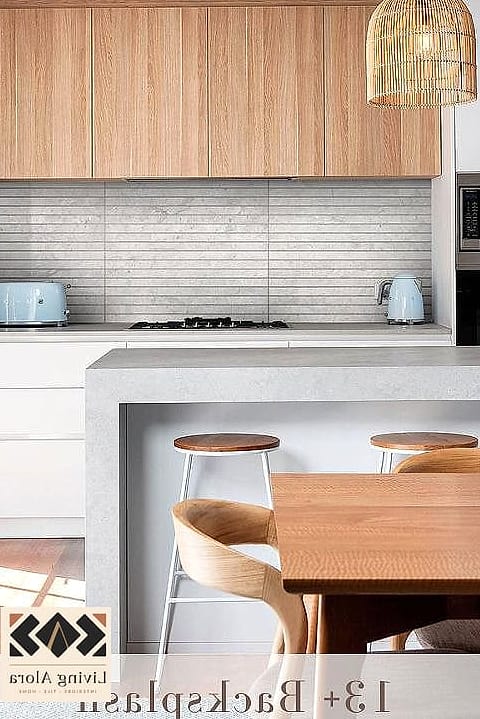
Not all limestone is smooth and polished. Some homeowners are opting for a more textured, brushed finish that shows the natural pitting and character of the stone. It’s a look that leans rustic without going full farmhouse.
This works especially well in kitchens that already have some texture going on, like exposed beams or a brick floor. The rougher surface does require a bit more attention when cleaning, since debris can settle into the texture, but a soft brush and mild stone cleaner usually does the trick.
Limestone Tile in a Grid Pattern
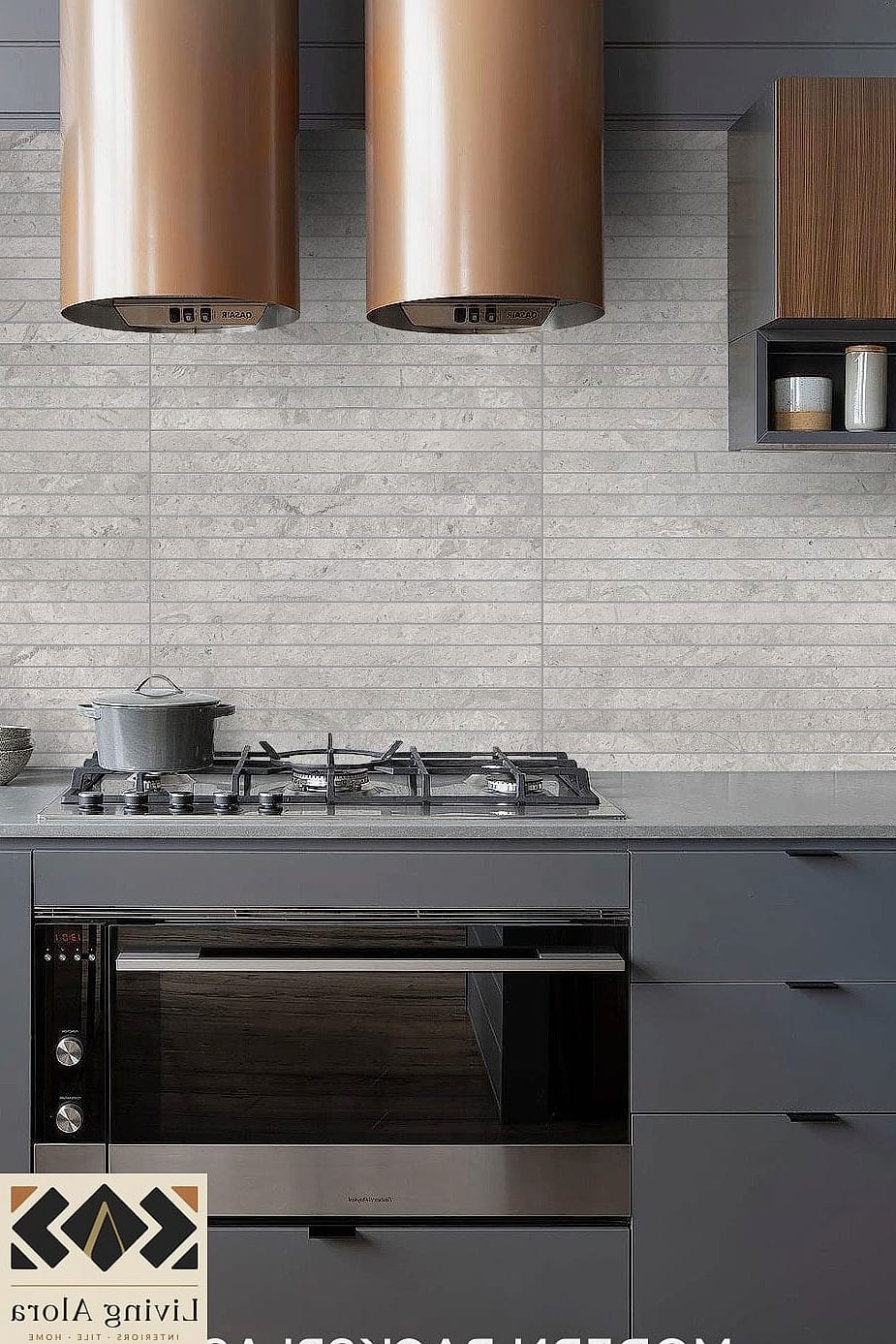
Sometimes the simplest layout is the most effective. A straightforward grid pattern lets the natural variation in the limestone do all the talking without competing with a busy pattern. It’s clean, classic, and never really goes out of style.
This is a great DIY-friendly option if you’re comfortable with basic tiling, since the layout is far more forgiving than herringbone or basketweave. It’s also one of the more budget-conscious ways to bring limestone into your kitchen, since standard square or rectangular tiles tend to cost less than specialty cuts.
Limestone Backsplash Behind Open Shelving
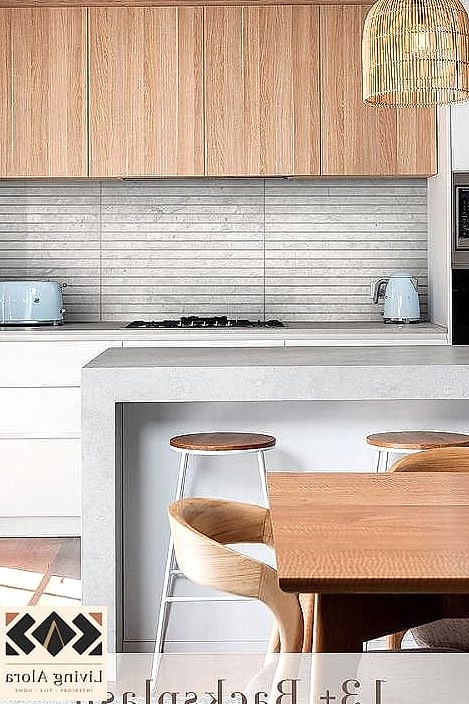
Pairing an open shelving setup with a limestone backdrop gives you a chance to show off both the stone and your favorite dishware. The neutral tone of the limestone acts almost like a gallery wall backdrop for ceramics, glassware, and greenery.
This is a popular choice in smaller kitchens where open shelving already helps the room feel less closed-in. Floating shelves in a matching wood tone tie the whole look together. Just keep in mind that open shelving means more visible dust, so you’ll want to wipe things down more often than you would with closed cabinets.
Limestone Slab as a Statement Behind the Range
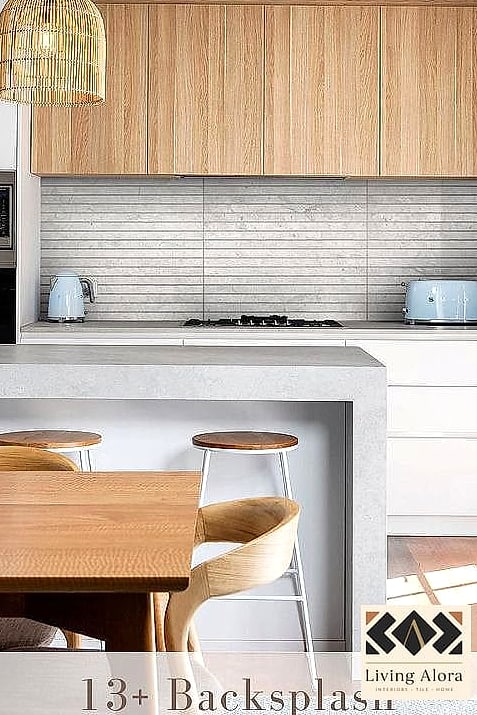
Making your range wall the star of the kitchen is an easy way to add drama without redoing the whole space. A single large limestone slab behind the cooktop, extending up to the hood, creates a natural focal point.
This works particularly well in kitchens with a simpler overall palette, since the stone’s veining becomes the main visual interest. Layered lighting, like a pendant or under-cabinet fixtures, helps highlight the texture even more in the evening. It’s a slightly higher splurge but tends to be worth it for the wow factor alone.
Two-Tone Limestone and Ceramic Combination

Mixing limestone with a secondary material, like a simple ceramic tile, is a smart way to manage cost while still getting that natural stone look where it matters most. Many homeowners use limestone as a focal strip and fill in the rest with a more budget-friendly tile.
This approach also gives you some design flexibility, since you can swap out the ceramic portion down the road without touching the stone feature. It’s a practical option for anyone renovating on a tighter budget who still wants that high-end natural stone moment.
Limestone Backsplash with Under-Cabinet Lighting

Adding under-cabinet lighting above a limestone backsplash brings out every bit of texture and subtle color variation in the stone, especially in the evening. It’s a small addition that makes a noticeable difference in how the whole kitchen feels after dark.
LED strip lighting is fairly easy to install and works well with limestone’s warm undertones, casting a soft glow rather than a harsh white light. This is a great upgrade for anyone who cooks in the evenings or just wants their kitchen to feel a little more polished during dinner parties.
Large-Format Limestone Panels for a Seamless Look
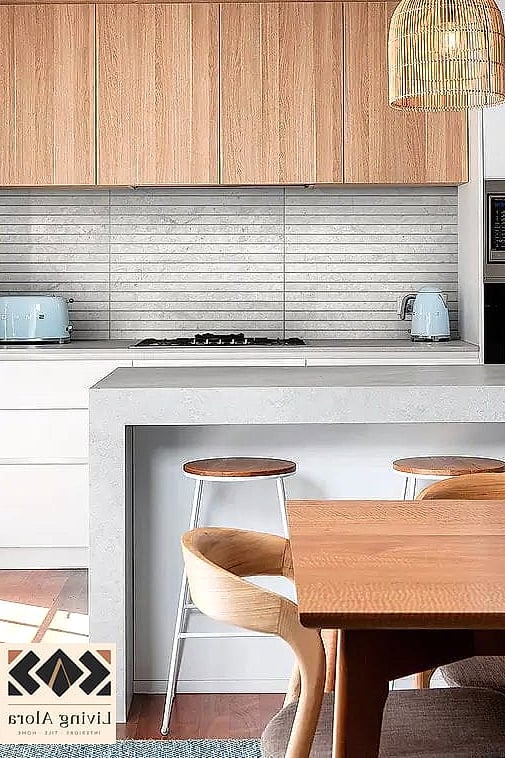
Large-format panels minimize grout lines almost entirely, giving you that expensive, seamless look without the cost of a full slab. It’s a nice middle ground between traditional tile and a single-piece installation.
This option works especially well in modern or minimalist kitchens where clean lines are the priority. Fewer grout lines also means less maintenance over time, since there’s simply less surface area for grime to collect. It’s worth asking your installer about panel size options, since larger formats do require careful handling during installation.
Limestone with a Honed Finish in a Bathroom-Style Kitchen Backsplash
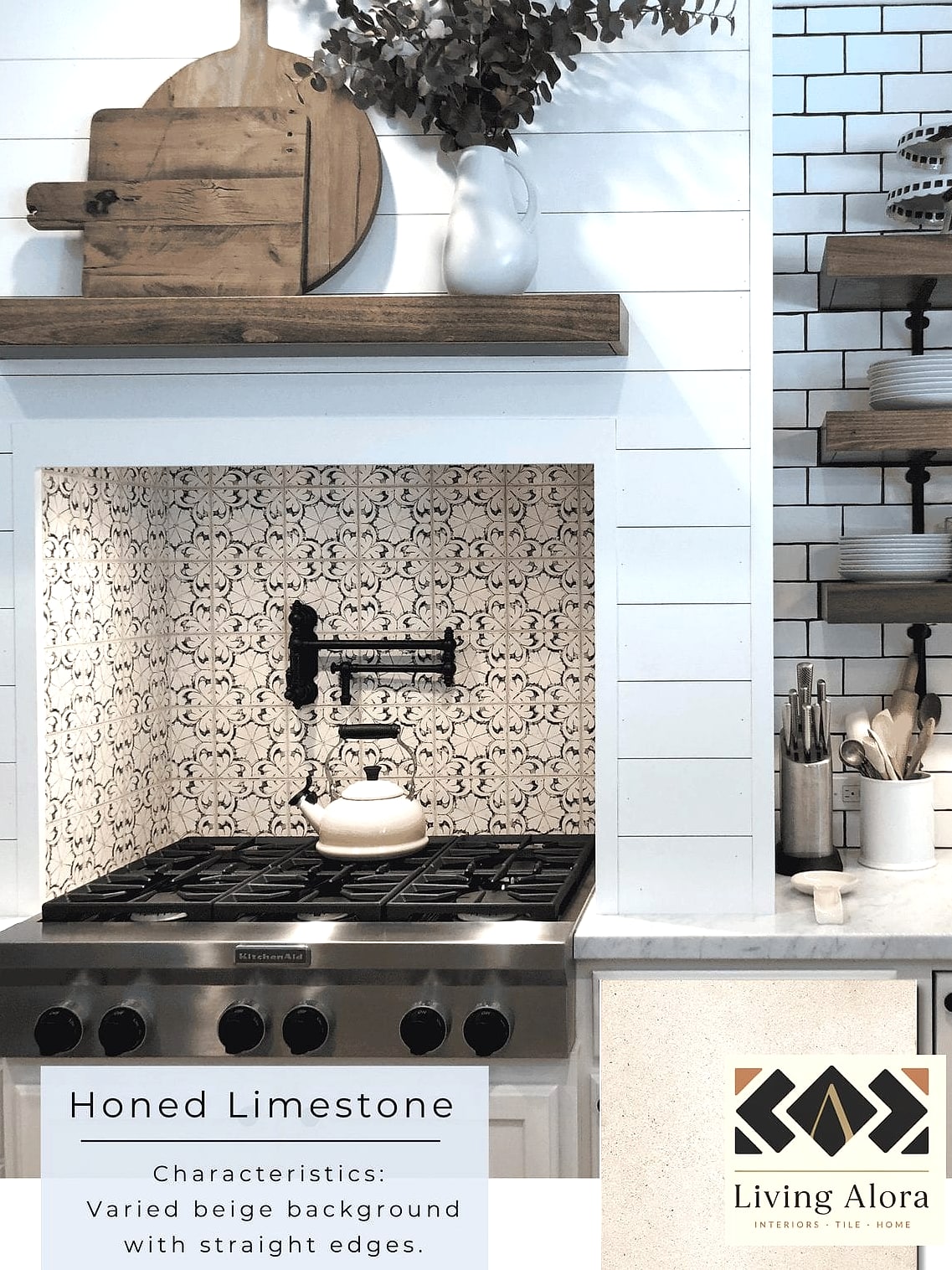
Borrowing the honed, spa-like finish typically seen in bathrooms is a trend that’s making its way into kitchens, and it works surprisingly well. The soft, low-sheen surface gives the kitchen a calm, almost wellness-inspired feel.
This pairs beautifully with a neutral color palette and warm wood tones throughout the rest of the space. It’s a good choice for anyone who wants their kitchen to feel like an extension of the rest of their home’s design language rather than a separate, harshly lit workspace.
Reclaimed or Antiqued Limestone for Old-World Charm

For homeowners chasing that European farmhouse look, reclaimed or artificially antiqued limestone brings genuine character that new stone just can’t fake. The slightly weathered surface and irregular edges give the kitchen an established, collected-over-time feel.
This works particularly well in older homes or anywhere you’re leaning into a more traditional design story. It’s worth noting that reclaimed stone can vary quite a bit in thickness and finish, so working with a supplier who specializes in it will save you headaches during installation.
Limestone backsplashes aren’t just a passing trend, they’re a genuine shift toward warmer, more natural materials in the kitchen. Whether you go with a dramatic slab or a simple tiled grid, there’s a version of this look that fits almost any budget and style. The best part is that limestone only seems to get more character over time, which is exactly what makes it feel worth the investment.