17 Moroccan Tile Ideas for Every Home Style and Budget
- Zellige Tile Backsplash in a Warm Kitchen
- Cobalt Blue Moroccan Tile Floor Entryway
- Moroccan Fish Scale Tile Shower Wall
- Terracotta Moroccan Tile for a Sunroom Floor
- Black and White Moroccan Mosaic Bathroom Floor
- Moroccan Tile Kitchen Island Wrap
- Neutral Moroccan Tile for a Minimalist Bathroom
- Moroccan Tile Accent Wall Behind a Bed
- Moroccan Tile Fireplace Surround
- Budget-Friendly Peel-and-Stick Moroccan Tile Backsplash
- Moroccan Tile Laundry Room Floor
- Moroccan Tile Powder Room Wraparound
- Green Moroccan Tile Kitchen Backsplash
- Moroccan Tile Outdoor Patio Table Inset
- Moroccan Tile Staircase Riser Detail
- Moroccan Tile Kitchen Nook Ceiling
- High-End Hand-Painted Moroccan Tile Bathtub Surround
17 Moroccan Tile Ideas for Every Home Style and Budget
Moroccan tile has this way of making a space feel collected and personal, like it has a story behind it. Even one small accent wall can shift the whole mood of a room. I’ve pulled together seventeen ways to use it, from bold and colorful to quiet and neutral, so there’s something here no matter what your house is already doing style-wise.
Zellige Tile Backsplash in a Warm Kitchen

Zellige is the classic Moroccan tile everyone falls for first, and honestly, it earns the hype. Each piece is handmade, so no two tiles are exactly alike, which gives a backsplash this soft, rippled texture that catches light differently throughout the day.
It works beautifully behind a range or across a full kitchen wall. Warm terracotta or honey tones pair especially well with wood cabinetry and brass hardware. Just know that real zellige is porous and needs sealing, so budget a little extra time for that step during install.
Cobalt Blue Moroccan Tile Floor Entryway
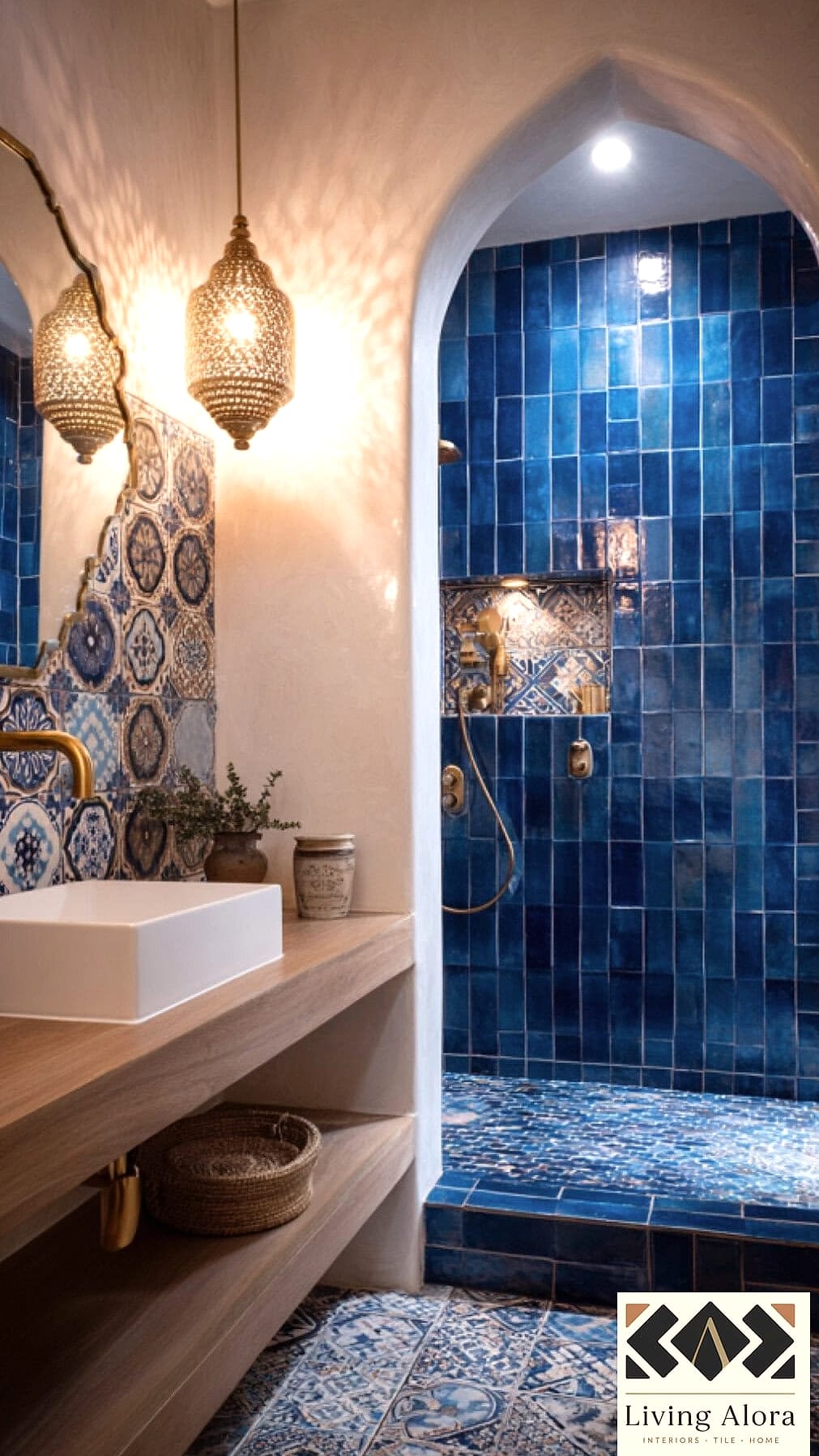
An entryway is the perfect spot to go bold since you’re not living in it all day. Deep cobalt blue Moroccan tile on the floor makes a strong first impression the second someone walks through the door.
Pair it with white walls and simple furniture so the floor stays the star. Porcelain versions of this look are widely available now and hold up far better to foot traffic and wet shoes than natural stone would.
Moroccan Fish Scale Tile Shower Wall
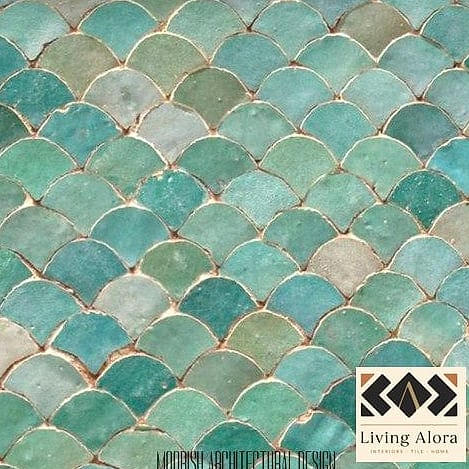
Fish scale, or fan-shaped, tile brings movement into a bathroom without needing a lot of extra decor. Stacked in rows, the scalloped edges create a rhythm that feels almost architectural.
This pattern works well in walk-in showers or as a half-wall accent. Choose a matte finish in soft sage or blush if you want something calming, or go glossy white for a brighter, more reflective feel in a smaller bathroom.
Terracotta Moroccan Tile for a Sunroom Floor
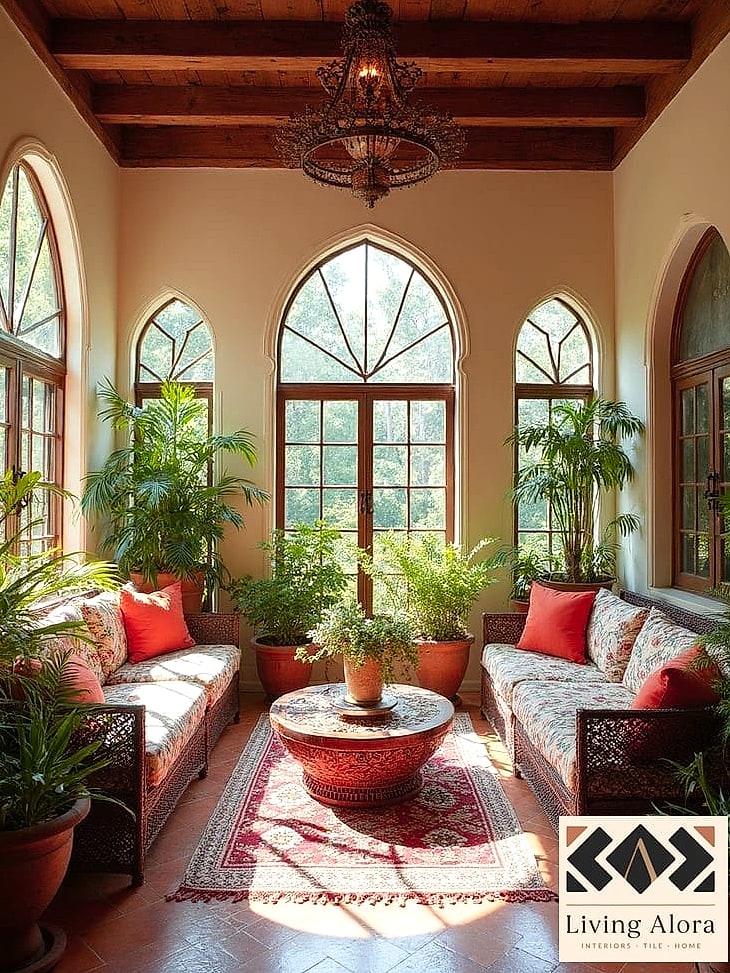
If your sunroom gets a lot of natural light already, terracotta Moroccan tile leans into that warmth instead of fighting it. The earthy orange and rust tones feel grounded and a little rustic in the best way.
It’s a great match for wicker furniture, linen cushions, and lots of potted greenery. Terracotta does show wear over time, but a lot of homeowners actually like that lived-in patina developing.
Black and White Moroccan Mosaic Bathroom Floor

This is a pattern that never really goes out of style, and it works in almost any bathroom size. The high contrast between black and white keeps things graphic and clean rather than busy.
Small hexagon or star-and-cross shapes are traditional here. It reads more classic than trendy, so it’s a solid pick if you’re planning to stay in your home a while and don’t want to redo the floor again in five years.
Moroccan Tile Kitchen Island Wrap
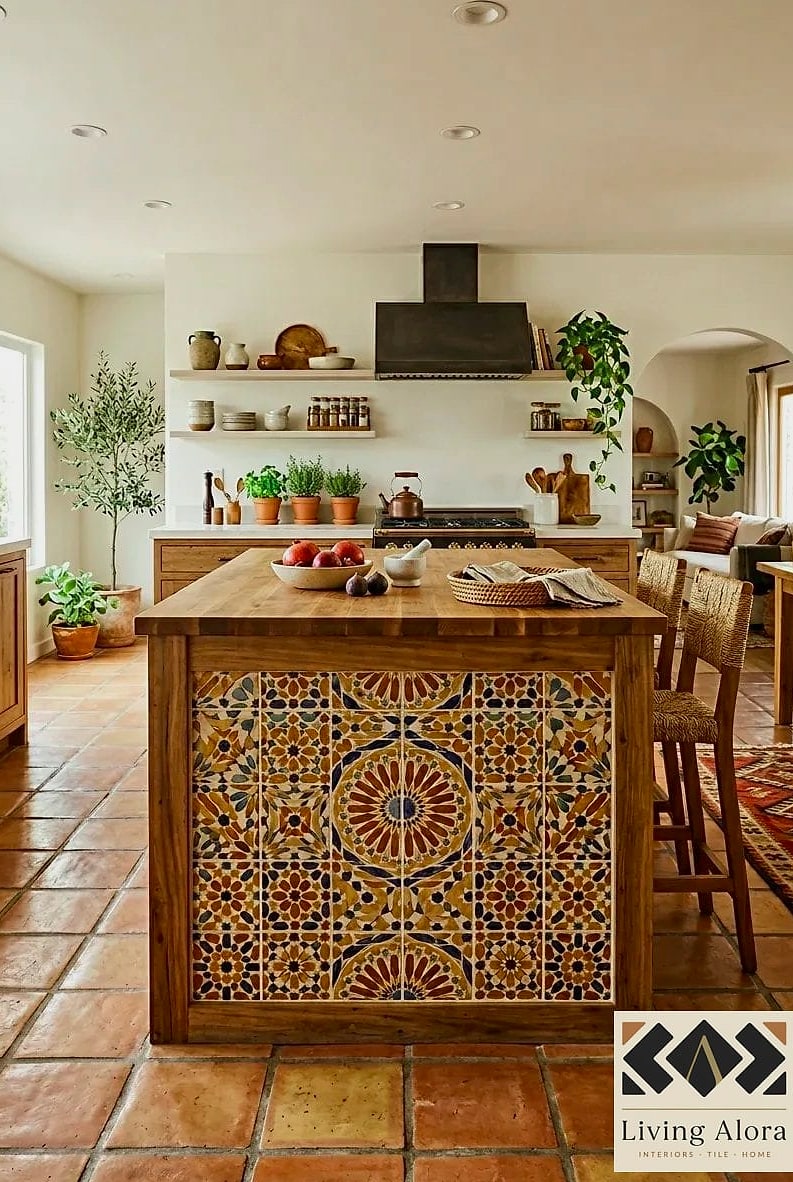
Instead of using Moroccan tile on a wall, try wrapping it around the base of a kitchen island. It turns a functional piece of furniture into something that actually draws the eye.
A patterned tile in blues or greens against white countertops feels fresh and a little unexpected. This is also a nice way to bring in Moroccan style without committing your entire kitchen to it, which is great if you’re testing the waters.
Neutral Moroccan Tile for a Minimalist Bathroom
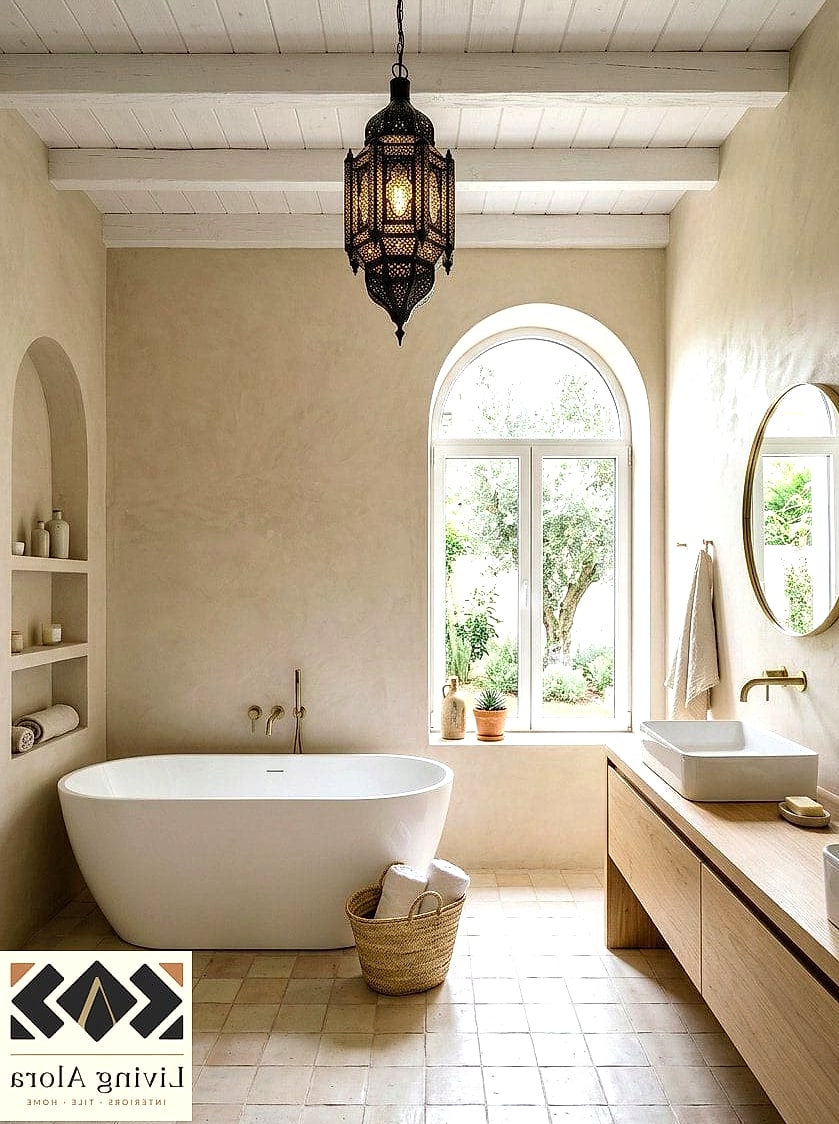
Moroccan tile doesn’t have to mean bold color. Cream, ivory, and soft gray versions of traditional patterns give you that same handcrafted texture with a much quieter overall look.
This is a great option if you love the pattern but live in a more Scandinavian or Japandi-leaning home. Pair it with matte black fixtures and simple open shelving so the tile texture does the talking instead of the color.
Moroccan Tile Accent Wall Behind a Bed
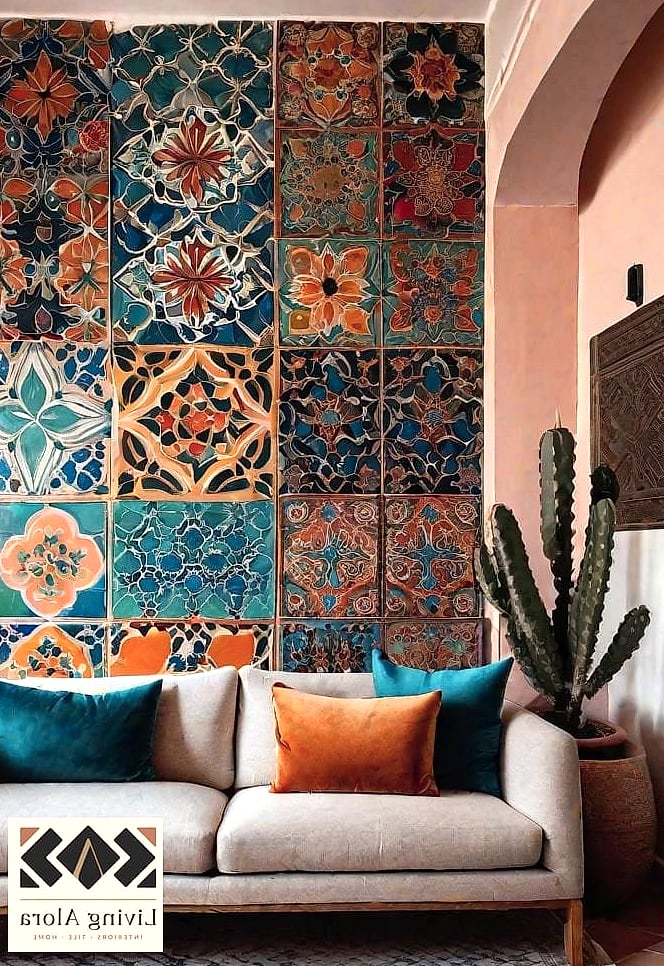
A tiled headboard wall sounds unusual until you see it done well. Applying Moroccan tile behind a bed frame, even just a partial section, creates a built-in focal point without hanging any art.
Peel-and-stick Moroccan-inspired tile has come a long way and works nicely here since bedroom walls don’t deal with moisture or heavy wear. It’s a renter-friendly way to try the look without a full installation commitment.
Moroccan Tile Fireplace Surround
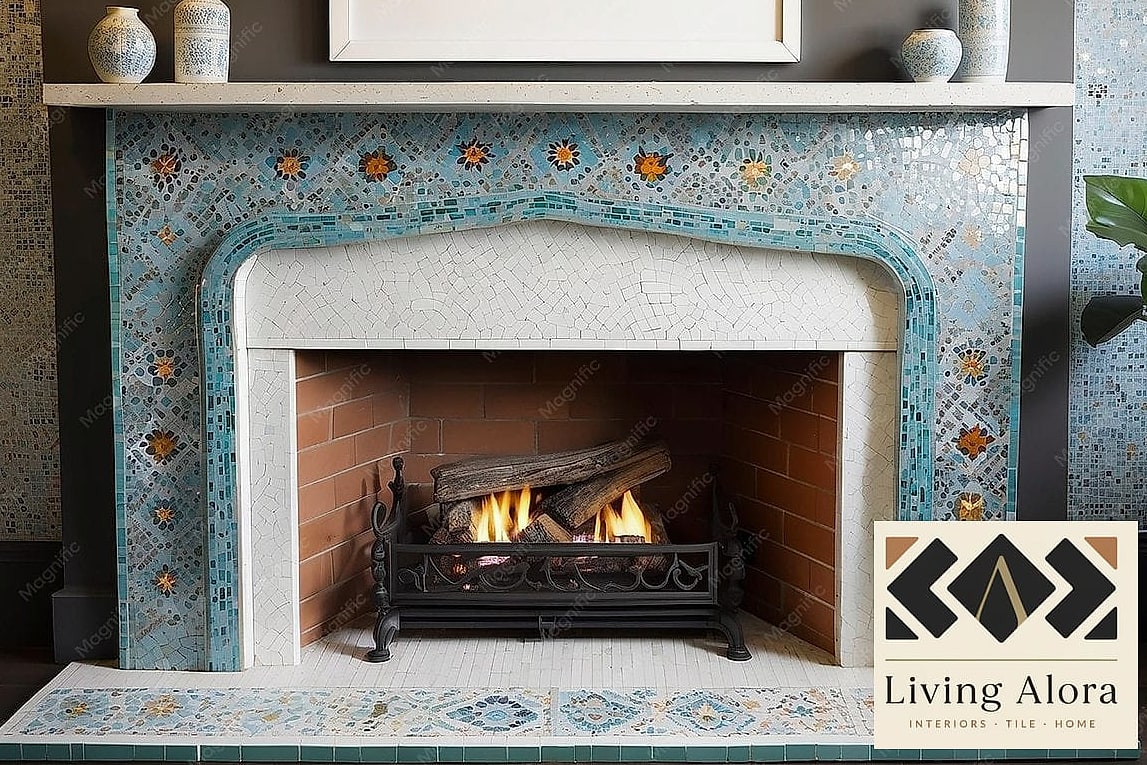
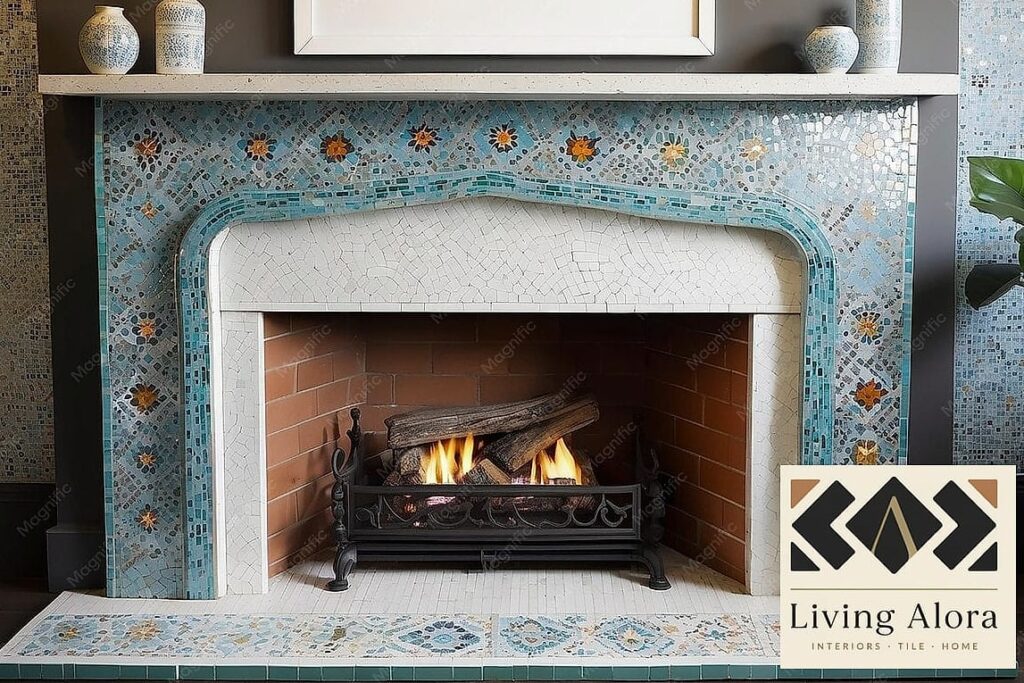
Swapping a plain brick or stone fireplace surround for patterned Moroccan tile instantly makes the living room feel more intentional. It becomes the thing people notice when they walk in.
Deeper jewel tones like emerald or navy look rich next to a wood mantel. Since this area doesn’t get wet, you have more flexibility with tile types, including some of the more delicate hand-painted options.
Budget-Friendly Peel-and-Stick Moroccan Tile Backsplash
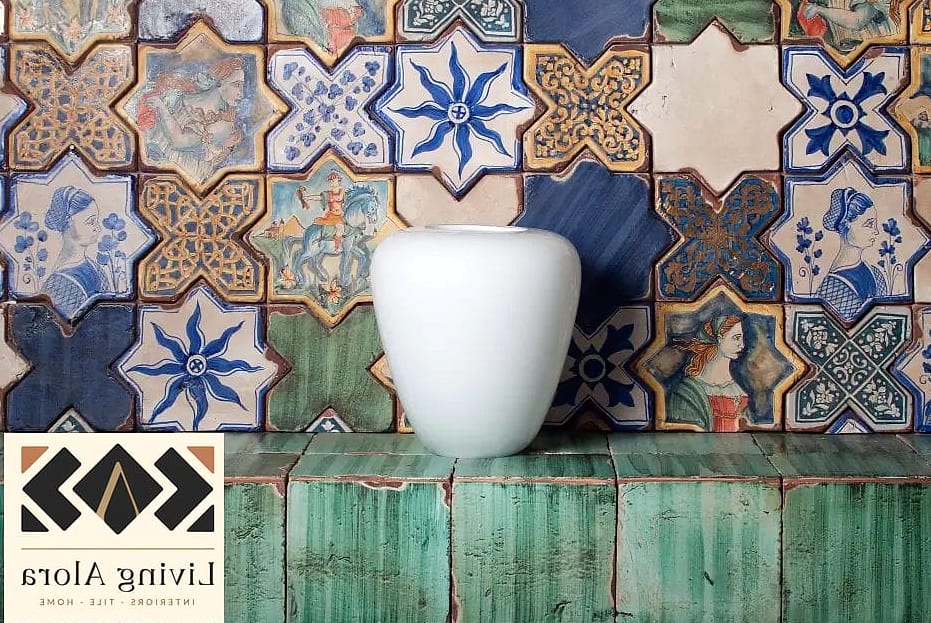
Not everyone wants to commit to a full tile install, and that’s fair. Peel-and-stick Moroccan pattern tile has gotten genuinely good looking in the last few years, with realistic texture printed right on the surface.
It’s ideal for renters or anyone wanting to test a pattern before going permanent. Application is a weekend project at most, no grout or tile spacers required, and it’s easy enough to remove down the line.
Moroccan Tile Laundry Room Floor

Laundry rooms are small enough that a bold tile floor doesn’t feel overwhelming, and this is honestly one of my favorite places to use a fun pattern. Nobody’s living in this room, so go a little wild.
A busy geometric print in blue and white keeps the space feeling cheerful instead of purely utilitarian. Porcelain holds up well here since laundry rooms deal with moisture and the occasional spill.
Moroccan Tile Powder Room Wraparound
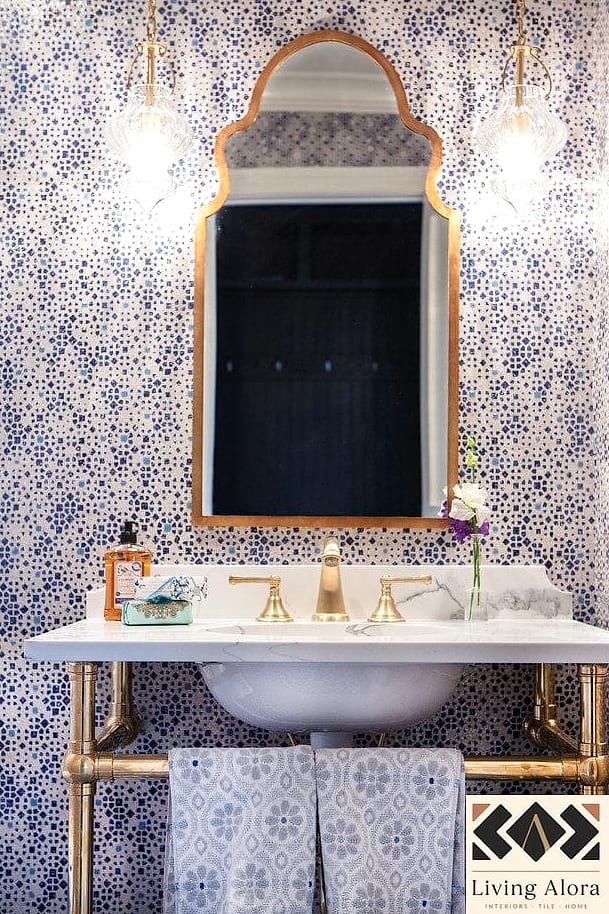
Powder rooms are tiny by nature, which makes them a great low-commitment spot to go bold. Wrapping Moroccan tile floor to about halfway up the wall, or even the whole way, turns a plain guest bathroom into a memorable little space.
Because the square footage is small, even a pricier tile stays affordable overall. This is where a lot of designers say to take the risk you might not take in a bigger room.
Green Moroccan Tile Kitchen Backsplash
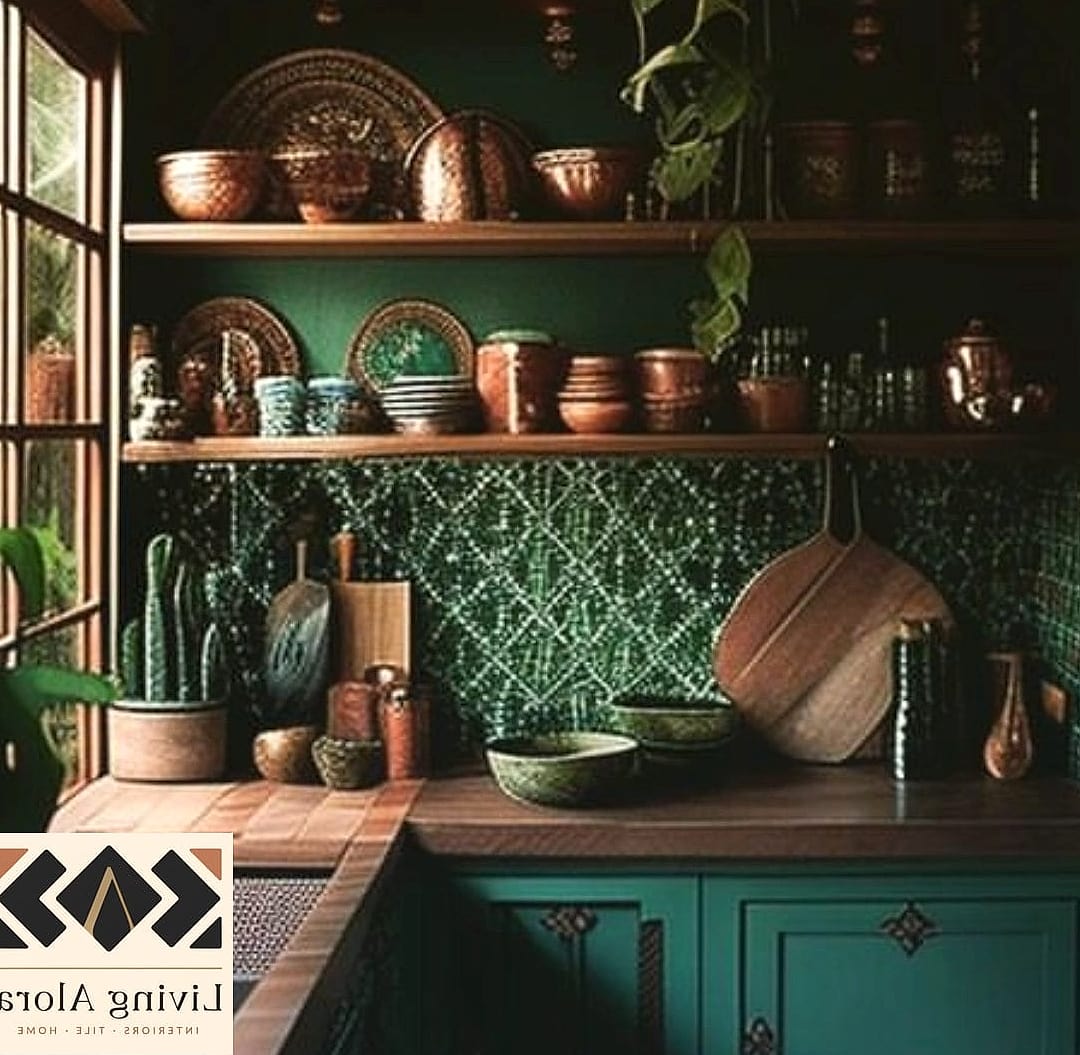
Green has been showing up everywhere in kitchen design lately, and Moroccan pattern tile in sage or emerald brings that trend in with more texture than a plain painted wall. It pairs nicely with warm wood tones and brushed brass hardware.
This works whether your cabinets are white, wood, or even a deeper green themselves for a tonal look. Keep countertops simple, like a light quartz or butcher block, so the backsplash pattern has room to stand out.
Moroccan Tile Outdoor Patio Table Inset

Moroccan tile isn’t just for indoors. Setting a tiled inset into a wood or concrete outdoor table gives your patio a bit of that riad courtyard feeling, especially with a bold pattern in blues and yellows.
Look for outdoor-rated porcelain since it needs to handle temperature swings and moisture better than typical ceramic. It’s a nice weekend DIY project if you’re comfortable working with tile adhesive and grout.
Moroccan Tile Staircase Riser Detail

This one’s a favorite for anyone wanting Moroccan style without touching a full floor or wall. Tiling just the risers, the vertical part of each stair step, while keeping the treads wood, gives you pattern in small, manageable doses.
It reads as intentional and custom, almost like a runner rug built right into the stairs. Mixing a few different Moroccan patterns across the risers instead of repeating one design adds even more personality.
Moroccan Tile Kitchen Nook Ceiling

Tiling a ceiling sounds unexpected, but in a small breakfast nook or reading corner, it creates this cozy, almost tent-like feeling when you look up. A patterned Moroccan tile overhead paired with simple white walls keeps it from feeling like too much.
This is more of a statement move, so it fits best in homes already leaning eclectic or maximalist. It’s not a weekend DIY though, so factor in hiring a tile installer comfortable working overhead.
High-End Hand-Painted Moroccan Tile Bathtub Surround
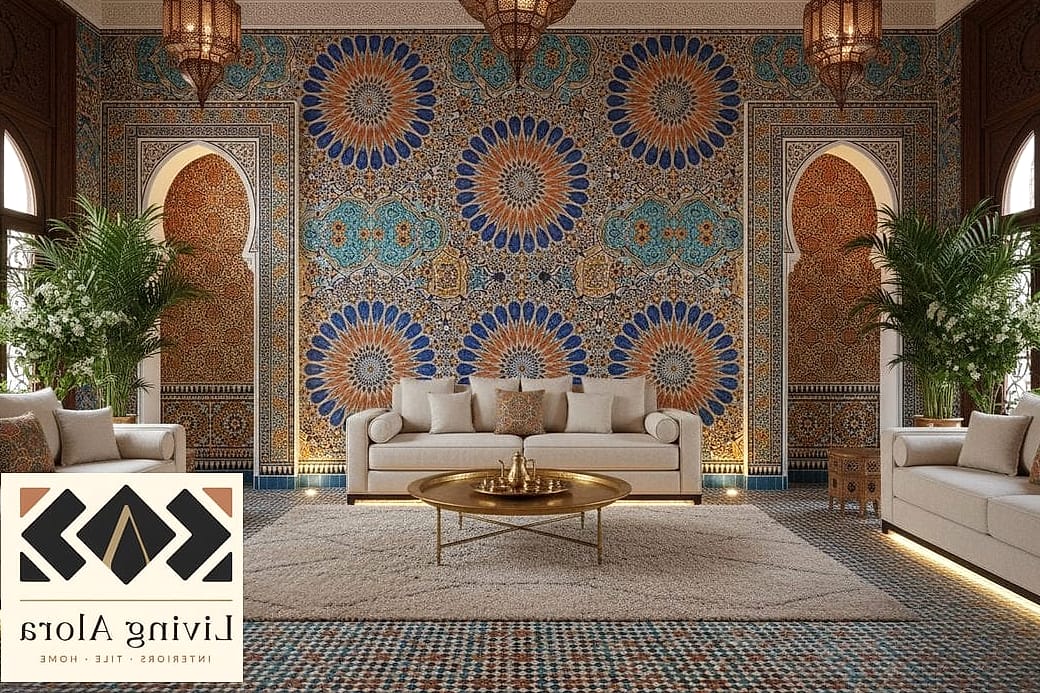
For a real splurge moment, hand-painted Moroccan tile around a freestanding tub turns bath time into something that feels almost like a spa. Each tile being slightly different by hand is part of the charm here, not a flaw.
This is an investment option, both in materials and installation labor, so it tends to show up in primary bathroom renovations rather than smaller guest baths. Balance the pattern with simple fixtures in matte black or brushed brass so the tile stays the focal point.
Whichever of these you gravitate toward, you really don’t need to tile an entire room to get that Moroccan feel into your home. A backsplash, a staircase riser, or even one peel-and-stick accent wall can do a lot of the visual heavy lifting. Start with the room you’re in most, see how you feel about the pattern living there, and go from there.