19 Modern Kitchen Ideas Worth Stealing From Interior Designers
- Waterfall Quartz Countertops
- Two-Tone Cabinetry
- Open Shelving with Curated Styling
- Zellige Tile Backsplash
- Matte Black Fixtures
- Wood Accent Ceilings
- Hidden Appliance Panels
- Statement Range Hoods
- Warm Neutral Color Palettes
- Butcher Block Island Top
- Arched Cabinet Doors and Openings
- Textured Plaster Walls
- Built-In Banquette Seating
- Brass and Unlacquered Brass Hardware
- Layered Lighting Design
- Herringbone Tile Flooring
- Curved Kitchen Islands
- Glass-Front Upper Cabinets
- Multi-Functional Pantry Zones
19 Modern Kitchen Ideas Worth Stealing From Interior Designers
If you’ve been scrolling through kitchen inspiration lately, you’ve probably noticed the same thing I have: modern kitchens today aren’t about stark, cold minimalism anymore. They’re warmer, more textured, and honestly a lot more livable. I’ve pulled together 19 ideas that designers keep coming back to, and I think you’ll find at least a few that fit your space perfectly.
Waterfall Quartz Countertops

This is one of those upgrades that instantly makes a kitchen feel more custom without requiring a full renovation. The countertop material wraps down the sides of the island instead of stopping at the edge, creating a seamless, sculptural look.
It works best on islands rather than perimeter counters, since that’s where the visual drama actually gets noticed. Quartz is the go-to material here because it’s durable, low-maintenance, and comes in enough veining patterns to mimic marble without the upkeep. Just know that a full waterfall edge does add to the cost, so budget accordingly if you’re working with a contractor.
Two-Tone Cabinetry
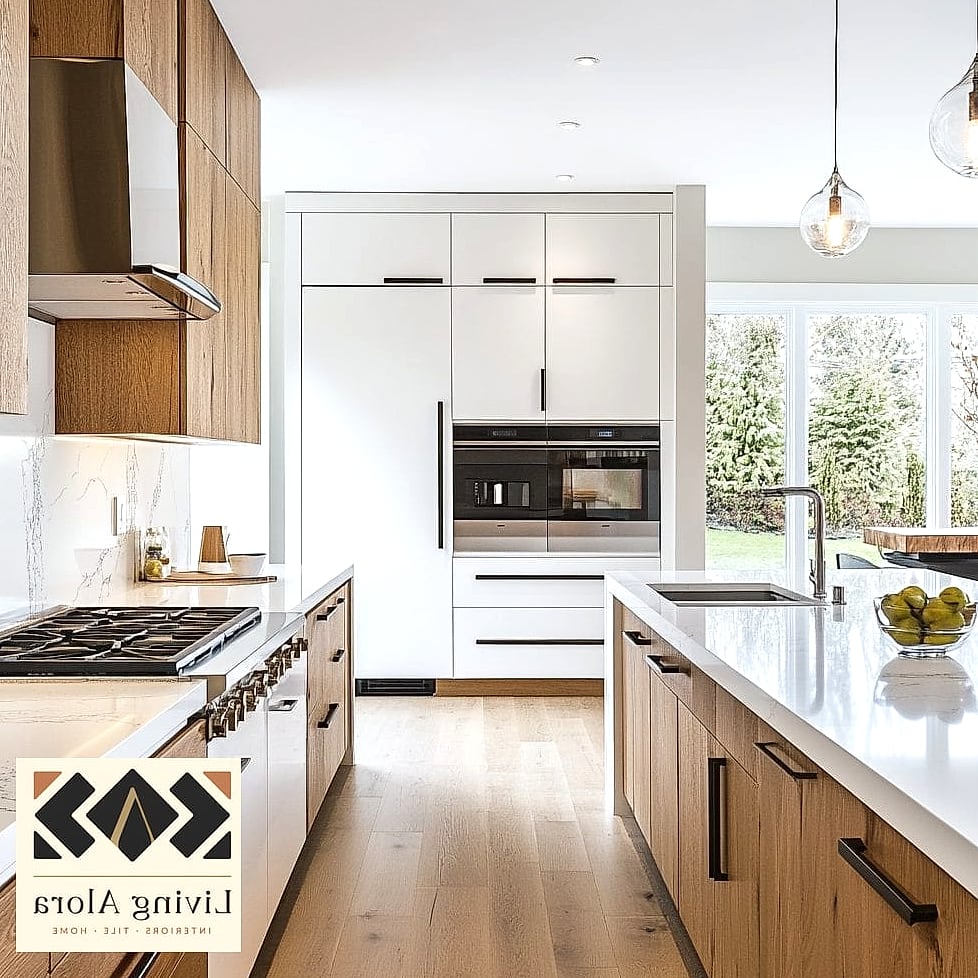
Instead of matching upper and lower cabinets, a lot of designers are mixing finishes now. Think white or cream uppers paired with a deep navy, forest green, or charcoal lower cabinet run.
This trick adds visual weight down low, which grounds the room, while keeping the top half light and airy. It’s especially useful in smaller kitchens where an all-dark palette might feel heavy. If you’re renting or not ready to commit, painting just the island a contrasting color is a lower-risk way to test the look.
Open Shelving with Curated Styling
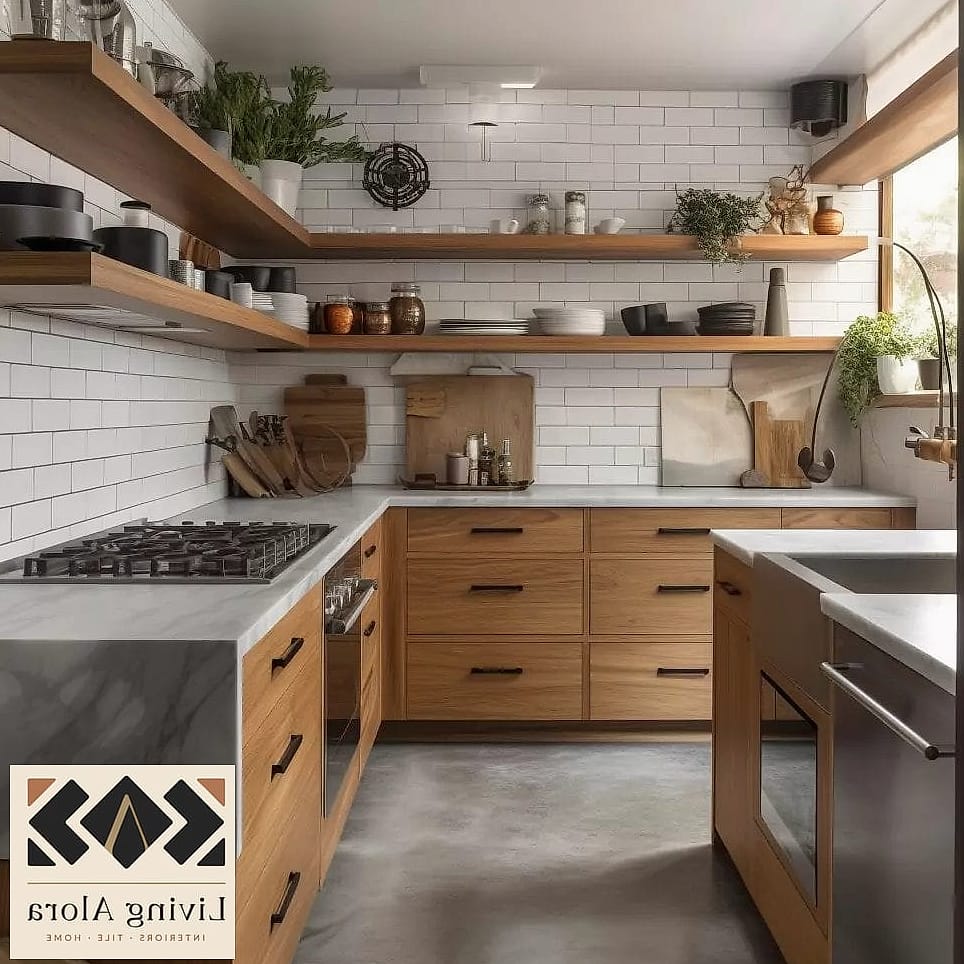
Floating shelves have stuck around because they genuinely open up a kitchen visually. Swapping out a few upper cabinets for open shelving gives you a spot to display everyday dishes, glassware, or a small collection of ceramics.
The key is not overloading them. Designers tend to style in odd numbers and leave breathing room between objects. This works great above a stove or flanking a window, but I’d skip it directly above a greasy cooktop unless you’re diligent about wiping things down weekly.
Zellige Tile Backsplash
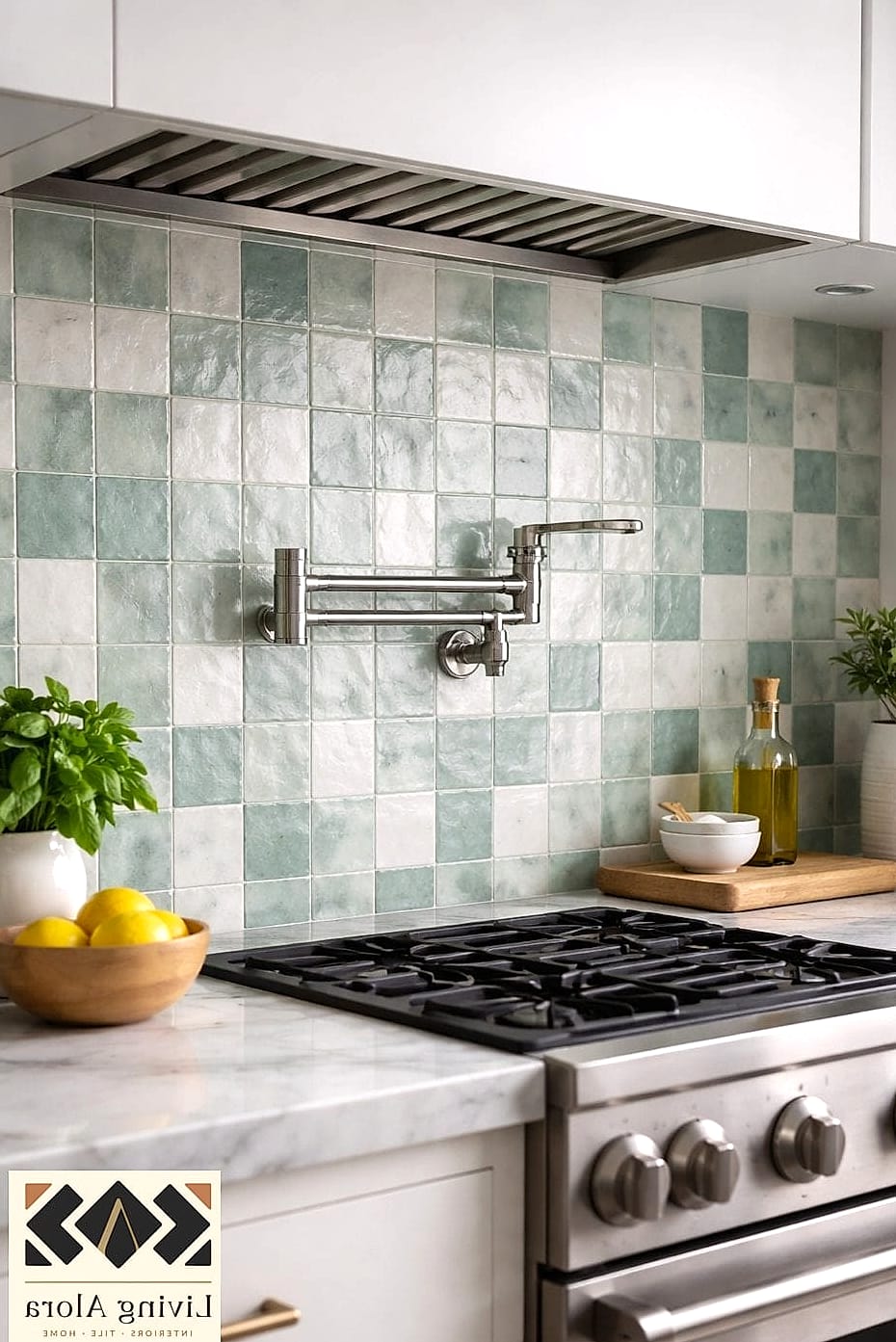
Zellige tile has that handmade, slightly imperfect look that makes a kitchen feel collected rather than showroom-perfect. Each tile has subtle variations in color and texture, so the backsplash catches light differently throughout the day.
It pairs beautifully with brass hardware and warm wood tones. The tradeoff is that authentic zellige is pricier and can be trickier to install because of its irregular shape, so hiring a tile setter with experience in it is worth the investment.
Matte Black Fixtures
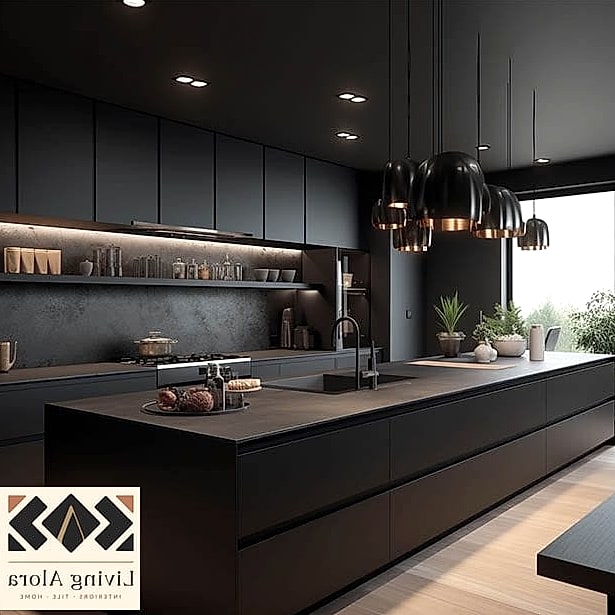
Matte black faucets, cabinet pulls, and pendant lights have had staying power because they add contrast without feeling trendy in a fleeting way. Against white or wood cabinetry, black hardware reads as intentional and a little bit moody in a good way.
They’re also fairly forgiving with fingerprints compared to polished chrome, which makes them a practical choice for busy family kitchens. If you want to soften the look, mix in a little brushed brass or unlacquered brass for warmth.
Wood Accent Ceilings
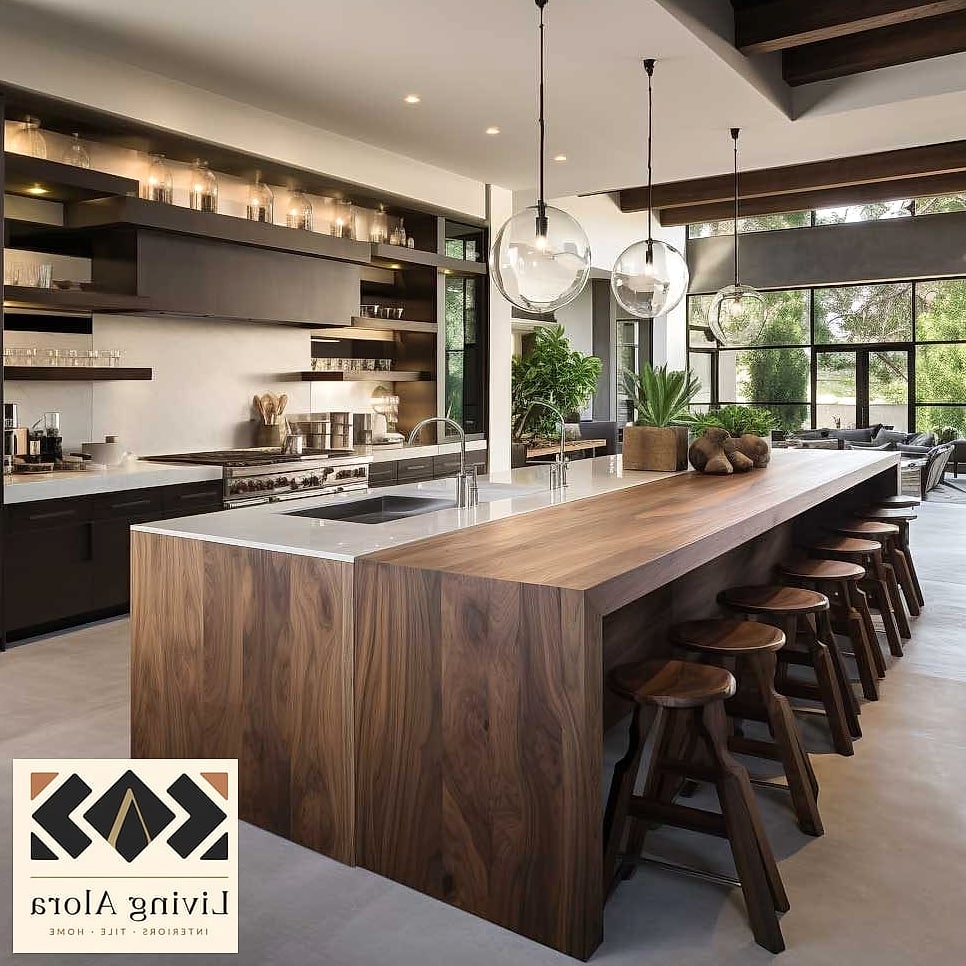
This one surprises people, but a wood-clad ceiling or a wood beam detail overhead adds so much coziness to what’s otherwise a very hard-surfaced room. Tile, stone, and metal appliances all benefit from having a warm material somewhere in the sightline.
It works especially well in kitchens with vaulted or high ceilings, where the extra height can otherwise feel a bit sterile. Reclaimed wood planks or even a simple tongue-and-groove pine ceiling gets the job done without a huge budget.
Hidden Appliance Panels
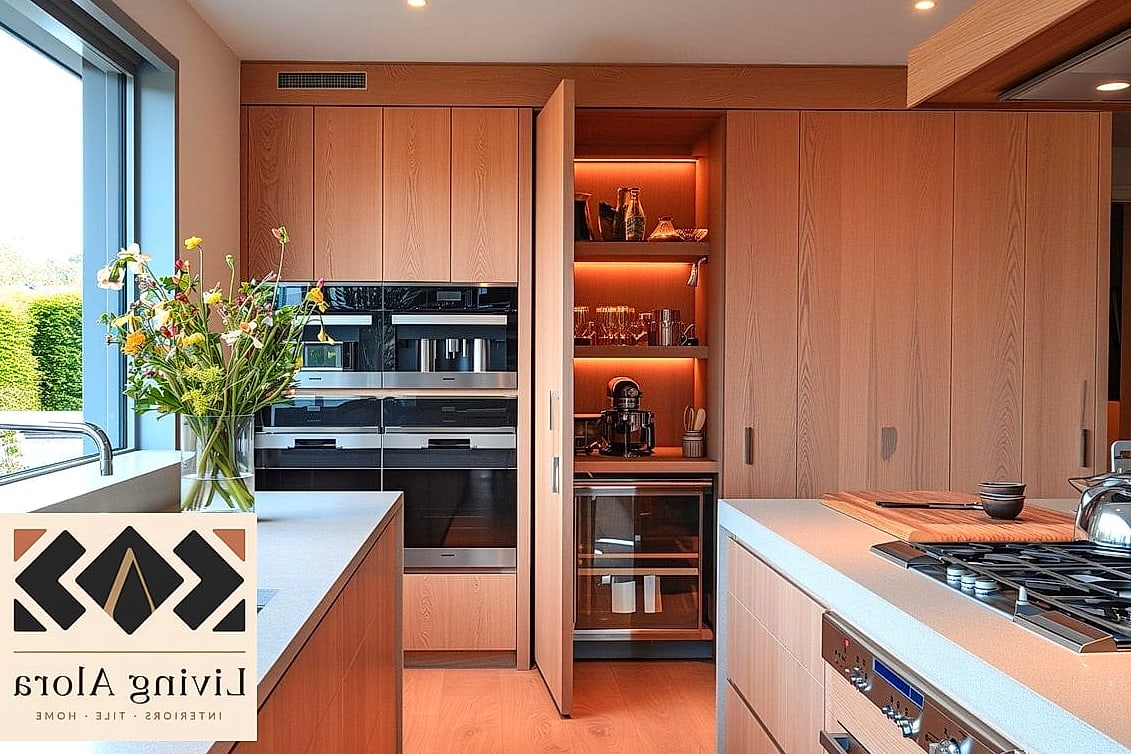
Integrated paneling that disguises your fridge and dishwasher behind cabinet fronts is a favorite trick for a cleaner, more custom look. Instead of stainless steel breaking up your cabinetry, everything reads as one continuous run.
This is more of a splurge item since it usually requires panel-ready appliances, but it makes a huge difference in smaller kitchens where every visual break matters. If a full panel-ready fridge isn’t in the cards, even a paneled dishwasher can make a noticeable dent.
Statement Range Hoods
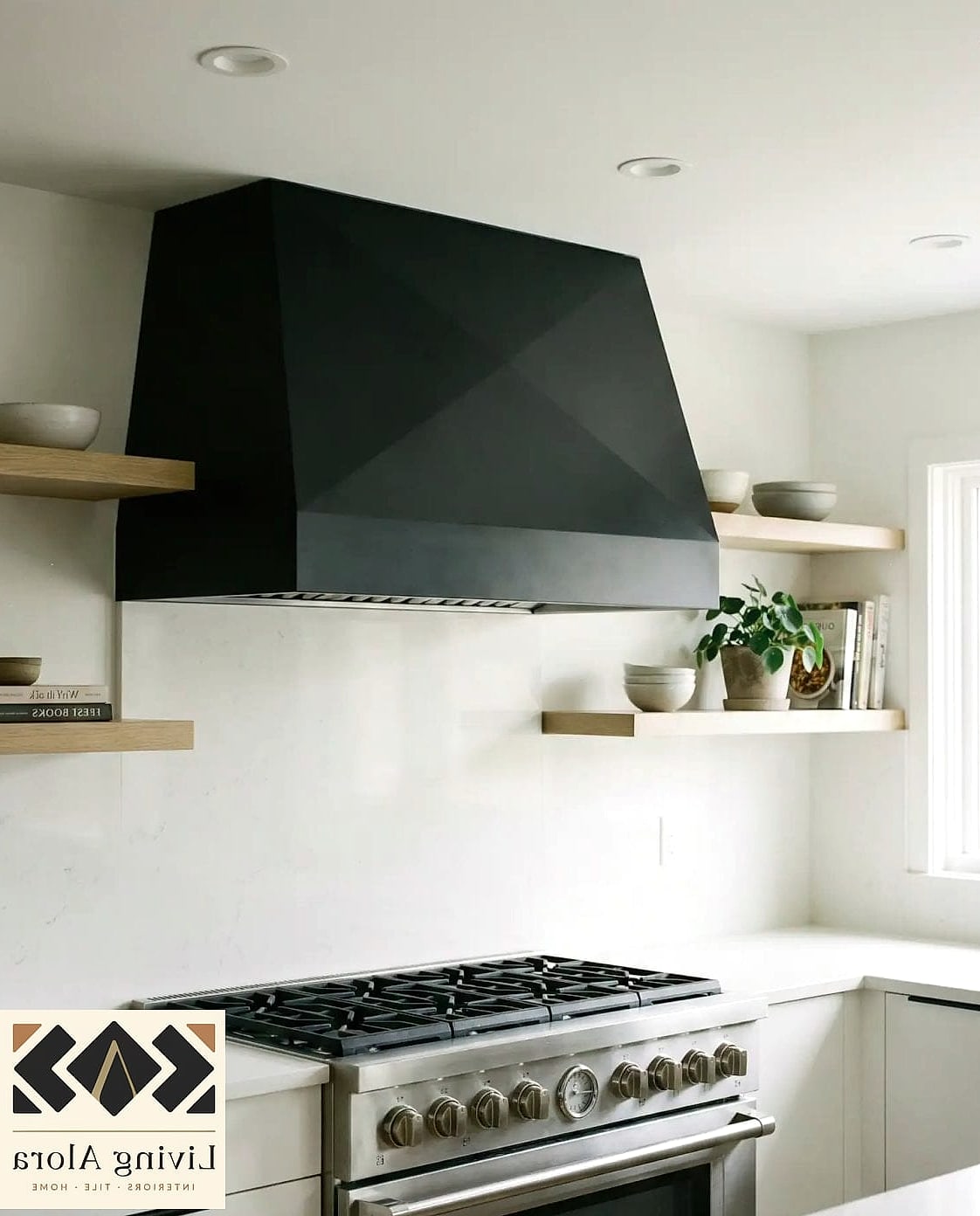
A plastered, wood-clad, or tiled range hood has become a real focal point in modern kitchens rather than something to hide. Designers are treating the hood almost like a piece of furniture now.
It works particularly well over an island cooktop where there’s nothing else competing for attention. Plaster hoods have a soft, sculptural quality, while tiled hoods can pick up the same material as your backsplash for a cohesive look.
Warm Neutral Color Palettes
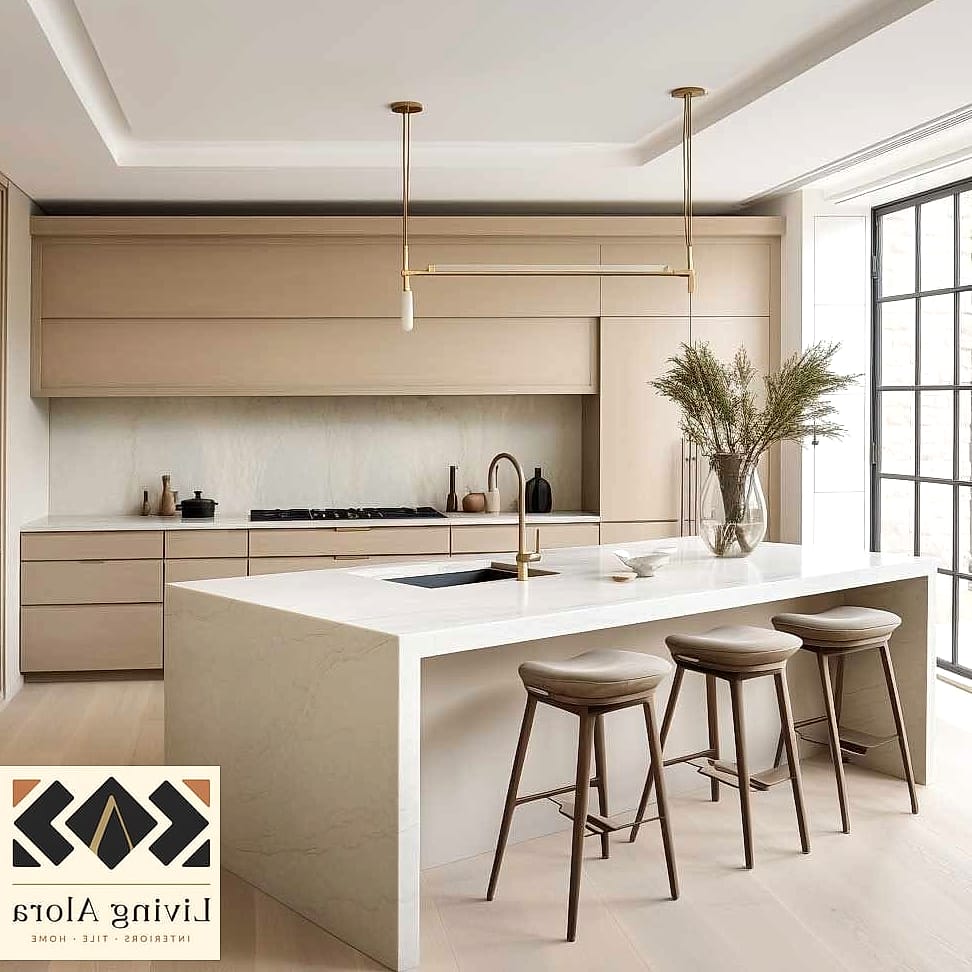
Stark white kitchens are giving way to warmer neutrals like greige, warm taupe, and soft oat tones. These colors photograph beautifully but also just feel nicer to live with day to day, especially in kitchens without a ton of natural light.
Warm neutrals pair well with both matte black and brass hardware, so you’re not locked into one hardware direction. They also tend to hide everyday smudges better than bright white does, which is a small but real practicality win.
Butcher Block Island Top
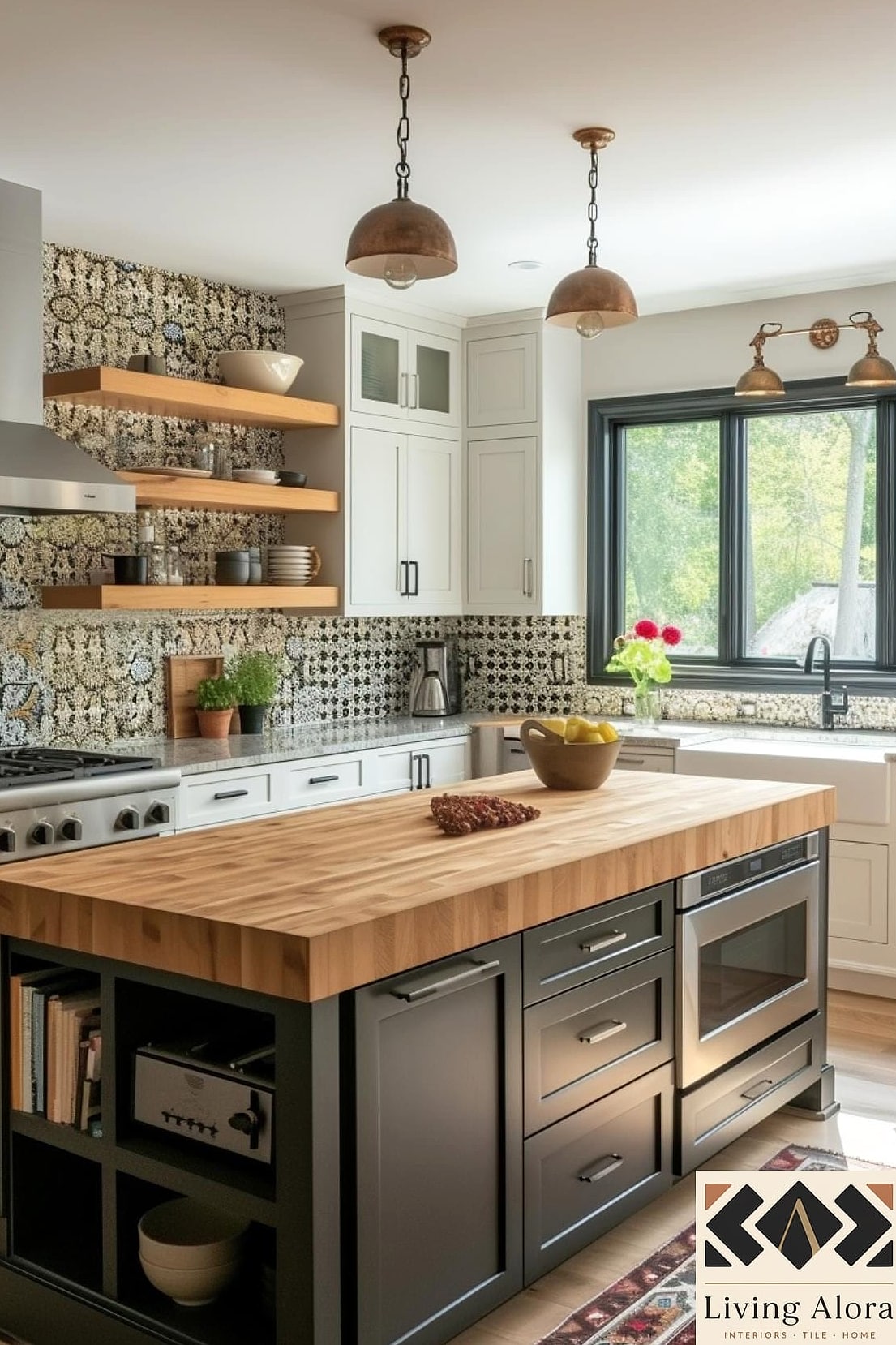
Mixing countertop materials is a simple way to add texture without overhauling the whole kitchen. A butcher block top on just the island, while the perimeter stays quartz or stone, creates a nice visual break and gives you a dedicated spot for chopping.
Butcher block does require occasional oiling to keep it from drying out, so it’s a bit more hands-on than quartz. But the warmth it brings to the room is hard to replicate with any other material.
Arched Cabinet Doors and Openings

Soft, arched lines are showing up on cabinet fronts, open shelving nooks, and even pass-through openings between the kitchen and dining area. It’s a subtle way to break up all the straight lines and right angles that dominate most kitchens.
An arched niche above the stove for spices or oils is a particularly popular detail right now. It doesn’t need to be structural either; a lot of these are decorative inserts added during a cabinet refresh.
Textured Plaster Walls
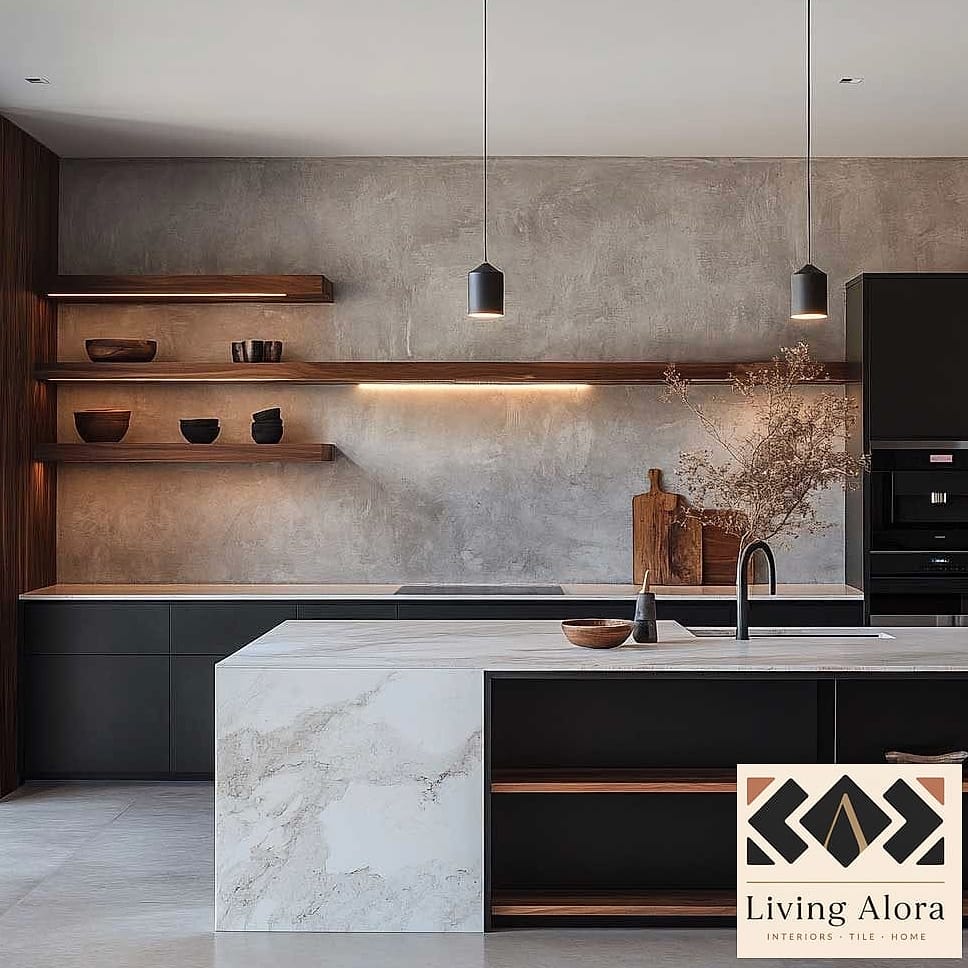
Instead of smooth drywall, some designers are finishing kitchen walls (or just an accent wall) in a lightly textured plaster or limewash finish. It adds depth and a handmade quality that flat paint just can’t match.
This works especially well in kitchens going for a European or organic modern look. It’s not the easiest DIY project, so budget for a plasterer if you want it done well, though there are beginner-friendly limewash kits for smaller accent areas.
Built-In Banquette Seating
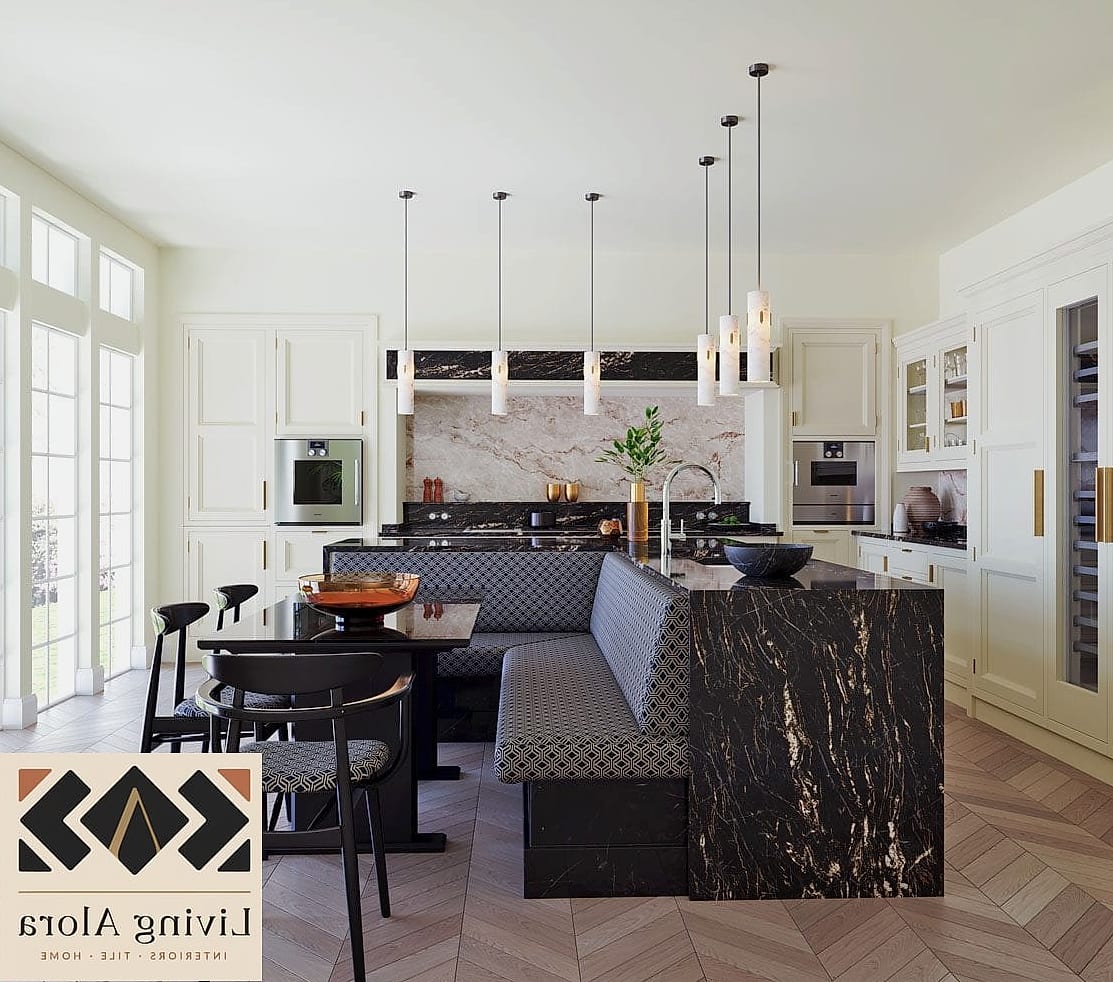
A built-in bench with a table, tucked into a kitchen corner or bay window, makes such good use of awkward space. It’s cozier than a standalone breakfast nook set and usually comes with hidden storage underneath the seat.
This is a great family-friendly solution since it seats more people in less square footage than individual chairs would. Just measure carefully before committing, since a banquette that’s too tight will feel more like a booth at a diner than a comfortable dining spot.
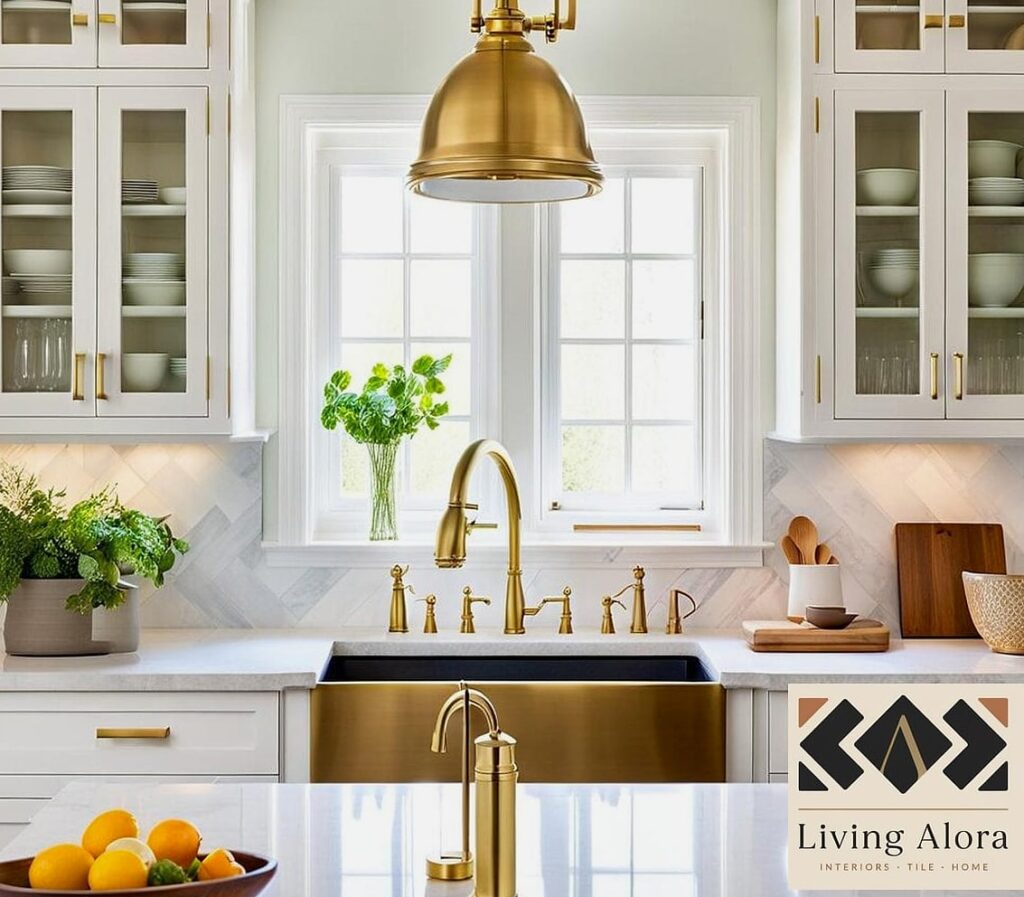
Brass and Unlacquered Brass Hardware

Cabinet pulls, faucets, and even lighting in unlacquered brass have become a favorite because the metal develops a soft patina over time instead of staying shiny and new-looking. Some people love watching it age; others polish it back up. Either way works.
It brings warmth into kitchens that lean cooler with white cabinetry and stone counters. If full brass fixtures feel like too much commitment, starting with just the cabinet hardware is an easy, lower-cost way in.
Layered Lighting Design
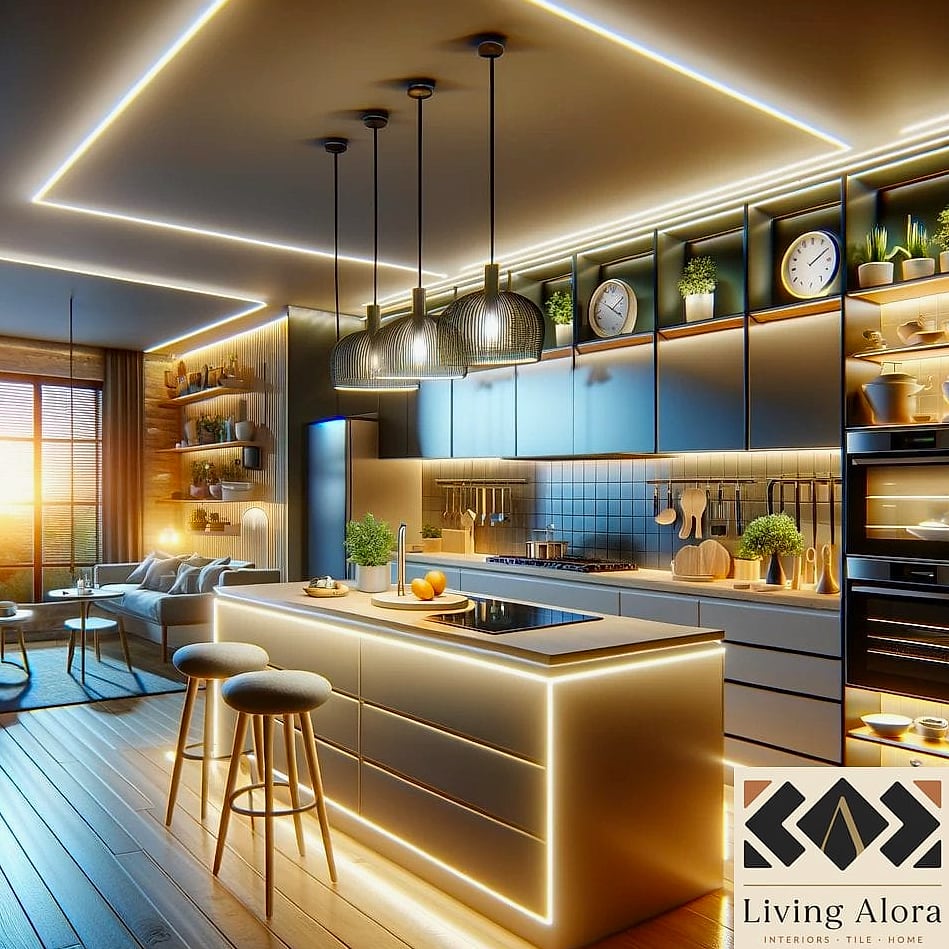
Instead of relying on one overhead fixture, designers are layering ambient, task, and accent lighting throughout the kitchen. That usually means recessed cans for general light, pendants over the island for task lighting, and under-cabinet strips for counter work.
This layered approach makes the kitchen far more functional at night and gives you flexibility to dim things down for a cozier feel during dinner. It’s also one of the more affordable upgrades if you’re doing a lighter refresh rather than a gut renovation.
Herringbone Tile Flooring

A herringbone pattern, whether in wood-look porcelain tile or actual hardwood, adds movement to the floor that a straight-lay pattern just doesn’t. It’s a small detail that makes people pause and notice the room.
Porcelain tile in a herringbone layout is a smart pick for kitchens since it holds up to spills and foot traffic better than real wood. It does take longer to install because of all the cuts involved, so factor that into your labor cost if you’re hiring it out.
Curved Kitchen Islands
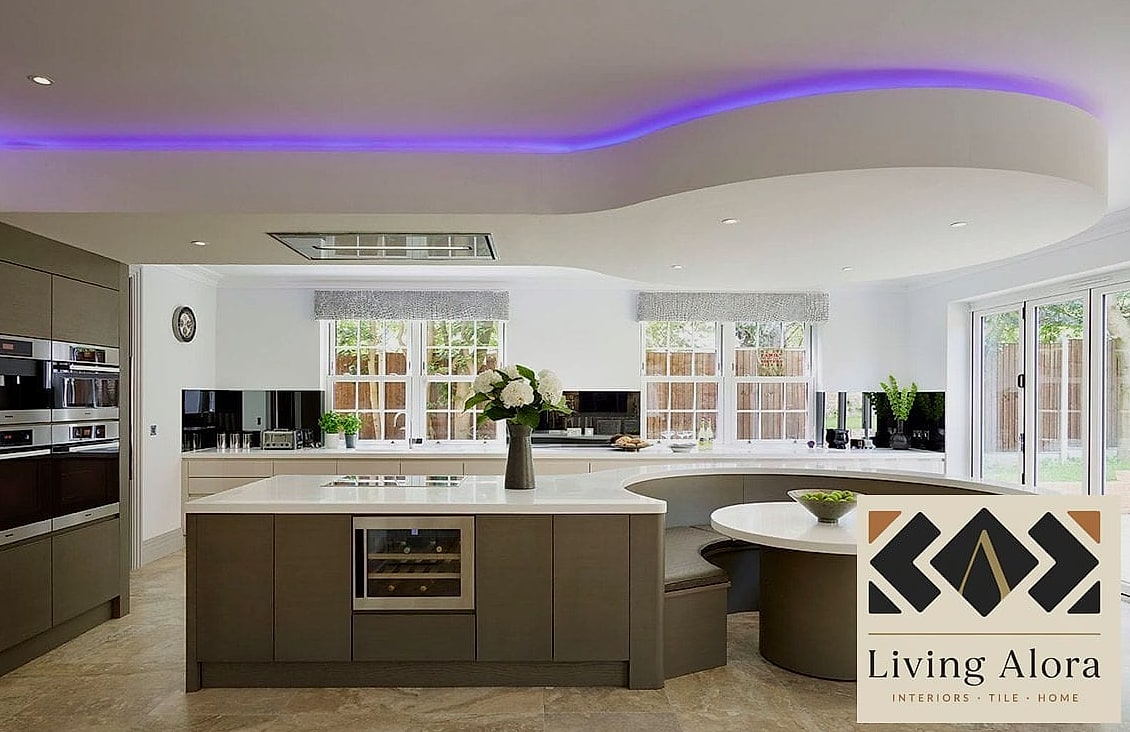
Sharp-edged islands are getting softened up with curved corners or fully rounded ends. Beyond looking a little more sculptural, rounded edges are genuinely more practical if you’ve got kids running through the kitchen or just tend to bump into things (no judgment, we’ve all been there).
Curved islands work particularly well in open-concept layouts where the island needs to relate to both the kitchen and the living space. They’re a bit more custom to build, so expect a slightly higher price tag than a standard rectangular island.
Glass-Front Upper Cabinets

Swapping a few solid cabinet doors for glass fronts adds visual interest and a spot to show off nice dishware without going fully open-shelf. It reads as more polished than open shelving while still breaking up a wall of solid wood or painted doors.
Fluted or reeded glass is popular right now if you want the look without your cabinet contents being fully on display. This is a great option if you like the idea of open shelving but aren’t thrilled about dusting everything constantly.
Multi-Functional Pantry Zones

The walk-in pantry has evolved into more of a working second kitchen, with counter space for small appliances, open shelving for pantry staples in labeled bins and baskets, and sometimes even a small prep sink. It keeps the main kitchen looking clean since all the clutter has a dedicated home.
This is especially popular in family kitchens where counter space is at a premium. Even without a full walk-in, a reach-in pantry with pull-out drawer organizers and clear bins can accomplish a lot of the same organizational benefits on a smaller scale.
Any one of these ideas can be pulled off on its own, so don’t feel like you need to overhaul your entire kitchen to get that designer-approved look. Pick the one or two that fit your space and budget best, and build from there. That’s honestly how most great kitchens come together anyway, one thoughtful decision at a time.