30 Herringbone Tile Ideas That Maximize Style and Function
- Classic White Herringbone Backsplash
- Wood-Look Herringbone Flooring
- Marble Herringbone Bathroom Floor
- Herringbone Shower Wall
- Two-Tone Herringbone Pattern
- Herringbone Accent Wall
- Small-Format Mosaic Herringbone
- Herringbone Kitchen Island Backsplash
- Slate Herringbone for Rustic Spaces
- Herringbone Laundry Room Floor
- Chevron vs Herringbone Mix
- Herringbone Fireplace Surround
- Herringbone Entryway Tile
- Herringbone Pattern in Neutral Tones
- Black and White Herringbone Floor
- Herringbone Tile with Wood Accents
- Herringbone Backsplash Behind Open Shelving
- Textured Zellige Herringbone
- Herringbone Tile for a Mudroom Bench Area
- Blue Herringbone Bathroom Tile
- Herringbone Tile Runner in a Hallway
- Large-Format Herringbone Tile
- Herringbone Pattern on a Kitchen Floor
- Copper and Terracotta Herringbone
- Herringbone Tile Behind a Vanity Mirror
- Herringbone Tile for a Pet-Friendly Mudroom
- Herringbone Tile with a Contrasting Grout Line
- Herringbone Tile for a Reading Nook or Sunroom
- Peel-and-Stick Herringbone Tile
- Herringbone Tile as a Border or Inset
30 Herringbone Tile Ideas That Maximize Style and Function
Herringbone tile has this way of making a space feel intentional. It’s not just a pattern, it’s a whole mood shift in a room. If you’ve been scrolling for inspiration and landed here, you’re probably trying to figure out where this zigzag magic actually makes sense in your home. Let’s get into thirty ways to use it that go beyond the classic kitchen backsplash.
Classic White Herringbone Backsplash
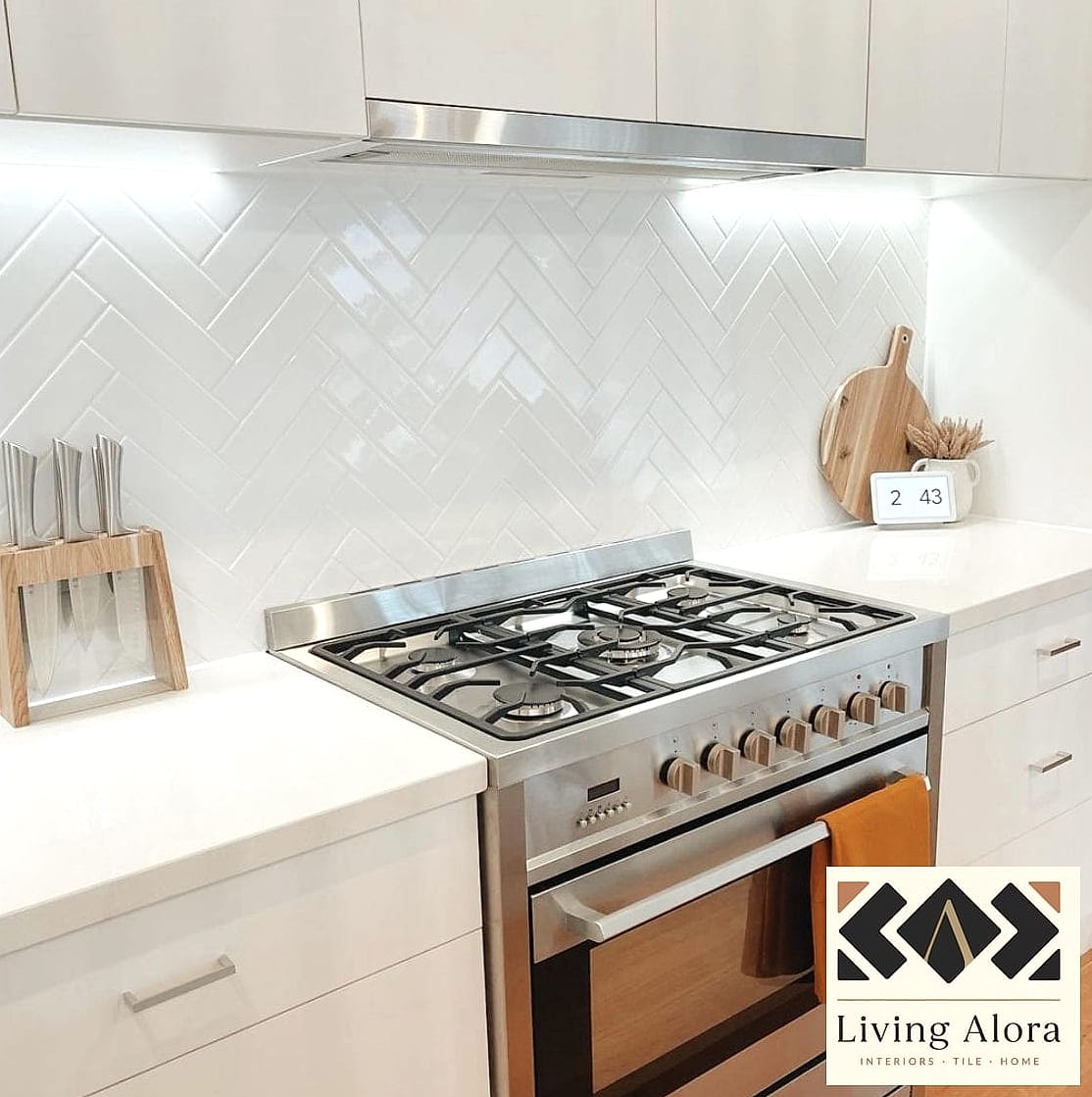
This is the one most people picture first, and for good reason. White subway-style pieces laid in a herringbone pattern behind the stove or sink add texture without adding color. It works in nearly any kitchen style, from farmhouse to modern. Pair it with brushed brass hardware for warmth or black fixtures for contrast.
Wood-Look Herringbone Flooring
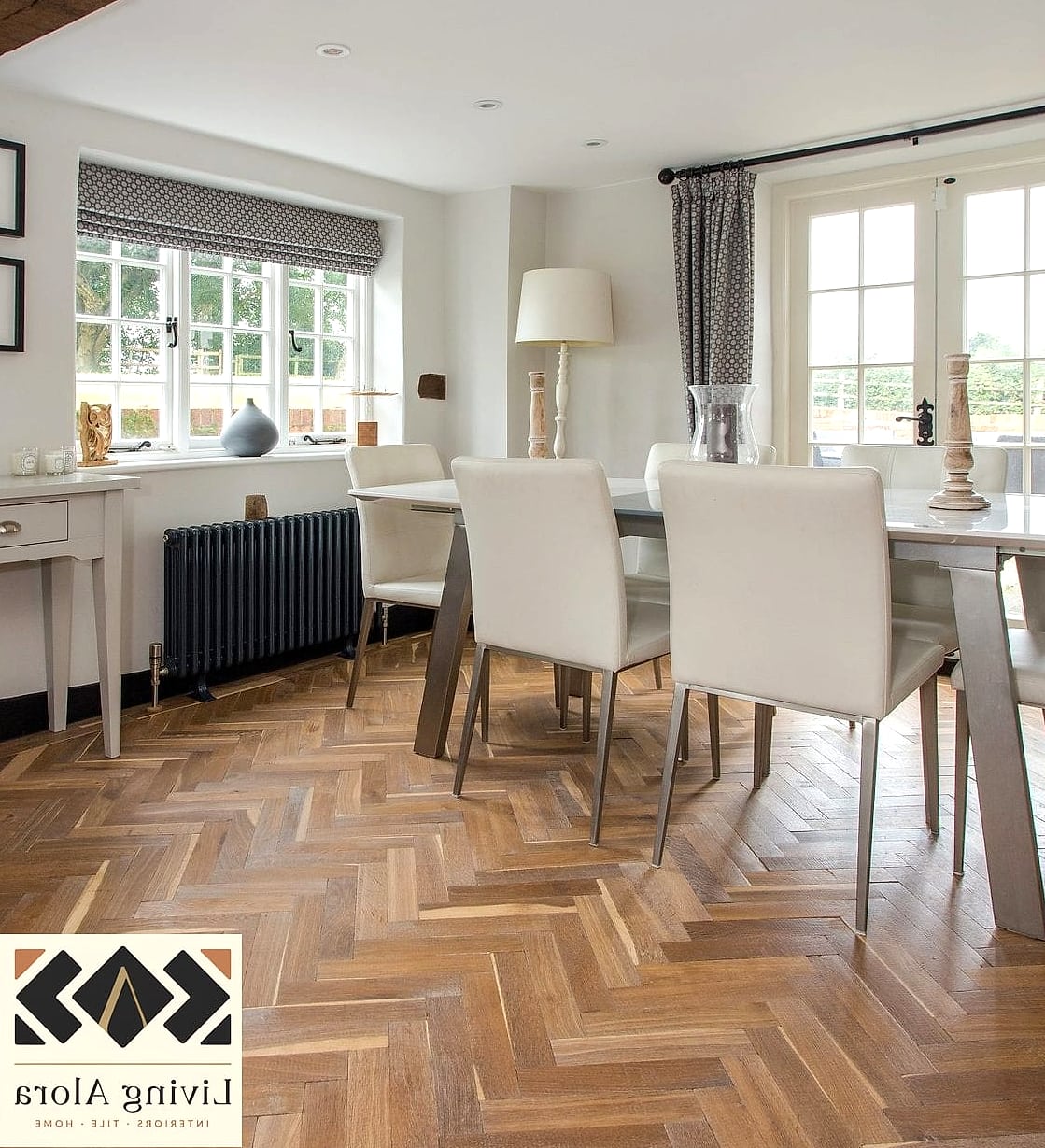
Porcelain tile made to look like wood planks, arranged in herringbone, gives you that old-world European floor look with none of the water damage worries. This is a favorite for entryways and kitchens where spills happen often. It’s more durable than actual hardwood and honestly easier to keep clean.
Marble Herringbone Bathroom Floor
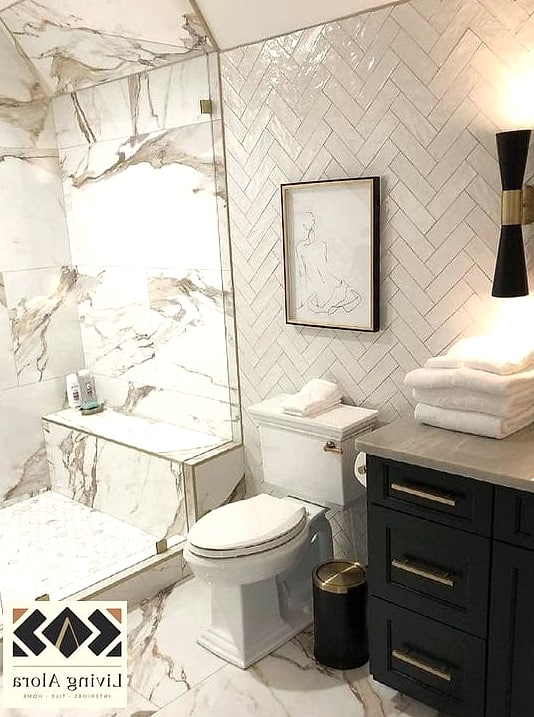
Small marble pieces in herringbone turn a bathroom floor into something that feels almost like a boutique hotel. The veining catches the light differently depending on the angle you lay each piece. It does require sealing occasionally, but the payoff is a floor that photographs beautifully.
Herringbone Shower Wall
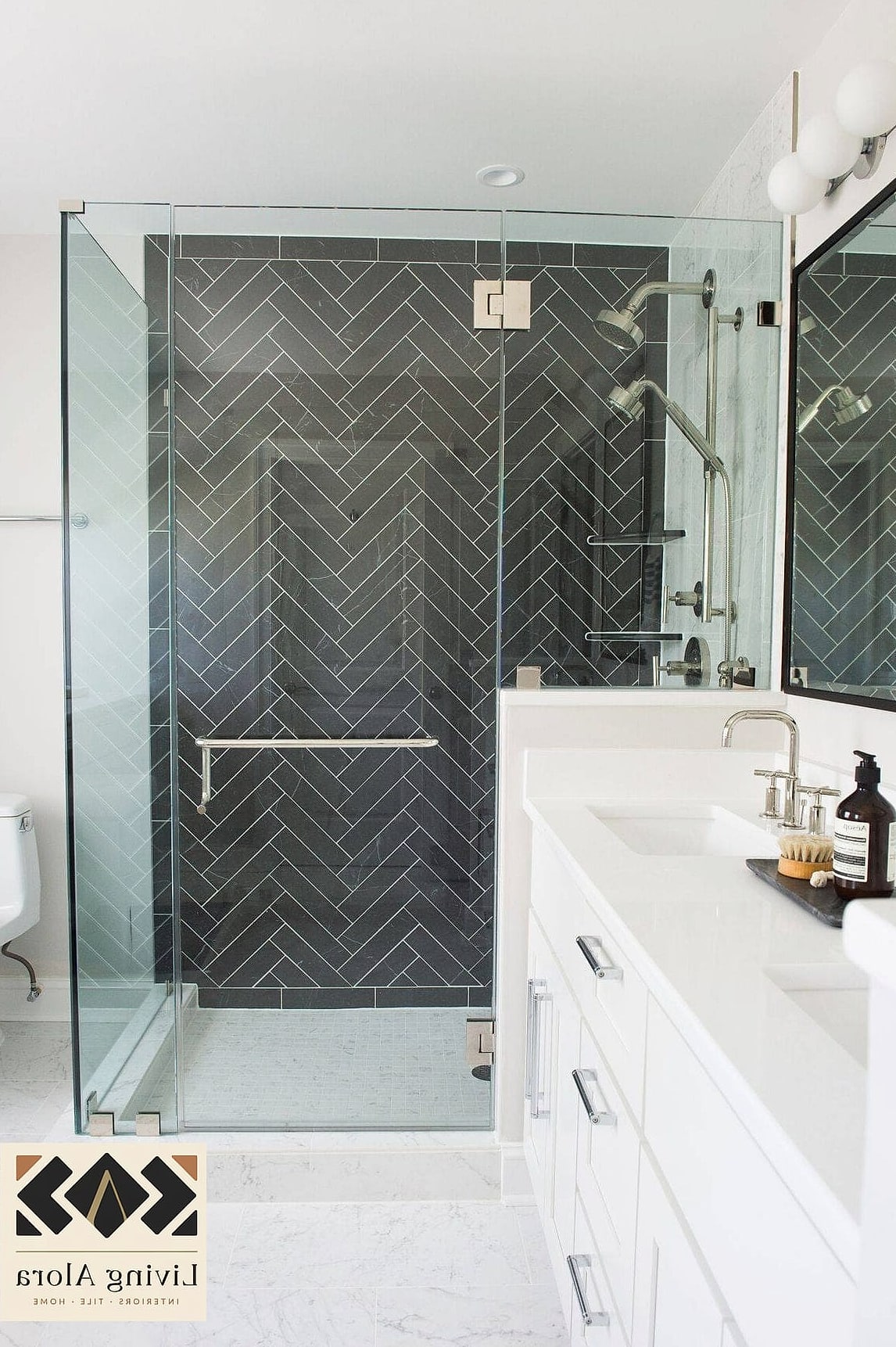
Instead of the usual vertical subway tile in a shower, try herringbone from floor to ceiling. It adds movement to a space that’s otherwise pretty flat and functional. Go with a neutral palette so it doesn’t compete with your shower fixtures.
Two-Tone Herringbone Pattern
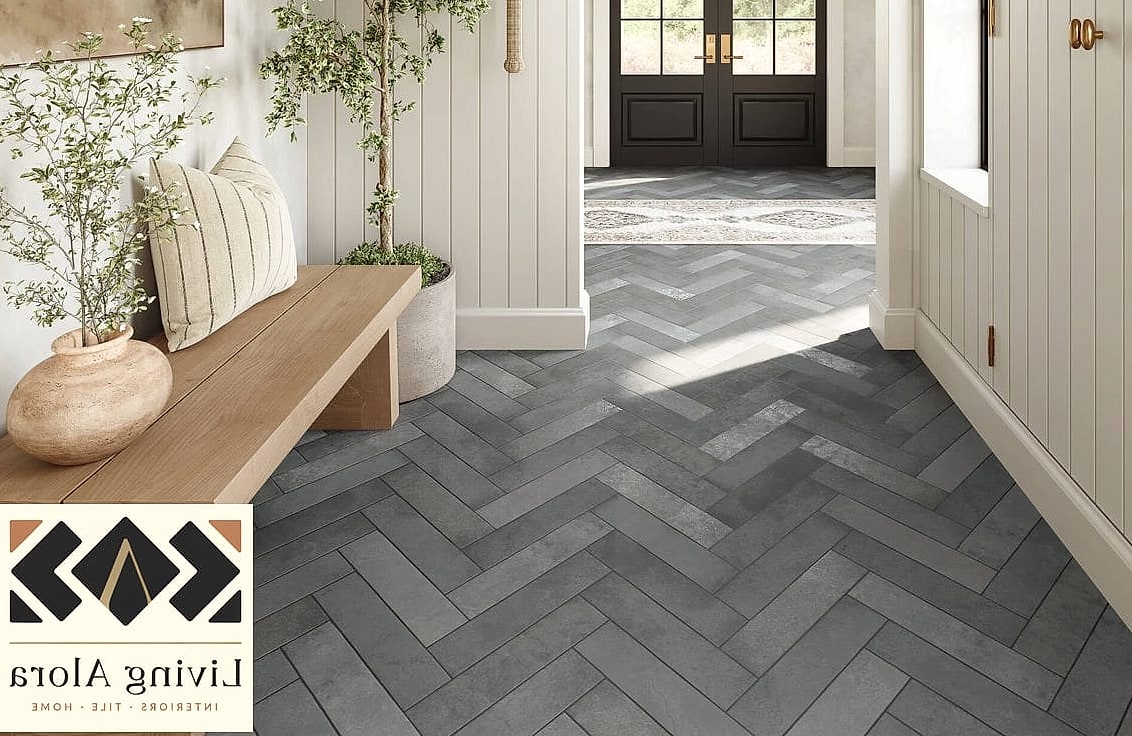
Alternating two colors, like a soft gray and white, creates a more graphic, almost woven look. This works especially well in laundry rooms or mudrooms where you want a little personality underfoot. It’s a fun way to sneak in color without going overboard.
Herringbone Accent Wall
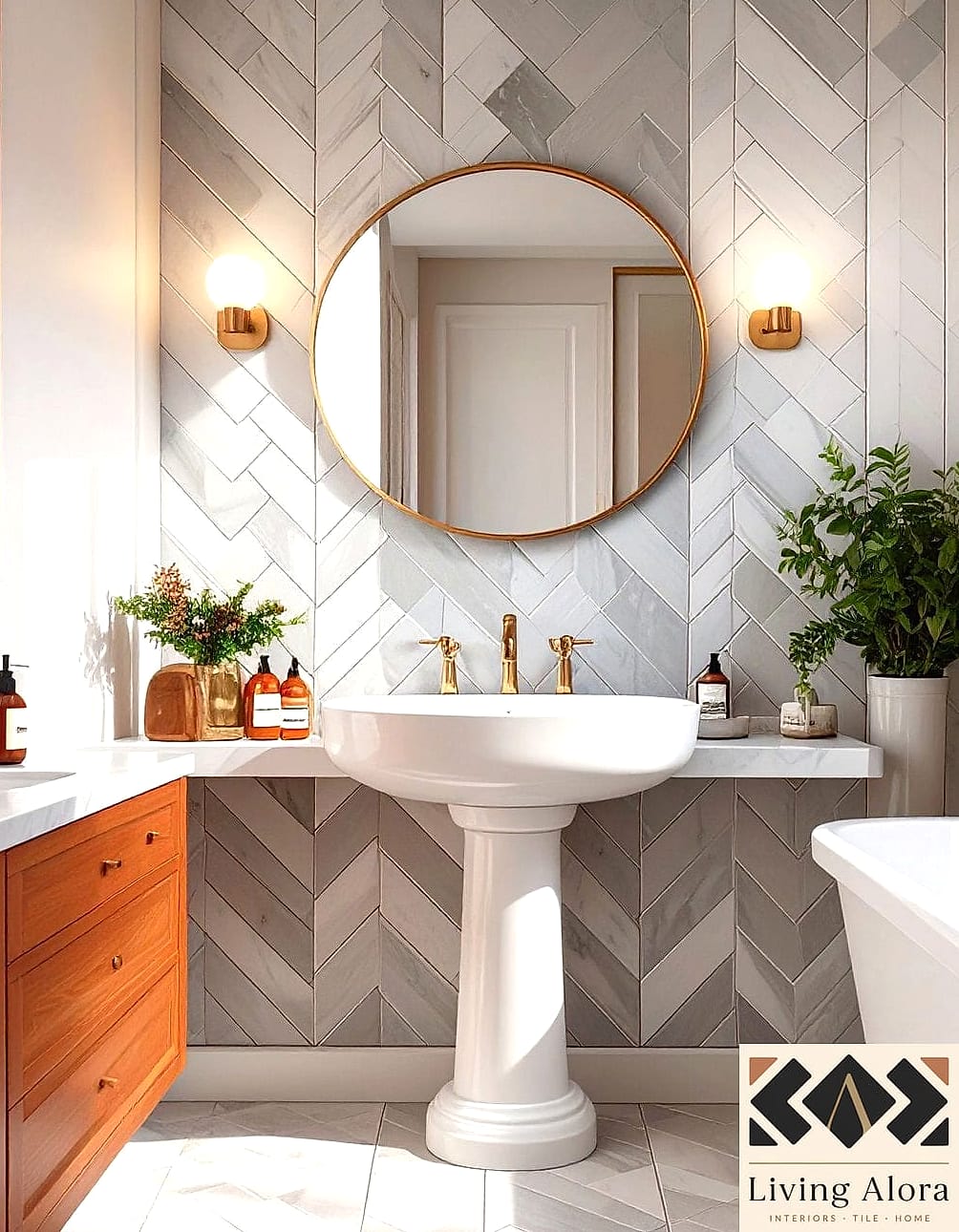
Not every herringbone project has to be on the floor. A fireplace surround or a single accent wall done in this pattern draws the eye immediately. Natural stone or matte ceramic both work here depending on whether you want rustic or refined.
Small-Format Mosaic Herringbone
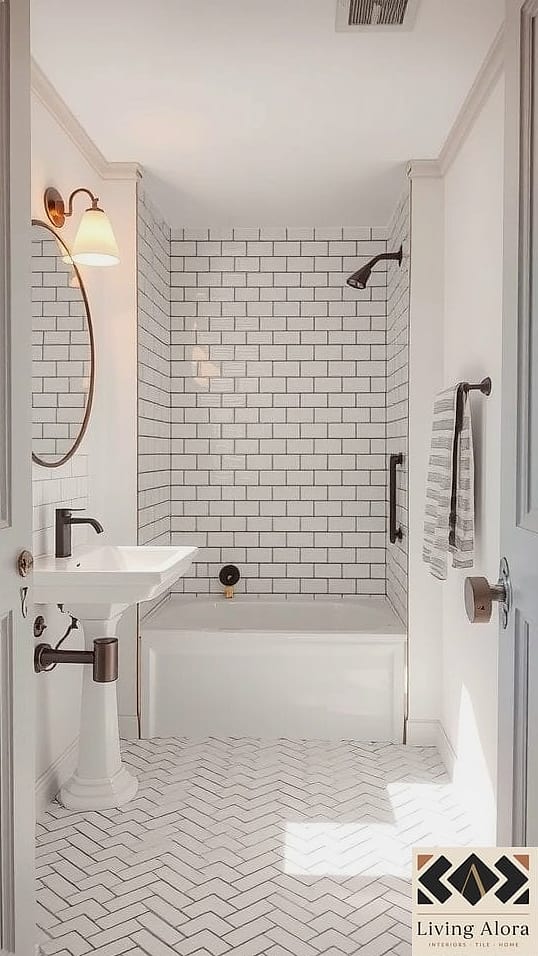
Tiny mosaic pieces, sometimes under an inch wide, create an incredibly detailed herringbone effect. This is gorgeous in a powder room where the scale of the space calls for finer details. Just know that more pieces mean more grout lines, so cleaning takes a bit more attention.
Herringbone Kitchen Island Backsplash
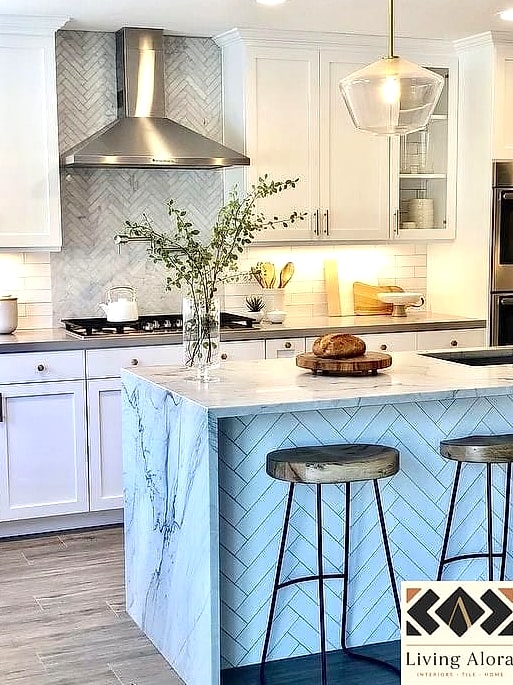
If your island has a raised bar or backsplash area, herringbone tile there gives it its own visual identity separate from the rest of the kitchen. It’s a nice way to make the island feel like a designed feature rather than an afterthought. Consider a bolder tile here since it’s a smaller surface area to commit to.
Slate Herringbone for Rustic Spaces
Slate has natural texture and color variation that makes a herringbone layout feel earthy rather than formal. This suits cabins, farmhouses, or any home leaning into a rustic aesthetic. It’s naturally slip-resistant too, which makes it a smart pick for entryways.
Herringbone Laundry Room Floor
Laundry rooms take a beating, so durability matters as much as looks. Porcelain herringbone tile handles moisture and foot traffic well while still making a utilitarian room feel considered. Add open shelving above for baskets and bins, and the whole space starts to feel more like a functional little studio than an afterthought.
Chevron vs Herringbone Mix
Technically different patterns, but combining a herringbone field with a chevron border creates a striking transition point. This works well between rooms or as a rug-like border around a herringbone floor. It’s a more advanced installation, so it’s worth hiring a pro if you’re not confident with tile work yourself.
Herringbone Fireplace Surround
Stacking herringbone tile vertically around a fireplace draws the eye upward and makes ceilings feel taller. Stone-look porcelain or real limestone both create a cozy, textured focal point. This is one of those upgrades that instantly makes a living room feel more custom without requiring a full renovation.
Herringbone Entryway Tile
Your entryway sets the tone for the whole house, and herringbone tile there says “welcome” in a way plain tile just doesn’t. Choose a durable porcelain since this area deals with dirt, water, and constant foot traffic. A darker grout here also hides scuffs better than a stark white one.
Herringbone Pattern in Neutral Tones
If you want the texture without a strong color statement, stick to warm greige or beige tones throughout. This creates a subtle, sophisticated look that won’t clash with future decor changes. It’s a safe but far from boring choice for anyone worried about resale value.
Black and White Herringbone Floor
This combo has serious old-school charm, reminiscent of vintage bakeries and classic bathrooms. It works beautifully in a powder room or entry where you want drama in a smaller dose. Keep the rest of the room simple so the floor gets to be the star.
Herringbone Tile with Wood Accents
Pairing herringbone tile flooring with butcher block counters or wood shelving softens the geometric pattern. This mix of textures feels layered and collected rather than matchy. It’s a great approach for kitchens that want warmth alongside the visual interest of the pattern.
Herringbone Backsplash Behind Open Shelving
Open shelving already draws attention to the wall behind it, so why not make that wall interesting. A herringbone backsplash under floating shelves gives your dishes and cookbooks a striking backdrop. Just keep the shelf styling simple so the wall pattern doesn’t get visually crowded.
Textured Zellige Herringbone
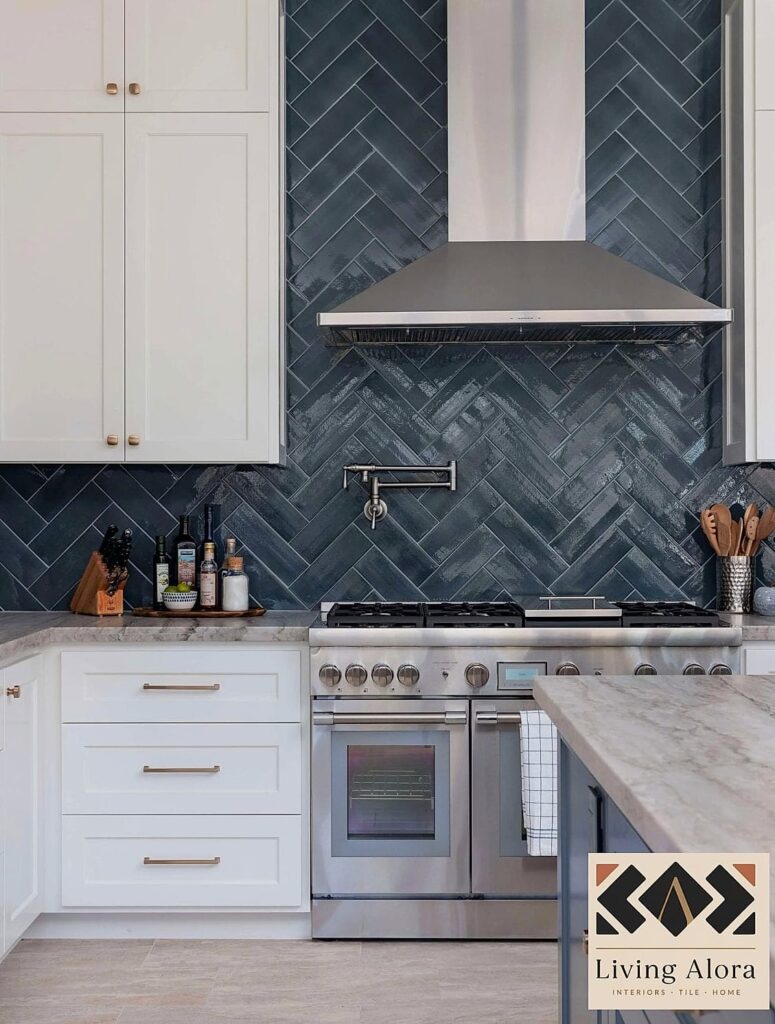
Zellige tile has natural imperfections and a handmade look that adds even more depth when arranged in herringbone. Each piece reflects light slightly differently, so the wall almost seems to shimmer. It’s pricier than standard ceramic, but the character it brings is hard to replicate with anything mass produced.
Herringbone Tile for a Mudroom Bench Area
The area around a built-in bench or cubby system benefits from herringbone flooring because it visually separates that zone from the rest of the house. It signals “this is where shoes and bags live” without needing a sign. Pair it with baskets or bins tucked into the cubbies for a functional, family-friendly setup.
Blue Herringbone Bathroom Tile
Color doesn’t have to stop at neutrals. A soft blue herringbone wall in a bathroom feels calm and spa-like, especially paired with white fixtures and brass accents. It’s a great way to add personality to a small bathroom without overwhelming the space.
Herringbone Tile Runner in a Hallway
Instead of tiling wall to wall, consider a herringbone “runner” down the center of a hallway with a plain tile or wood border on either side. This creates a rug-like effect that’s permanent and low maintenance. It’s a clever way to define a long, narrow space.
Large-Format Herringbone Tile
Most people picture small tiles when they think herringbone, but larger format pieces, say six by twenty-four inches, create a bolder, more contemporary version of the pattern. Fewer grout lines also mean easier cleaning. This works particularly well in open-concept living areas where you want the pattern to read clearly from a distance.
Herringbone Pattern on a Kitchen Floor
Full kitchen floors done in herringbone porcelain give the whole room a more elevated feel underfoot. Since kitchens see spills and heavy use, stick with a matte or textured finish for slip resistance. This is a bigger investment but one that tends to pay off in how much more finished the space feels.
Copper and Terracotta Herringbone
Warm, earthy tile tones laid in herringbone bring a Mediterranean or Southwestern feel into a kitchen or sunroom. These tones pair naturally with wood beams and greenery. It’s an unexpected color choice that still feels grounded rather than trendy in a fleeting way.
Herringbone Tile Behind a Vanity Mirror
Instead of a plain painted wall behind your bathroom mirror, a herringbone tile section adds texture that catches the eye every time you walk in. Keep it contained to just that wall so it reads as an intentional design choice rather than an overwhelming full room treatment. Natural stone or glossy ceramic both work nicely here since the mirror reflects the light back.
Herringbone Tile for a Pet-Friendly Mudroom
Porcelain herringbone tile stands up well to muddy paws, water bowls, and the general chaos pets bring into a mudroom. It’s easy to wipe down and won’t scratch the way some wood-look materials can over time. Add a built-in dog wash station nearby and you’ve got a genuinely functional, good-looking space.
Herringbone Tile with a Contrasting Grout Line
Sometimes the grout does as much work as the tile itself. A dark grout against light tile makes the herringbone shape pop dramatically, while a matching grout creates a softer, more blended texture. It’s worth testing samples before committing since this choice changes the whole look.
Herringbone Tile for a Reading Nook or Sunroom
A dedicated cozy corner benefits from a floor that feels distinct from the rest of the house. Herringbone tile paired with a rug and a comfortable chair creates a little retreat that feels curated. Natural light in these spaces also tends to show off the pattern’s texture especially well.
Peel-and-Stick Herringbone Tile
For renters or anyone wanting a temporary refresh, peel-and-stick herringbone options have come a long way in recent years. They mimic the look of real tile at a fraction of the cost and effort, and most can be removed without damaging the surface underneath. It’s not going to have the same longevity as real tile, but for a backsplash update or small bathroom floor, it gets the job done.
Herringbone Tile as a Border or Inset
You don’t need to commit an entire floor or wall to herringbone. Using it as a border around a plain tile field, or as an inset detail under a kitchen window, gives you the pattern’s visual interest in smaller, more budget-friendly doses. It’s a smart way to test out whether you love the look before going bigger in a future project.
Herringbone tile really is one of those design choices that works across nearly every room and budget level, from a small peel-and-stick backsplash refresh to a full marble bathroom floor. The key is picking a scale, color, and material that fits how the room actually gets used day to day. Once you find the right combination, it tends to become the detail people notice first when they walk in.