9 Ceramic Tile Ideas to Inspire Your Next Renovation
- Classic Subway Tile with a Modern Twist
- Bold Patterned Floor Tile as a Statement
- Large-Format Tile for a Seamless Look
- Textured Zellige-Inspired Ceramic Tile
- Herringbone Layout for Visual Interest
- Two-Tone Tile for Bathroom Personality
- Matte Finish Tile for a Softer Aesthetic
- Mosaic Tile for Small Accent Areas
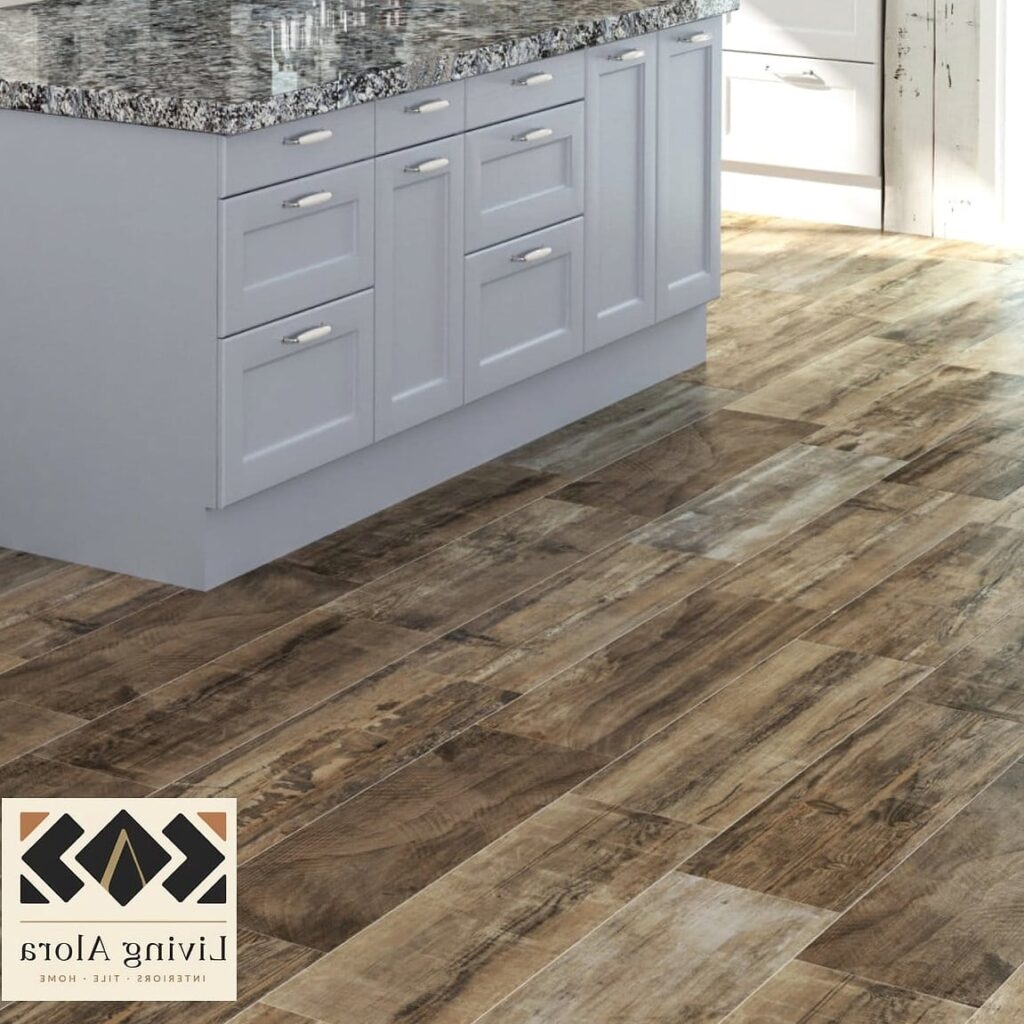
- Wood-Look Ceramic Tile for Durability
9 Ceramic Tile Ideas to Inspire Your Next Renovation
Ceramic tile has quietly become one of the most versatile materials in home renovation, and honestly, it doesn’t get enough credit. It’s durable, budget-friendly compared to natural stone, and comes in more colors, shapes, and finishes than most people realize. If you’re planning a kitchen refresh, a bathroom overhaul, or even just a small entryway update, ceramic tile can do a lot of heavy lifting.
Below are nine ceramic tile ideas worth considering for your next renovation, whether you’re going for something classic or a little more unexpected.
Classic Subway Tile with a Modern Twist
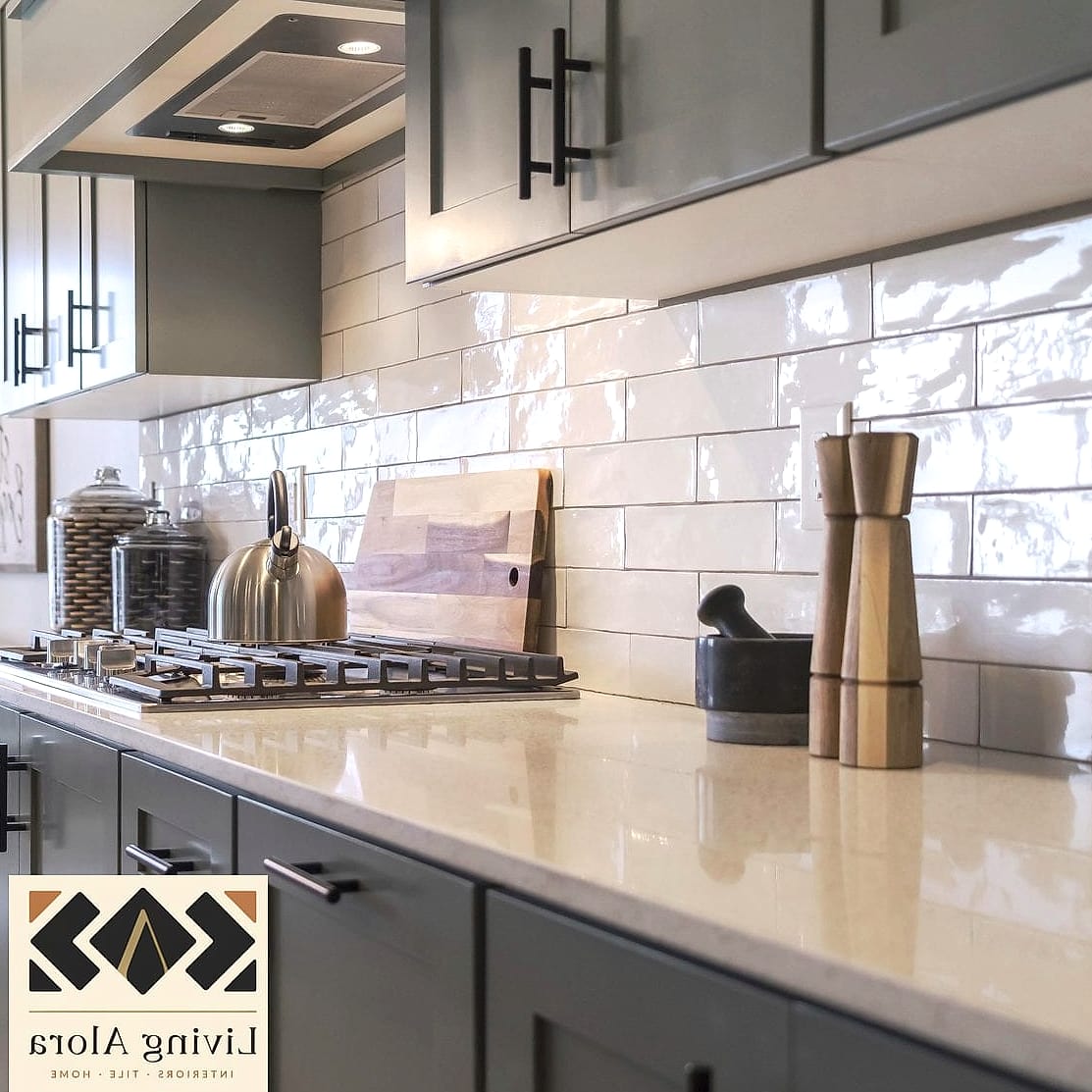
Subway tile isn’t going anywhere, and there’s a good reason for that. It’s clean, it works with nearly every design style, and it’s one of the easier ceramic tile patterns for DIYers to install.
What makes it feel fresh right now is straying from the traditional white-on-white look. Try a soft sage green or warm terracotta subway tile paired with dark grout for contrast, or stack the tiles vertically instead of the usual brick-lay pattern. Kitchens and bathrooms both love this treatment, especially as a backsplash or shower surround.
Maintenance is a breeze since ceramic resists staining, and the glossy finish wipes clean with basic dish soap and water. Budget-wise, this is one of the more affordable options on this list, making it a smart choice if you’re renovating on a tighter timeline or budget.
Bold Patterned Floor Tile as a Statement

Patterned ceramic floor tile has had a real moment over the past few years, and it’s not slowing down. Think Moroccan-inspired geometric prints, encaustic-style designs, or even a checkerboard in unexpected colors like navy and cream.
This works beautifully in smaller spaces like powder rooms, laundry rooms, or entryways, where a bold floor won’t overwhelm the whole house but still makes a strong first impression. Homeowners love this approach because it adds personality without requiring bold wall colors or expensive furniture to tie the room together.
If full commitment feels risky, consider a patterned tile “rug” inset into a plain floor, or start small with just the mudroom. Peel-and-stick vinyl versions exist too, but genuine ceramic holds up longer under foot traffic and moisture.
Large-Format Tile for a Seamless Look

Large-format ceramic tile, typically anything over 15 inches per side, has become a favorite for anyone wanting a clean, expansive look with fewer grout lines. Fewer grout lines mean less cleaning and a more polished, almost seamless appearance.
This tile size works especially well on bathroom floors and shower walls, where minimizing visual clutter makes a small space feel bigger. It’s also a strong pick for open-concept kitchens and living areas where continuity matters.
Installation does require a steady hand and a flat subfloor, since large tiles show imperfections more easily than smaller ones. This might be a project better left to a professional installer unless you’re already comfortable with tile work. Once it’s down, though, upkeep is minimal, just regular sweeping and the occasional mop.
Textured Zellige-Inspired Ceramic Tile

Real zellige tile is handmade in Morocco and comes with a hefty price tag, but ceramic manufacturers have gotten really good at replicating that same irregular, textured, slightly imperfect look at a fraction of the cost.
This style brings warmth and dimension to a space that flat, glossy tile just can’t match. It catches light differently across each piece, which gives walls a handcrafted, artisanal feel. Kitchen backsplashes and bathroom accent walls are where this tile really shines.
Because of the texture, it can be a little trickier to keep spotless in grease-prone kitchen areas, so a quick wipe-down after cooking helps maintain that fresh look. Pair it with brushed brass or matte black fixtures for a combination that feels intentional and layered.
Herringbone Layout for Visual Interest
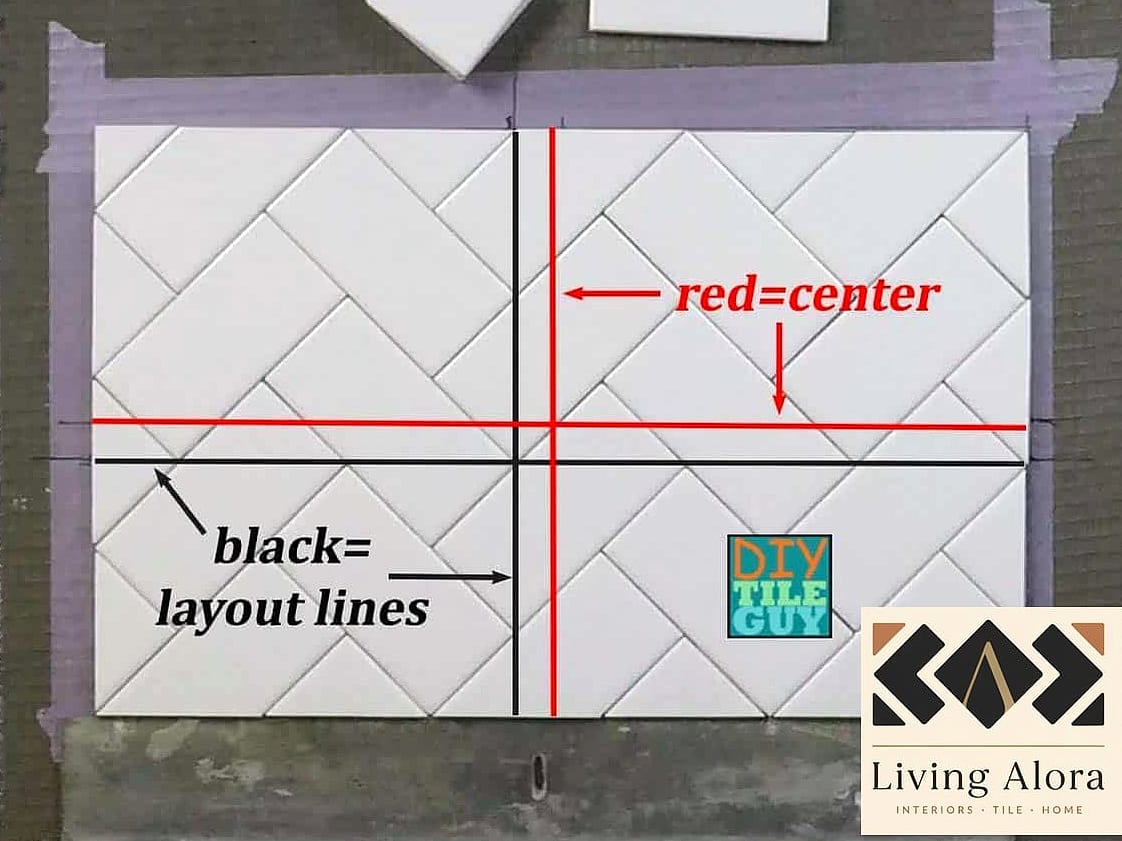
Sometimes it’s not about the tile itself but how you lay it. Herringbone patterns take a basic rectangular ceramic tile and turn it into something that feels custom and architectural.
This layout works particularly well in showers, on kitchen backsplashes, or even on floors in hallways and entryways. It naturally draws the eye and adds movement to a space that might otherwise feel flat or predictable.
Keep in mind that herringbone requires more cuts during installation, which can increase both labor time and tile waste. Budgeting for roughly 10-15% extra material is a smart move. The payoff, though, is a floor or wall that looks far more expensive than it actually was.
Two-Tone Tile for Bathroom Personality
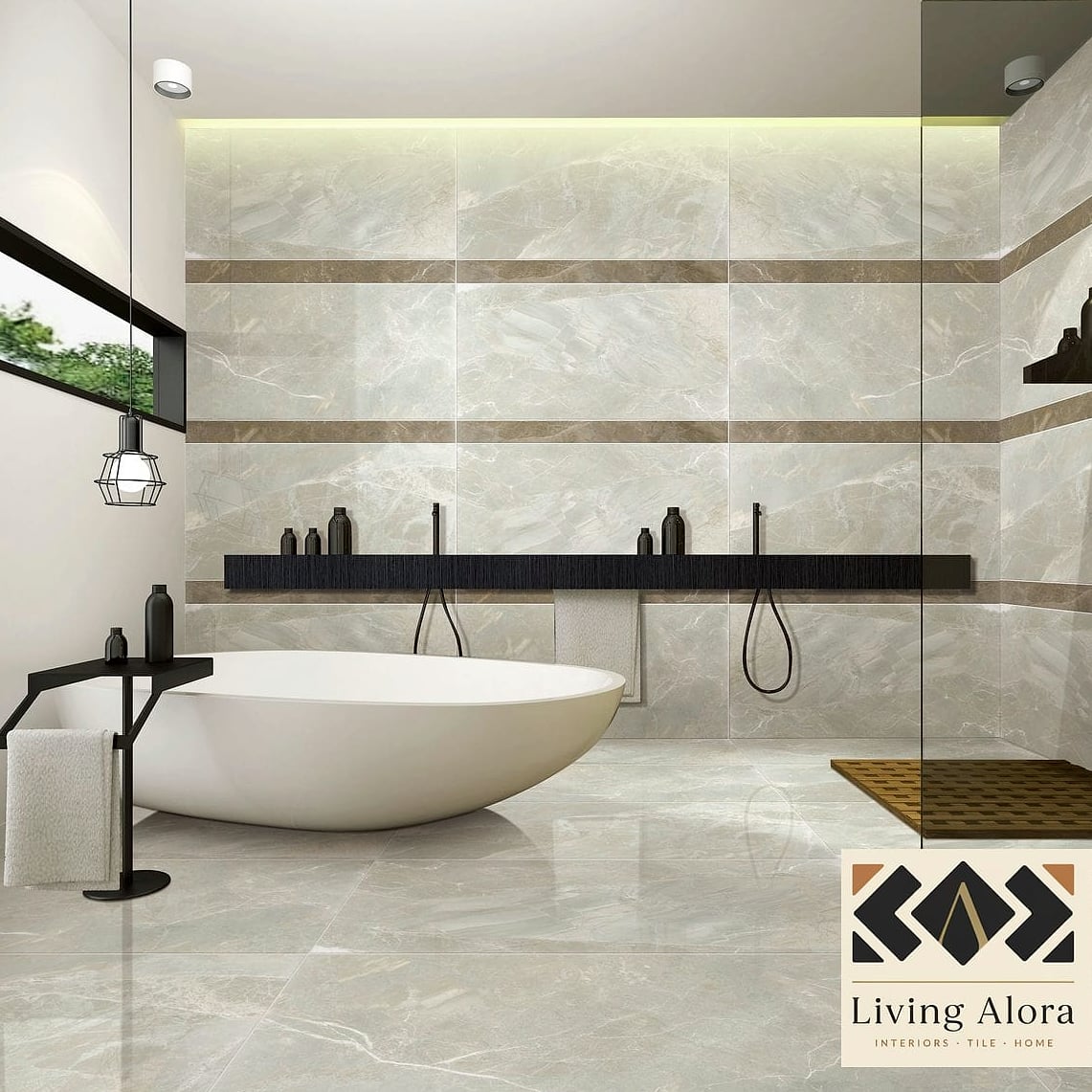
Splitting a bathroom wall into two tile colors, one on the lower half and another above, is an old idea that’s making a comeback with a modern update. Instead of the traditional white-over-white split, homeowners are pairing deep colors like forest green or navy on the bottom with lighter neutrals up top.
This approach works especially well in small or windowless bathrooms, where an all-dark tile job might feel closed in. The two-tone split adds depth and coziness while still keeping the room feeling open near the ceiling.
A simple wood or brass trim strip at the transition point ties the whole look together and gives it a finished, designed feel rather than an afterthought. This is a great option for anyone who loves color but isn’t ready to commit to it on every surface.
Matte Finish Tile for a Softer Aesthetic

Glossy tile has its place, but matte ceramic tile has become the go-to for anyone chasing that quiet, understated aesthetic that’s dominated design trends lately. Matte finishes diffuse light instead of reflecting it, which creates a softer, more grounded feel in a room.
This works particularly well on bathroom floors, since matte surfaces also tend to be less slippery when wet, a genuine safety perk for households with kids or older family members. It’s equally at home on kitchen backsplashes for anyone wanting to avoid that overly polished, showroom look.
One thing worth mentioning: matte tile can show water spots and fingerprints a bit more than glossy options in high-touch areas. A microfiber cloth kept nearby makes quick touch-ups painless.
Mosaic Tile for Small Accent Areas
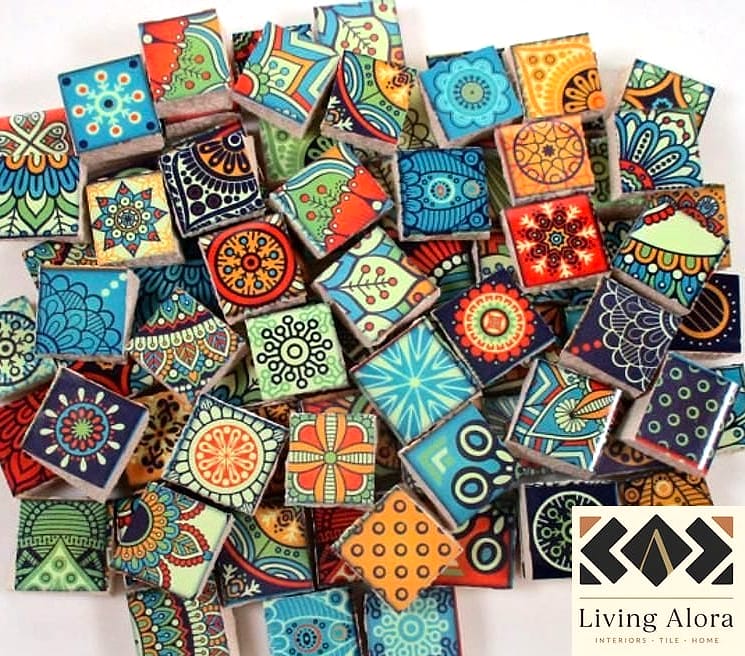
Mosaic ceramic tile, those small individual pieces mounted on mesh sheets, is perfect for adding detail without covering an entire room in something busy. Shower niches, fireplace surrounds, and kitchen backsplash accent strips are all great candidates.
Homeowners love mosaic tile because it allows for creativity, mixed colors, varied shapes, even a little shimmer with glass-ceramic blends, in a contained space where it won’t compete with the rest of the room. It’s also a nice way to introduce a trend you’re not ready to commit to on a larger scale.
Grout lines are more frequent with mosaic tile, which does mean slightly more cleaning attention over time. A grout sealer applied during installation can cut down on staining and make future upkeep much simpler.
Wood-Look Ceramic Tile for Durability

Wood-look ceramic tile has come a long way from the slightly-too-obviously-fake versions of a decade ago. Modern printing technology creates incredibly convincing wood grain, knots, and color variation across each plank.
This is a fantastic option for entryways, mudrooms, kitchens, and bathrooms, basically anywhere real hardwood would struggle with moisture or heavy foot traffic. Families with kids or pets tend to gravitate toward this option because it holds up to scratches, spills, and muddy paws far better than actual wood flooring.
Installation mimics traditional wood plank flooring, laid in a staggered pattern for the most realistic effect. Maintenance is refreshingly low, no refinishing, no worrying about water damage, just regular sweeping and occasional mopping. For anyone who loves the warmth of wood tones but wants ceramic’s practicality, this is an easy win.
Renovating with ceramic tile doesn’t have to mean picking the same basic white square everyone else uses. Between patterns, layouts, finishes, and colors, there’s enough variety here to fit almost any style or budget. Whichever of these nine ceramic tile ideas catches your eye, take some time to look at samples in your actual space before committing. Lighting changes everything, and what looks great in a showroom doesn’t always translate the same way at home.