11 Kitchen Backsplash Ideas to Show Your Contractor
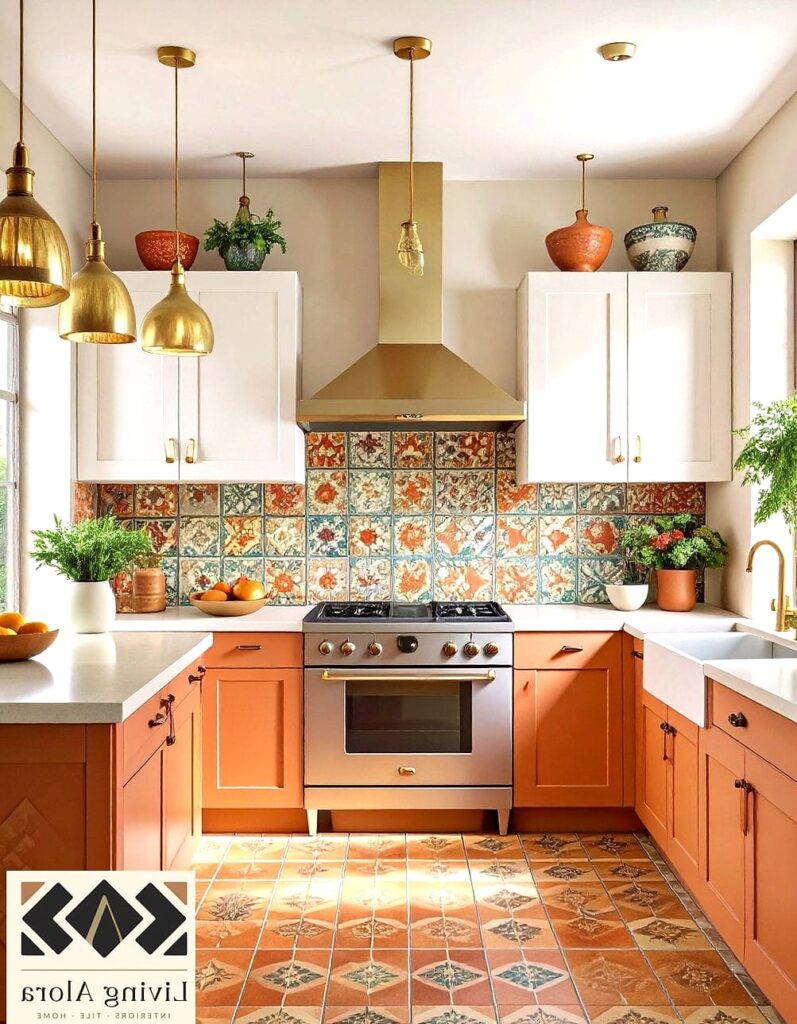
- Classic White Subway Tile
- Zellige Tile for Handmade Texture
- Bold Color for a Statement Wall
- Herringbone Pattern Layout
- Natural Stone for an Elevated Look
- Mosaic Tile for Extra Detail
- Vertical Stacked Tile Installation
- Extended Backsplash to the Ceiling
- Peel-and-Stick for a Budget-Friendly Trial Run
- Matte Finish Tile for a Softer Look
- Two-Tone Backsplash with Mixed Materials
11 Kitchen Backsplash Ideas to Show Your Contractor
Picking a backsplash sounds simple until you’re standing in a tile showroom staring at a thousand samples that all start to blur together. I get it. This is one of those decisions that feels small on paper but ends up being the thing everyone notices first when they walk into your kitchen.
The good news is you don’t need to figure this out alone. Bring these 11 kitchen backsplash ideas to your contractor and let them tell you what’s realistic for your space, your budget, and your timeline. Having visuals ready also saves everyone a lot of back-and-forth during those early planning meetings.
Whether you’re gutting the whole kitchen or just swapping out an outdated tile job, these options cover a wide range of styles, price points, and skill levels. Let’s get into it.
Classic White Subway Tile
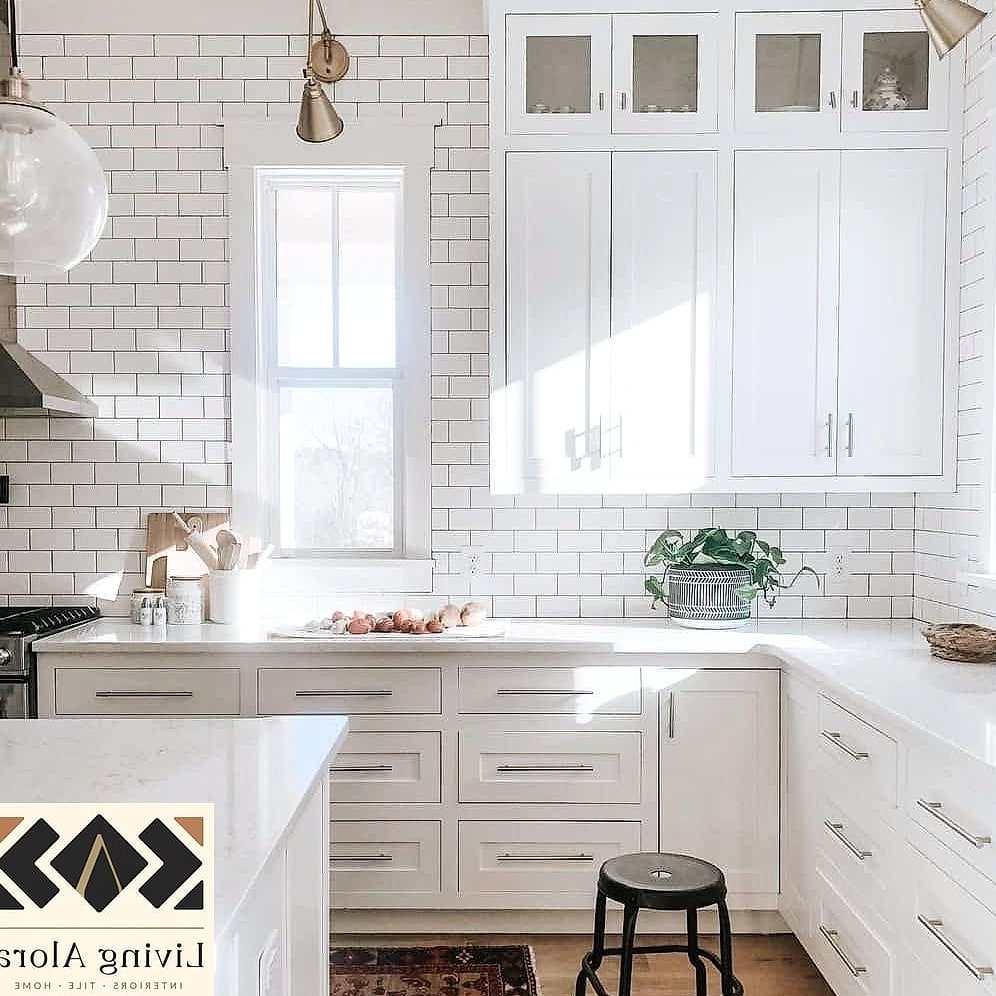
There’s a reason this one never really goes away. White subway tile works in farmhouse kitchens, modern kitchens, and everything in between, which makes it a safe bet if you’re not ready to commit to something trendier.
It looks best in a simple running bond pattern, though a herringbone layout adds a little more visual interest if you want to dress it up. Pair it with white or light gray grout for a soft, cohesive look, or go with a darker grout if you want the individual tiles to stand out more.
Maintenance-wise, it’s pretty forgiving. Ceramic subway tile wipes clean easily and holds up fine against everyday cooking splatter. Budget-conscious homeowners will appreciate that this is usually one of the more affordable tile options out there, and most contractors have installed miles of it, so labor costs tend to stay reasonable too.
Zellige Tile for Handmade Texture
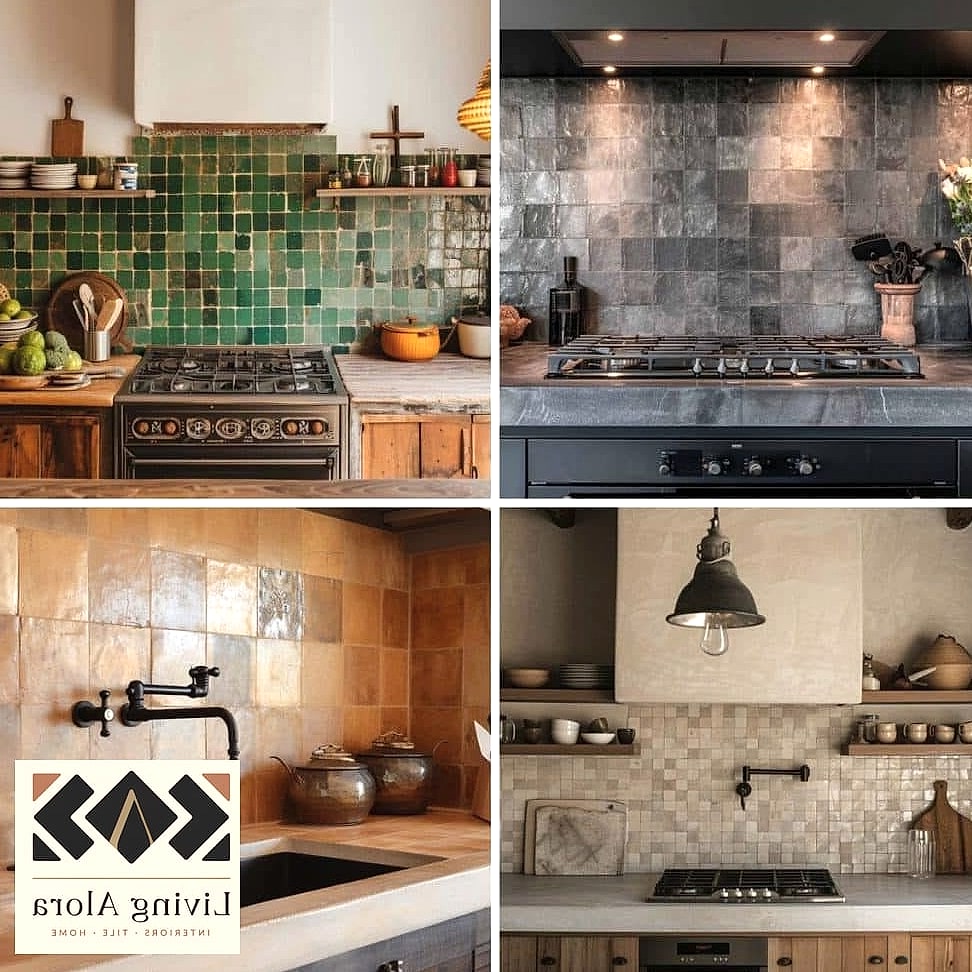
If you want something with more personality than standard subway tile, ask your contractor about zellige. These handmade Moroccan tiles have slightly uneven edges and a glossy, glazed finish that catches light in a way factory-made tile just can’t replicate.
Each tile is a little different, so the overall wall has this organic, almost rippled texture. It works beautifully in kitchens going for a warm, collected-over-time look rather than a perfectly polished one.
Keep in mind zellige tends to cost more and can be trickier to install because of those irregular edges, so this is a good one to specifically flag for your contractor early on. It’s worth asking whether they’ve worked with it before, since not every installer has.
Bold Color for a Statement Wall
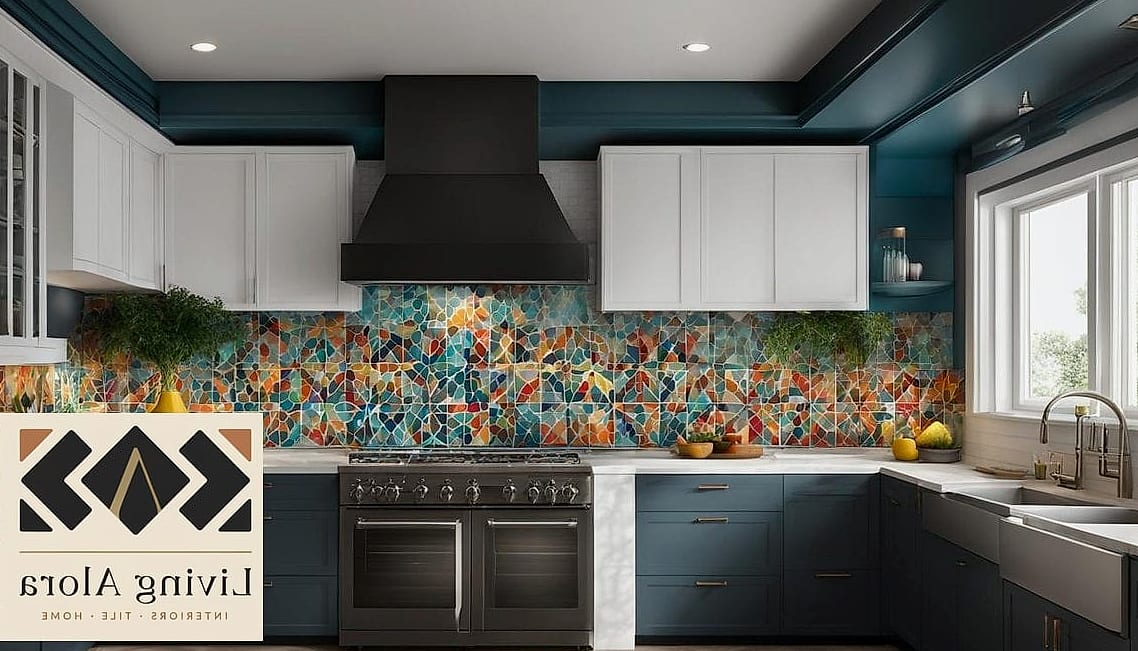
Not every backsplash needs to be neutral. A saturated color like deep emerald, cobalt blue, or terracotta can turn your backsplash into the focal point of the entire room.
This works especially well behind a stove or range where you already have a natural focal area. Pair a bold backsplash with simpler cabinetry and countertops so the wall doesn’t have to compete with everything else in the room.
Glossy ceramic tile in a bright color tends to photograph beautifully and reflects light nicely in smaller kitchens. If you’re worried about commitment, ask your contractor about doing the bold color as an accent behind just the stove, with a quieter tile everywhere else.
Herringbone Pattern Layout
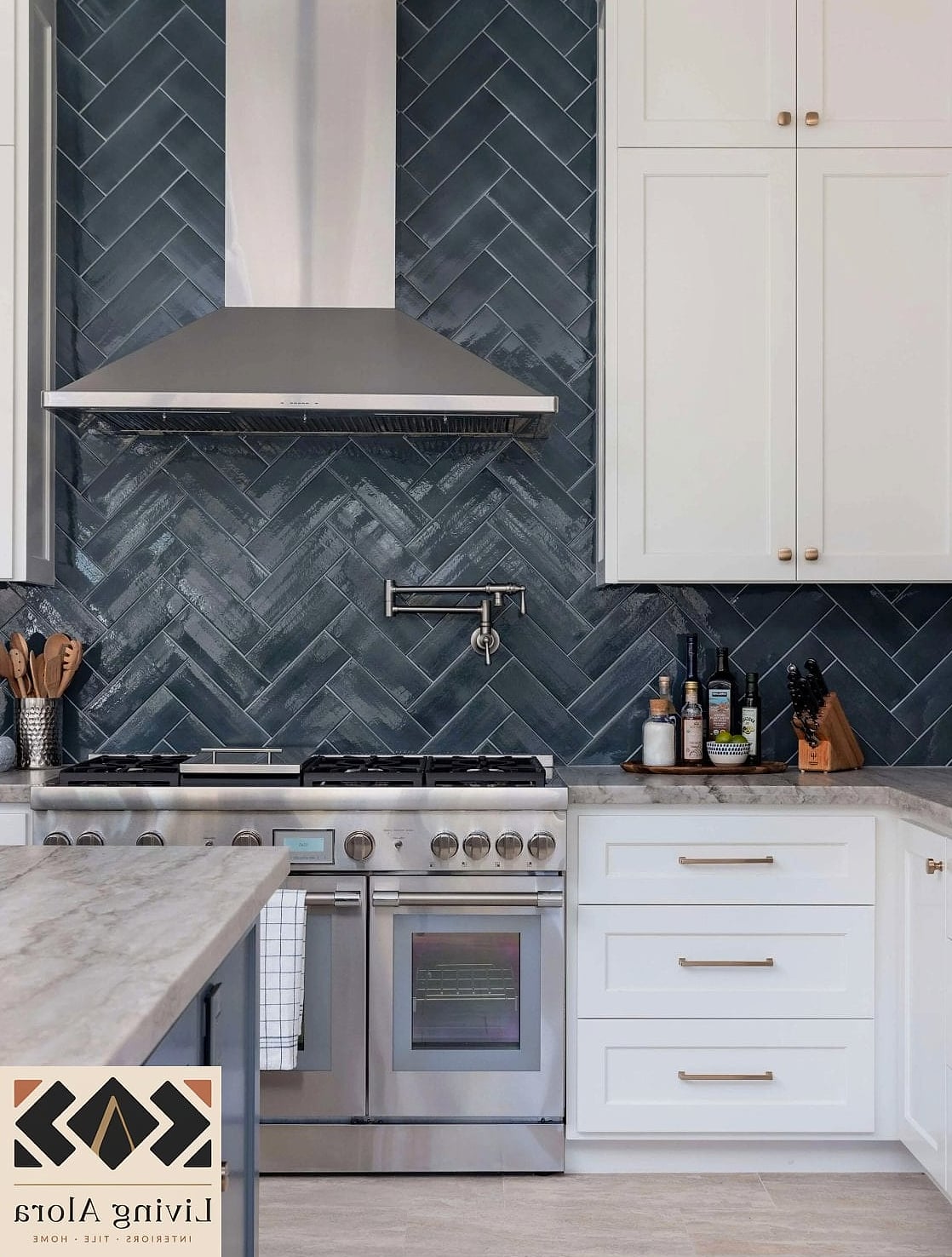
Sometimes the tile itself is simple, but the pattern is what makes the backsplash feel custom. Herringbone layout takes basic rectangular tiles and arranges them in a zigzag pattern that adds movement and dimension to an otherwise flat wall.
This layout works with almost any tile type, from marble to ceramic to porcelain, so you can adjust it to fit your budget. It looks especially sharp running vertically up toward upper cabinets or as a full-height wall behind open shelving.
Just know that herringbone requires more cuts and more precise installation than a straight running pattern, which usually means higher labor costs. It’s a good idea to ask your contractor for a labor estimate specifically for this layout before falling in love with it.
Natural Stone for an Elevated Look
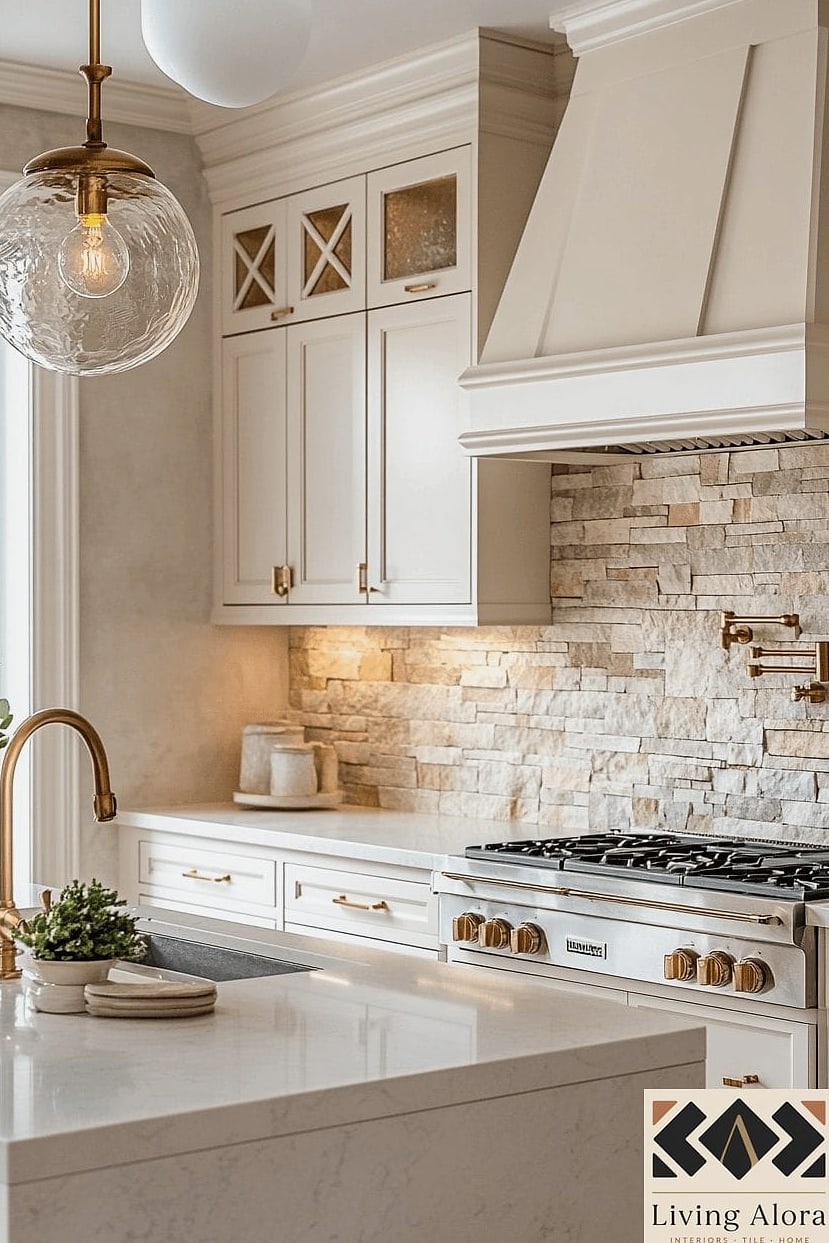
Marble, travertine, and other natural stone backsplashes bring a level of texture and depth that manufactured tile can’t fully match. The natural veining in marble especially gives each installation a one-of-a-kind quality.
This pairs well with quartz or marble countertops for a cohesive, elevated feel throughout the whole kitchen. Warm wood tones and brass hardware tend to complement natural stone nicely too.
The tradeoff is maintenance. Natural stone is porous and typically needs to be sealed periodically to resist staining, which is something your contractor can walk you through. If you love the look but not the upkeep, ask about porcelain tile printed with a stone pattern as a lower-maintenance alternative.
Mosaic Tile for Extra Detail
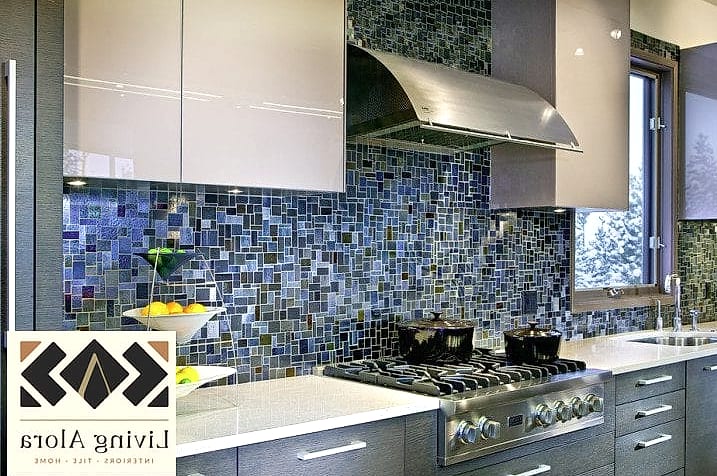
Mosaic tile sheets pack in a ton of visual interest thanks to their small individual pieces, which can be glass, stone, ceramic, or a mix of materials. This is a great option if you want a backsplash that feels a little more artistic without committing to a full accent wall.
It works particularly well in smaller kitchens where a large-scale pattern might feel overwhelming, since the smaller scale of mosaic tile tends to suit tighter spaces. Many homeowners also use mosaic tile as a border or focal strip within a larger field of simpler tile.
Installation involves more grout lines than standard tile, which means more cleaning down the road, especially in a busy family kitchen. If low maintenance matters to you, ask your contractor about mosaic sheets with a sealed or glazed finish that resists grime buildup.
Vertical Stacked Tile Installation
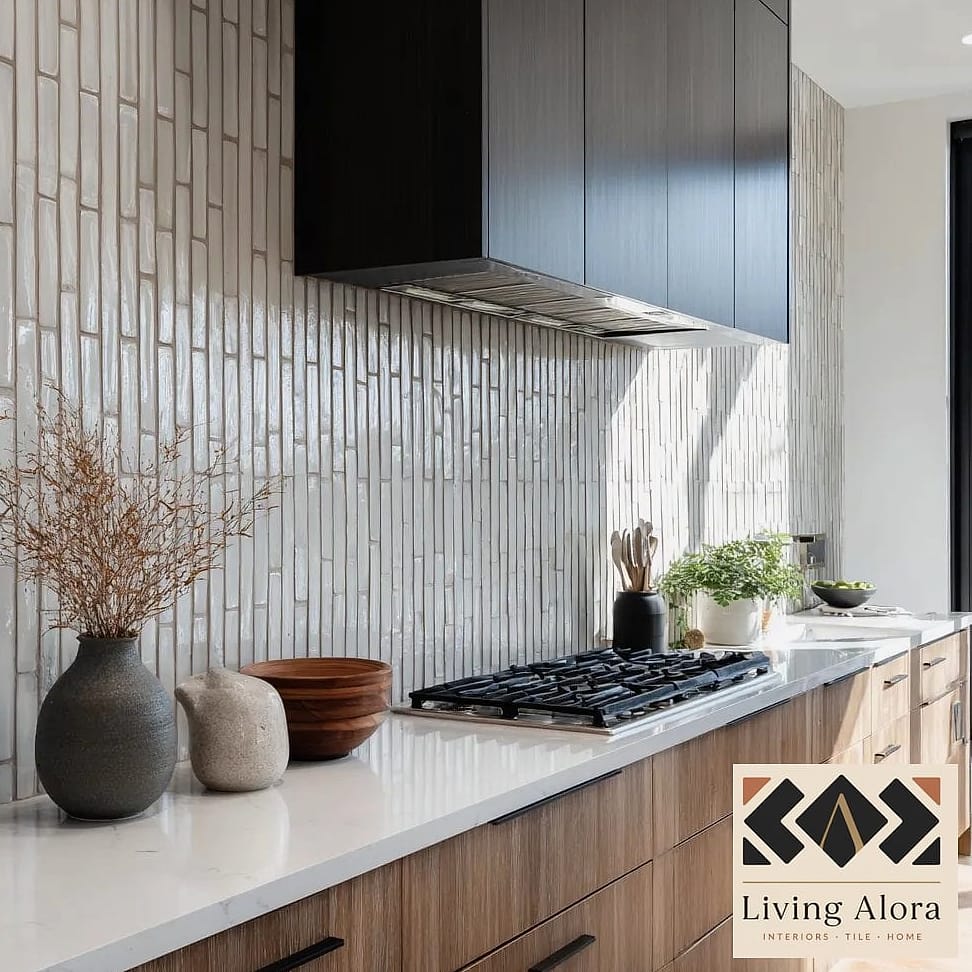
Instead of changing the tile itself, you can change how it’s installed. A vertical stacked layout, where tiles line up in neat columns rather than staggered rows, gives even basic subway tile a more modern, streamlined look.
This installation style draws the eye upward, which can make kitchens with lower ceilings feel a bit taller. It also tends to read as more minimal and architectural compared to a traditional offset pattern.
The stacked layout is actually one of the easier patterns to install since there’s less cutting involved, so it can sometimes come with slightly lower labor costs than herringbone or other angled layouts. Worth asking your contractor to compare pricing between a few layout options using the same tile.
Extended Backsplash to the Ceiling
Rather than stopping the backsplash a foot or so above the counter, some homeowners are extending tile all the way up to the upper cabinets or even to the ceiling. It’s a full-wall approach that reads as more intentional and design-forward.
This works really well in kitchens with open shelving instead of upper cabinets, since there’s more exposed wall to work with. It also makes a great backdrop for a statement range hood, giving that area of the kitchen a finished, built-in feel.
Obviously this uses more material and more labor than a standard backsplash height, so it’s a bigger investment. If the full extension feels like too much for your budget right now, ask your contractor whether it’s possible to do it later as a smaller follow-up project.
Peel-and-Stick for a Budget-Friendly Trial Run
If you’re renting, on a tight budget, or just not ready to commit to permanent tile, peel-and-stick backsplash options have come a long way. Modern versions mimic subway tile, marble, and even zellige convincingly enough that guests often can’t tell the difference from a few feet away.
This is a genuinely renter-friendly solution since it can typically be removed without damaging the wall underneath, though it’s worth checking the specific product’s removal instructions first. It’s also a nice option if you want to live with a look for a while before investing in the real thing.
It’s still worth mentioning to your contractor if they’re doing other kitchen work nearby, just so they can prep the wall properly and make sure the surface is smooth enough for the adhesive to hold well long-term.
Matte Finish Tile for a Softer Look
Glossy tile has been the default for a long time, but matte finishes have been showing up more in newer kitchen designs. Matte tile has a flatter, more understated sheen that pairs nicely with warm wood tones and brushed brass or matte black hardware.
It tends to hide water spots and fingerprints a little better than glossy tile, which is a nice practical bonus for busy households. The softer finish also photographs less shiny under kitchen lighting, giving the whole space a calmer, more grounded feel.
One thing to flag with your contractor is that matte tile can sometimes show grout haze more visibly during installation, so proper cleanup after grouting matters more here than with glossy finishes.
Two-Tone Backsplash with Mixed Materials
If picking just one tile feels impossible, consider asking your contractor about combining two materials in the same backsplash. A common approach is using simple subway tile as the main field with a decorative mosaic or stone strip as an accent band, often positioned behind the stove or sink.
This gives you the best of both worlds: a budget-friendly main tile paired with a smaller amount of a pricier, more decorative material used strategically. It also lets you introduce texture or color without covering the entire wall in it.
This approach does require more planning upfront since your contractor needs to map out where each material starts and stops. Bringing in a rough sketch or a few reference photos makes this conversation a lot smoother.
Bringing a Pinterest board or a printed list like this to your first contractor meeting really does make the whole process easier. It gives them something concrete to react to, and it helps you figure out pretty quickly which of these ideas actually work for your space, your budget, and how you use your kitchen day to day. From there, it’s just a matter of narrowing things down and picking the one that feels most like you.