11 Bathroom Backsplash Ideas You Haven’t Seen Before
- Raw Plaster and Limewash Backsplash
- Fluted Wood-Look Tile Panels
- Scalloped or Fish-Scale Tile in Bold Color
- Stacked Stone Ledger Panels
- Checkerboard Tile in Unexpected Colors
- Mirror-Backed Glass Tile
- Vertical Herringbone in Subway Tile
- Terrazzo-Look Backsplash
- Board and Batten with Waterproof Paint
- Handmade Zellige Tile in Warm Neutrals
- Vertical Wood Slat Accent with Tile Insert
11 Bathroom Backsplash Ideas You Haven’t Seen Before
Most bathroom backsplashes look the same because most homeowners default to the same handful of tiles. White subway tile is lovely, but it’s also everywhere, and if you’re renovating a bathroom right now, chances are you want something with a little more personality.
The good news is that backsplashes have quietly become one of the most creative parts of a bathroom remodel. They’re small enough to experiment with but visible enough to completely change the mood of a space. Here are eleven ideas that go beyond the standard tile-and-grout combo, ranging from budget-friendly weekend projects to statement-making splurges.
Raw Plaster and Limewash Backsplash
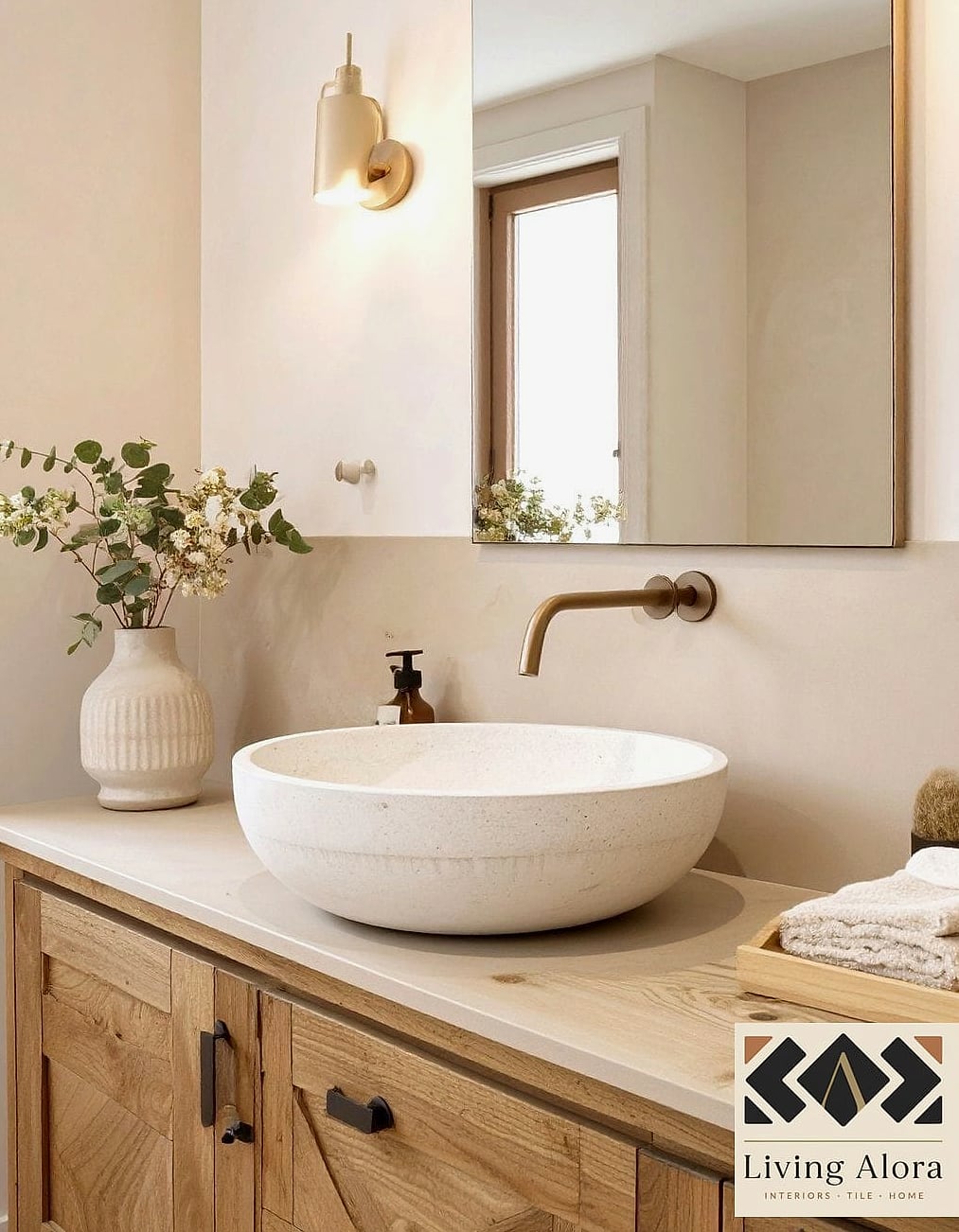
This one’s been trending in Europe for a while and is finally catching on stateside. Instead of tile, you apply a textured plaster or limewash finish directly to the wall behind the sink, creating a soft, cloudy, almost hand-painted look.
It works especially well in bathrooms leaning into that quiet, earthy aesthetic people are calling “organic modern.” No grout lines, no seams, just a continuous textured surface that catches light differently throughout the day.
The tradeoff is maintenance. Plaster needs a proper sealant to handle splashes, and it’s not something most DIYers should tackle solo the first time around. But if you hire it out, it’s a genuinely unique feature that photographs beautifully.
Fluted Wood-Look Tile Panels
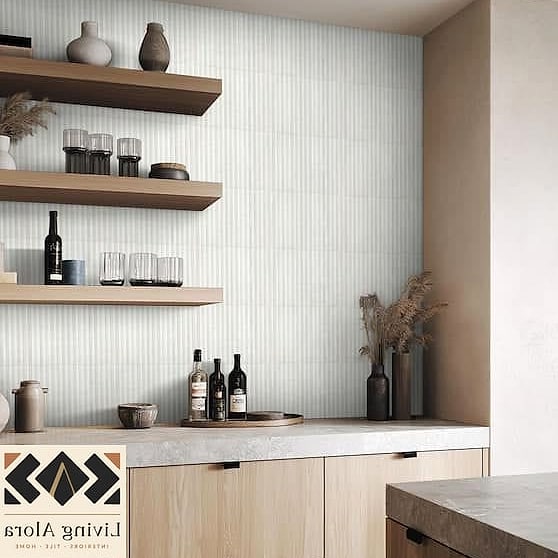
Fluted paneling has taken over kitchens and furniture design, and now it’s showing up as a backsplash material too. Porcelain tiles manufactured to mimic fluted wood give you that ribbed, dimensional look without worrying about water damage over time.
It’s a great option for a powder room or guest bath where you want a cozy, boutique-hotel feel. Pair it with a warm wood vanity and brushed brass hardware and the whole space feels intentional rather than builder-grade.
Because it’s porcelain underneath, cleaning is simple wipe-and-go, though the grooves can collect a bit of dust, so a soft brush during your regular cleaning routine helps keep it looking crisp.
Scalloped or Fish-Scale Tile in Bold Color
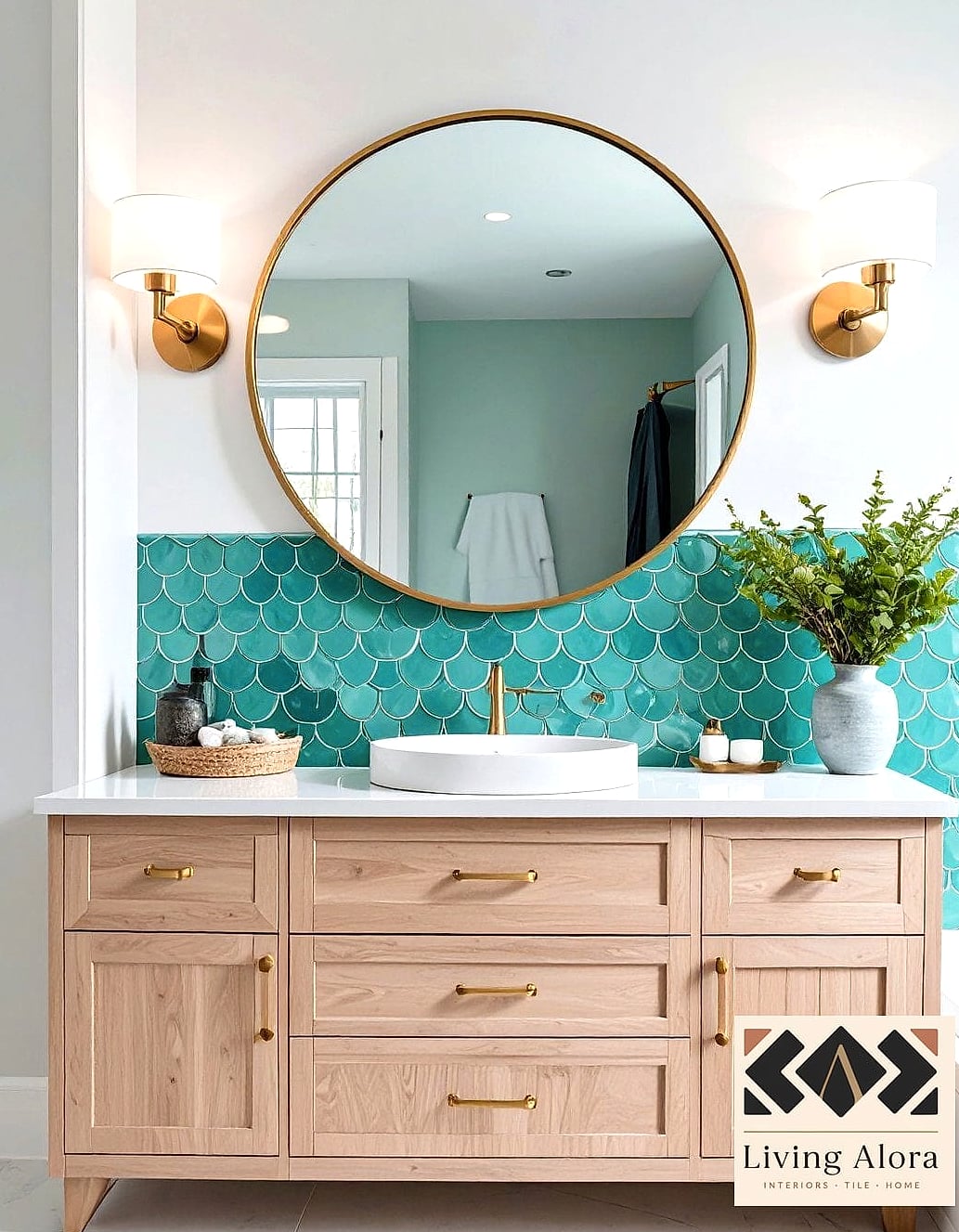
Scalloped tile isn’t new, but most people only picture it in soft pastels. Going bold changes everything. Think deep emerald, terracotta, or a rich navy scallop pattern that turns the sink area into the focal point of the room.
This idea works best in smaller bathrooms where you want the tile itself to do the talking. Keep the vanity and fixtures simple so the backsplash doesn’t compete with anything else in the room.
It’s a bit more labor-intensive to install because of the curved edges, so budget a little extra for installation time if you’re hiring a tile setter.
Stacked Stone Ledger Panels
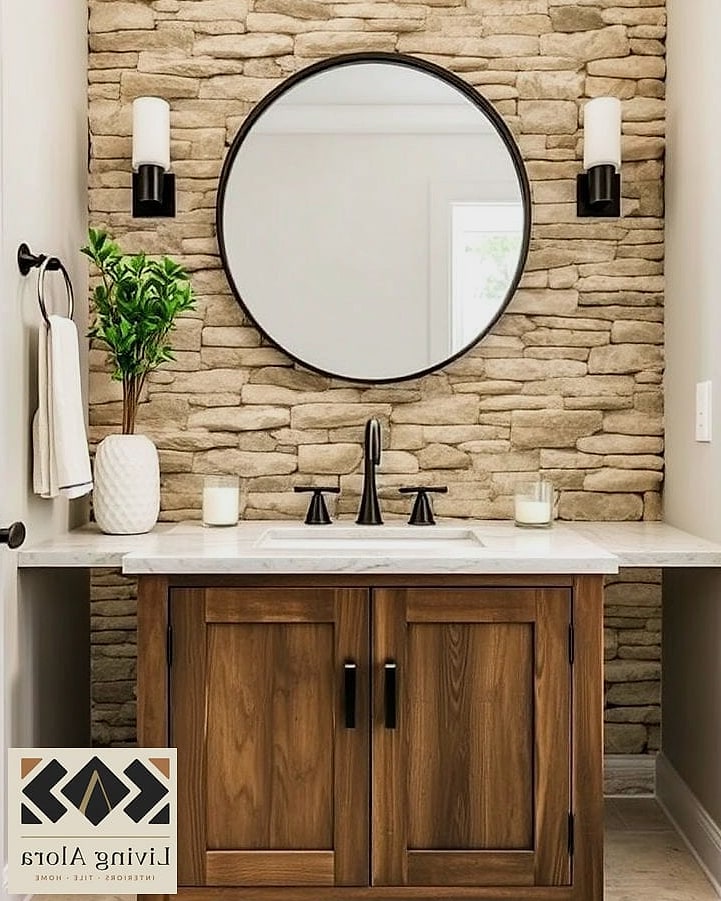
Ledger stone is usually reserved for fireplaces, but it makes a surprisingly striking bathroom backsplash. The layered, chunky texture adds a spa-like, almost lodge-inspired feel that flat tile just can’t replicate.
It pairs nicely with matte black fixtures and a stone vessel sink if you want to lean into a moodier, retreat-style bathroom. For a lighter look, a cream or ivory ledger stone keeps things bright while still adding texture.
One thing to know upfront: the natural stone will need periodic sealing to resist water absorption, so it’s a slightly higher-maintenance option compared to porcelain or ceramic.
Checkerboard Tile in Unexpected Colors
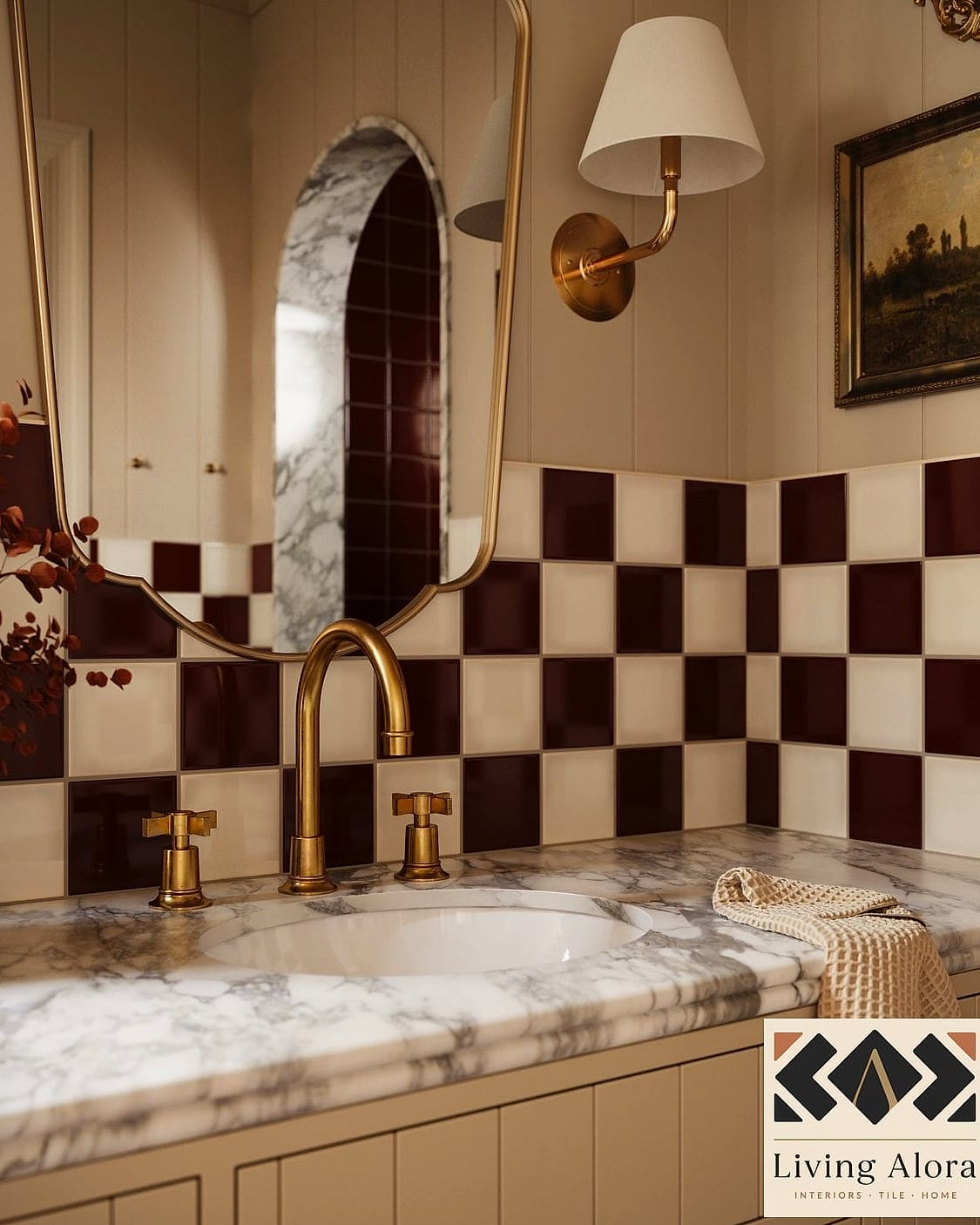
Checkerboard floors get all the attention, but a checkerboard backsplash is where things get interesting. Skip the classic black and white and try sage and cream, or terracotta and white, for something that feels more custom.
This is an especially fun option for a kids’ bathroom or a small powder room where you want a playful moment without overwhelming the whole space. It also tends to be budget-friendly since you can often use standard-sized square tile.
If you’re comfortable with basic tiling, this pattern is fairly approachable as a DIY weekend project, especially with peel-and-stick tile options now available for renters.
Mirror-Backed Glass Tile
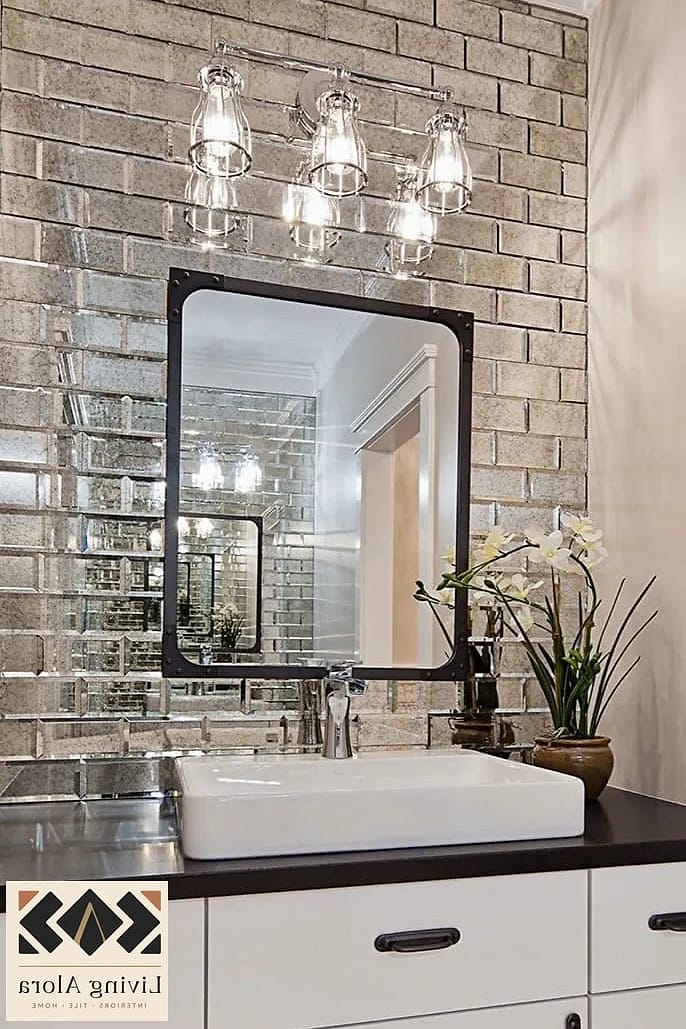
Instead of ceramic or stone, some designers are installing mirrored glass tile as a backsplash, particularly in small powder rooms where light is limited. The reflective surface bounces light around and makes the space feel larger than it actually is.
It works beautifully behind a single vessel sink with a simple brass or matte black faucet. Keep the rest of the room minimal so the mirrored effect doesn’t feel busy or disorienting.
Cleaning is straightforward with a standard glass cleaner, though you’ll want to wipe water spots regularly since they show up more visibly on mirror than on typical tile.
Vertical Herringbone in Subway Tile
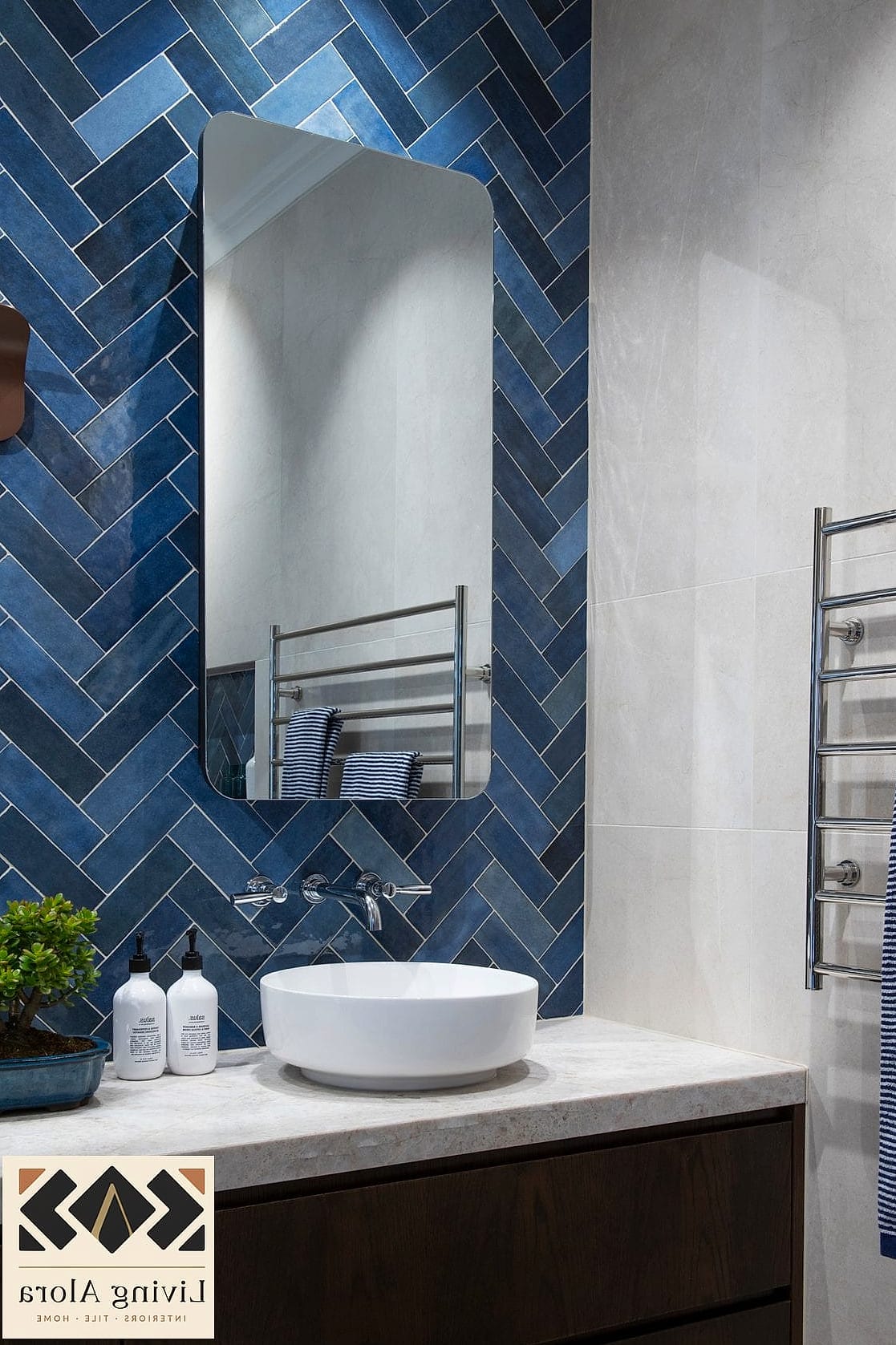
Herringbone gets used horizontally so often that flipping it vertically feels like a genuinely fresh take. Running the pattern up the wall draws the eye upward, which is a nice trick in bathrooms with lower ceilings.
Classic white subway tile still works here, but the vertical herringbone layout alone makes it feel less like the tile everyone’s seen a thousand times. Try it with a colored grout, like a warm gray or soft terracotta, to add subtle contrast without going bold.
Because the pattern requires more cuts than a straight layout, expect a slightly longer installation time and a bit more tile waste, so order a little extra material.
Terrazzo-Look Backsplash
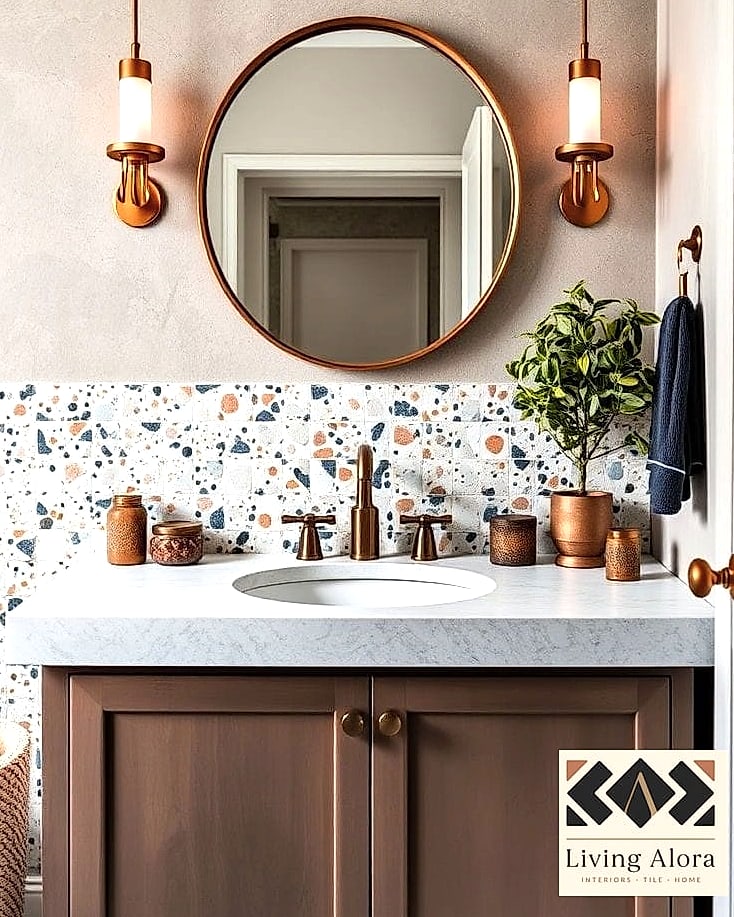
Terrazzo has made a full comeback, and now it comes in large-format porcelain slabs that mimic the speckled look without the cost or upkeep of real terrazzo. It’s playful without being loud, and it works in both modern and retro-inspired bathrooms.
This is a great pick for families who want something forgiving. The speckled pattern naturally hides water spots and minor scuffs better than a solid color surface would.
For a more custom feel, look for terrazzo tile with color flecks that pull from your countertop or flooring, so the whole bathroom feels tied together rather than matchy-matchy.
Board and Batten with Waterproof Paint
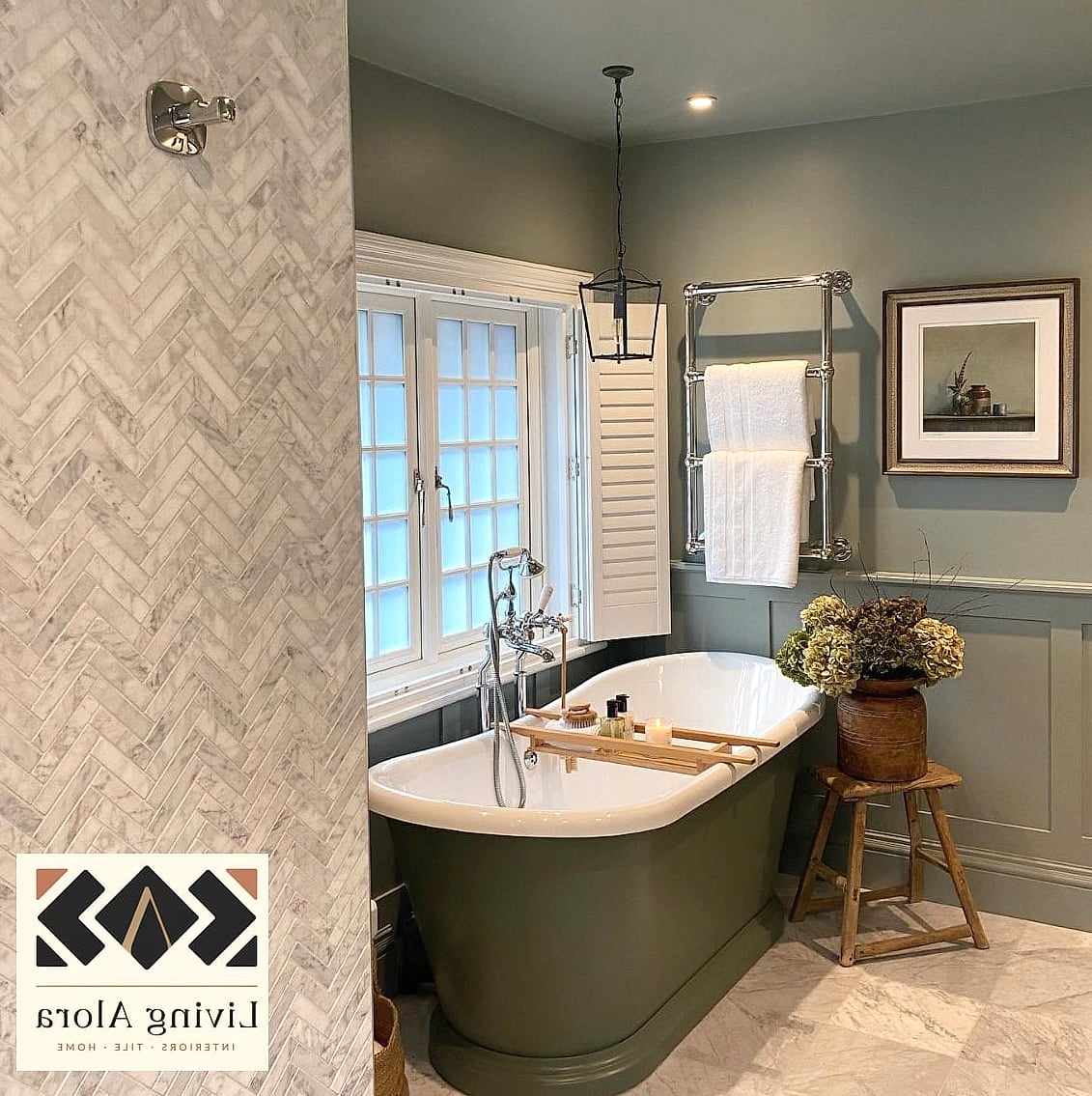
If tile isn’t in the budget right now, board and batten paneling finished with a waterproof, high-gloss paint can serve as a backsplash alternative. It adds architectural interest and can be painted any color, which makes it incredibly flexible for renters or anyone testing out a bold hue before committing to tile.
This works particularly well in a farmhouse or cottage-style bathroom, especially paired with open shelving and woven baskets for storage.
Just make sure to use a paint specifically rated for high-moisture areas, and reapply a fresh coat every couple of years to keep the waterproofing intact.
Handmade Zellige Tile in Warm Neutrals

Zellige tile has been popular in kitchens, but it’s a stunning and slightly unexpected choice for a bathroom backsplash too. Each tile is handmade, so no two are exactly alike, giving the wall a subtle, organic variation that mass-produced tile can’t match.
Warm neutrals like sand, clay, or soft ivory feel especially fresh right now, offering texture and depth without introducing a strong color. It’s a wonderful match for brushed brass or unlacquered fixtures that develop a soft patina over time.
Because zellige is more porous than porcelain, proper sealing is important, and it’s generally best installed by someone experienced with the material.
Vertical Wood Slat Accent with Tile Insert
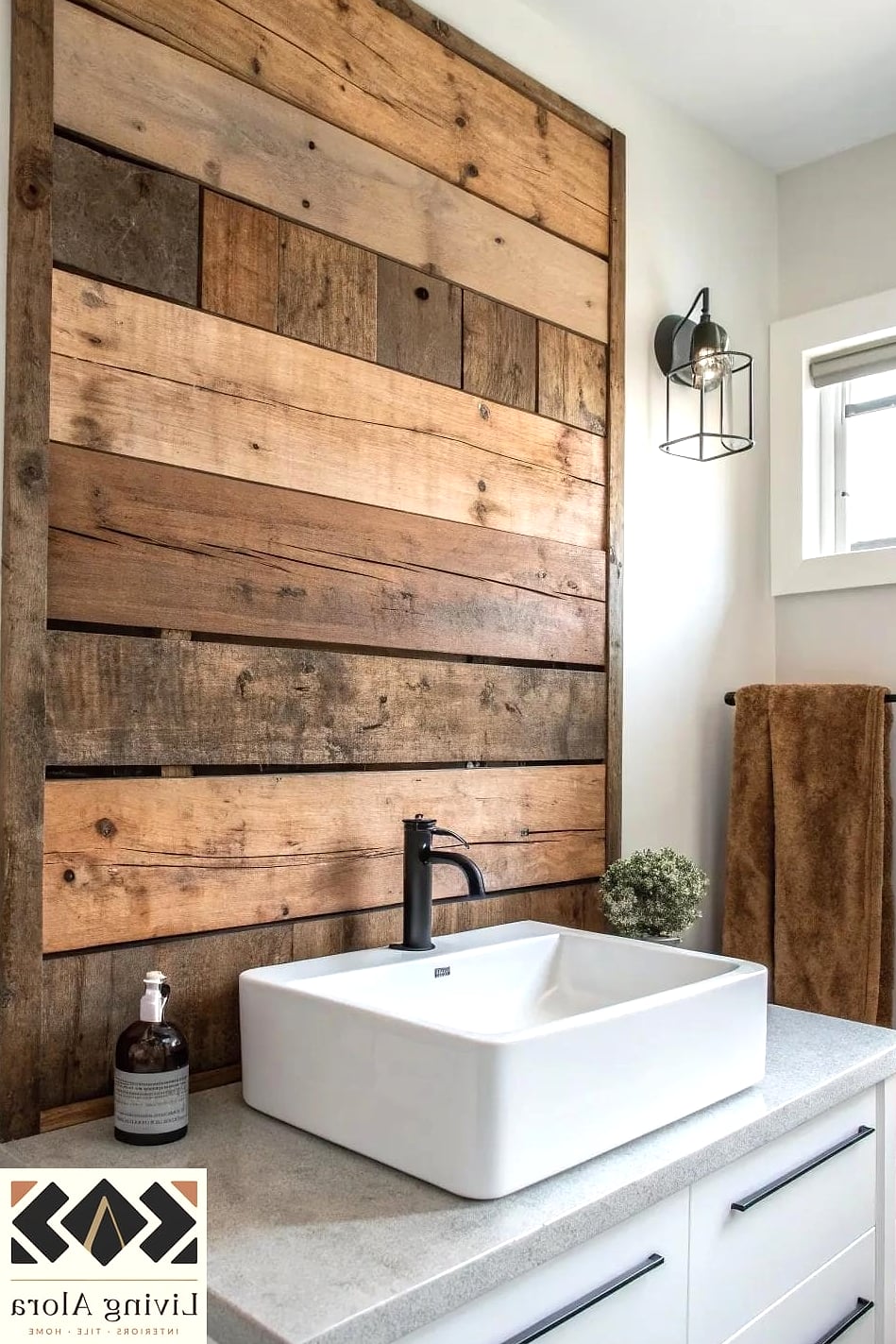
This idea combines two trends into one: wood slat paneling on either side of the sink with a small tile insert directly behind the faucet for splash protection. It gives you the warmth of wood accents while still keeping the most water-exposed area practical.
It’s a great option for a primary bathroom where you want a more furniture-like, spa-inspired feel rather than an all-tile wall. A narrow strip of zellige, marble, or even a bold mosaic tile in the center keeps the functional part protected while the wood does the visual heavy lifting.
This is also a nice middle ground for anyone who loves wood tones but is nervous about moisture. Since only a small section is tiled, it’s a manageable project for a confident DIYer, and it tends to cost less than tiling the entire wall.
Final thoughts
The best part about backsplash trends right now is how much room there is for personality. You don’t have to choose between practical and interesting anymore. Whether you’re drawn to the texture of raw plaster, the playfulness of colored checkerboard, or the quiet luxury of handmade zellige, there’s an option here that can fit almost any budget or skill level.
If you’re mid-renovation and still narrowing things down, it helps to pull a few of these ideas together and see how they’d sit next to your existing vanity, flooring, and fixtures before committing. Small choices like grout color or tile orientation can shift the entire feel of the room more than you’d expect.