13 Modern Subway Tile Ideas That Will Transform Your Space
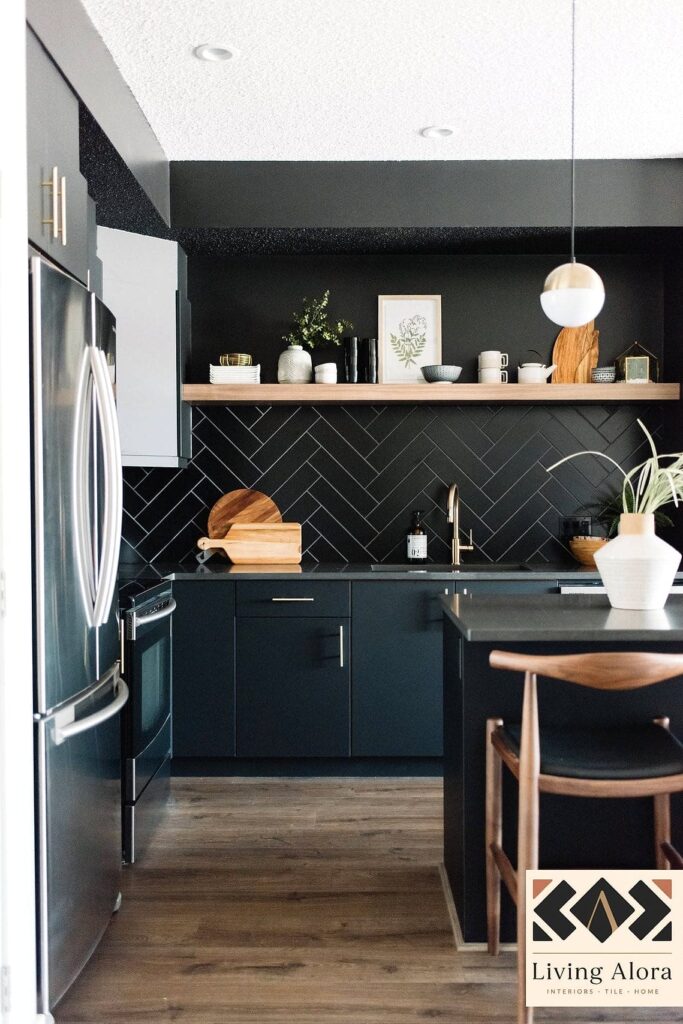
- Classic White Subway Tile with a Modern Twist
- White Subway Tile with Dark Grout
- Herringbone Subway Tile Layout
- Vertical Stack Subway Tile
- Colored Subway Tile for a Bold Statement
- Subway Tile in a Stacked Grid Pattern
- Extra-Large Subway Tile
- Subway Tile Paired with Natural Stone Accents
- Matte Finish Subway Tile
- Subway Tile Extended to the Ceiling
- Zellige-Inspired Subway Tile
- Two-Tone Subway Tile Design
- Peel-and-Stick Subway Tile for Renters
13 Modern Subway Tile Ideas That Will Transform Your Space
Subway tile has been around for over a century, but it’s nowhere close to boring. If anything, it’s more versatile now than ever, thanks to new layouts, colors, and finishes that give this classic shape a fresh identity in any home. Whether you’re renovating a kitchen, updating a bathroom, or just looking for a small project with a big visual payoff, subway tile is one of those materials that adapts to almost any style. Here are 13 modern subway tile ideas worth considering for your next update.
Classic White Subway Tile with a Modern Twist
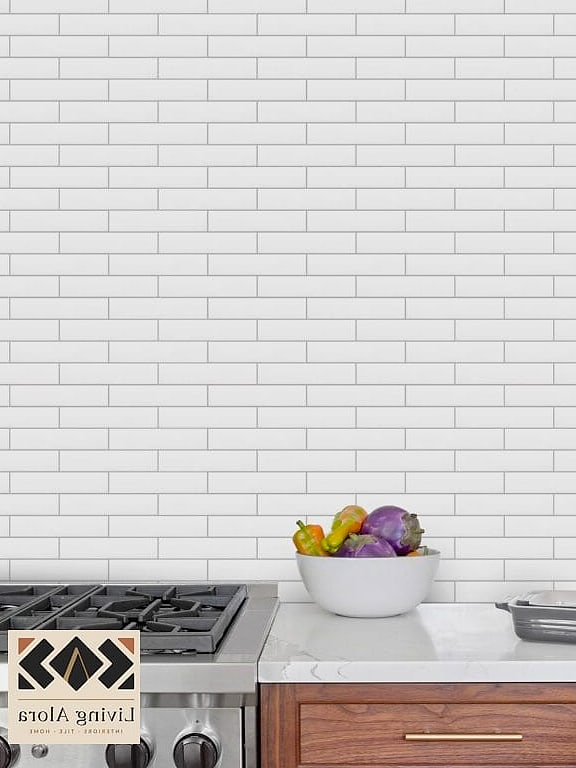
There’s a reason white subway tile never really goes out of style. It’s clean, it bounces light around a room, and it works with pretty much any color palette you throw at it. The modern update comes from how you install and finish it rather than the tile itself.
Instead of the traditional brick pattern, try a tight grout line in a matching white or soft gray. This gives the wall a more seamless, almost monolithic look instead of the choppy grid effect you get with darker grout. It’s a great option for small kitchens or bathrooms where you want brightness without introducing a bold pattern.
Budget-wise, this is one of the most affordable tile choices out there, and it’s widely available at big box stores, so DIYers can usually find everything they need in one trip.
White Subway Tile with Dark Grout
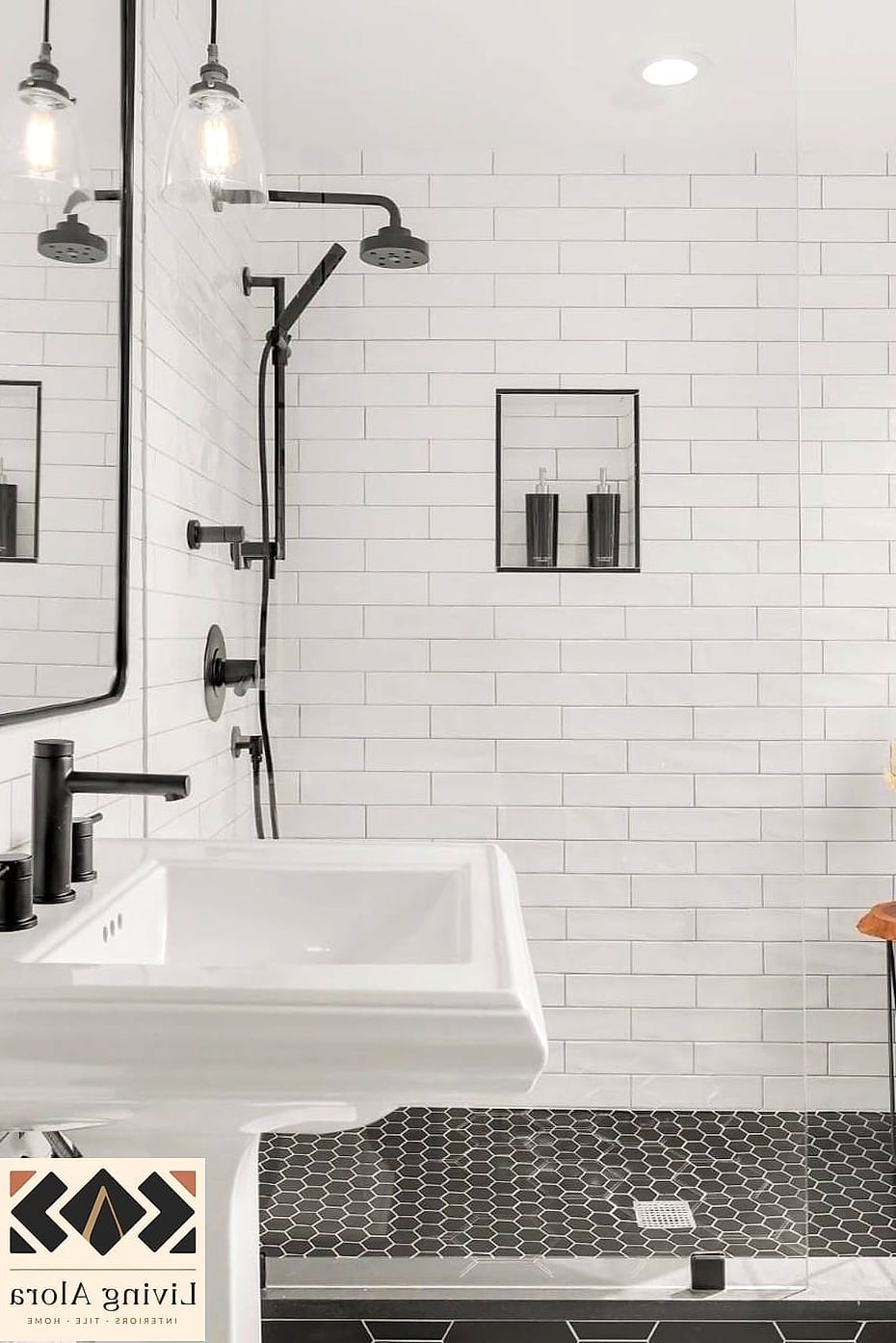
If you want that classic subway tile shape but with more visual punch, swap the white grout for black or charcoal. Suddenly every tile edge is outlined, and the pattern itself becomes the star of the room.
This look works especially well in kitchens with white cabinets, since it adds contrast without introducing another color. It also tends to hide daily grime better than bright white grout, which is a nice bonus for anyone cooking often or dealing with a busy household.
Keep in mind that dark grout does require sealing to prevent staining over time, so factor that into your maintenance routine.
Herringbone Subway Tile Layout
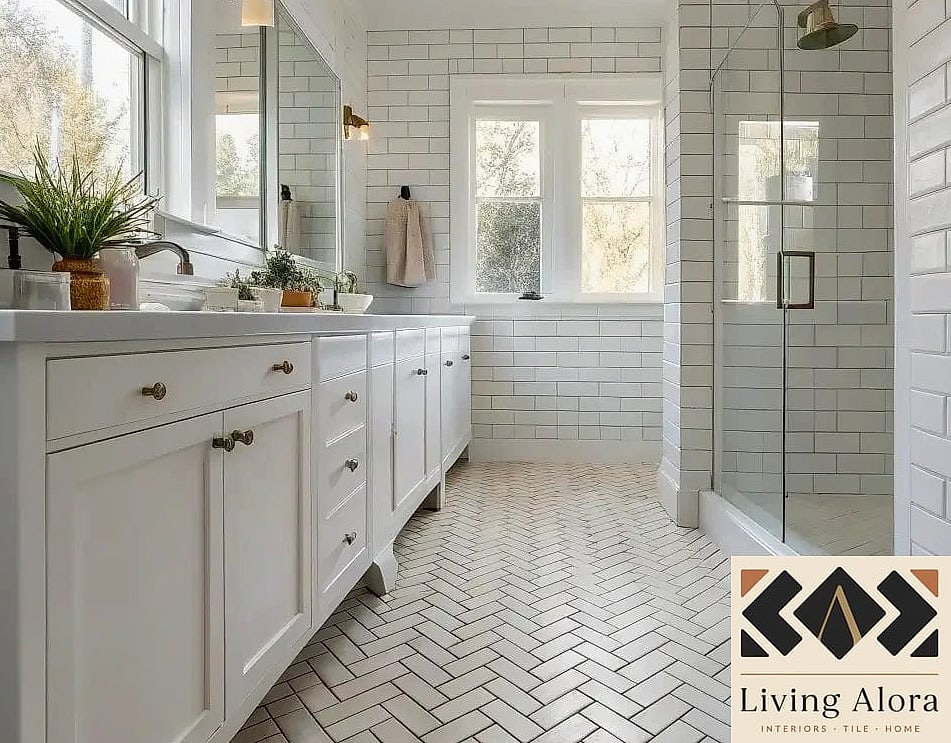
Herringbone is one of the easiest ways to make a familiar tile feel brand new. Instead of laying tiles in straight rows, they’re arranged at an angle to create a zigzag pattern that adds movement and texture to a wall.
This layout shines behind a stove or sink where it becomes a natural focal point. It does take more cutting and planning than a standard layout, so it’s a good candidate for hiring a professional installer if you’re not confident in your tiling skills.
Herringbone works beautifully in both neutral tones and bold colors, so it’s flexible enough to match a farmhouse kitchen or a more contemporary space.
Vertical Stack Subway Tile
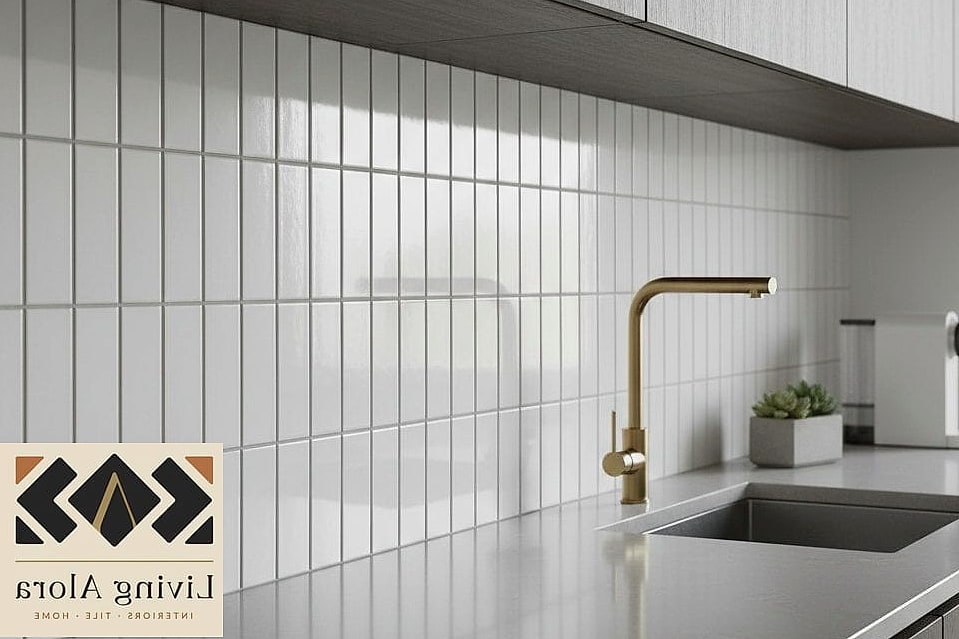
Stacking subway tiles vertically instead of horizontally is a small change that makes a surprisingly big difference. The eye is drawn upward, which can make a room with low ceilings feel taller and more open.
This layout is especially popular in bathrooms, where it pairs nicely with a walk-in shower or a floor-to-ceiling tiled wall. It also tends to read as more modern than a traditional brick pattern, since the clean vertical lines feel more architectural.
Grout lines stay simple with this layout, which also makes cleaning a little more straightforward since there’s less horizontal buildup for grime to settle into.
Colored Subway Tile for a Bold Statement
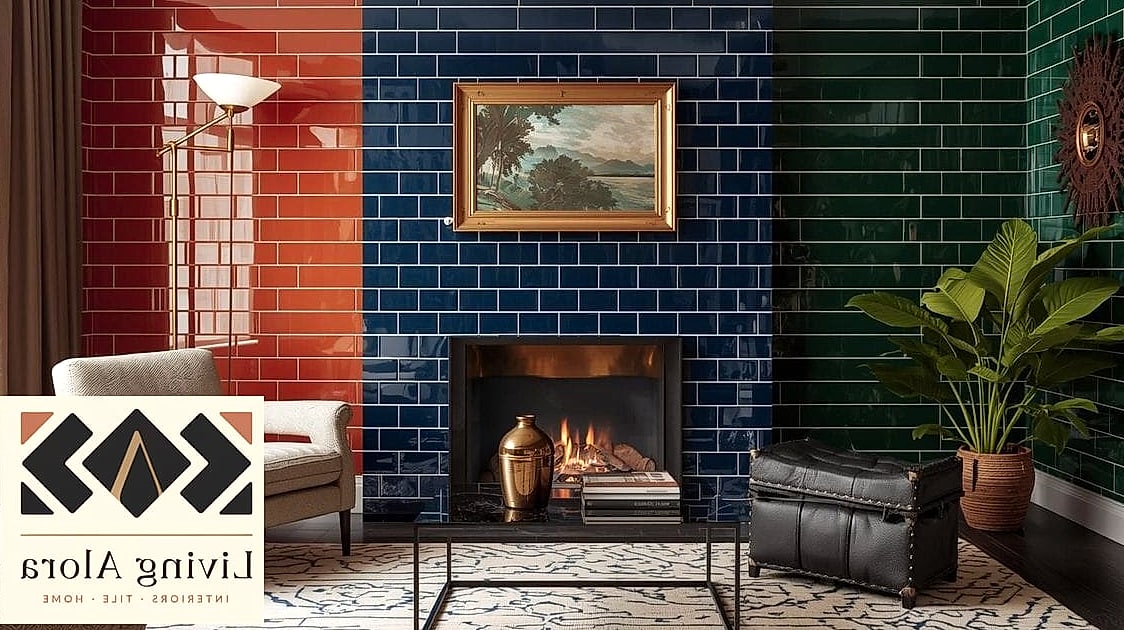
Subway tile doesn’t have to be white or neutral. Soft sage green, muted blue, warm terracotta, and even deep navy are showing up in kitchens and bathrooms as homeowners look for ways to add personality without going overboard.
A colored subway tile backsplash can act as the anchor for an entire room’s color scheme, especially when paired with simple white countertops or cabinetry. It’s a great way to bring in color without committing to painted walls, since tile is easier to keep looking fresh over the years.
If you’re nervous about committing to a bold hue, consider using colored tile in a smaller area, like above a stove or in a powder room, where it feels intentional rather than overwhelming.
Subway Tile in a Stacked Grid Pattern
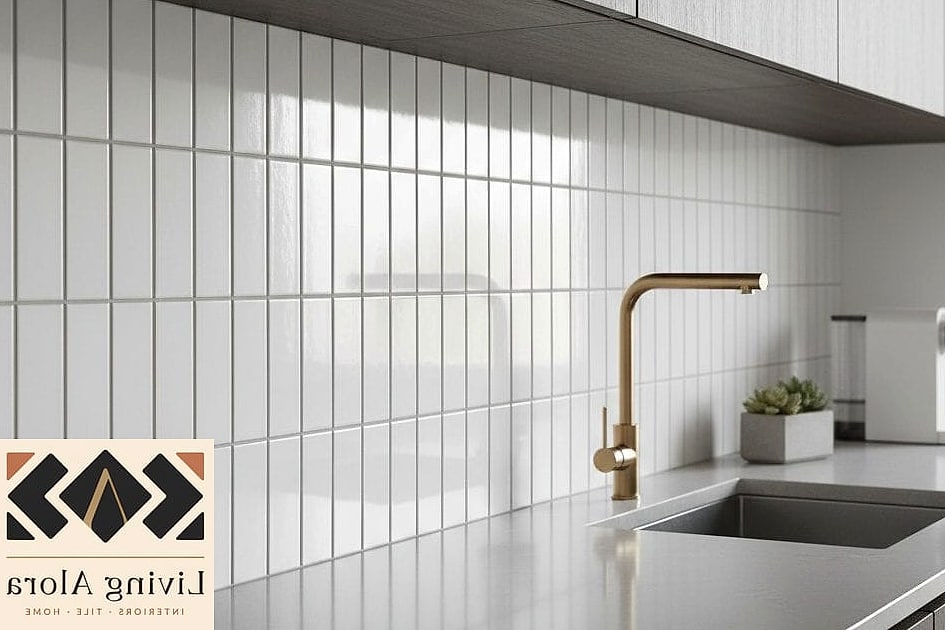
A stacked grid, where tiles line up directly on top of each other rather than offsetting like a brick pattern, gives subway tile an updated, almost tile-mosaic feel. It’s clean, symmetrical, and pairs well with minimalist or contemporary kitchens.
This pattern tends to highlight any inconsistencies in tile size or grout spacing, so precision during installation matters more here than with a traditional layout. It’s worth budgeting a little extra time or hiring a pro if your walls aren’t perfectly even.
The payoff is a backsplash or shower wall that looks intentional and architecturally clean, without needing an unusual tile shape to get there.
Extra-Large Subway Tile
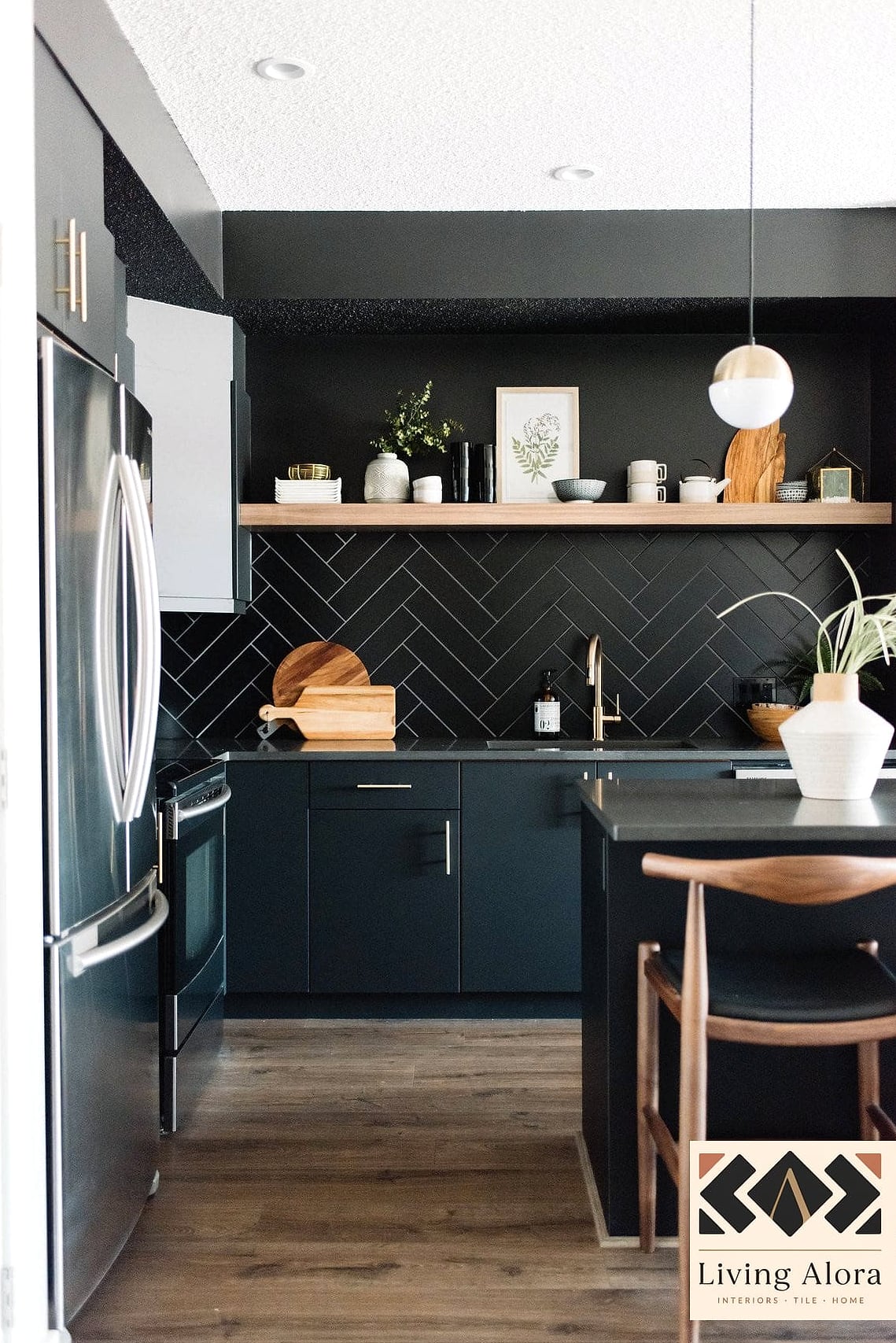
Traditional subway tile measures around 3×6 inches, but oversized versions, sometimes 4×12 or even 4×16, are becoming a popular way to modernize the look. Fewer grout lines mean a cleaner, more streamlined appearance overall.
This works particularly well in larger kitchens or bathrooms where a busier grid pattern might feel too visually heavy. It also cuts down on grout maintenance, since there’s simply less of it to clean or reseal over time.
Extra-large subway tile tends to cost a bit more per square foot than standard sizing, but many homeowners find the reduced installation time and lower maintenance worth the tradeoff.
Subway Tile Paired with Natural Stone Accents

Mixing subway tile with a strip of natural stone, marble, or even a decorative mosaic band adds a layer of texture and interest that plain tile alone can’t achieve. Think a marble accent stripe running through a kitchen backsplash or a stone niche in a shower.
This combination gives you the affordability and simplicity of subway tile while still incorporating a more luxurious material in a smaller, budget-friendly dose. It’s a smart compromise if full marble tiling feels out of reach financially.
Just keep in mind that natural stone requires more maintenance than ceramic or porcelain subway tile, including periodic sealing to prevent staining.
Matte Finish Subway Tile
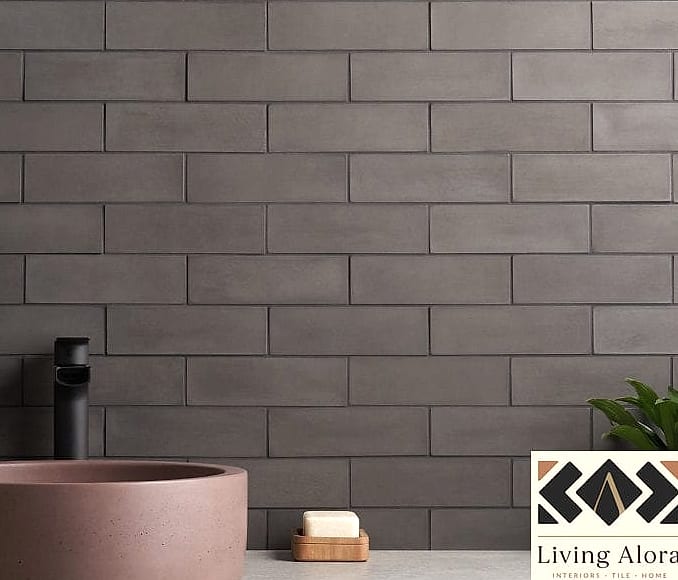
Glossy subway tile has been the standard for decades, but matte finishes are quickly gaining popularity for their softer, more understated look. Matte tile tends to hide water spots and fingerprints better than its shiny counterpart, which is a practical win in kitchens and bathrooms alike.
This finish pairs especially well with warm wood tones and brushed brass or matte black hardware, giving the whole space a more grounded, earthy feel rather than a stark, reflective one.
It’s worth noting that matte tile can sometimes show scuffs more visibly than glossy tile, so it’s a good idea to keep a gentle, non-abrasive cleaner on hand for regular upkeep.
Subway Tile Extended to the Ceiling
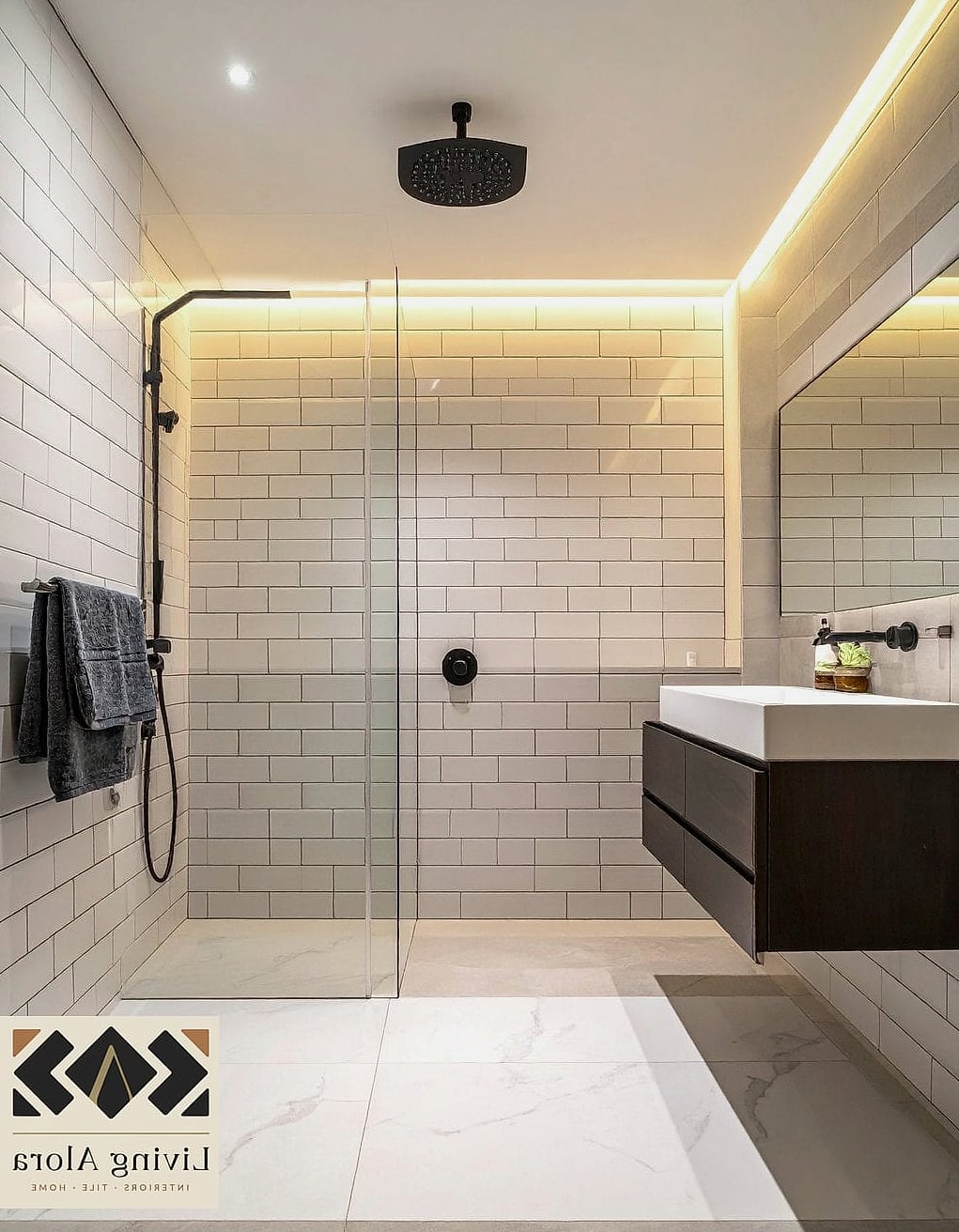
Rather than stopping a tiled backsplash or shower wall at the standard height, running subway tile all the way to the ceiling creates a dramatic, high-end look. It draws the eye upward and makes the whole room feel more finished and cohesive.
This approach works particularly well in showers, where full coverage also helps protect walls from moisture damage over the long run. In kitchens, a full-height tiled wall behind open shelving can look striking, especially when paired with simple black or wood shelf brackets.
The tradeoff is cost and labor, since more tile and more cutting are involved, but many homeowners find the visual impact worth the investment.
Zellige-Inspired Subway Tile
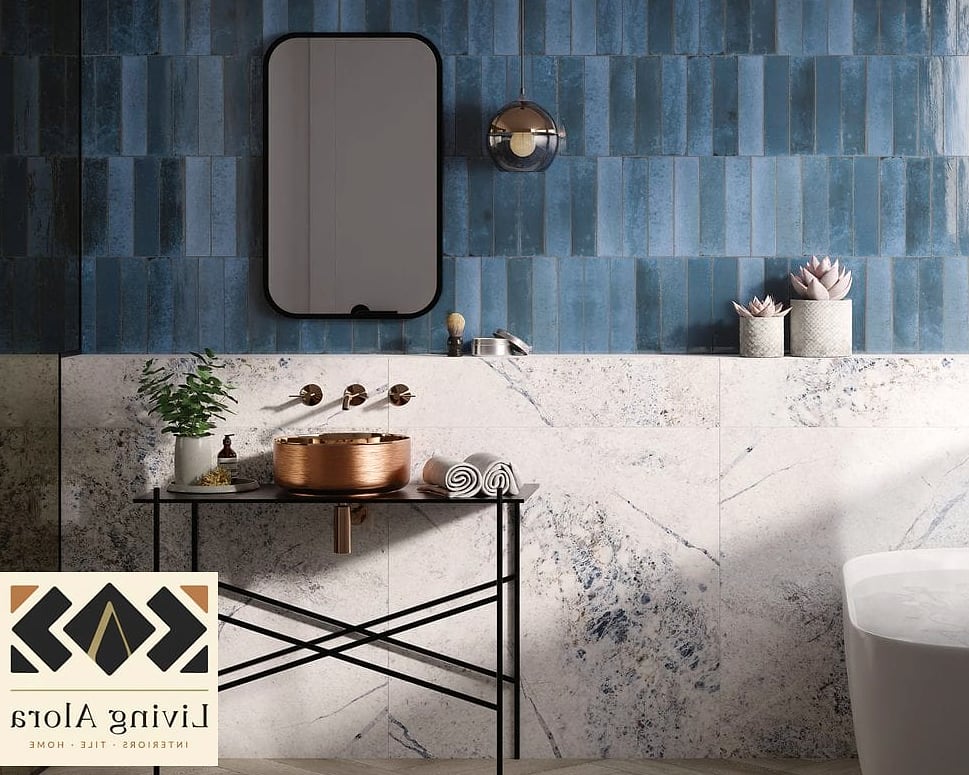
Zellige tile, with its handmade, slightly irregular surface, has become hugely popular in recent years, and manufacturers have responded with subway-shaped tiles that mimic that same organic, artisanal texture at a more accessible price point.
These tiles catch light differently across each piece, giving a wall subtle variation and depth that flat, machine-made tile can’t replicate. It’s a lovely option for anyone wanting a handcrafted feel without sourcing authentic, and often pricier, imported zellige.
This style tends to look best with simple, minimal grout lines so the texture of the tile itself remains the focal point rather than a busy grid pattern competing for attention.
Two-Tone Subway Tile Design
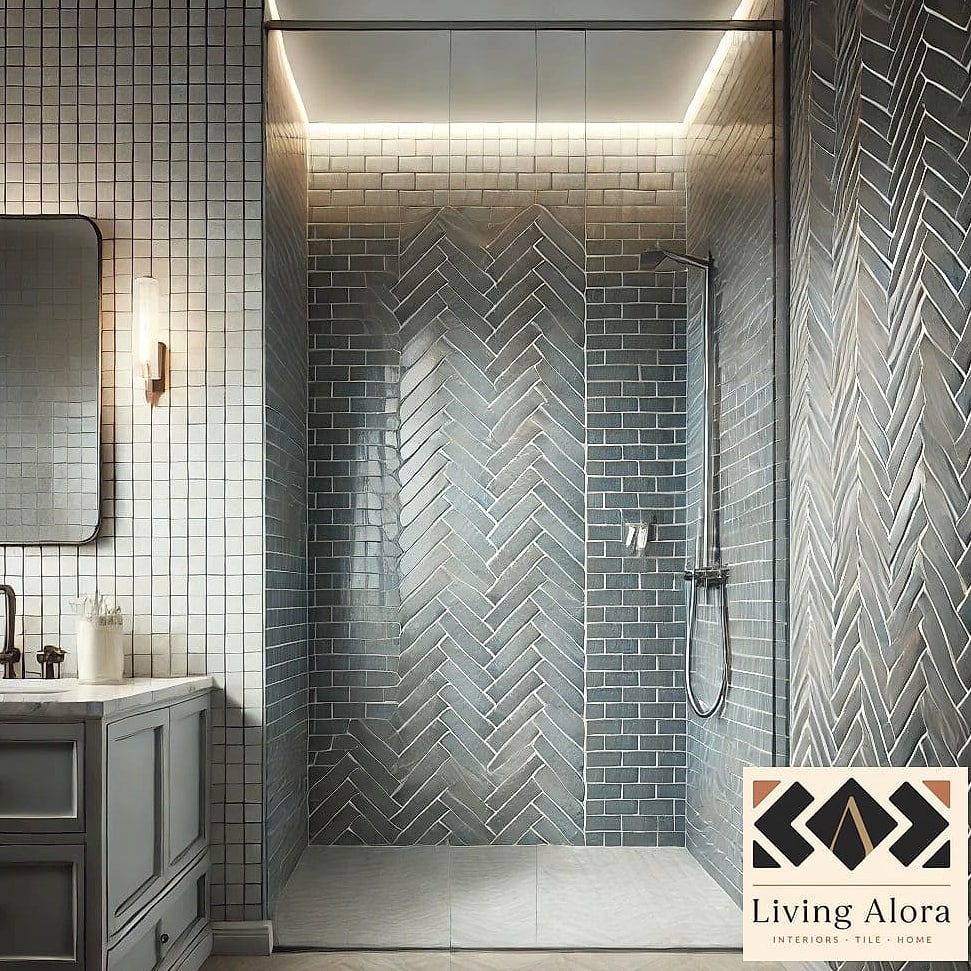
Combining two different colors of subway tile, like a light and dark shade of the same hue, creates a layered, custom-looking wall without needing a fancy pattern or expensive material. Think a lower band of navy tile topped with a lighter blue above, divided by a simple trim piece.
This approach is particularly popular in kitchens where a two-tone tile wall echoes two-tone cabinetry, tying the whole room together. It’s also a fun way to define zones in an open floor plan, like separating a coffee bar area from the main cooking space.
Because it uses standard subway tile in two colors rather than a specialty pattern, this idea tends to stay fairly budget-friendly while still looking custom.
Peel-and-Stick Subway Tile for Renters
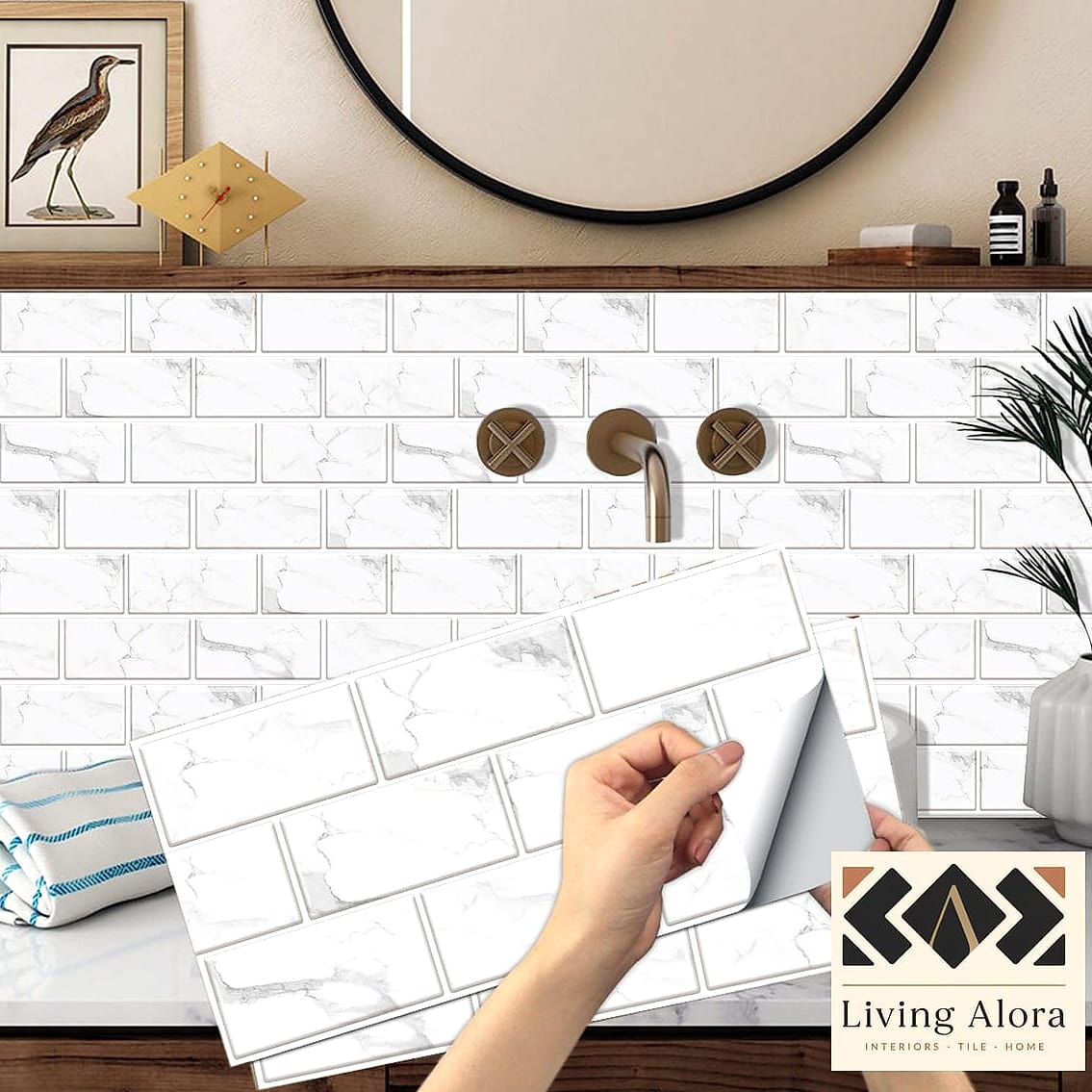
Not everyone can rip out tile and start fresh, and that’s where peel-and-stick subway tile options come in handy. These renter-friendly products mimic the look of real ceramic tile using durable vinyl or gel materials that adhere directly to existing backsplashes or walls.
They’re an easy weekend project, typically requiring nothing more than a clean surface, a utility knife, and some patience with measuring. Many modern versions look surprisingly convincing, especially from a few feet away, and they can be removed without damaging the wall underneath when it’s time to move.
This is a great low-commitment way to test out a subway tile look, whether it’s classic white or something bolder, before deciding if it’s worth a permanent installation down the road.
Subway tile keeps earning its spot as a design staple because it bends to fit whatever style you’re going for, from a clean traditional kitchen to a moody modern bathroom. The shape stays familiar, but between colors, layouts, finishes, and pairings, there’s a version of it here for nearly every home and budget. Pick the direction that fits your space, and you’ll end up with a wall that feels both timeless and distinctly yours.