18 Granite Backsplash Ideas That Will Transform Your Space
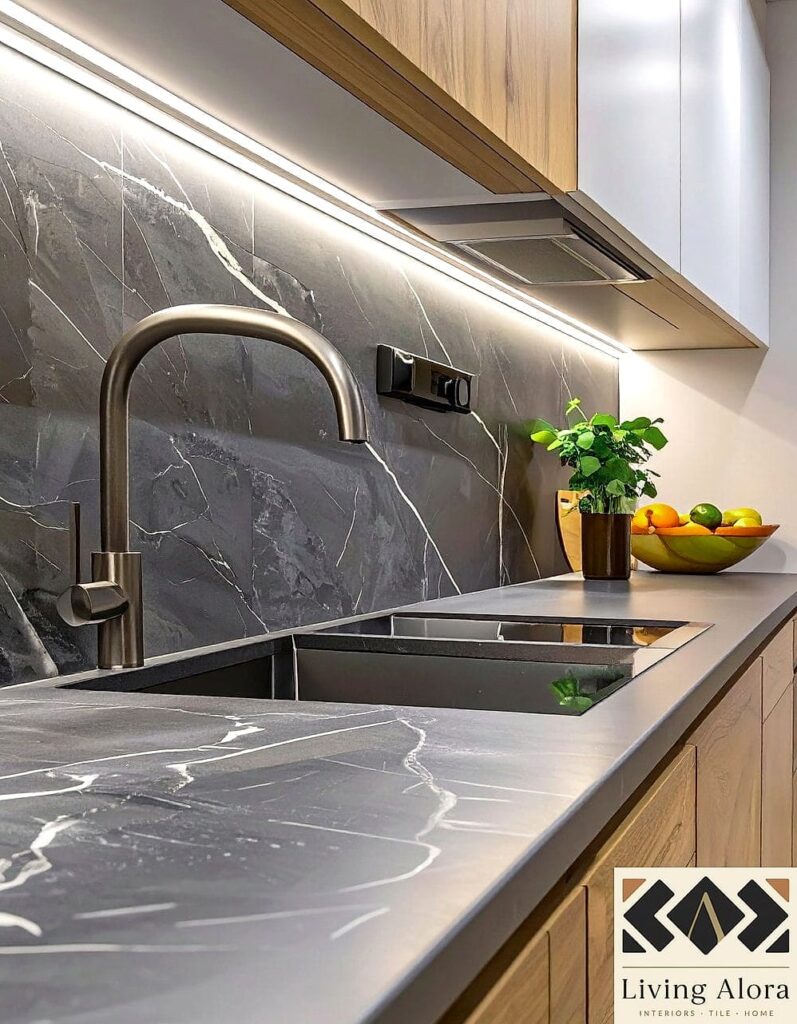
- Full Height Slab Backsplash
- Matching Slab and Countertop Combo
- Granite Tile Backsplash
- Black Granite for Bold Contrast
- Warm Gold and Bronze Granite Tones
- Granite Herringbone Pattern
- Vertical Stacked Granite Tiles
- Granite Accent Behind the Range
- Leathered Granite Finish
- Honed Matte Granite
- Granite Mosaic Tile Accents
- Granite Paired with Open Shelving
- Granite Backsplash with Under-Cabinet Lighting
- Two-Tone Granite Backsplash
- Granite Backsplash in a Small Kitchen
- Granite Backsplash with a Waterfall Edge
- Budget-Friendly Peel-and-Stick Granite-Look Backsplash
- Granite Backsplash Paired with Butcher Block Counters
18 Granite Backsplash Ideas That Will Transform Your Space
Granite gets a lot of love as a countertop material, but it’s honestly underrated as a backsplash. It’s tough, it’s naturally beautiful, and no two slabs look exactly alike, so your kitchen ends up with a little built-in personality. If you’ve been staring at plain painted walls above your counters and wondering what to do next, granite might be the answer you didn’t know you were looking for.
Below are 18 ways to use granite as a backsplash, from full slab statements to small accent details. Pick one that fits your kitchen’s vibe, your budget, and how much maintenance you’re actually willing to do.
Full Height Slab Backsplash
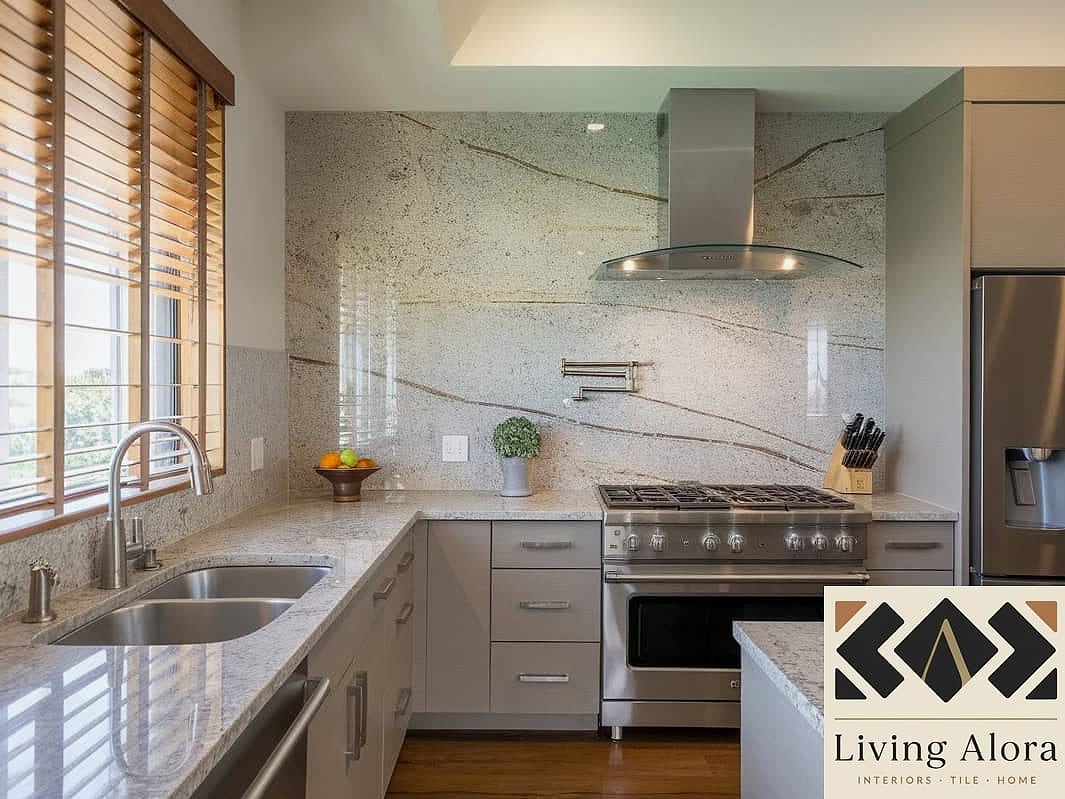
This is the ultimate granite moment: one continuous slab running from the countertop all the way up to the upper cabinets or ceiling. There are zero grout lines to worry about, which means less cleaning and a super sleek finished look.
It works especially well behind a stove where a slab backsplash also doubles as a heat-resistant, easy-wipe surface. The upfront cost is higher than tile, but you’re basically buying yourself a lifetime of low-maintenance walls.
Matching Slab and Countertop Combo
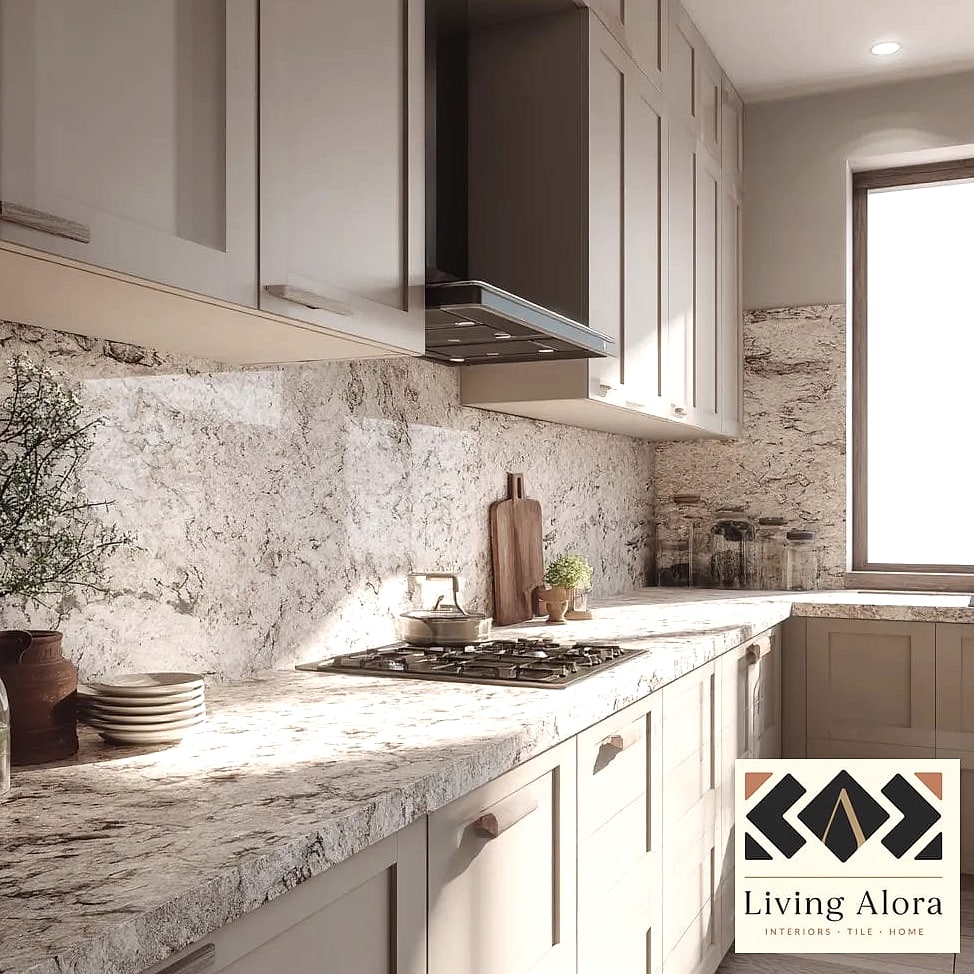
When your backsplash is cut from the same slab as your countertop, the veining lines up almost seamlessly, and the whole kitchen reads as one cohesive design moment. It’s a favorite among people who want a polished, high-end look without a lot of visual clutter.
This works best in kitchens with simple, streamlined cabinetry, since the granite itself becomes the star. Ask your fabricator to book-match the slabs if you want that mirrored, almost artistic pattern where the backsplash literally continues the story of the counter.
Granite Tile Backsplash
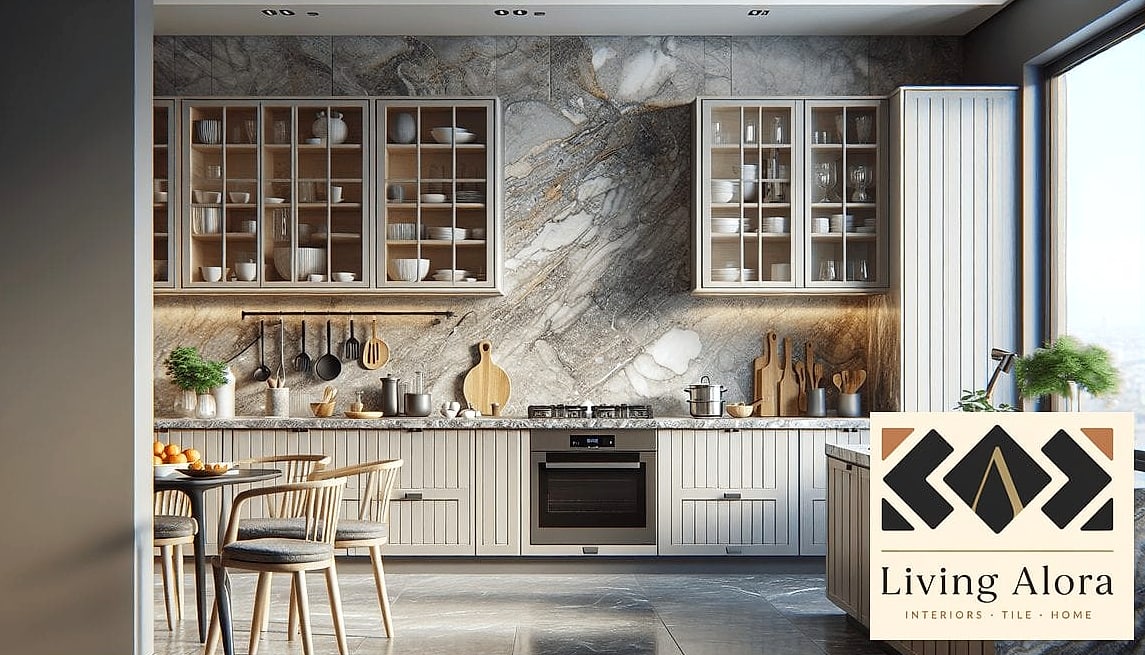
Not ready to commit to a full slab? Granite tiles give you that same natural stone texture in a more budget-friendly, DIY-friendly format. They install pretty much like any other tile, so if you’ve hung ceramic before, you can handle this.
Standard sizes run from small mosaics up to larger 12×12 squares, and you can mix and match depending on the pattern you’re going for. It’s a smart middle ground for people who love the look of granite but aren’t ready for slab-level pricing.
Black Granite for Bold Contrast
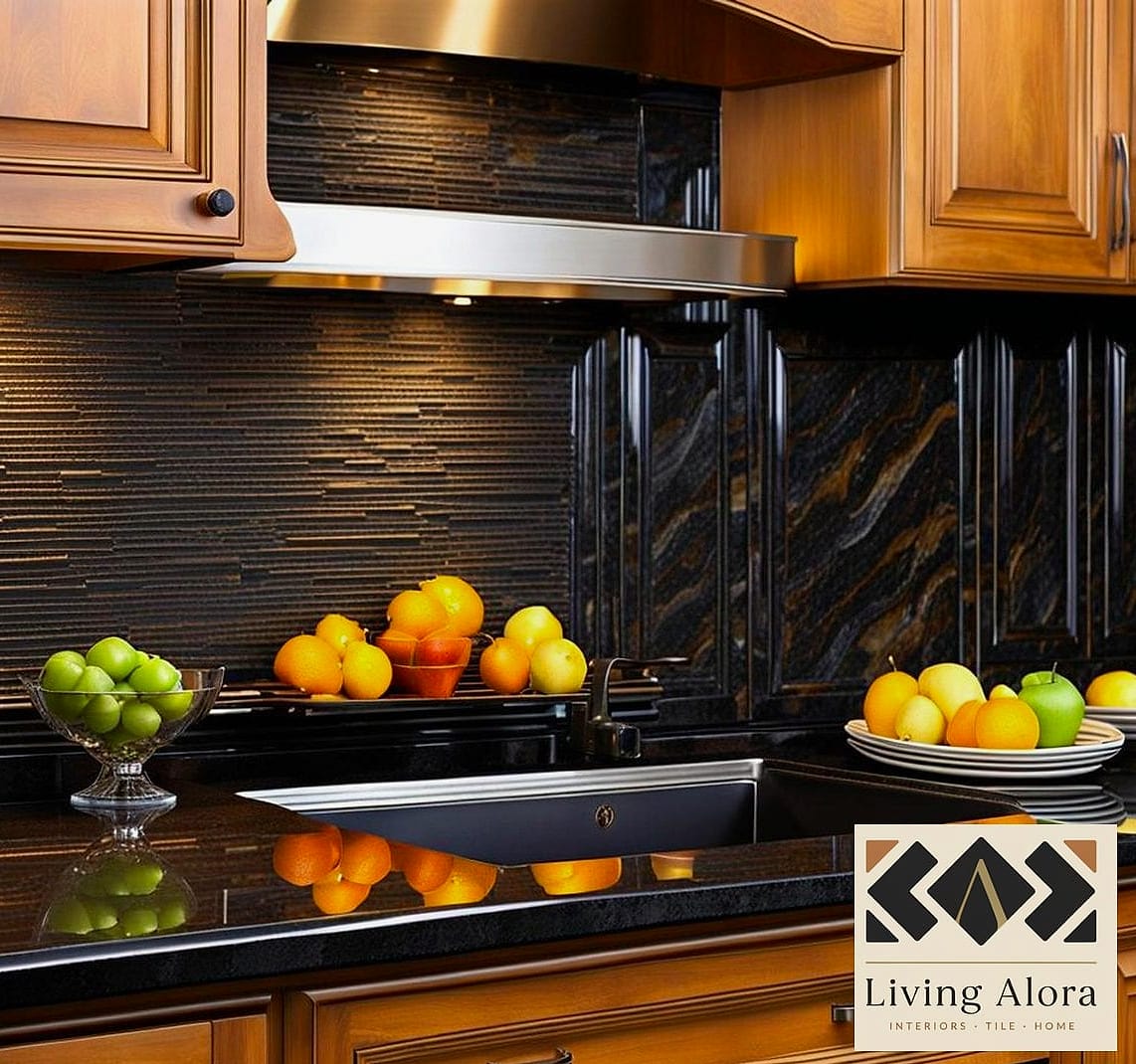
Black granite backsplashes bring instant drama, especially against white or light wood cabinetry. Absolute Black granite is the classic go-to here since it reads almost solid but still has subtle flecks of mineral shimmer when the light hits it.
It pairs beautifully with brushed brass hardware or matte black fixtures for a moody, modern kitchen. Just know that darker stone can show water spots more than lighter colors, so a quick wipe-down after cooking keeps it looking sharp.
Warm Gold and Bronze Granite Tones
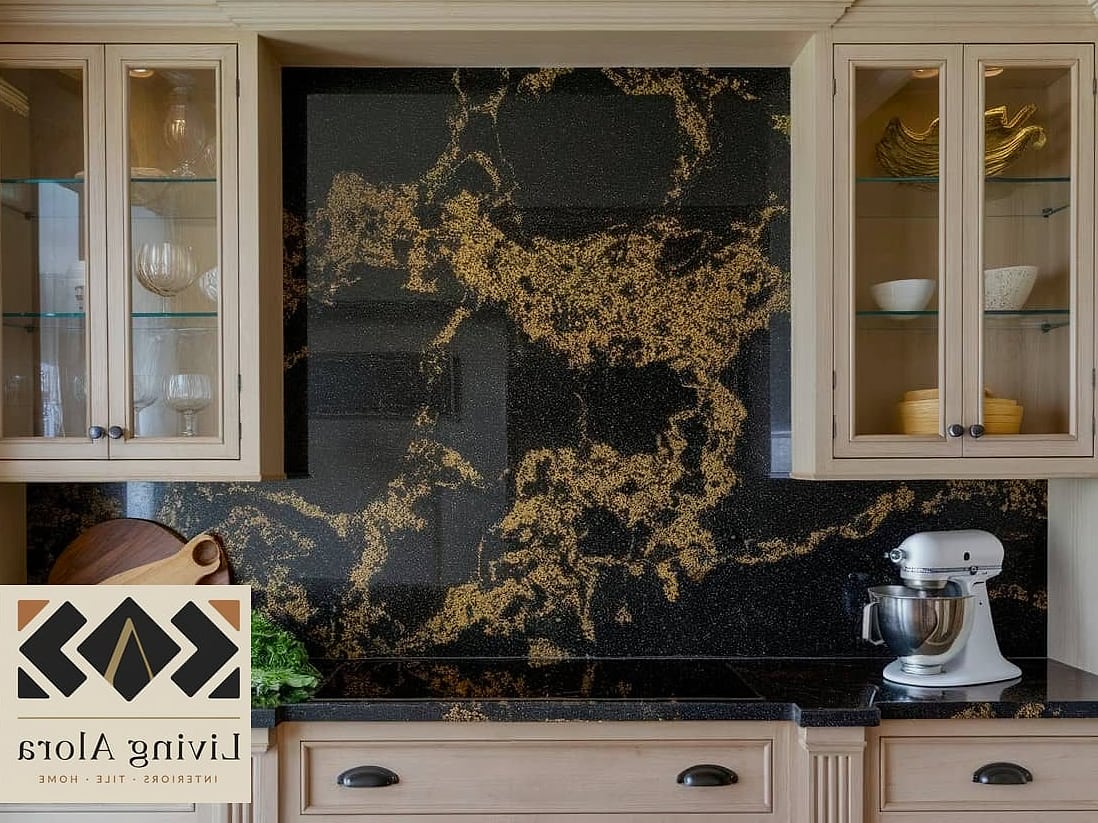
If your kitchen leans warm, with wood cabinets, brass accents, or a cozy farmhouse feel, look for granite in golden, bronze, or amber tones. Colors like Giallo Ornamentale or Bordeaux bring warmth without feeling dated.
These stones tend to hide fingerprints and minor splatters really well, which makes them a practical pick for busy family kitchens. Pair with warm wood open shelving for a backsplash that feels grounded and inviting rather than cold.
Granite Herringbone Pattern
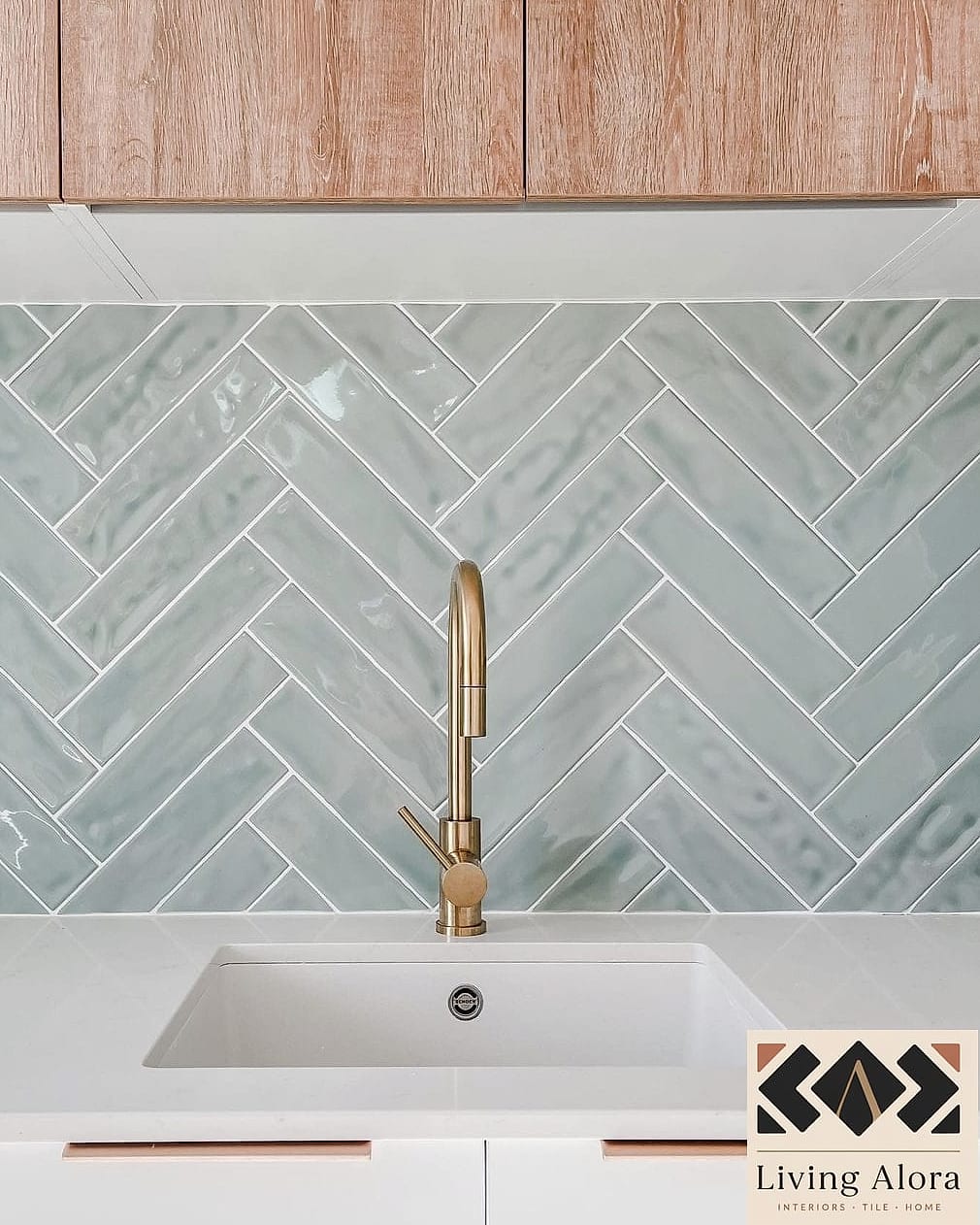
Cutting granite tiles into a herringbone layout takes an already interesting material and gives it even more movement. The zigzag pattern catches light differently depending on the angle, so the wall almost seems to shift as you walk past it.
This is more of a splurge in labor costs since herringbone takes longer to install than a straight grid. But for anyone who wants their kitchen to feel a little more custom, it’s worth asking your installer for a quote.
Vertical Stacked Granite Tiles
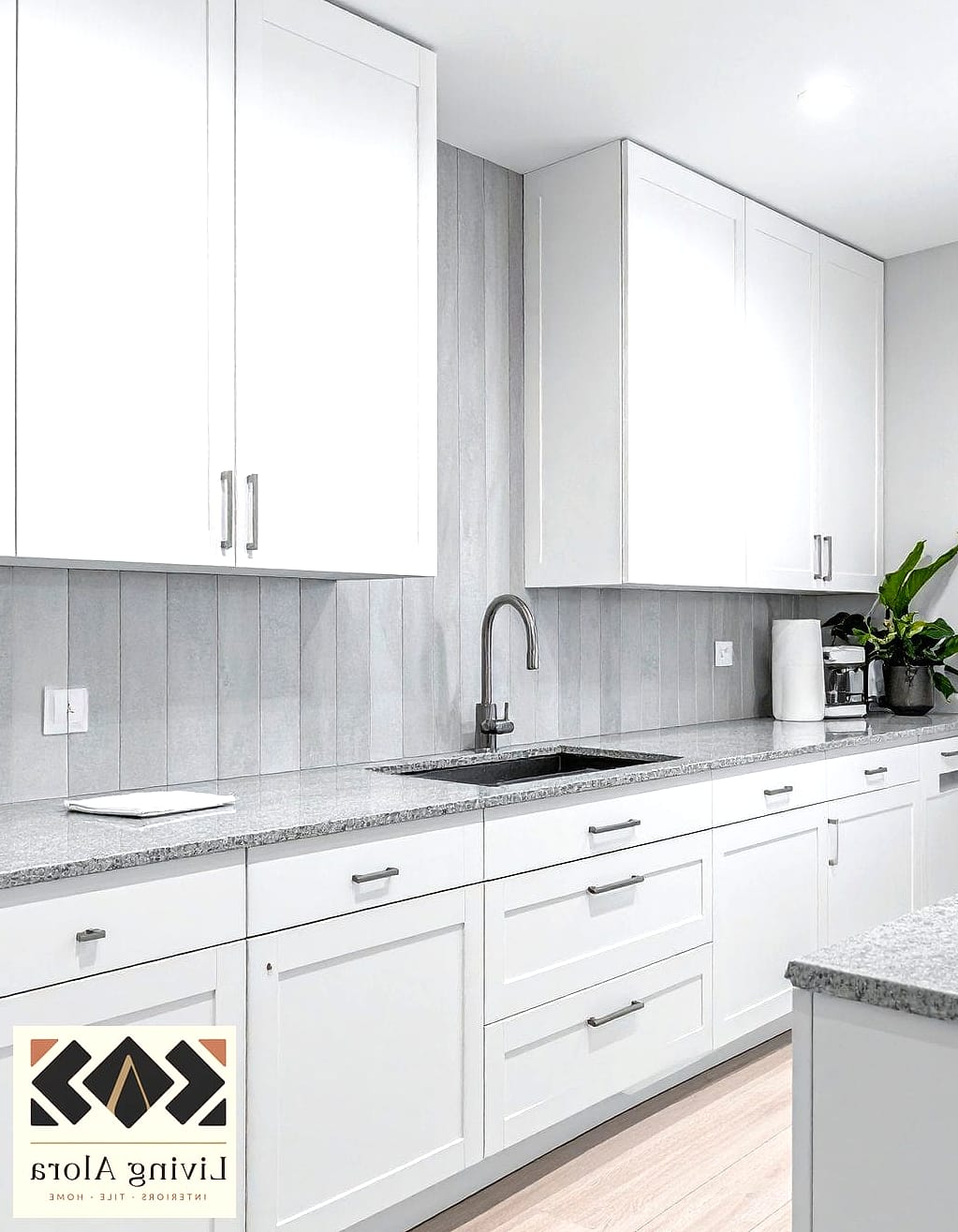
Instead of the usual horizontal layout, try installing granite tiles in a vertical stack. This draws the eye upward and can make a kitchen with lower ceilings feel taller than it actually is.
It’s a subtle trick that a lot of people overlook. Vertical installation works particularly well in narrow spaces between counters and upper cabinets where you want the eye to travel up rather than side to side.
Granite Accent Behind the Range
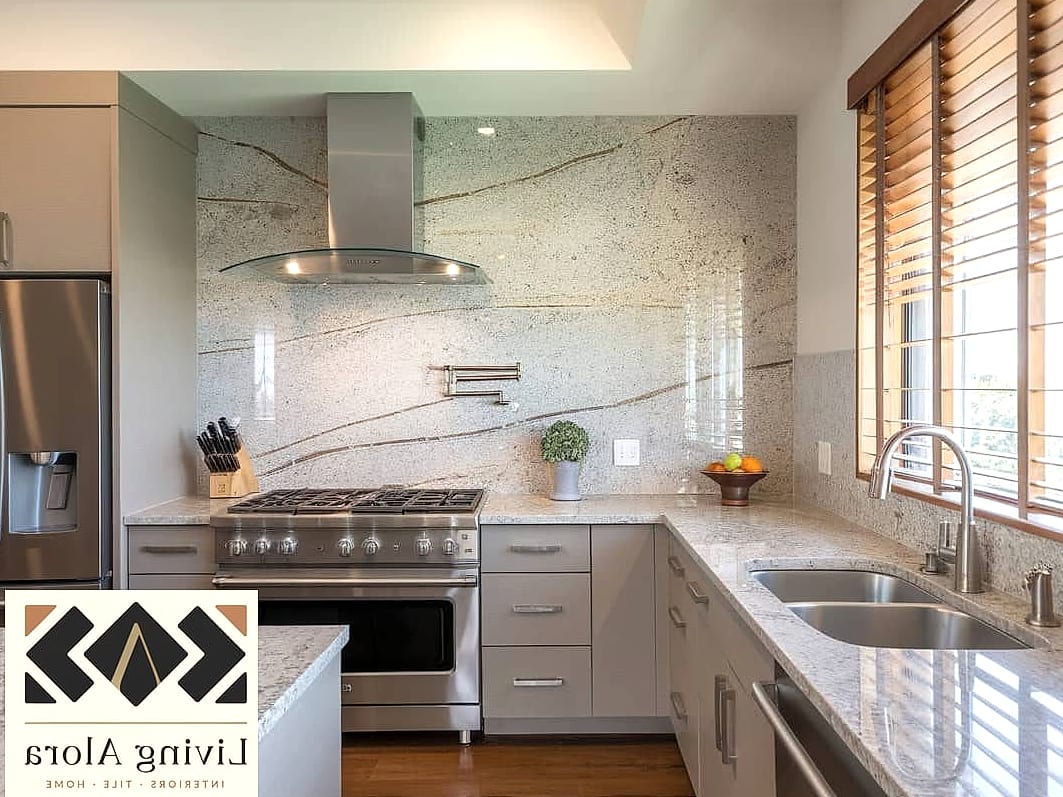
You don’t need granite everywhere to get the benefit. Installing it just behind the stove as an accent panel gives you a durable, heat-safe surface exactly where you need it most, without the cost of doing the whole wall.
This is a great option if you’re working with a smaller budget but still want that natural stone texture front and center. Frame the accent with simple tile or paint on either side to make it feel intentional rather than incomplete.
Leathered Granite Finish
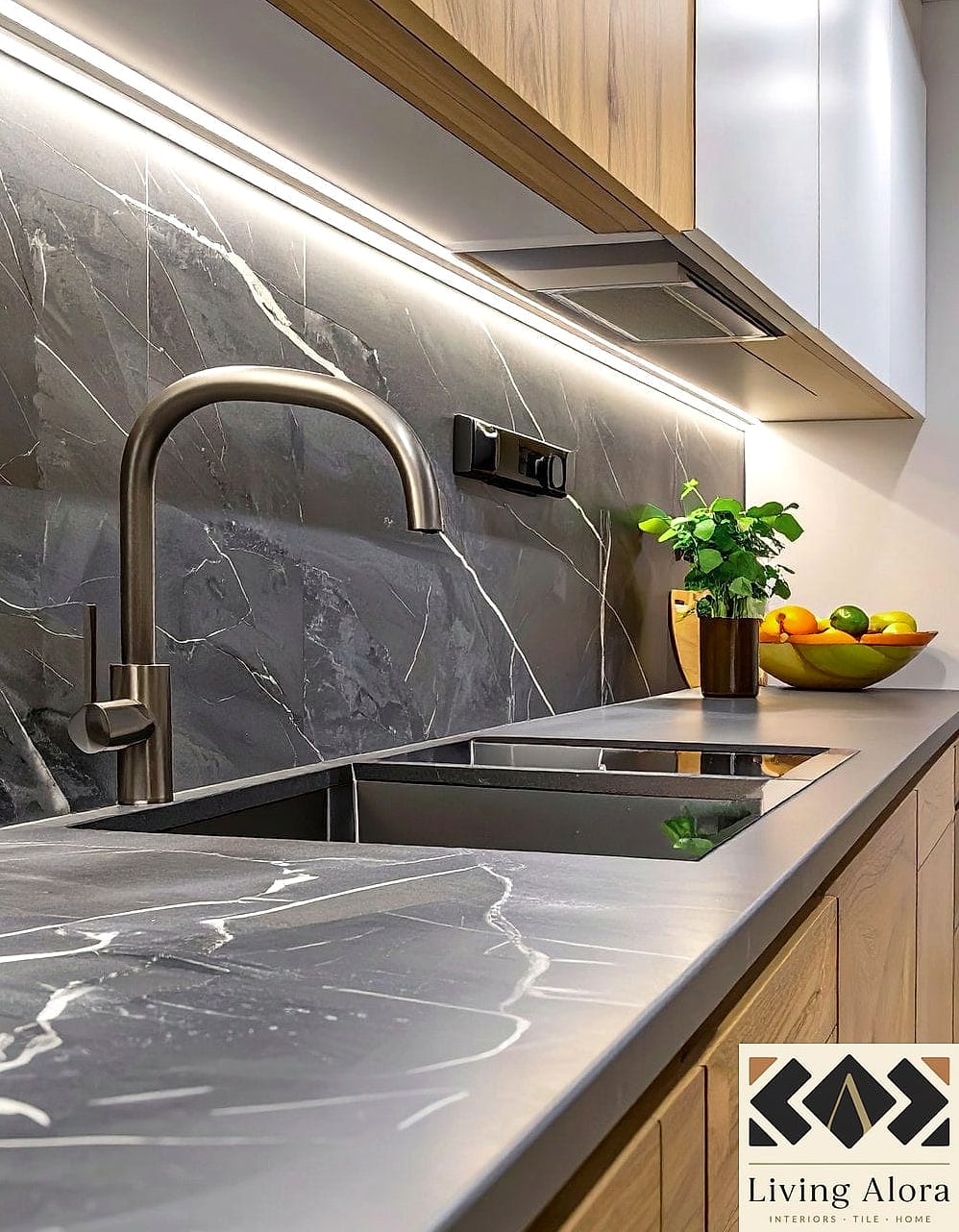
Most people picture granite as glossy, but a leathered finish sands it down to a soft, textured surface with a slight sheen instead of a mirror shine. It feels almost like touching suede, and it hides fingerprints and water spots far better than polished stone.
This finish works beautifully in kitchens going for a more organic, less formal feel. It’s also genuinely nice to run your hand across, which sounds minor until you’re standing at the sink every day.
Honed Matte Granite
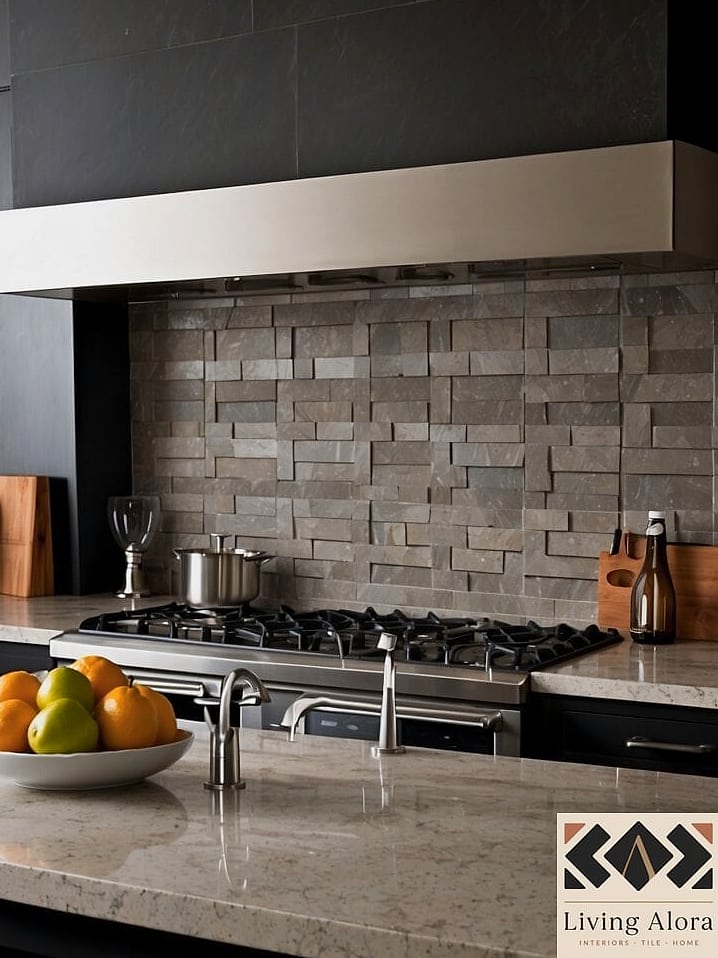
Honed granite is ground to a flat matte finish with no shine at all, which gives it a soft, almost concrete-like appearance. It’s a popular pick right now for people chasing that quiet, minimalist kitchen trend.
Because there’s no gloss to catch the light, honed granite tends to look more subtle and less “busy” than polished stone, even in colors with a lot of veining. It’s a solid choice if you want the durability of granite without it stealing all the attention.
Granite Mosaic Tile Accents
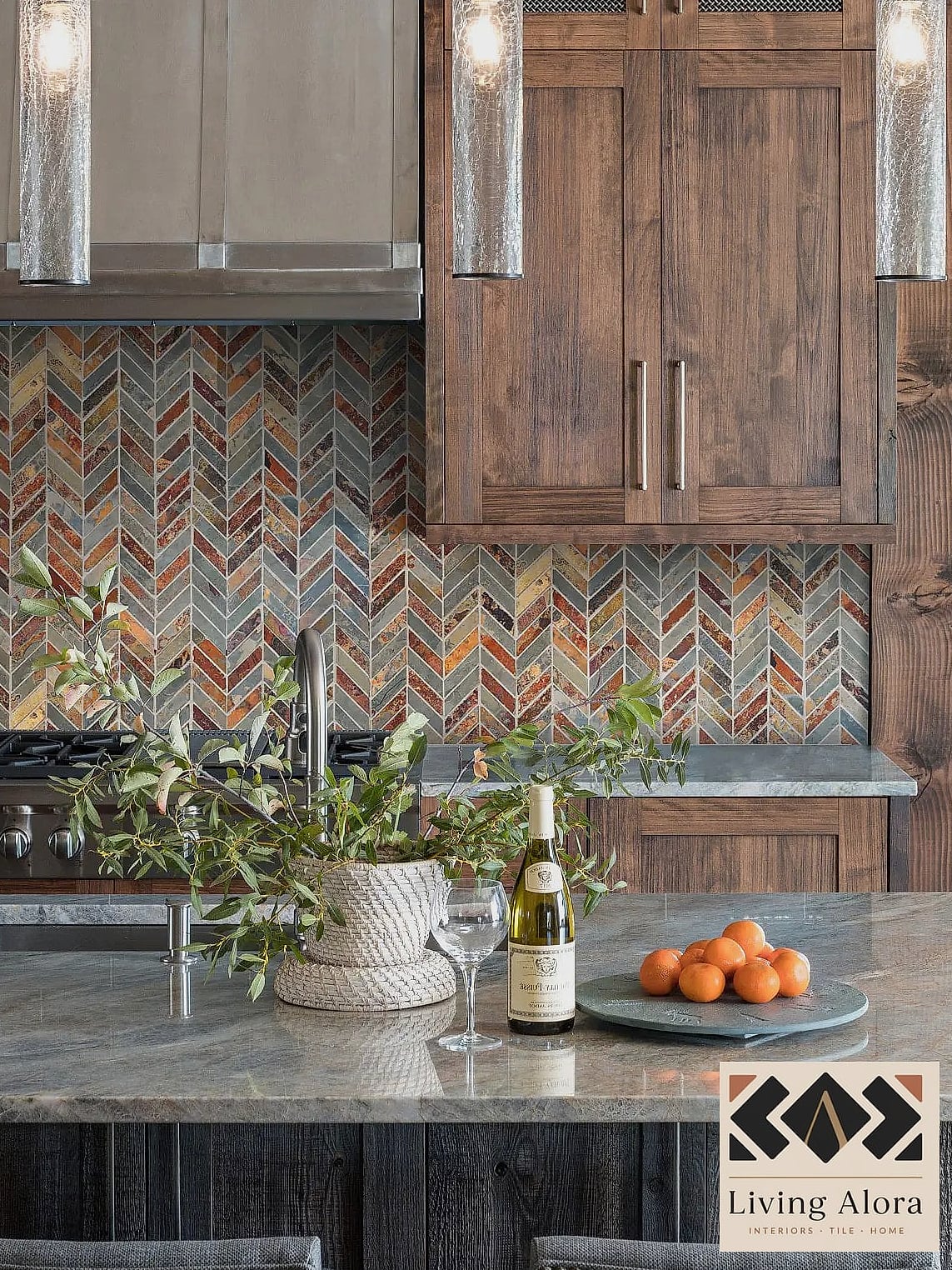
Small granite mosaic tiles, usually mounted on mesh sheets, are an easy way to add texture and interest without covering your whole wall in stone. They work great as a border, a inset stripe, or a small accent zone above the sink.
Because the pieces are tiny, this option is more forgiving for a first-time DIYer than large-format tile. Mix a few different granite colors in one mosaic sheet for a subtle, speckled look that hides everyday mess really well.
Granite Paired with Open Shelving
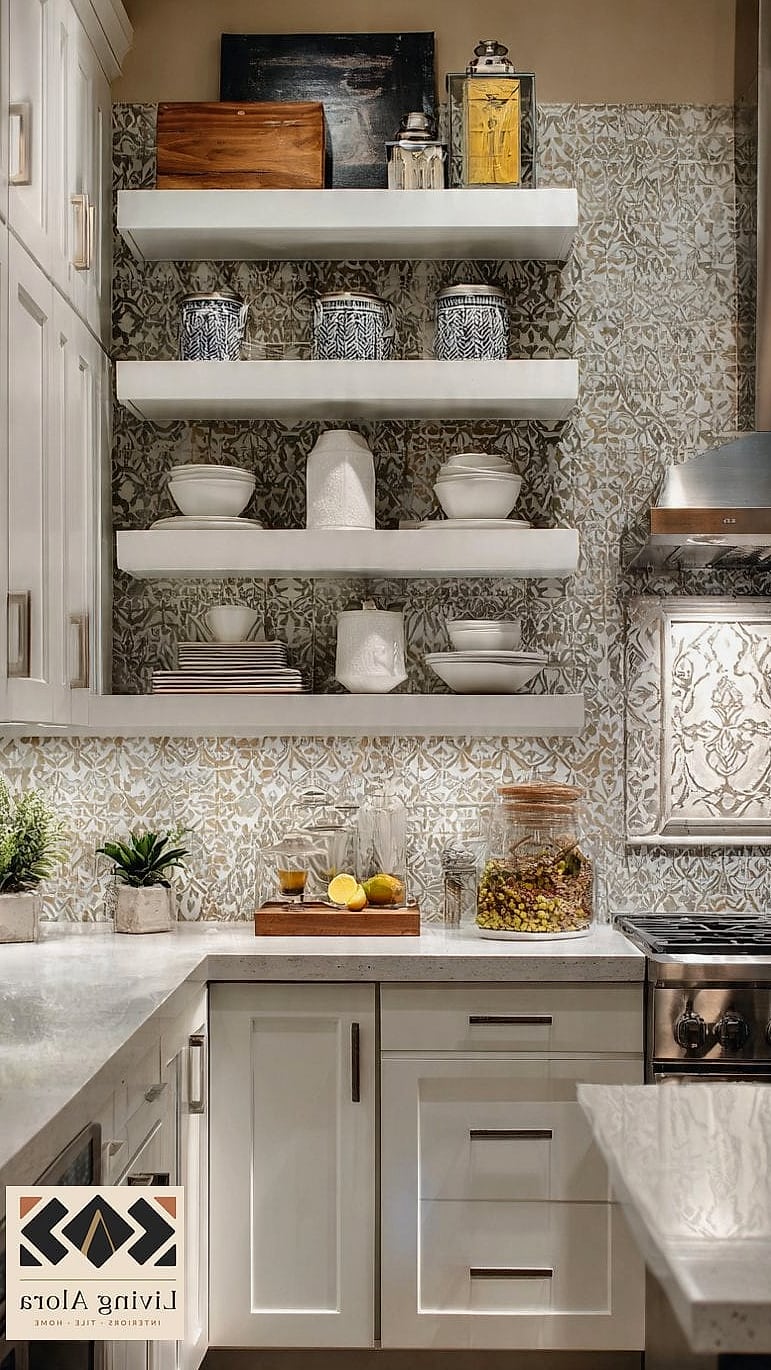
Swap out your upper cabinets for open shelving and let the granite backsplash serve as the backdrop for your dishes, plants, and favorite mugs. The stone’s natural pattern adds depth behind the shelves instead of a plain flat wall.
This combo is popular in farmhouse and modern-organic kitchens where the goal is a lived-in, curated feel. Just keep in mind open shelving does mean more visible dust, so you’ll want to wipe things down more often than you would with closed cabinets.
Granite Backsplash with Under-Cabinet Lighting

Adding layered lighting underneath your upper cabinets really shows off granite’s natural depth and mineral flecks, especially at night. LED strip lights are affordable, easy to install, and make a huge difference in how the stone reads.
This is one of those upgrades that instantly makes a kitchen feel more custom without requiring a full renovation. It also just makes cooking after dark easier, since you’re not relying on one overhead fixture for everything.
Two-Tone Granite Backsplash
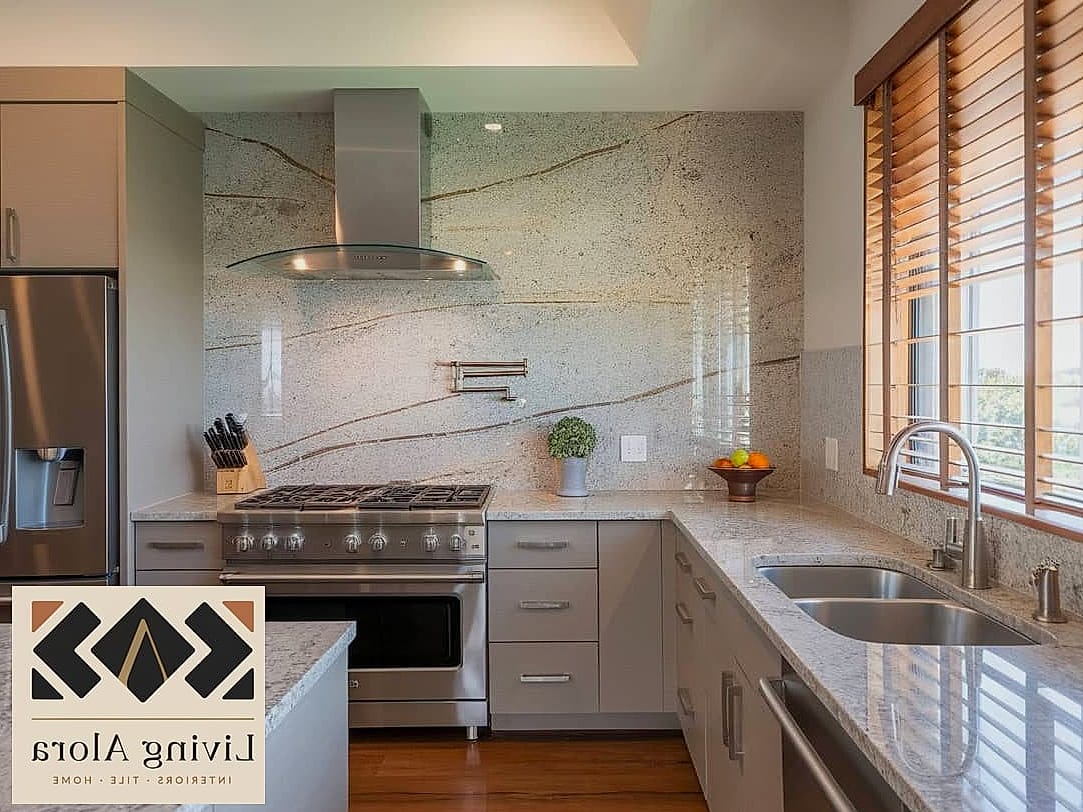
Combine two different granite colors, maybe a darker tone at the base and a lighter one up top, to add dimension without going overboard. This works especially well in galley kitchens or small spaces where a single slab might feel heavy.
The transition point can be a simple straight line or something more playful, like a stepped edge. It’s a fun way to make a smaller kitchen feel more dynamic while still keeping the overall palette pretty neutral.
Granite Backsplash in a Small Kitchen
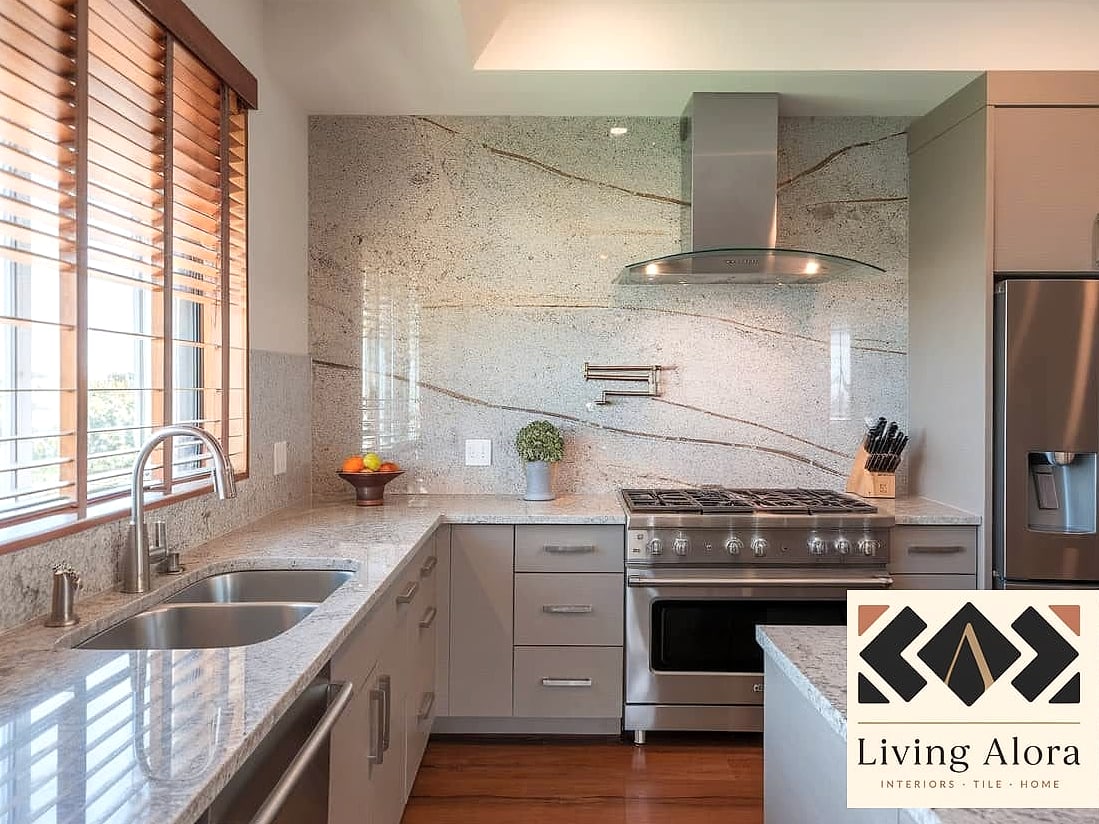
In tighter kitchens, lighter granite colors like White Ice or Colonial Cream can actually help the space feel bigger by bouncing light around instead of absorbing it. Save the darker, more dramatic stones for kitchens with more square footage to spare.
Keep the pattern simple here, a straight tile layout or a modest 4-inch backsplash strip rather than a full wall. Small kitchens benefit more from subtle texture than bold visual statements that can feel overwhelming in a compact room.
Granite Backsplash with a Waterfall Edge
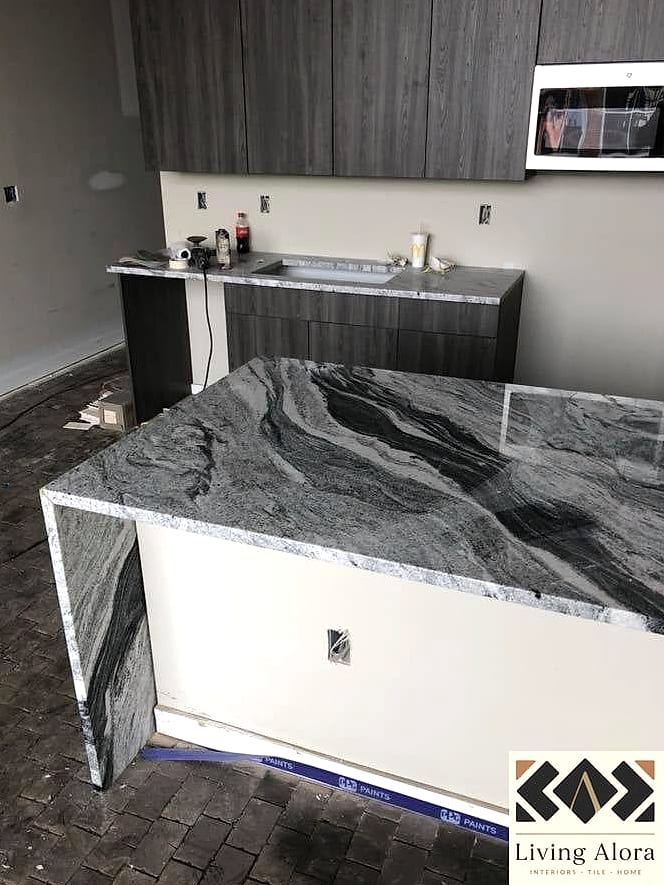
A waterfall edge is when the granite wraps down the side of an island or peninsula instead of stopping at the countertop line. Pairing this with a matching backsplash creates one continuous, sculptural look that feels genuinely custom.
This is more of a splurge project since it requires more material and precise cutting. But if you’re already doing a kitchen remodel and want one standout feature, this is the one people notice first when they walk in.
Budget-Friendly Peel-and-Stick Granite-Look Backsplash
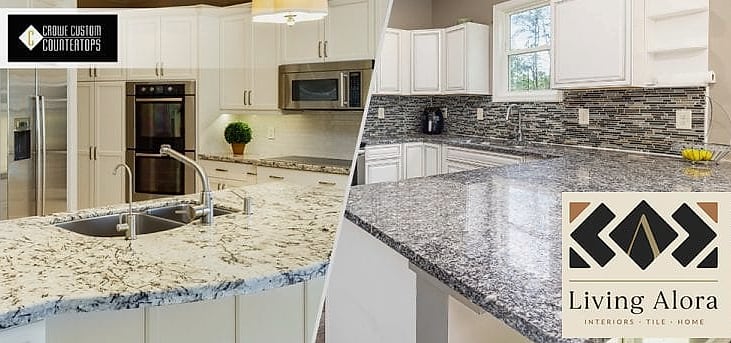
If real granite isn’t in the budget right now, peel-and-stick tiles with a granite-look finish have come a long way. They’re renter-friendly, require no grout or special tools, and can be swapped out later without any demolition.
It’s obviously not the same as natural stone in terms of durability, but for a quick refresh or a rental kitchen, it gets you 80% of the look for a fraction of the cost and effort. Just make sure your wall surface is clean and smooth before applying, since bumps and texture will show through.
Granite Backsplash Paired with Butcher Block Counters
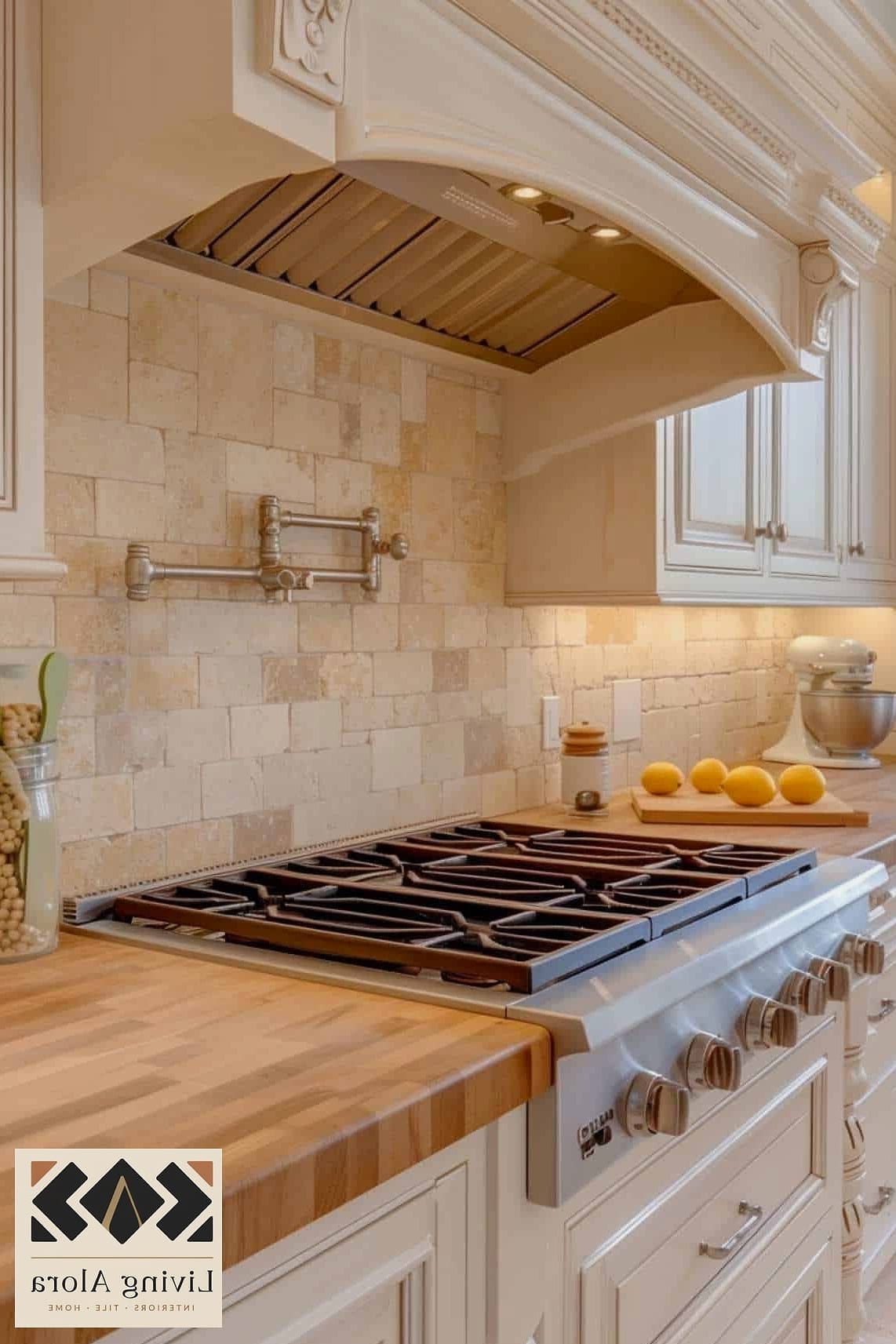
Mixing materials keeps a kitchen from feeling too matchy, and granite behind a butcher block counter is a great example. The warmth of the wood softens the coolness of the stone, and the contrast makes both materials look more intentional.
This combo works particularly well in farmhouse or transitional kitchens where you want a mix of natural textures. Just remember butcher block needs its own maintenance routine, regular oiling, so factor that into your care schedule alongside the low-maintenance granite.
Granite backsplashes really do offer something most other materials can’t match: a completely natural, one-of-a-kind pattern that adds texture and depth without much ongoing effort. Whether you go all-in with a full slab or ease into it with a small mosaic accent, there’s a version of this idea that can work for pretty much any kitchen size or budget. Take a sample home, hold it up against your cabinets and countertops in different lighting, and see which one feels right before committing to the full installation.