20 Geometric Tile Ideas to Inspire Your Next Renovation
- Hexagon Floor Tiles in a Bathroom
- Herringbone Pattern Backsplash
- Moroccan-Inspired Cement Tile Floors
- Chevron Wood-Look Tile
- Penny Round Tile in Small Spaces
- Geometric Mosaic Shower Niche
- Triangle Tile Accent Wall
- Basketweave Marble Tile
- Diamond Pattern Tile Floors
- Octagon and Dot Tile Combo
- Geometric Encaustic Tile Kitchen Floor
- Stacked Square Tile Backsplash
- Geometric Patterned Tile Rug Effect
- Arabesque Lantern Tile Backsplash
- Geometric Tile Fireplace Surround
- Windmill Pattern Tile
- Geometric Mosaic Kitchen Island Base
- Terrazzo-Look Geometric Tile
- Geometric Tile Half Wall in a Bathroom
- Interlocking Geometric Tile in an Outdoor Space
20 Geometric Tile Ideas to Inspire Your Next Renovation
Geometric tile has been having a moment for a while now, and honestly, I don’t see it slowing down anytime soon. There’s something about a bold pattern underfoot or on a backsplash that makes a space feel intentional, like someone actually thought about the design instead of just picking whatever was on sale. If you’re planning a kitchen refresh, a bathroom overhaul, or even just a small entryway update, geometric tile is one of those choices that pays off in personality. Below are twenty ideas to get your wheels turning, from classic patterns to some genuinely unexpected combinations.
Hexagon Floor Tiles in a Bathroom

Hexagon tiles have become the unofficial mascot of modern bathroom design, and for good reason. The six-sided shape creates a honeycomb effect that feels playful without being over the top. They work beautifully on bathroom floors, especially in soft neutrals like white, gray, or matte black. Smaller hexagons (think one to two inches) are great for shower floors since they offer more grout lines for slip resistance. Larger hexagons make a bigger visual statement in open bathroom layouts. Maintenance is pretty straightforward as long as you seal the grout regularly, and porcelain versions hold up well against moisture.
Herringbone Pattern Backsplash
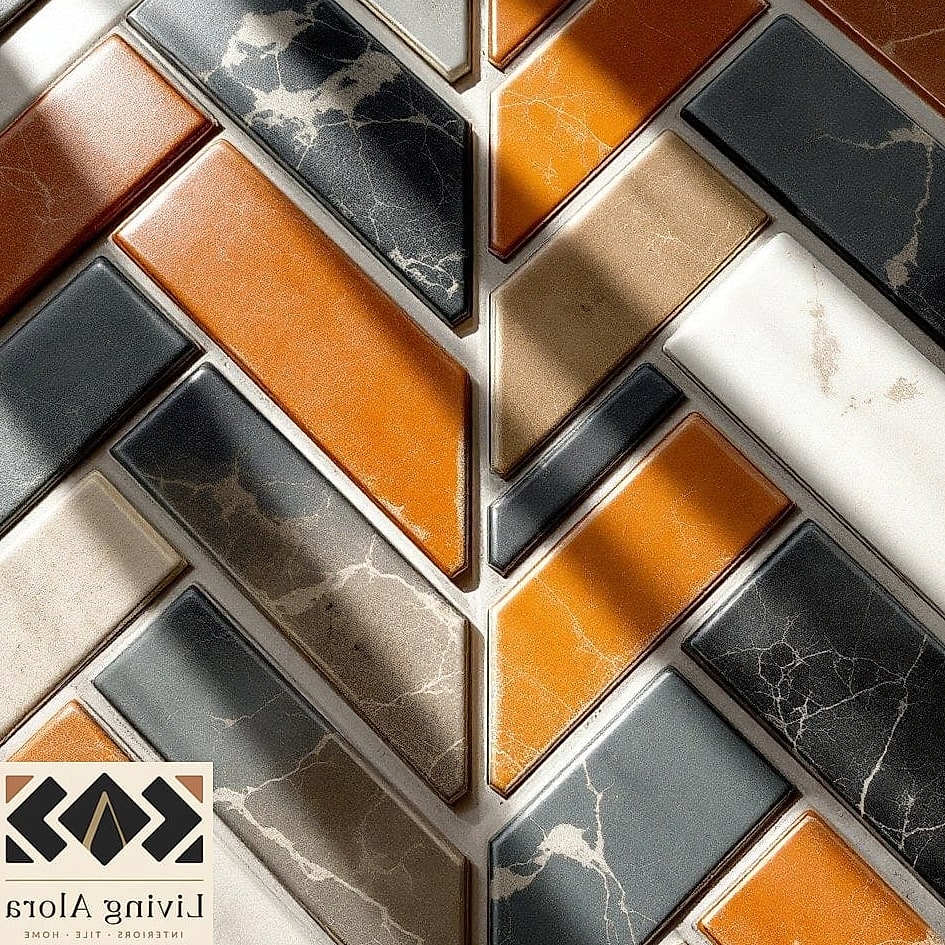
Herringbone isn’t technically a tile shape, it’s a layout, but it transforms even the most basic rectangular tile into something special. Laying subway tile or small ceramic pieces at a 45 or 90 degree zigzag angle adds movement to an otherwise flat wall. This pattern works especially well behind a stove or sink where you want a little extra visual interest without going overboard on color. It’s a bit more labor-intensive to install than a straight lay, so budget a little extra for labor if you’re hiring it out, or expect a slower weekend project if you’re doing it yourself.
Moroccan-Inspired Cement Tile Floors
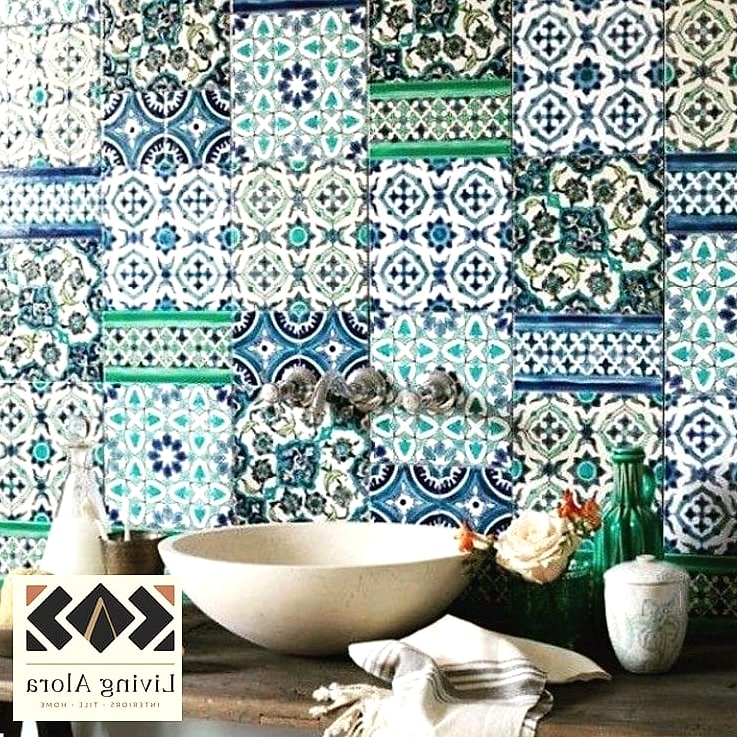
If you love color and pattern, Moroccan cement tiles are hard to beat. These tiles typically feature intricate geometric motifs in rich blues, terracottas, and blacks, often mixed together for a layered, collected-over-time look. They’re gorgeous in entryways, powder rooms, or as a kitchen floor that anchors an otherwise neutral space. Cement tiles are porous, so they do need periodic sealing, but that upkeep is a small price for how much character they bring. Peel-and-stick versions exist now too, which is a nice renter-friendly workaround if you’re not ready to commit to real cement.
Chevron Wood-Look Tile
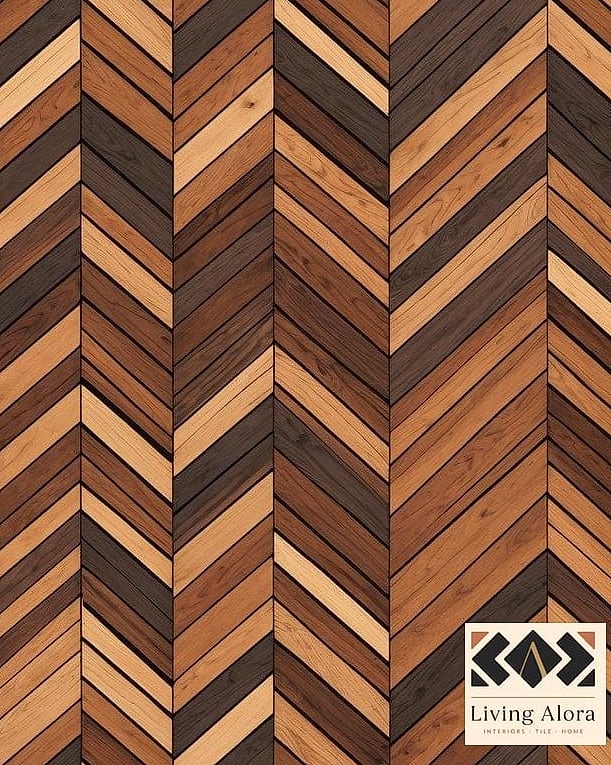
Chevron takes herringbone’s energy and sharpens it into a continuous V shape, and it looks stunning in wood-look porcelain tile. This is a great option if you want the warmth of wood flooring but need something more durable for a kitchen or mudroom. The angled pattern draws the eye down a hallway or across a room, making spaces feel longer or more dynamic depending on how it’s oriented. It’s a slightly trickier DIY project because the angles have to line up precisely, so this might be one to leave to a pro if you’re not confident with a tile saw.
Penny Round Tile in Small Spaces
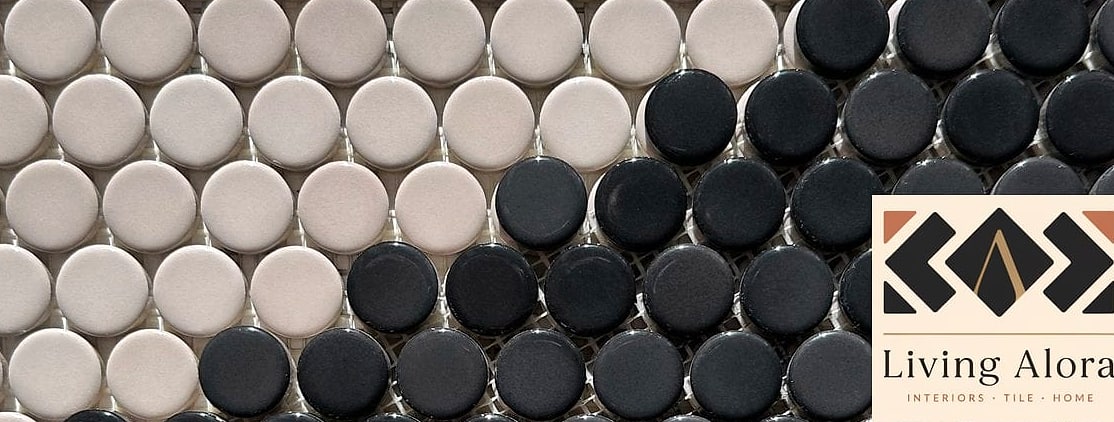
Penny tiles are those tiny circular pieces, usually under an inch, arranged in a grid on mesh sheets. They’re a favorite for bathroom floors and shower niches because the small scale and extra grout lines add traction underfoot. Penny tile comes in a huge range of colors, so you can go subtle with all-white or have fun with a two-tone checkerboard effect. It’s a bit more grout-heavy than other tile styles, which means more cleaning attention over time, but a good grout sealer cuts down on staining significantly.
Geometric Mosaic Shower Niche
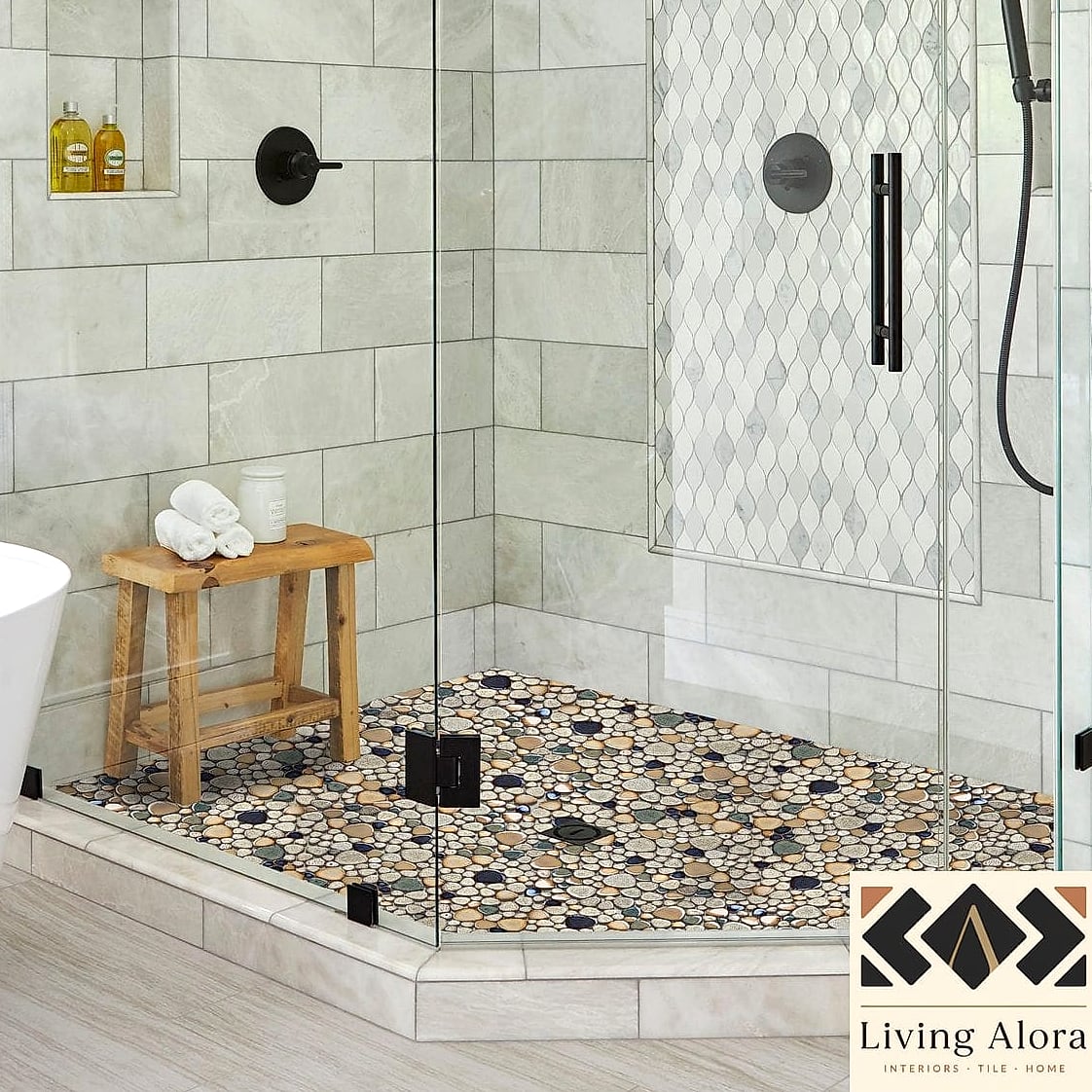
A shower niche is a small space, but it’s the perfect spot to go bold with pattern since it won’t overwhelm the whole room. Consider a geometric mosaic in a contrasting color or finish from your main shower tile, like a matte black hexagon mosaic inside a niche surrounded by glossy white subway tile. This creates a built-in focal point that draws the eye without requiring you to commit to a loud pattern across the entire shower. It’s also a nice way to use leftover tile from another project.
Triangle Tile Accent Wall
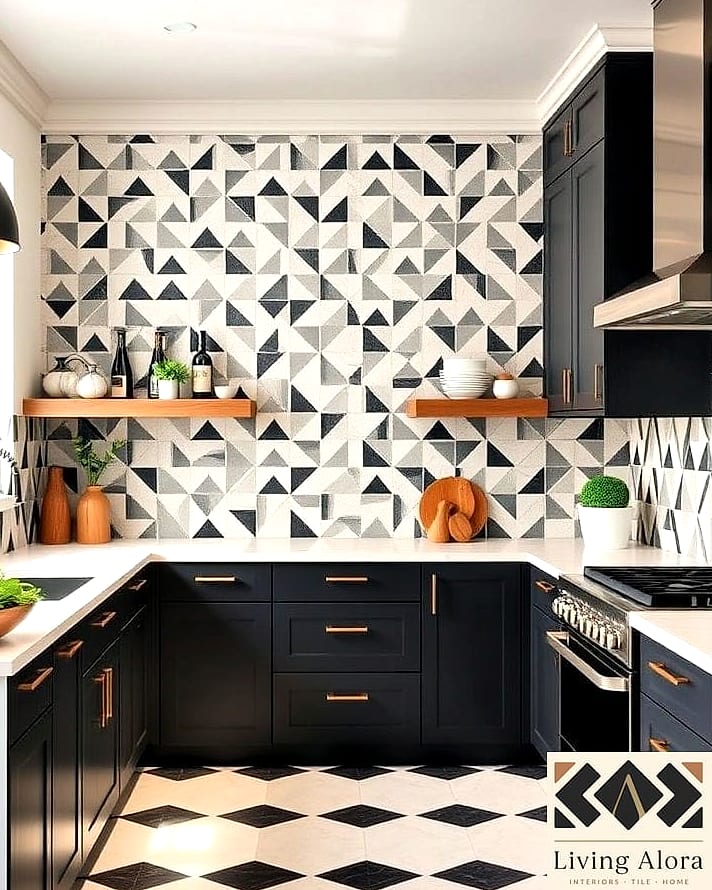
Triangular tiles create a sharp, almost origami-like texture that works really well as an accent wall in a powder room or as a backsplash behind open shelving. Because the shape is more angular than hexagons or squares, it tends to read as more modern or even a little edgy. Mixing two colors of triangle tile in an alternating pattern adds depth, while a single matte color keeps things more subtle and sophisticated. This is a great spot to introduce a bold hue since it’s a smaller, contained area.
Basketweave Marble Tile
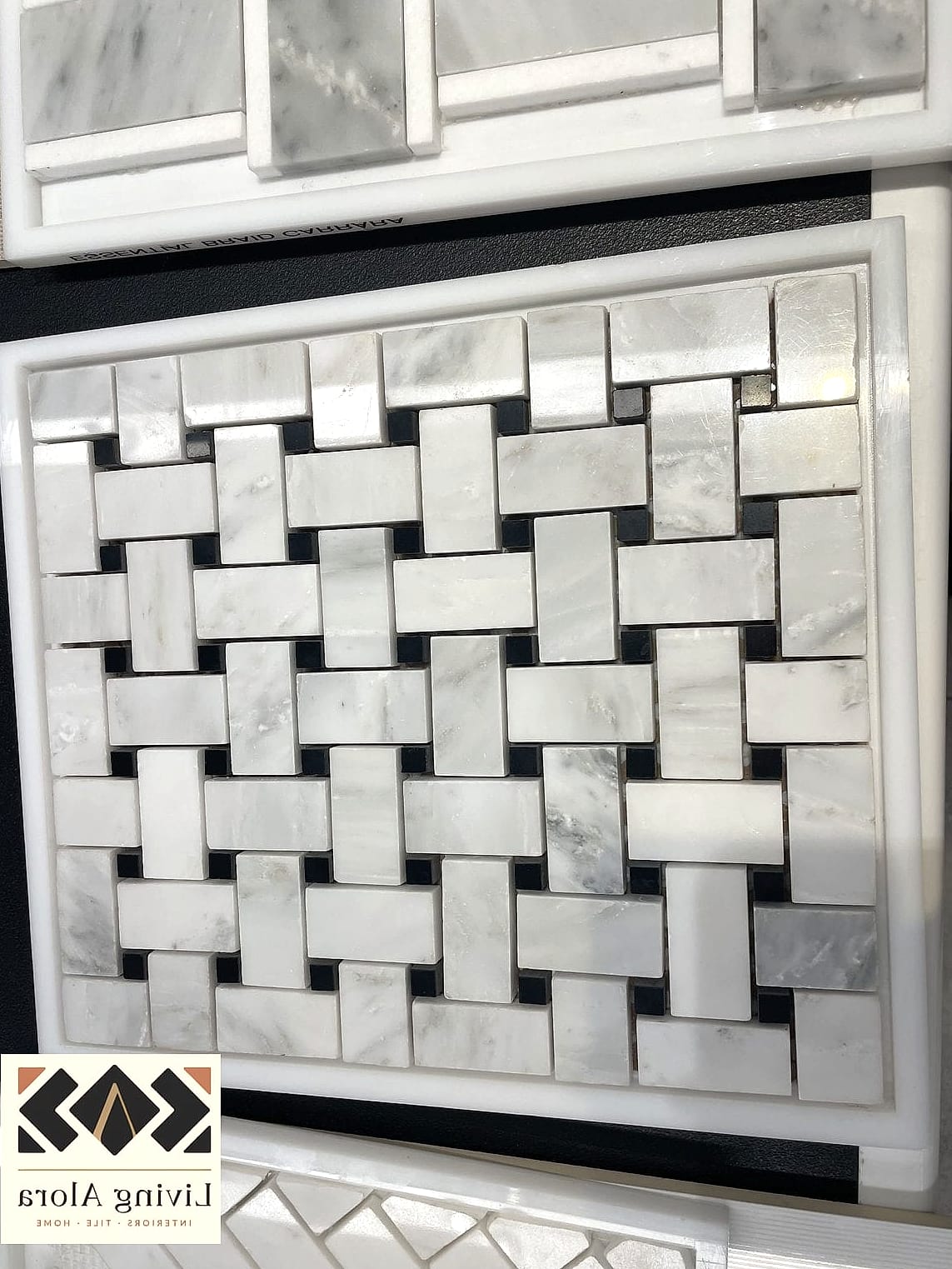
Basketweave patterns use rectangular pieces arranged to mimic the look of, well, a woven basket, and when done in marble, it feels elevated and classic at the same time. This pattern is beautiful in bathroom floors or as a border detail around a shower base. The interplay of light and dark veining in natural stone gives the geometric layout even more dimension. Marble does require sealing and a bit more gentle cleaning than porcelain, so keep that in mind if you’re working with a busy family bathroom.
Diamond Pattern Tile Floors
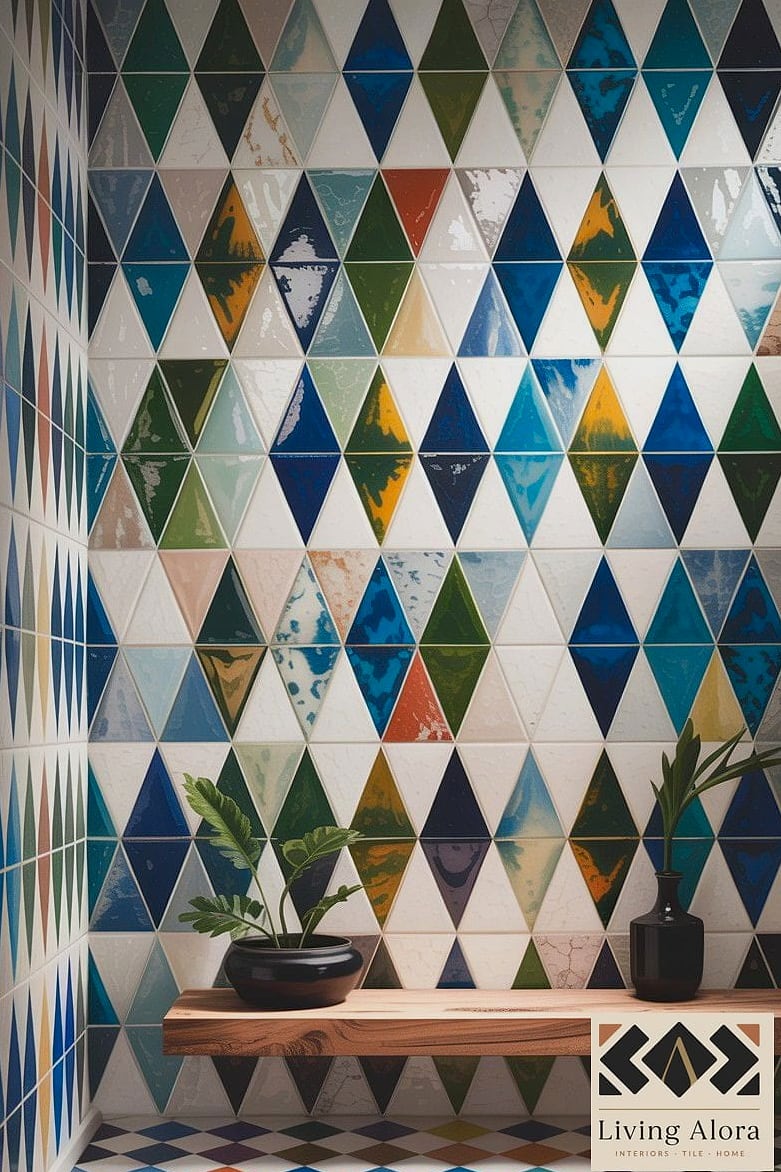
Turning square tiles on a 45 degree angle instantly gives you a diamond pattern, and it’s one of the easiest ways to make a standard tile floor feel custom. This works particularly well in entryways and kitchens where you want a classic look with a little extra flair. Pairing two tile colors in an alternating diamond checkerboard is a timeless choice that never really goes out of style. Straight square tile is usually cheaper than specialty shapes, so this is a nice budget-friendly way to get a geometric look.
Octagon and Dot Tile Combo
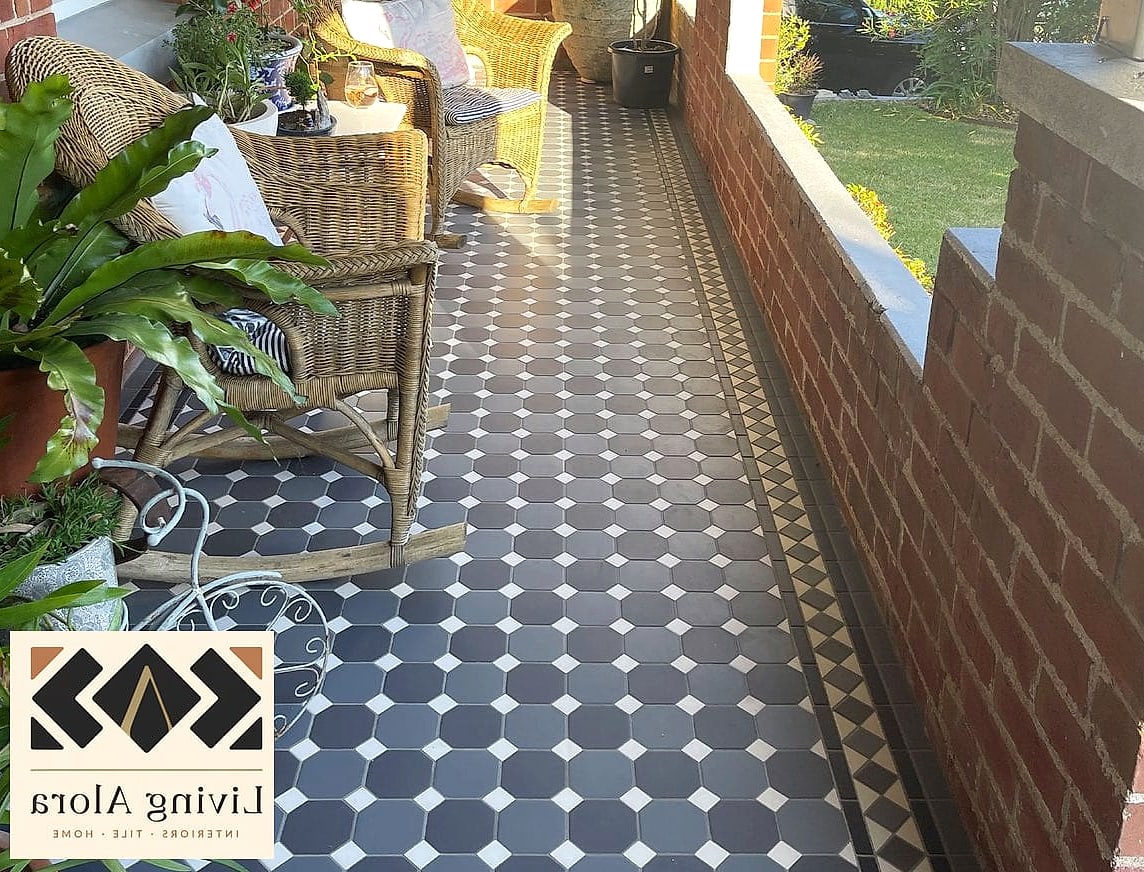
This classic pattern pairs larger octagon tiles with small square “dot” tiles at each corner, usually in a contrasting color like black or navy against white. It’s a nod to vintage bathroom design but reads as fresh and intentional in a modern space. You’ll see this a lot in restored historic homes, but it works just as well in new construction if you want a touch of old-world charm. It’s a great choice for a laundry room floor too, since the pattern hides everyday dirt and wear surprisingly well.
Geometric Encaustic Tile Kitchen Floor
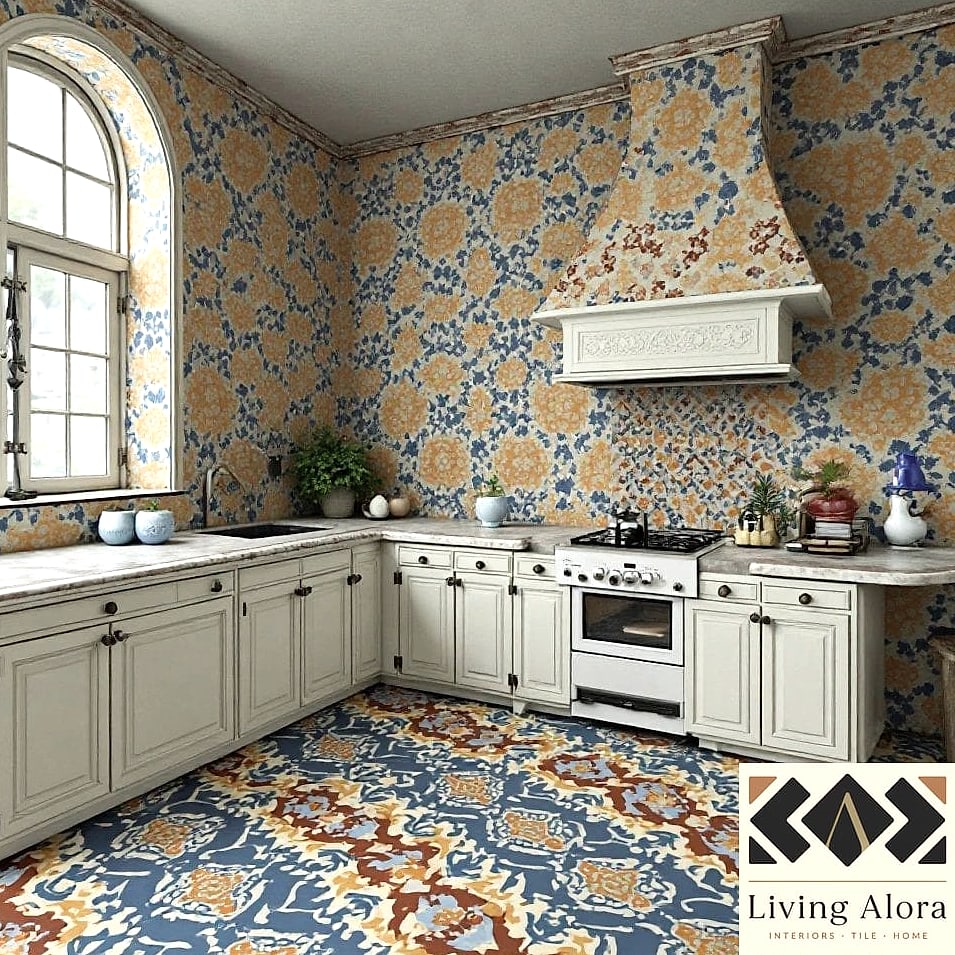
Encaustic tiles have their pattern baked into the material itself rather than printed on the surface, which gives them a slightly more artisanal, textured look compared to standard printed tile. Geometric encaustic designs in a kitchen floor add a lot of personality, especially if the rest of your kitchen leans neutral with white cabinets and butcher block counters. This is one area where I’d say splurge if your budget allows, since the tile itself becomes the star of the room. Porcelain encaustic-look tiles are a more affordable and lower-maintenance alternative if the real thing feels out of reach.
Stacked Square Tile Backsplash
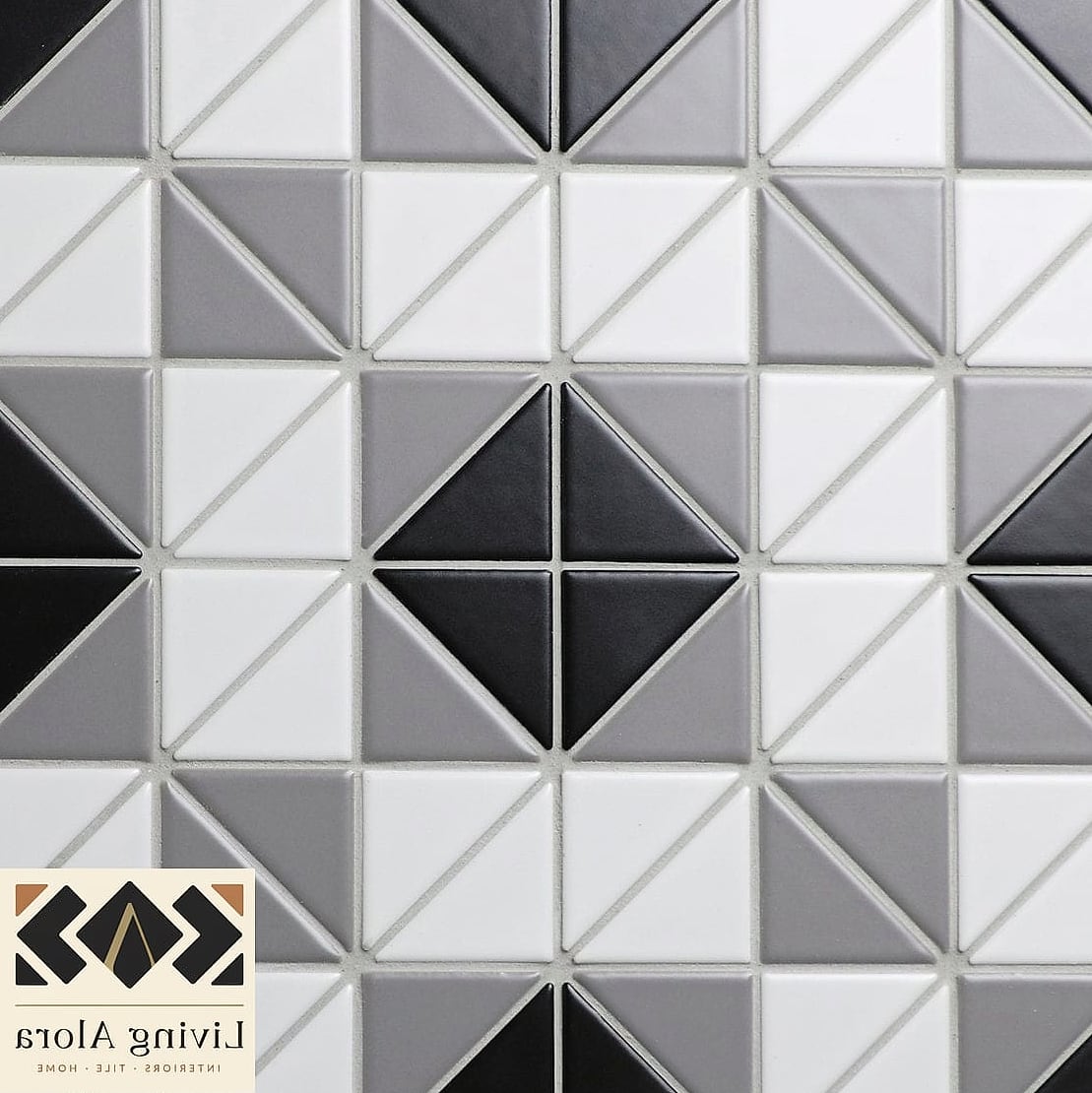
Sometimes simple is the move, and a stacked (not offset) square tile layout gives you clean, grid-like lines that feel modern and architectural. This works great behind a range with a simple white or off-white square tile, letting brushed brass hardware or black fixtures do the visual heavy lifting elsewhere in the kitchen. It’s also one of the more straightforward DIY-friendly layouts since there’s no pattern matching or angle cutting involved. Great option if you’re tackling your first tile project.
Geometric Patterned Tile Rug Effect
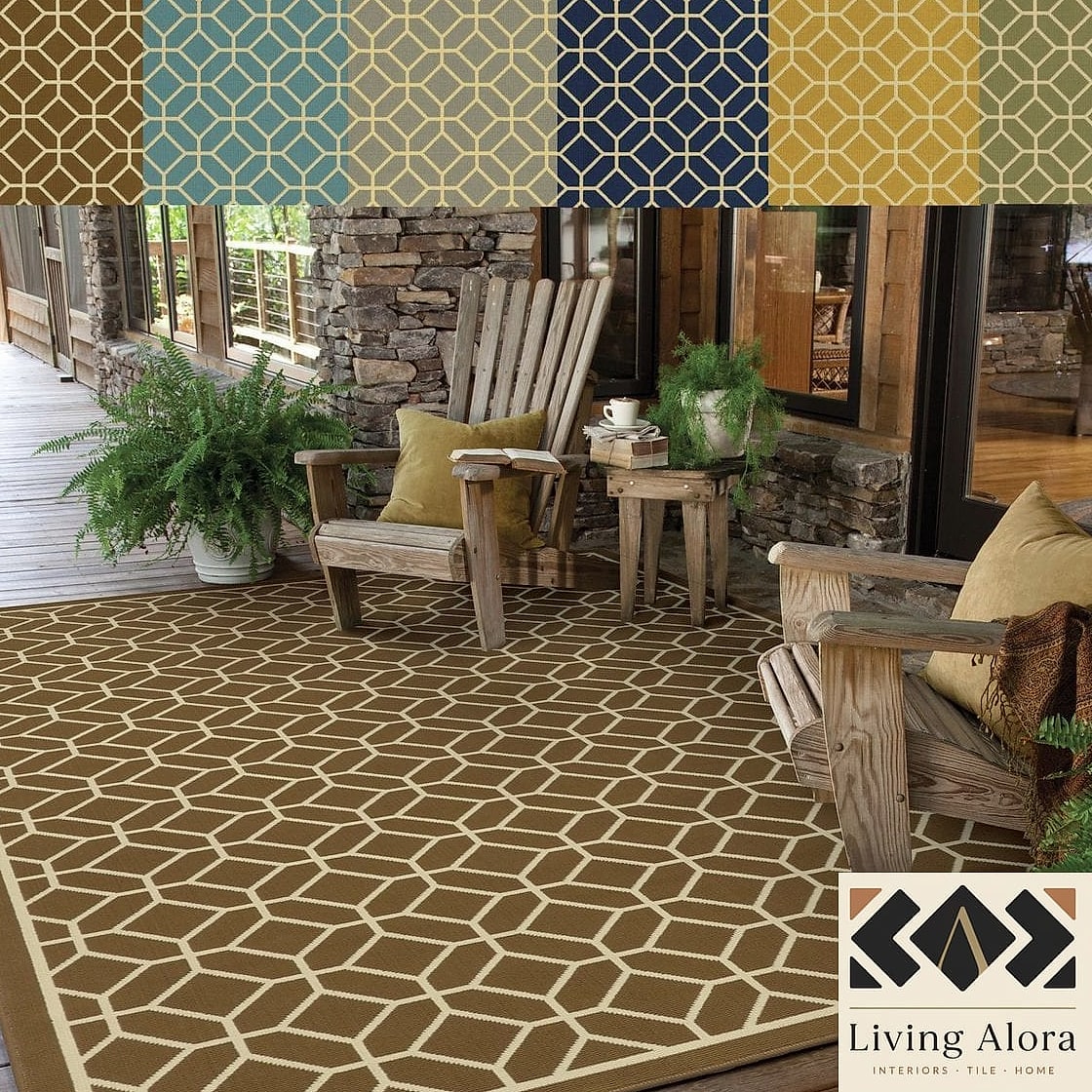
This is a fun one: instead of tiling an entire floor, use a geometric tile pattern to create a “rug” effect in the center of a room, surrounded by plain tile or wood flooring. It’s popular in entryways and kitchens where you want a defined visual zone without an actual rug that needs vacuuming and gets pushed around. Bold Moroccan-style patterns work especially well for this since they read as intentional design rather than an odd tile leftover. It’s a great way to add color in a space that otherwise uses neutral palettes.
Arabesque Lantern Tile Backsplash
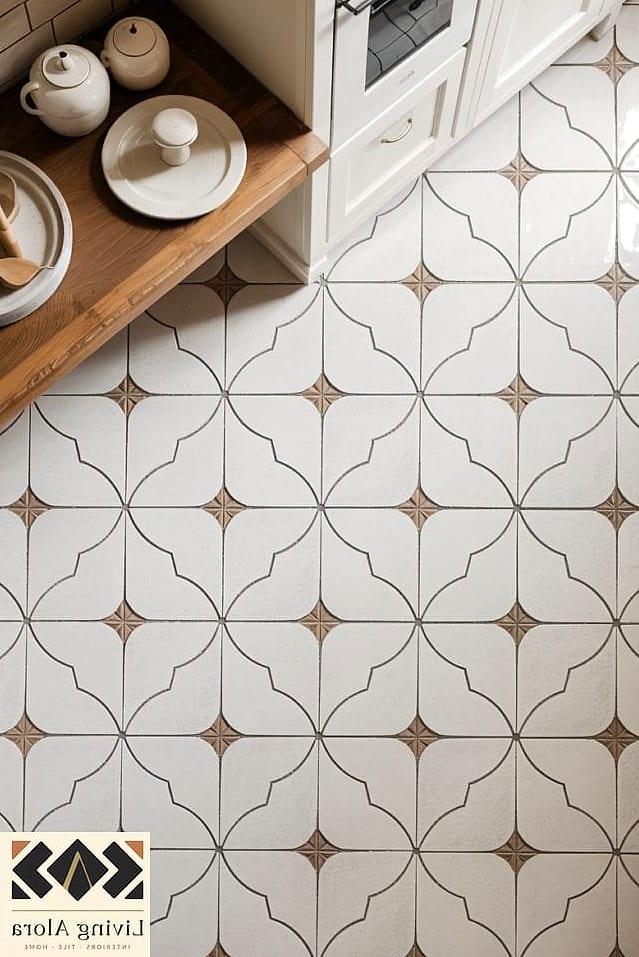
Arabesque tile has that distinctive lantern or shield shape, and it brings an elegant, slightly exotic feel to a kitchen or bathroom. It’s especially striking in a glossy finish where light catches the curved edges of each piece. This pattern pairs beautifully with brass or gold fixtures and warm wood tones, leaning into a more glam or eclectic aesthetic. Because the shape is more intricate than a basic square, expect a slightly higher price point and more cut pieces around edges and outlets.
Geometric Tile Fireplace Surround
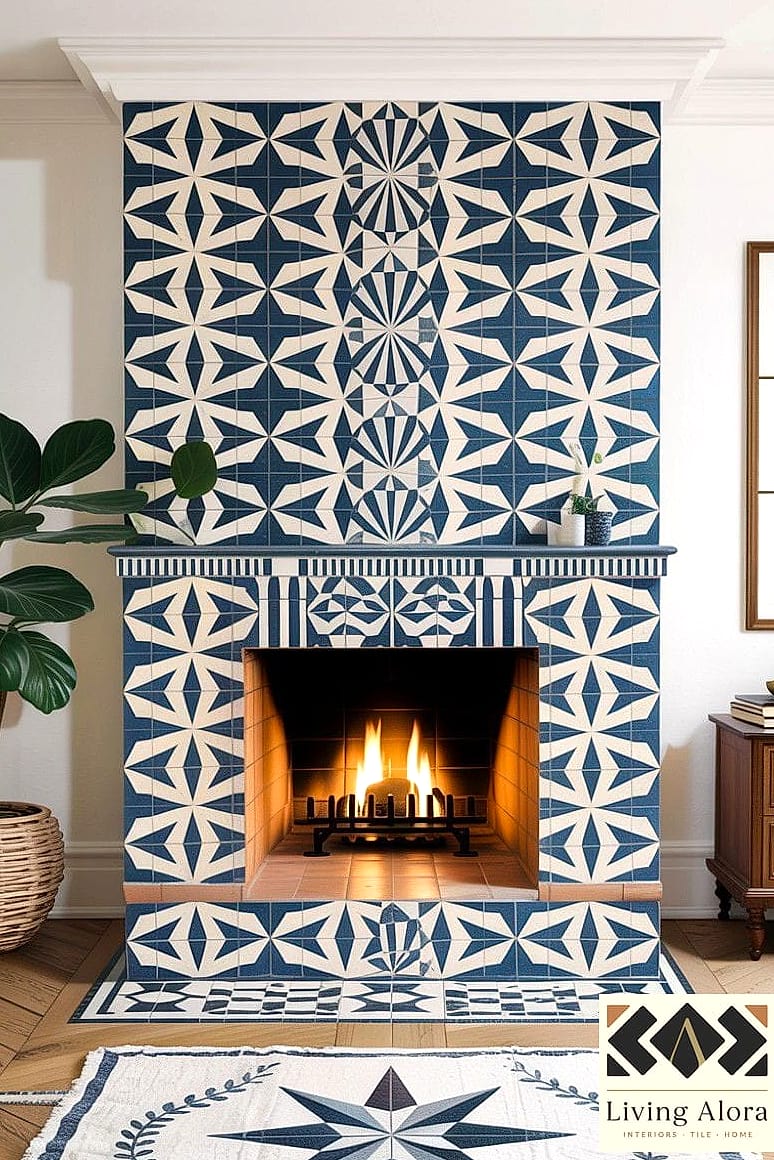
Don’t overlook your fireplace as a spot for geometric tile. A bold pattern here, whether it’s hexagon, chevron, or a colorful Moroccan design, turns your fireplace into a genuine focal point rather than just a heat source. This works in both traditional and modern homes depending on the tile color and finish you choose. Matte black hexagon tile gives a moody, contemporary feel, while a colorful cement tile pattern leans more bohemian. Just make sure whatever tile you choose is rated for heat exposure if it’s going directly around the firebox.
Windmill Pattern Tile
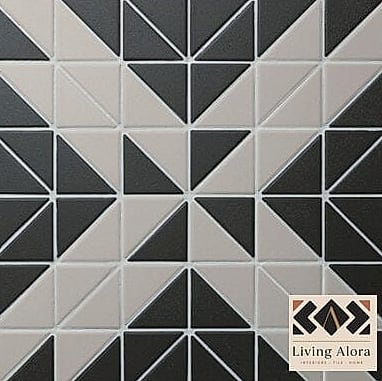
The windmill pattern combines a large square tile with four smaller rectangular tiles arranged around it, creating a pinwheel effect. It’s a slightly more unexpected choice that adds texture and visual rhythm to a floor without being as busy as some other geometric options. This pattern shows up a lot in Mediterranean and Spanish-style homes and works nicely in kitchens or outdoor-adjacent spaces like a sunroom or covered patio. It’s a good middle ground if you like pattern but aren’t ready to go full-on Moroccan tile.
Geometric Mosaic Kitchen Island Base
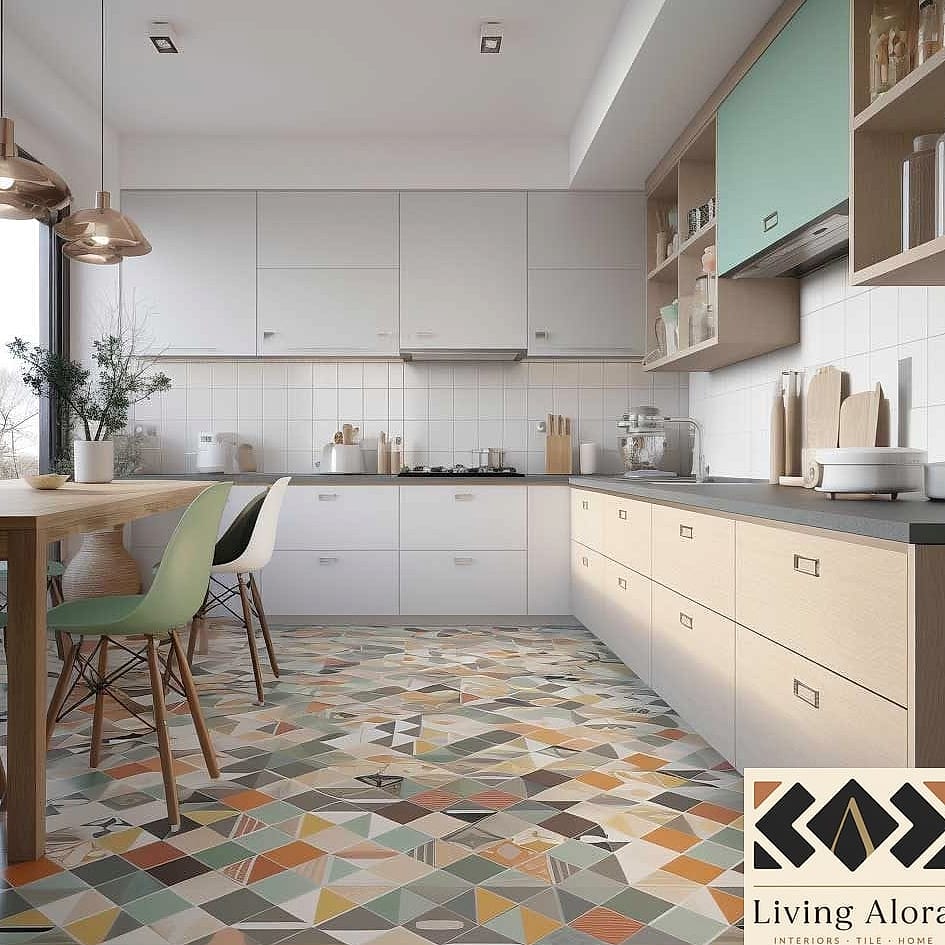
If you’re building or refacing a kitchen island, consider wrapping the base in a geometric mosaic tile instead of the usual wood or paint. This adds an unexpected textural element and makes your island feel like a custom piece of furniture rather than just extra counter space. A tile like this pairs nicely with quartz countertops on top, keeping the overall look balanced between pattern and simplicity. It’s a bit of an investment since it involves tiling a vertical surface with corners, but the payoff in visual interest is significant.
Terrazzo-Look Geometric Tile
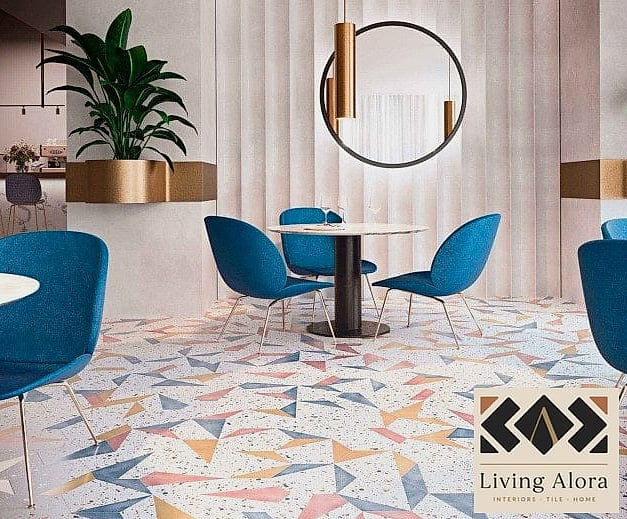
Terrazzo has made a serious comeback, and geometric terrazzo-look porcelain tile gives you that speckled, playful look with far easier maintenance than traditional poured terrazzo. It’s a great choice for bathroom floors, laundry rooms, or even a statement kitchen backsplash. The beauty of terrazzo-look tile is that it hides small stains and imperfections well, making it a practical option for busy, pet-friendly, or family-friendly households. Look for versions with larger chip patterns for a more modern feel, or finer speckling for something closer to traditional terrazzo.
Geometric Tile Half Wall in a Bathroom
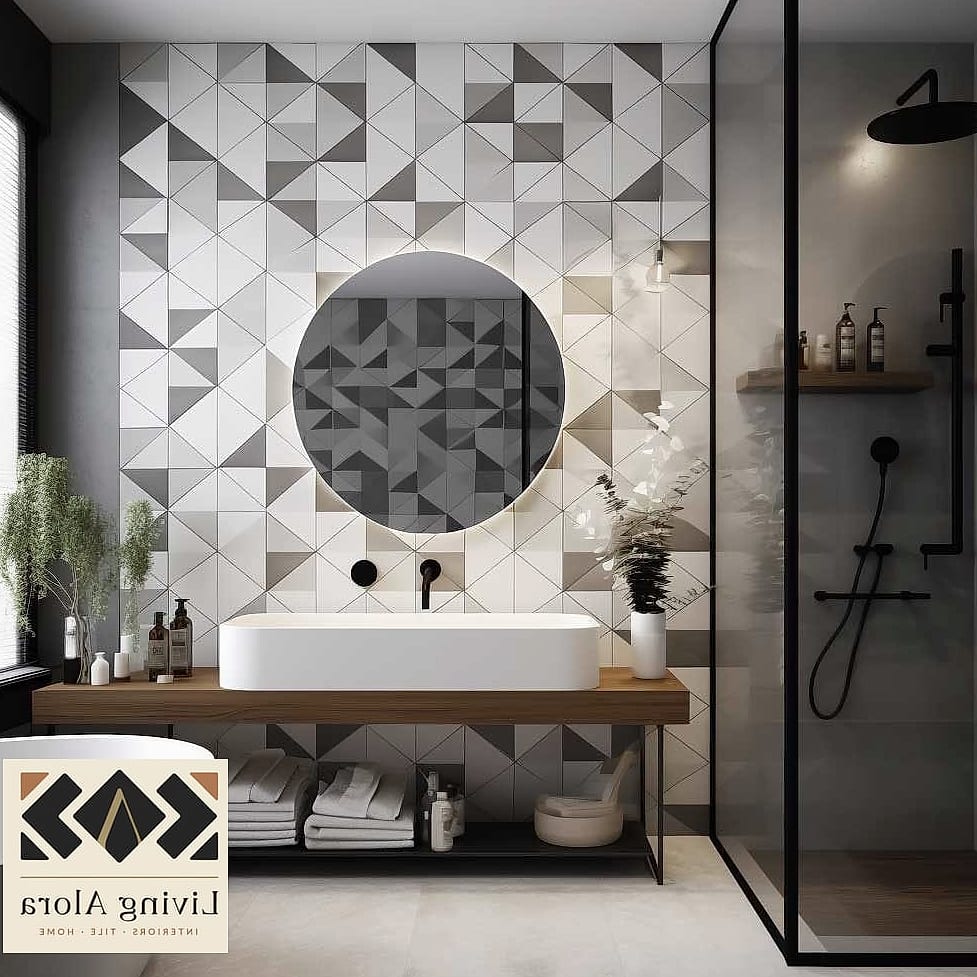
Instead of tiling floor to ceiling, consider a geometric tile half wall, tiled about waist to shoulder height with paint above it. This is a nice budget-conscious way to get the visual impact of a bold pattern without covering an entire bathroom in specialty tile. A chair rail or metal trim piece at the top of the tile gives it a finished, intentional edge. This approach also works well in older homes where full tile walls might feel too heavy for the room’s proportions.
Interlocking Geometric Tile in an Outdoor Space
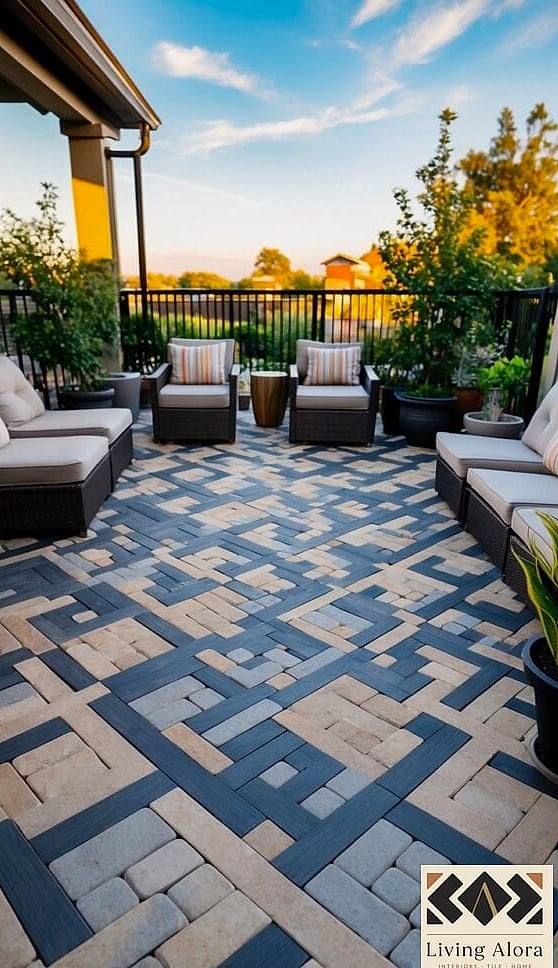
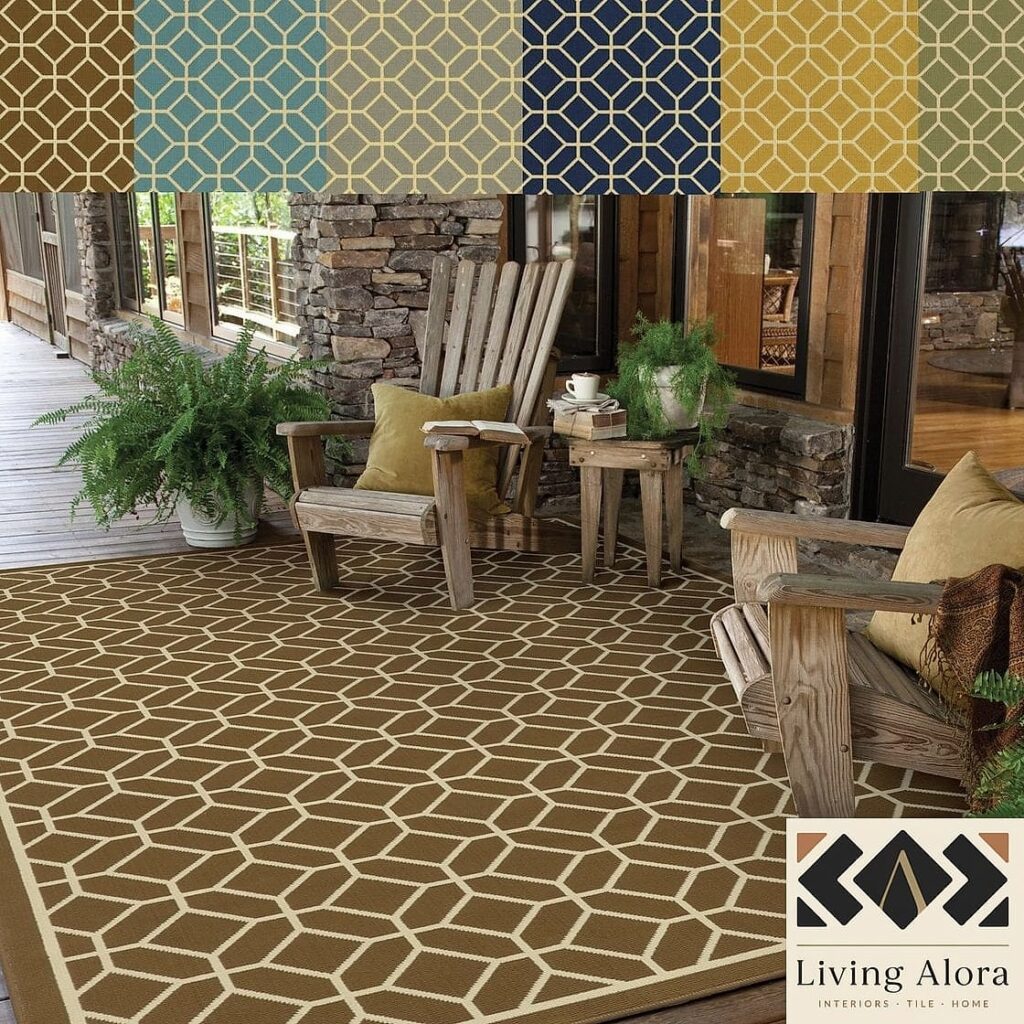
Geometric tile isn’t just for indoors. Interlocking patterns in durable porcelain or natural stone work great on covered patios, outdoor kitchens, or pool surrounds. Look for tile rated for outdoor use with good slip resistance, since wet conditions are a real factor here. A bold geometric pattern can define an outdoor living area the same way an area rug would indoors, giving the space a sense of structure. Just make sure your installer accounts for proper drainage and freeze-thaw durability if you’re in a colder climate.
Geometric tile is one of those design choices that instantly signals thought and care went into a space, whether you’re going bold with color and pattern or keeping it subtle with a simple diamond layout. The good news is there’s a geometric tile idea here for pretty much every budget, skill level, and design style, so you don’t have to choose between practicality and personality. Whichever pattern catches your eye, it’s worth bringing home a few samples and living with them for a few days before you commit, since tile can look surprisingly different depending on your lighting.