21 Natural Stone Backsplash Ideas That Are Stylish and Practical
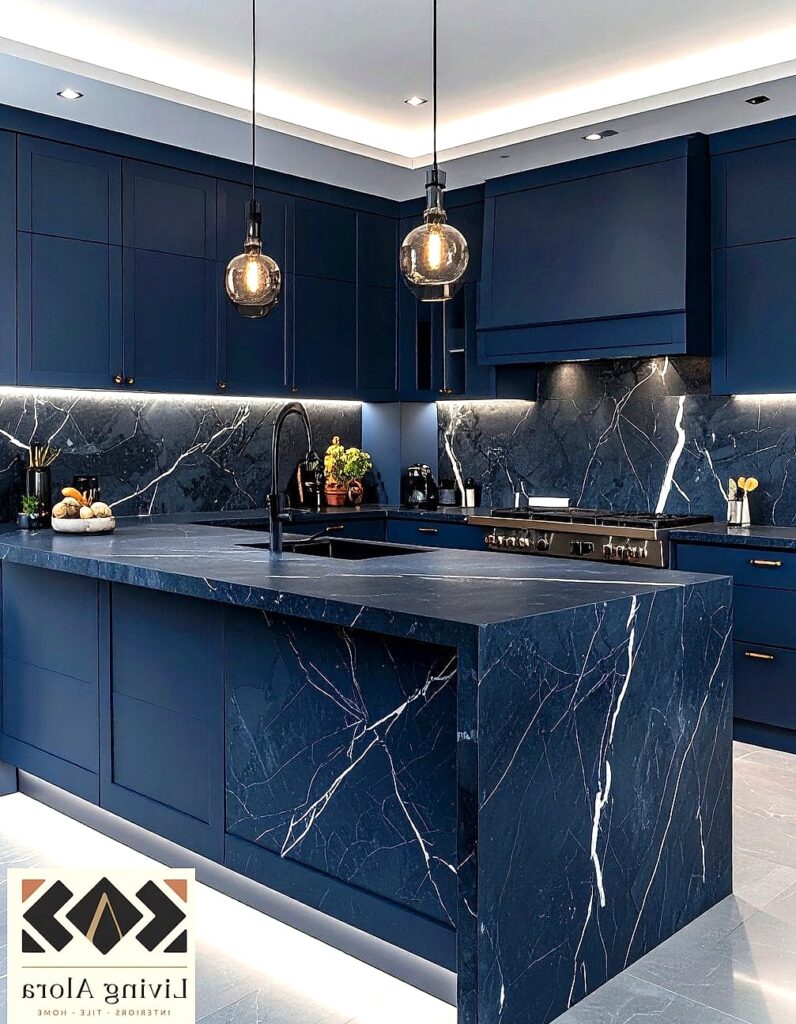
- Classic Carrara Marble Subway Tile
- Herringbone Marble Mosaic
- Slab Marble with Waterfall Edge
- Travertine in a Brick-Lay Pattern
- Soapstone Slab Backsplash
- Honed Limestone in Neutral Tones
- Quartzite Slab for Durability
- Small-Format Stacked Stone Ledger Panels
- Green Marble for a Bold Statement
- Basketweave Marble Mosaic
- Onyx Backsplash with Backlighting
- Slate Tile for a Rustic Look
- Marble Hexagon Tile
- Granite Backsplash to Match Countertops
- Marble Chevron Pattern
- Warm-Toned Travertine Subway Tile
- Black Marble for Contrast
- Pebble Stone Tile for Texture
- Marble and Wood Combination
- Quartzite in Warm Gold Tones
- Mixed Natural Stone Mosaic Blend
21 Natural Stone Backsplash Ideas That Are Stylish and Practical
There’s something about natural stone that tile imitations just can’t fake. The subtle veining, the way light plays off a honed surface, the fact that no two slabs look exactly alike — it all adds up to a backsplash that feels genuinely custom. If you’ve been scrolling through kitchen inspiration and keep gravitating toward those soft, organic textures, you’re probably ready for stone.
I’ve pulled together 21 natural stone backsplash ideas that cover everything from budget-conscious marble alternatives to full luxury slab installations. Whether you’re renovating a whole kitchen or just refreshing the wall behind your stove, there’s something here for pretty much every style and price point.
Classic Carrara Marble Subway Tile
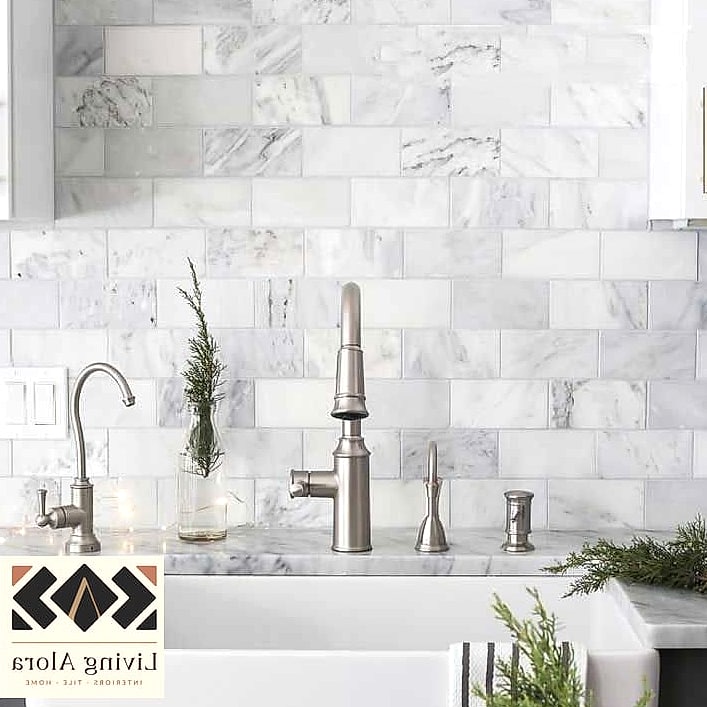
This is the backsplash equivalent of a little black dress — it never really goes out of style. Carrara marble subway tile brings that soft gray veining into a familiar, easy-to-install shape, so it reads as elevated without looking fussy.
It works beautifully in traditional and transitional kitchens, especially paired with white shaker cabinets and brushed brass hardware. The catch with any marble is porosity, so you’ll want to seal it regularly to prevent staining from wine, oil, or citrus. If you love the look but not the upkeep, honed porcelain versions get you 90 percent of the way there for a fraction of the maintenance.
Herringbone Marble Mosaic

Laying marble in a herringbone pattern instantly makes a kitchen feel more custom without requiring a full renovation. The angled lines add movement to an otherwise flat wall, and they’re especially striking behind a range where they can act as a real focal point.
This works well in kitchens that are otherwise fairly simple, since the pattern itself carries a lot of visual interest. It’s more labor-intensive to install than straight-set tile, so budget a little extra for professional installation unless you’re an experienced DIYer with patience for pattern-matching.
Slab Marble with Waterfall Edge

For a genuinely luxury look, a single slab of marble that runs from the countertop straight up the wall — sometimes even wrapping the island in a waterfall edge — is hard to beat. There are no grout lines to interrupt the veining, so the stone reads as one continuous, sculptural piece.
This is a splurge option, both in material cost and installation, but it photographs incredibly well and tends to be the thing people remember about a kitchen. Calacatta and Statuario marble are popular choices here for their dramatic gold and gray veining.
Travertine in a Brick-Lay Pattern
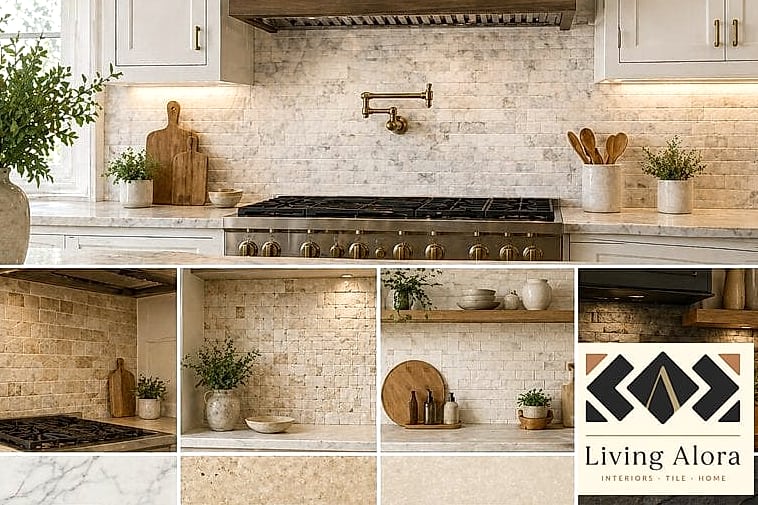
Travertine has this warm, sandy tone that instantly softens a kitchen, especially in Mediterranean, farmhouse, or Tuscan-inspired spaces. Laid in a simple brick pattern (basically an offset stack), it feels grounded and a little rustic without trying too hard.
The natural pitting in travertine gives it texture that catches light beautifully under pendant lighting. Just know that unfilled travertine has small holes that can trap grease, so a filled and honed finish is usually the more practical pick for a kitchen wall.
Soapstone Slab Backsplash

Soapstone has a quiet, moody appeal — deep charcoal gray with soft white veining that darkens further over time as it’s oiled. It’s a favorite among people who want a natural stone look that leans more modern and understated than marble.
Because soapstone is non-porous and resistant to heat and acids, it’s genuinely one of the more practical stone choices for a busy kitchen. Pair it with matching soapstone counters for a monochrome, cohesive look, or let it stand alone against a lighter countertop for contrast.
Honed Limestone in Neutral Tones

Limestone brings a chalky, matte softness that reads as effortlessly elegant without ever feeling cold. Honed (rather than polished) limestone has a low-sheen finish that hides fingerprints and water spots better than you’d expect.
It pairs especially well with warm wood tones and open shelving, since the neutral palette lets other materials do more of the talking. Limestone is on the softer side as far as stone goes, so a good sealant is non-negotiable if it’s going near your cooktop.
Quartzite Slab for Durability
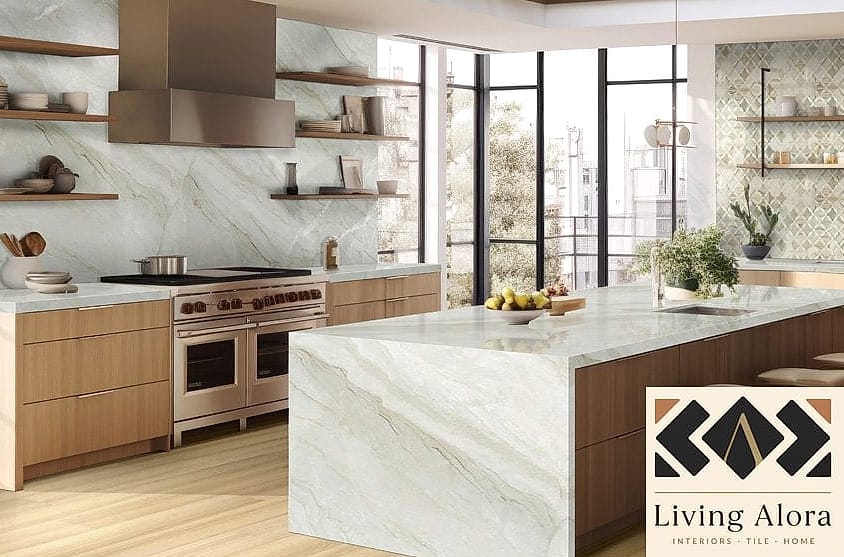
If you love the marble look but worry about staining and scratching, quartzite is worth a serious look. It has that same dramatic veining but is significantly harder and more resistant to etching from acidic foods.
A full slab quartzite backsplash gives you the seamless, high-end appearance of marble with noticeably less maintenance anxiety. It’s pricier than most tile options, but for a lot of homeowners, the durability more than justifies the cost.
Small-Format Stacked Stone Ledger Panels
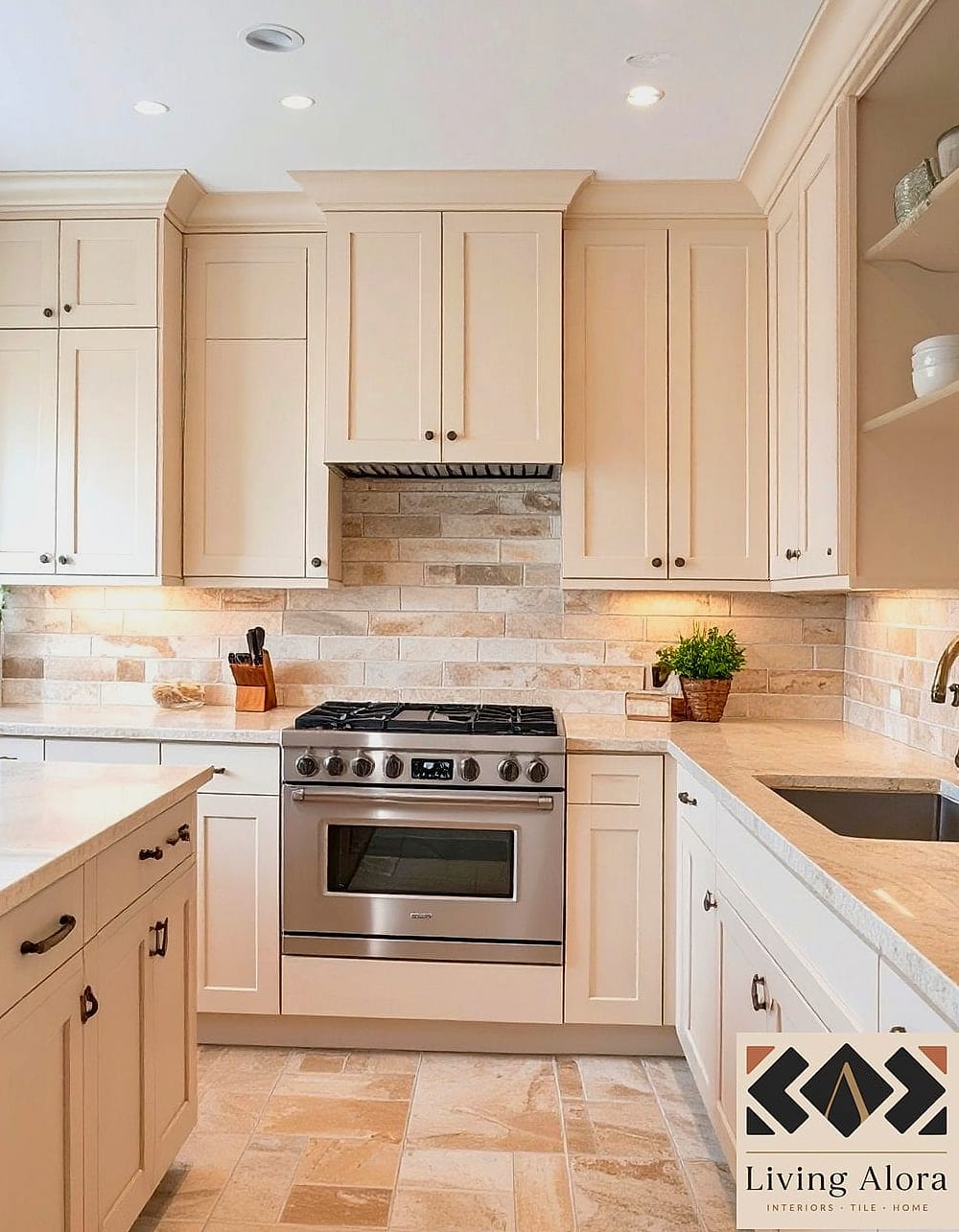
Ledger stone panels — thin, irregular pieces stacked in horizontal rows — bring serious texture to a kitchen or bar area. The 3D, dimensional surface catches shadows in a way flat tile simply can’t.
This look tends to work best as an accent rather than covering an entire wall, since the texture is bold. A stacked stone panel behind open shelving or a coffee station adds warmth without overwhelming the room, and it’s genuinely DIY-friendly since many panels come pre-mounted on mesh backing.
Green Marble for a Bold Statement

Green marble — think Verde Guatemala or Rainforest Green — has been showing up more and more in kitchens that want a little drama. The deep, moody veining pairs beautifully with brass fixtures and warm wood cabinetry.
It’s a bolder choice, so it works best as a statement wall rather than something you’d want covering every surface in the room. If full commitment feels risky, try it just behind the range as a focal point while keeping the rest of the kitchen neutral.
Basketweave Marble Mosaic

The basketweave pattern combines rectangular marble pieces to create a subtle woven illusion. It’s more textural than a straight subway layout but still reads as classic rather than trendy.
This pattern works particularly well in smaller kitchens or as an accent behind a stove, since the intricate pattern can feel busy across a huge expanse of wall. Cleaning is straightforward with a mild stone cleaner and a soft cloth, no different from other honed marble surfaces.
Onyx Backsplash with Backlighting
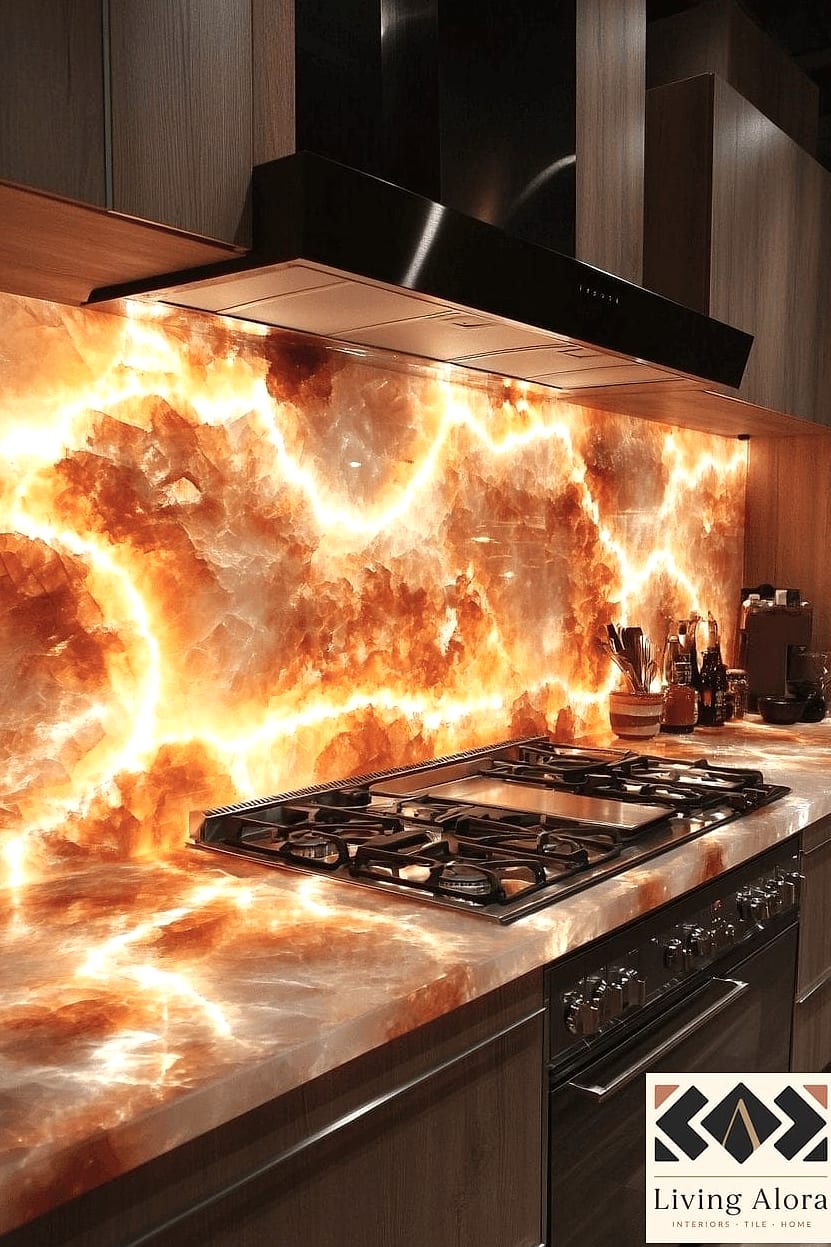
Onyx is translucent, which means it can actually be backlit to glow from within — a showstopping detail for a bar area or a statement kitchen wall. The veining looks almost like frozen movement when light passes through it.
This is a specialty installation that usually requires a professional familiar with lighting integration, and it’s on the higher end of the budget spectrum. But for homeowners who want something truly one-of-a-kind, there’s really nothing else quite like it.
Slate Tile for a Rustic Look

Slate has a natural cleft texture and deep, earthy colors ranging from charcoal to rust to deep green, which makes it a great fit for rustic, cabin-style, or industrial kitchens. It’s naturally water-resistant, which adds to its practicality behind a sink or stove.
The textured surface does mean grease and splatters can settle into the grooves more than a smooth tile would, so regular wiping with a degreasing cleaner helps keep it looking sharp. A honed slate finish minimizes this if low-maintenance matters more to you than the raw texture.
Marble Hexagon Tile

Swapping the standard subway shape for hexagons gives marble a slightly more playful, modern edge. The geometric pattern adds visual interest even in a small kitchen where you don’t have much wall space to work with.
Hexagon tile in a soft white or gray marble pairs nicely with matte black fixtures and open shelving. It’s a good middle ground for anyone who wants something a little more distinctive than subway tile but isn’t ready to commit to a full slab installation.
Granite Backsplash to Match Countertops
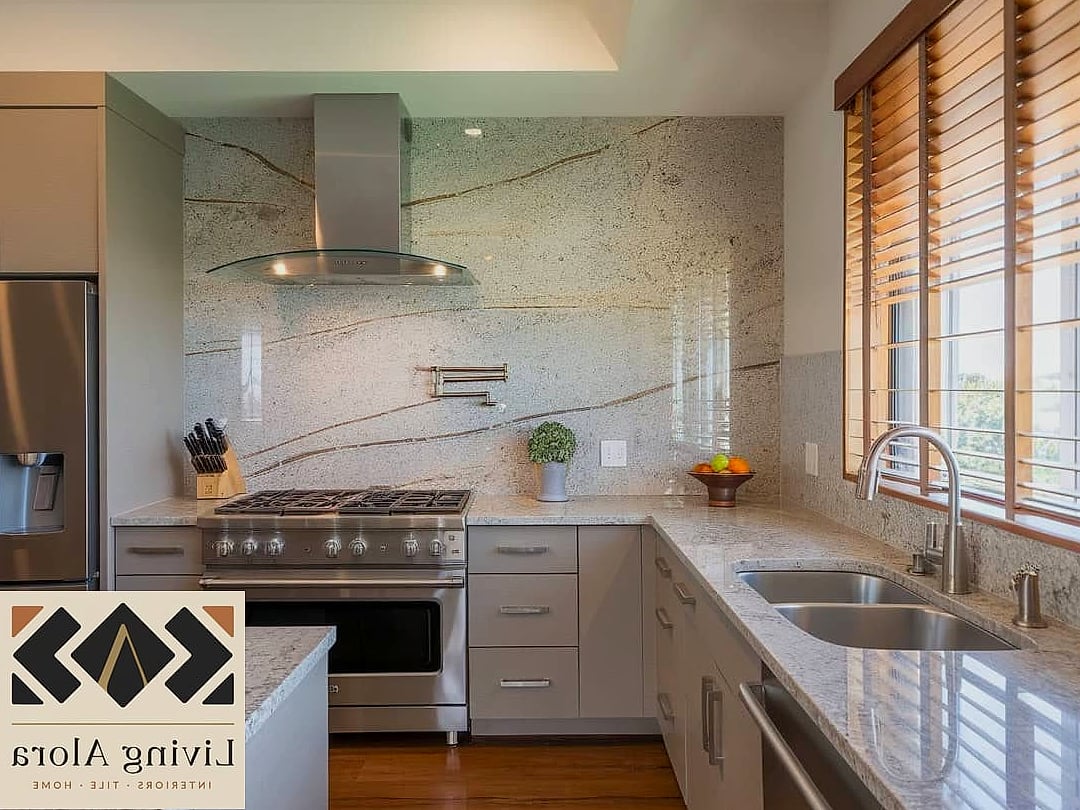
Matching your backsplash to your granite countertops creates a seamless, cohesive look that never really goes out of style. It’s a particularly practical choice since granite is naturally heat- and scratch-resistant.
This works well in kitchens that already have granite counters and want the wall to feel like a natural continuation rather than a competing element. Granite comes in such a wide range of colors and patterns that you can lean dramatic or keep it fairly neutral, depending on the slab you choose.
Marble Chevron Pattern
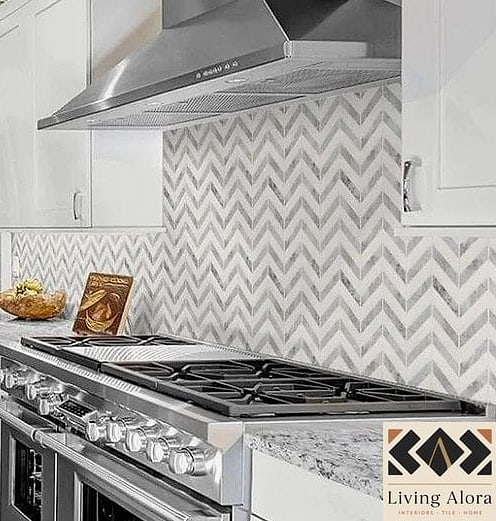
Chevron takes herringbone’s angled energy and sharpens it into a continuous zigzag, creating a more graphic, directional look. It’s striking behind a range hood or across an entire backsplash wall in a modern kitchen.
Because the pattern requires precise mitered cuts, this is one to leave to a professional installer unless you have serious tile experience. The payoff is a backsplash that looks genuinely bespoke, especially in white or light gray marble.
Warm-Toned Travertine Subway Tile
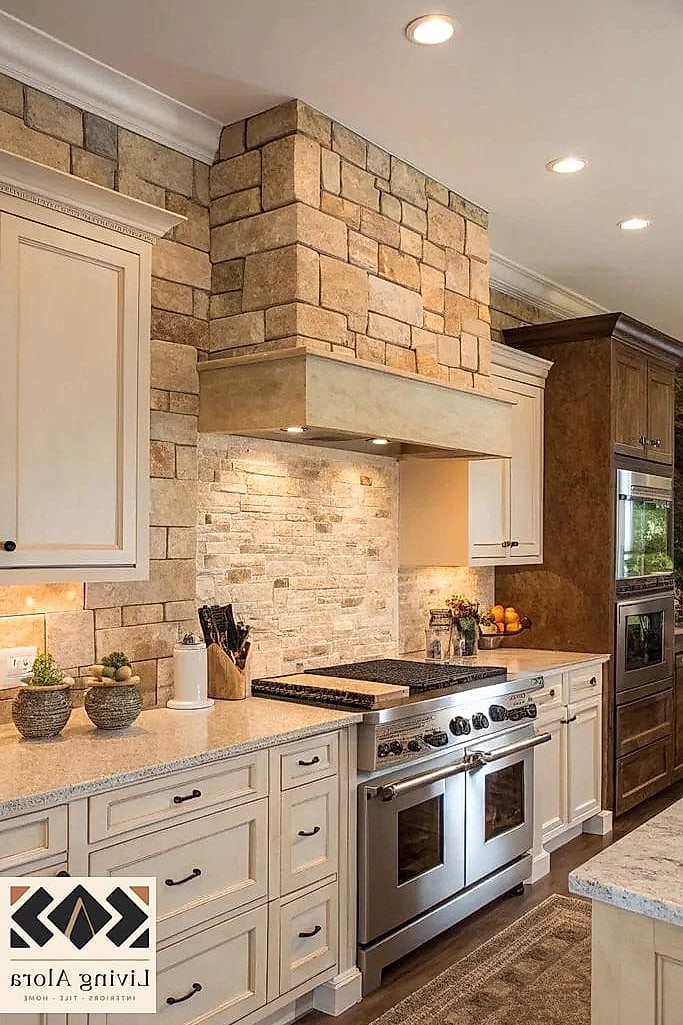
Travertine cut into a standard subway shape gives you that classic layout with a warmer, earthier finish than white marble. It’s a nice option for kitchens that want the timeless subway look but lean more into warm neutrals than crisp whites.
This pairs beautifully with butcher block counters and brass hardware for an organic, collected-over-time feel. Like other travertine options, a filled and sealed finish keeps maintenance manageable in a kitchen setting.
Black Marble for Contrast
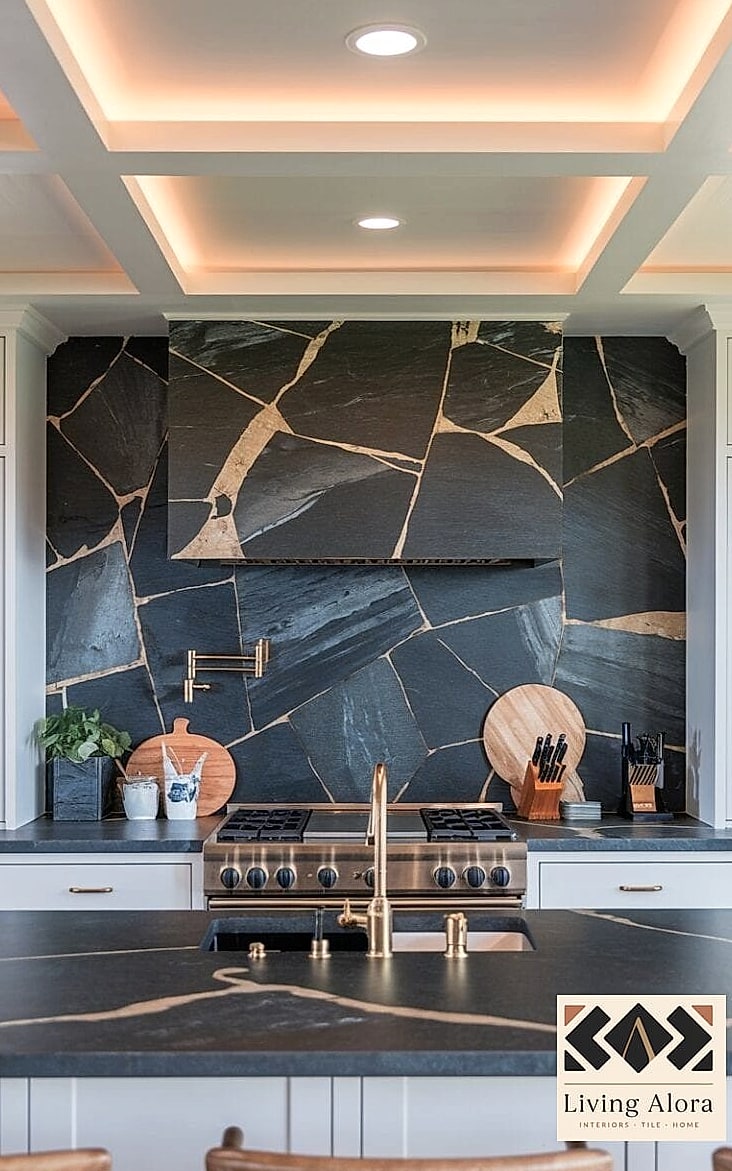
Black marble, like Nero Marquina with its white veining, brings serious contrast and drama, especially against white or cream cabinetry. It’s a striking way to ground a bright kitchen without covering the walls in an actual color.
This tends to work best on one focal wall rather than throughout, since it’s a strong visual statement. It shows water spots more readily than lighter stone, so keep a microfiber cloth nearby for quick wipe-downs after cooking.
Pebble Stone Tile for Texture
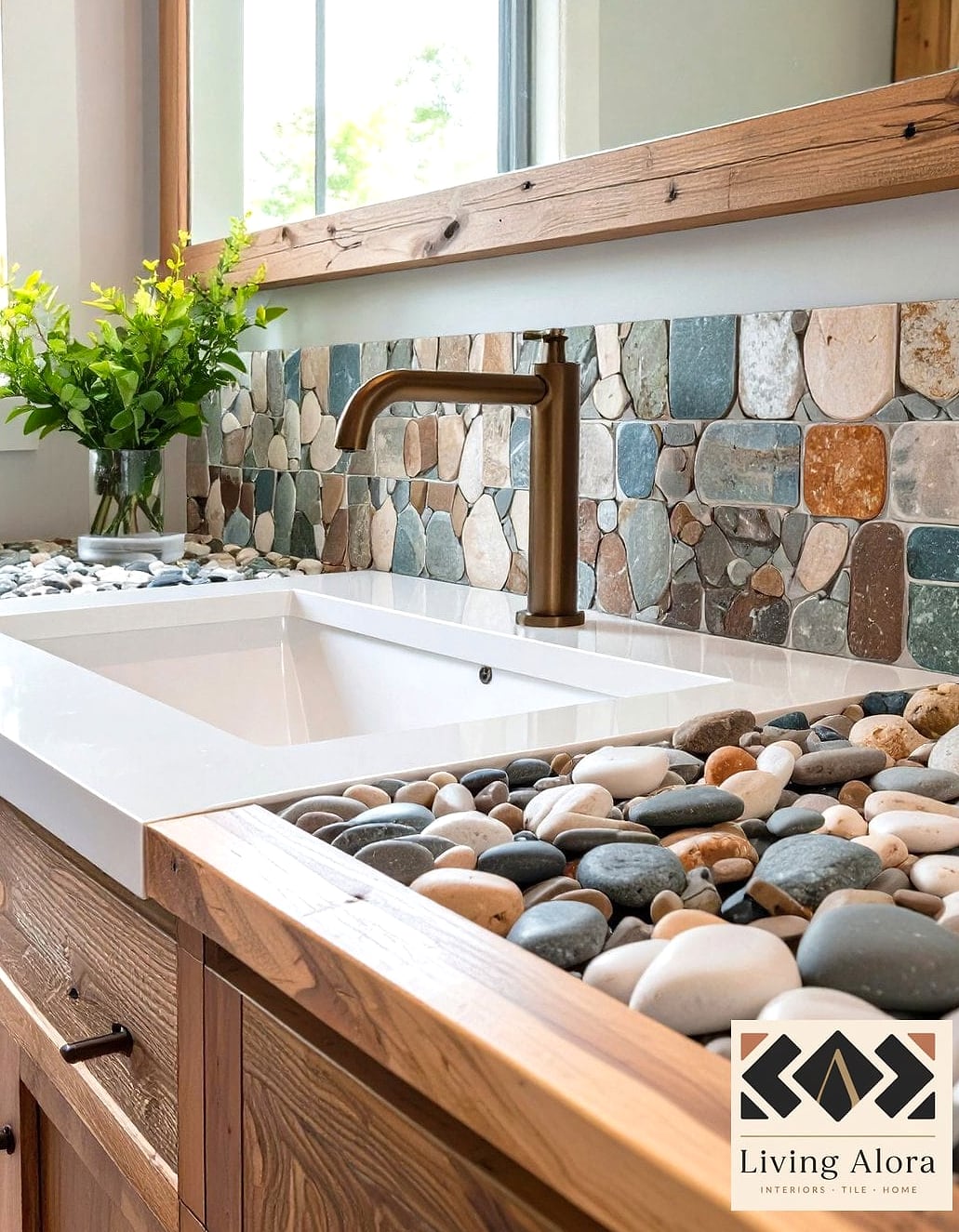
Pebble tile brings a spa-like, organic texture that’s a little unexpected in a kitchen but works surprisingly well in a bar nook, coffee station, or powder room sink area. The rounded stones create a tactile surface that feels distinctly different from flat tile.
Grout lines are more extensive with pebble tile because of all the irregular shapes, so sealing both the stone and grout is important for keeping it easy to clean. It’s a fun, budget-friendly way to add texture without committing to a full slab.
Marble and Wood Combination

Pairing marble tile with wood shelving or a wood range hood surround softens the coolness of the stone and adds warmth to the whole composition. This combination has become a go-to for anyone chasing a modern-organic or Japandi-inspired kitchen.
The contrast between the smooth, cool marble and the warm, textured wood creates real visual interest without needing a bold pattern. It’s an easy way to make a simple subway or straight-set marble backsplash feel more considered.
Quartzite in Warm Gold Tones
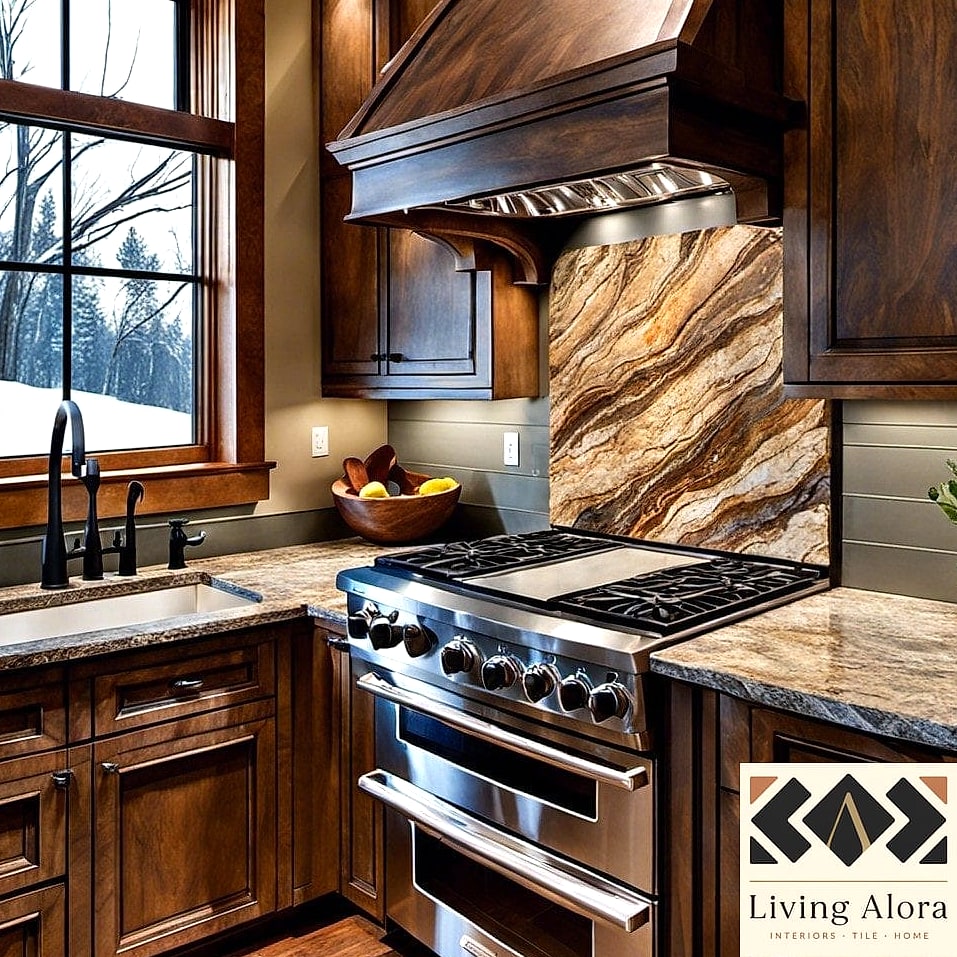
Not all quartzite reads cool and white — varieties like Taj Mahal have warm, golden undertones that feel soft and inviting rather than stark. It brings the durability quartzite is known for along with a color palette that pairs beautifully with warm wood tones and gold fixtures.
This is a good pick for kitchens that want the marble look but lean toward cream and beige rather than gray and white. It’s forgiving with maintenance too, since quartzite resists etching far better than true marble.
Mixed Natural Stone Mosaic Blend
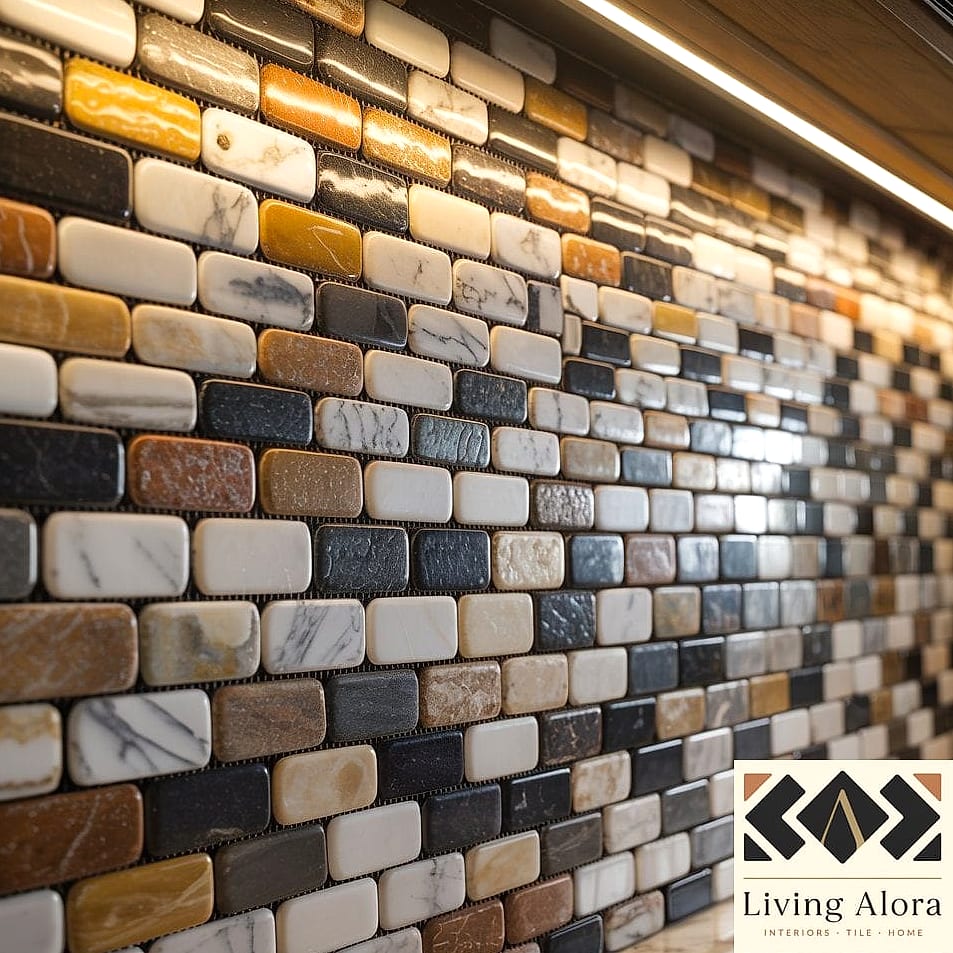
Some mosaic tiles combine several types of natural stone — marble, travertine, and slate, for example — into one blended sheet. This gives you variation in color and texture without having to commit to a single, uniform stone.
It’s a great option if you’re drawn to natural stone but can’t quite decide on one type, since you get a bit of everything in a single installation. These blended mosaics tend to be budget-friendlier than full slab work, making them an approachable entry point into natural stone backsplashes.
Natural stone backsplashes aren’t the cheapest option out there, and most of them do ask for a little more care than porcelain or ceramic tile. But there’s a reason people keep coming back to stone — it has a depth and individuality that’s genuinely hard to replicate.
Whether you go all-in with a dramatic slab installation or ease into it with a small stacked-stone accent, these 21 natural stone backsplash ideas should give you plenty to work with as you plan your next kitchen update.