21 Vertical Subway Tile Ideas for Every Home Style and Budget

- Classic White Vertical Subway Tile
- Vertical Subway Tile with Black Grout
- Floor-to-Ceiling Vertical Subway Tile Shower
- Vertical Subway Tile Kitchen Backsplash
- Colored Subway Tile in Vertical Layout
- Vertical Subway Tile Fireplace Surround
- Two-Tone Vertical Subway Tile Wall
- Vertical Subway Tile with Herringbone Accent
- Vertical Subway Tile Half Wall
- Matte Black Vertical Subway Tile
- Vertical Subway Tile Behind Open Shelving
- Textured Vertical Subway Tile
- Vertical Subway Tile Laundry Room Backsplash
- Vertical Subway Tile with Wood Shelf Accents
- Peel-and-Stick Vertical Subway Tile
- Vertical Subway Tile Bathroom Accent Wall
- Vertical Subway Tile with Mosaic Border
- Vertical Subway Tile Kitchen Island Wrap
- Glossy Vertical Subway Tile
- Vertical Subway Tile Niche or Nook
- Vertical Subway Tile in a Neutral Palette Kitchen
21 Vertical Subway Tile Ideas for Every Home Style and Budget
There’s a reason vertical subway tile keeps popping up in every kitchen and bathroom renovation you scroll past lately. Turning that classic rectangle tile on its side does something almost magical to a room. It draws the eye up, makes ceilings feel taller, and gives a familiar material a completely fresh personality.
If you’ve been staring at your plain backsplash or boring shower wall wondering how to make it feel more current, vertical subway tile might be your answer. Here are 21 ways to use it, from budget-friendly weekend projects to full-on splurge-worthy statements.
Classic White Vertical Subway Tile

This is the safest place to start if you’re nervous about committing to something bold. White subway tile turned vertically still reads clean and timeless, but the orientation alone makes it feel more intentional than the standard horizontal brick pattern.
It works beautifully in kitchens, bathrooms, and even laundry rooms where you want brightness without much visual noise. Pair it with white grout for a seamless look or go with a soft gray grout to define each tile a little more. This option is also one of the most affordable, since basic white ceramic subway tile is widely available and easy to find on sale.
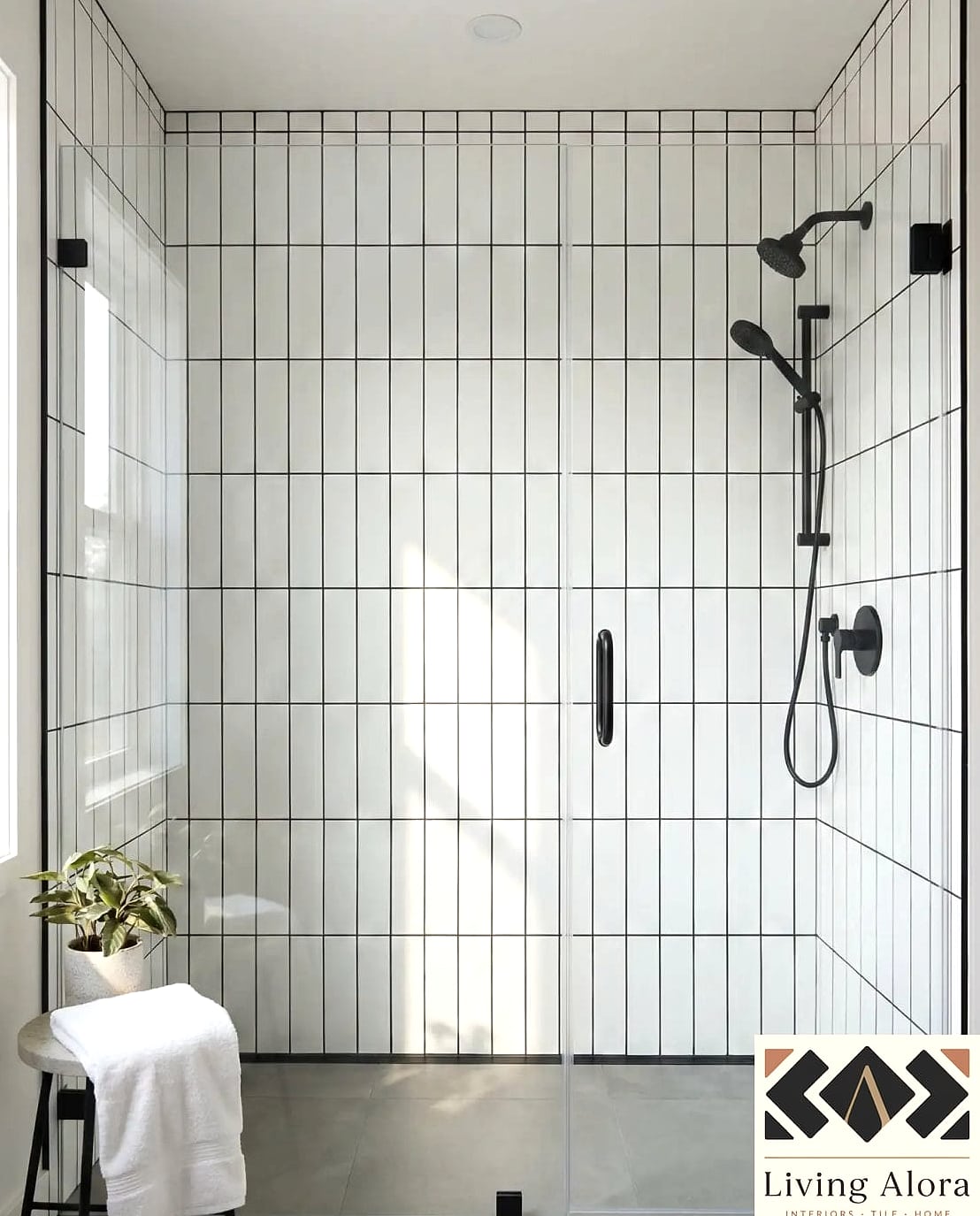
Vertical Subway Tile with Black Grout
Swapping white grout for black completely changes the personality of the same tile. Suddenly you’ve got a graphic, almost architectural pattern that photographs beautifully and hides daily grime better than you’d expect.
This combo works especially well in modern farmhouse or industrial-style kitchens. It’s a little more maintenance-conscious too, since black grout doesn’t show coffee splatters or grease the way white grout can. Just know that darker grout can sometimes stain lighter tile over time if it isn’t sealed properly, so ask your installer about sealing options upfront.
Floor-to-Ceiling Vertical Subway Tile Shower

Running vertical subway tile from the shower floor all the way to the ceiling is one of those upgrades that instantly makes a bathroom feel more custom without requiring a full gut renovation.
The height draws your eye upward, making even a small bathroom feel more spacious. Porcelain subway tile holds up especially well here since it resists moisture and staining better than standard ceramic. This is a bigger investment upfront, but it’s the kind of detail that adds real value if you’re planning to sell down the road.
Vertical Subway Tile Kitchen Backsplash

A backsplash is honestly the easiest place to experiment with vertical tile since it’s a smaller surface area and lower stakes than a full bathroom. Running the tile vertically behind your range or sink adds movement to what’s usually a pretty flat, forgettable spot in the kitchen.
It pairs nicely with quartz countertops and open shelving, especially if you’re going for a look that feels collected but not cluttered. Because it’s a smaller project, this is also one of the more DIY-friendly options on this list if you’re comfortable with a tile cutter and some patience.
Colored Subway Tile in Vertical Layout
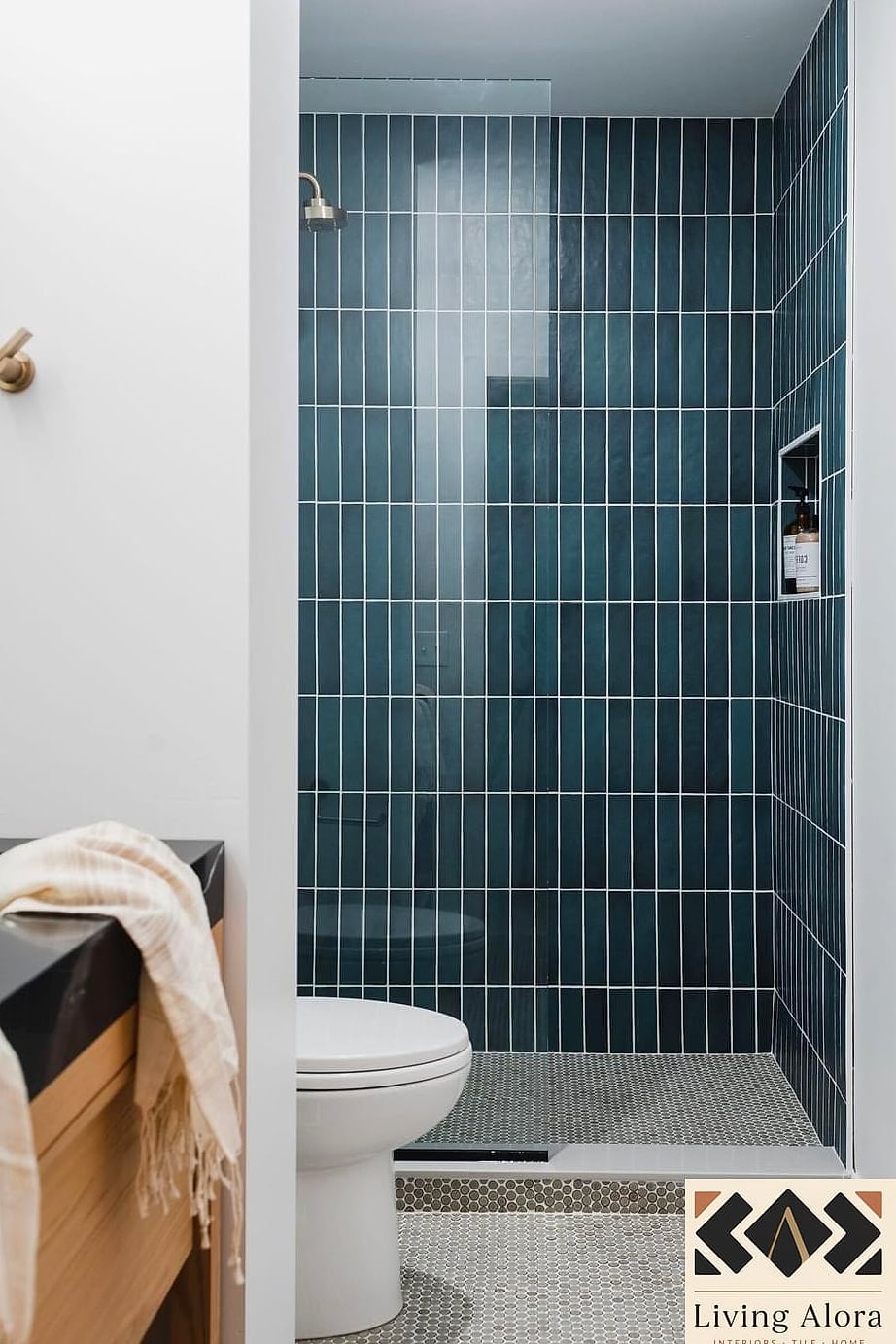
Who says subway tile has to be white? Soft sage green, dusty blue, or warm terracotta subway tile installed vertically brings in color without overwhelming a space the way a bold paint color might.
This works particularly well in powder rooms or as a backsplash accent, where you want a pop of personality but aren’t ready to commit to color on every wall. Ceramic tile in these shades tends to be reasonably priced, making this an easy way to add character on a modest budget.
Vertical Subway Tile Fireplace Surround

Tile isn’t just for kitchens and bathrooms. Wrapping a fireplace in vertical subway tile gives it a fresh, updated look that feels more current than the dated stone surrounds so many older homes still have.
The vertical lines complement the height of the fireplace itself, creating a nice visual flow from floor to mantel. This works in both traditional and modern homes depending on the tile color and grout you choose. Matte finish tile tends to look a little more sophisticated here than glossy, especially in living rooms with warm wood tones.
Two-Tone Vertical Subway Tile Wall

Combining two colors of vertical subway tile, like white on top and a deeper color on the bottom half, adds dimension to a plain wall without needing wallpaper or a mural.
This look works great in bathrooms, mudrooms, or even as a statement wall behind a bed. It’s a fun way to bring in a trend without going overboard, and it gives you flexibility to update just one color later if your style changes. Consider a simple metal trim strip where the two colors meet for a polished, finished edge.
Vertical Subway Tile with Herringbone Accent

Mixing your vertical subway tile field with a small herringbone pattern accent, like a niche, border, or feature strip, gives you the best of both trends without committing fully to either.
This is a popular choice for shower niches or as a decorative band running through an otherwise simple vertical layout. It adds texture and visual interest in a contained space, which keeps the project manageable and budget-friendly since you’re only using the herringbone pattern sparingly.
Vertical Subway Tile Half Wall

A half-height vertical subway tile wall, capped with a simple wood or tile ledge, brings a bit of old-world charm into bathrooms, kitchens, or even entryways.
This is a great renter-friendly-adjacent option if you’re doing peel-and-stick vertical subway tile, since you’re only covering the lower portion of the wall. It’s also more budget-conscious than full-height tile since you’re using significantly less material while still making a real design statement.
Matte Black Vertical Subway Tile

If you’re drawn to a moody, dramatic look, matte black subway tile installed vertically is stunning in a powder room or as a bold kitchen backsplash. It pairs especially well with brushed brass hardware and warm wood accents, which keep the space from feeling too cold or stark.
This is one of those choices that photographs incredibly well but does show water spots and fingerprints more than lighter tile, so keep a microfiber cloth nearby if you go this route in a busy kitchen.
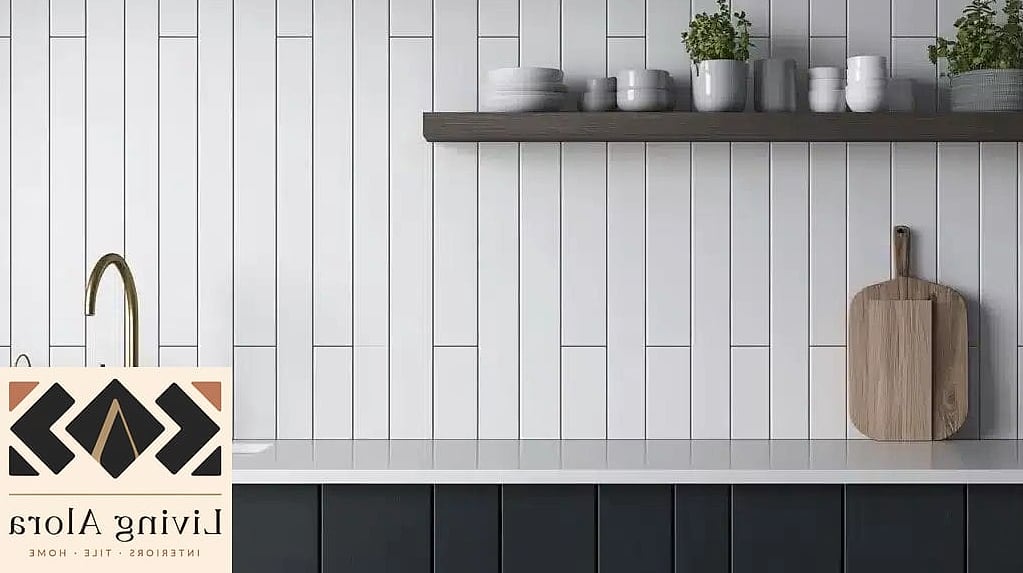
Vertical Subway Tile Behind Open Shelving
Installing vertical subway tile behind open shelving turns a functional storage spot into a designed feature. The tile becomes the backdrop for your favorite dishes, cookbooks, or plants, giving the whole area more depth than a plain painted wall.
This is a great mid-size project for kitchens that already have open shelving or for anyone considering swapping upper cabinets for a more open, airy feel.
Textured Vertical Subway Tile

Not all subway tile is flat and smooth anymore. Textured or slightly wavy subway tile installed vertically catches light differently throughout the day, adding subtle movement to a wall that would otherwise look one-dimensional.
This works especially well in bathrooms where natural light hits the tile at different angles, and it’s a nice way to add interest without introducing more color or pattern into the room.
Vertical Subway Tile Laundry Room Backsplash

Laundry rooms deserve some design love too. A vertical subway tile backsplash behind your sink or folding counter instantly elevates a space that’s usually purely functional.
Since laundry rooms tend to be smaller, this is a very achievable weekend project, and it doesn’t require a huge tile budget. Pair it with open shelving and a few labeled bins for a laundry room that feels as organized as it looks.
Vertical Subway Tile with Wood Shelf Accents

Combining vertical subway tile with a floating wood shelf, whether in a kitchen or bathroom, softens the look and adds warmth. The contrast between the crisp tile lines and natural wood grain feels balanced rather than sterile.
This pairing is popular in modern farmhouse and Scandinavian-inspired spaces where warm wood tones are already part of the palette. It’s also practical, giving you a spot for plants, candles, or everyday essentials.
Peel-and-Stick Vertical Subway Tile

If commitment isn’t your thing, or you’re renting, peel-and-stick vertical subway tile has come a long way and can genuinely look convincing from a few feet back. This is hands-down the most budget-friendly and beginner-friendly option on this list.
It’s ideal for a small backsplash or an accent wall you want to test out before investing in real tile. Just know it’s not as durable as ceramic or porcelain, so it’s better suited to lower-moisture, lower-traffic areas.
Vertical Subway Tile Bathroom Accent Wall

Rather than tiling an entire bathroom, choosing just one wall for vertical subway tile gives you a focal point without the cost or labor of a full room. This works especially well behind a vanity or as the wall your tub backs up against.
It’s a nice middle ground for anyone who loves the look but isn’t ready for a full bathroom renovation.
Vertical Subway Tile with Mosaic Border
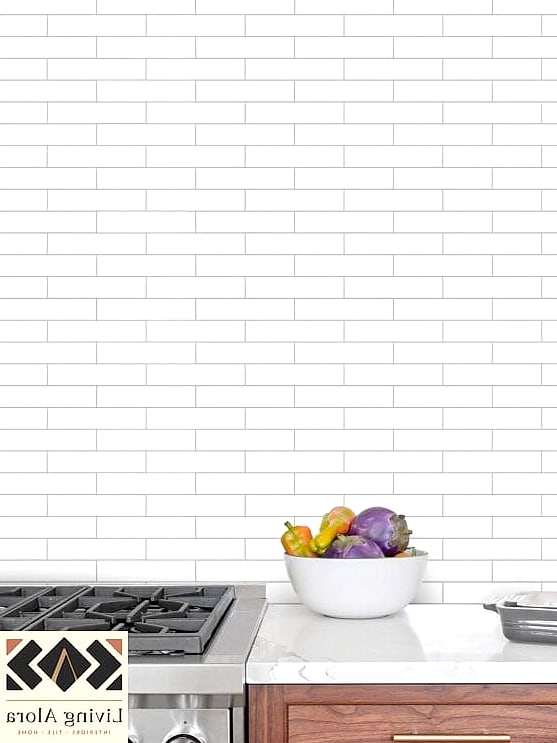
Adding a thin mosaic tile border at the top or bottom of a vertical subway tile installation gives it a finished, custom feel, almost like a piece of trim work. This is a small detail, but it makes the whole wall look more thought-out.
It’s a nice option if you want your tile work to feel a little more elevated without doubling your material costs, since the mosaic border only requires a small amount of extra tile.
Vertical Subway Tile Kitchen Island Wrap
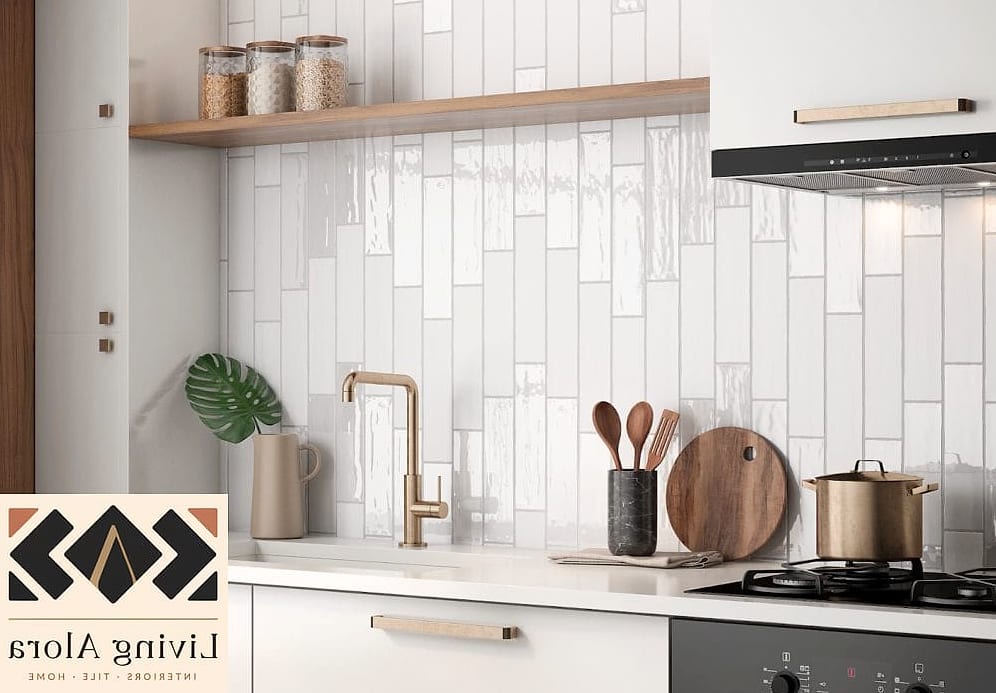
Wrapping the side of a kitchen island in vertical subway tile is an unexpected but striking choice. It turns the island into more of a feature piece rather than just a functional workspace.
This works particularly well in kitchens with a lot of white or neutral cabinetry, since the tile adds texture and a bit of unexpected charm to an otherwise plain surface.
Glossy Vertical Subway Tile
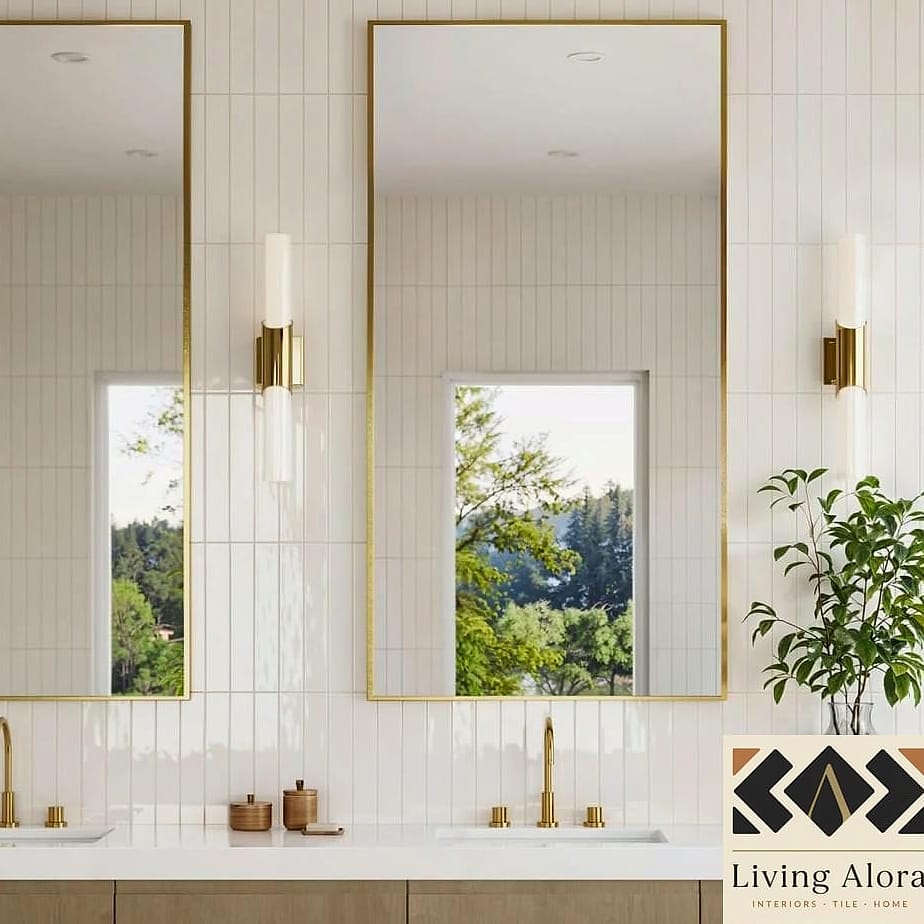
Glossy subway tile reflects light beautifully, which makes it a great pick for smaller kitchens or bathrooms that could use a little extra brightness. Installed vertically, the reflective surface amplifies natural light even more than a horizontal layout would.
This finish is also fairly easy to wipe down, which makes it practical for kitchens where grease and splatters are a daily reality.
Vertical Subway Tile Niche or Nook

A tiled niche, whether in a shower or as a small display nook in a hallway, is a great spot to try vertical subway tile on a tiny scale. It’s low-risk, low-cost, and a great way to test a tile color or pattern before committing to a bigger wall.
This is also one of the more DIY-friendly ideas here since the surface area is so small.
Vertical Subway Tile in a Neutral Palette Kitchen

Sometimes the best design choice is the quiet one. Vertical subway tile in soft warm white or greige tones blends seamlessly into a neutral color palette kitchen, adding texture and dimension without competing with your countertops, cabinetry, or hardware.
This is a great option if you want your kitchen to feel cohesive and calm, letting other design details like brass fixtures or natural stone countertops take center stage instead.
Vertical subway tile really is one of those design choices that works no matter your budget or style. Whether you’re doing a full shower renovation or just swapping out a small backsplash over a weekend, turning that classic tile on its side is a simple way to make a space feel a little more custom and a lot more current.