25 Picket Tile Ideas Worth Stealing From Interior Designers

- Classic White Picket Backsplash
- Dark Grout for Definition
- Floor-to-Ceiling Shower Wall
- Zellige-Style Picket for Texture
- Herringbone-Adjacent Picket Layout
- Moody Green Bathroom Accent
- Terracotta Picket for Warmth
- Blue and White Coastal Kitchen
- Picket Tile Fireplace Surround
- Mixed Metallic Grout Lines
- Picket Tile Kitchen Island Wrap
- Small Bathroom Accent Niche
- Black Picket Tile Statement Wall
- Picket Tile Laundry Room Backsplash
- Vertical Picket for a Narrow Hallway
- Picket Tile Wet Bar Backsplash
- Two-Tone Picket Pattern
- Picket Tile Around a Bathtub
- Picket Tile Pantry Backsplash
- Matte Cream Picket for Soft Neutrals
- Picket Tile Behind Open Shelving
- Picket Tile Powder Room Floor
- Picket Tile with Exposed Brick
- Picket Tile Reading Nook Accent
- Picket Tile Outdoor Kitchen Accent
25 Picket Tile Ideas Worth Stealing From Interior Designers
Picket tile has quietly become one of my favorite ways to add movement to a space without going overboard. It’s shaped like a little arrow or shield, usually longer than it is wide, and when you line a bunch of them up, you get this pointed, layered pattern that reads as both classic and kind of unexpected. If you’ve been scrolling design accounts and wondering what that pointy little tile shape is called, this is it. Here are 25 ways designers are using picket tile right now, from full accent walls to tiny powder room moments.
Classic White Picket Backsplash
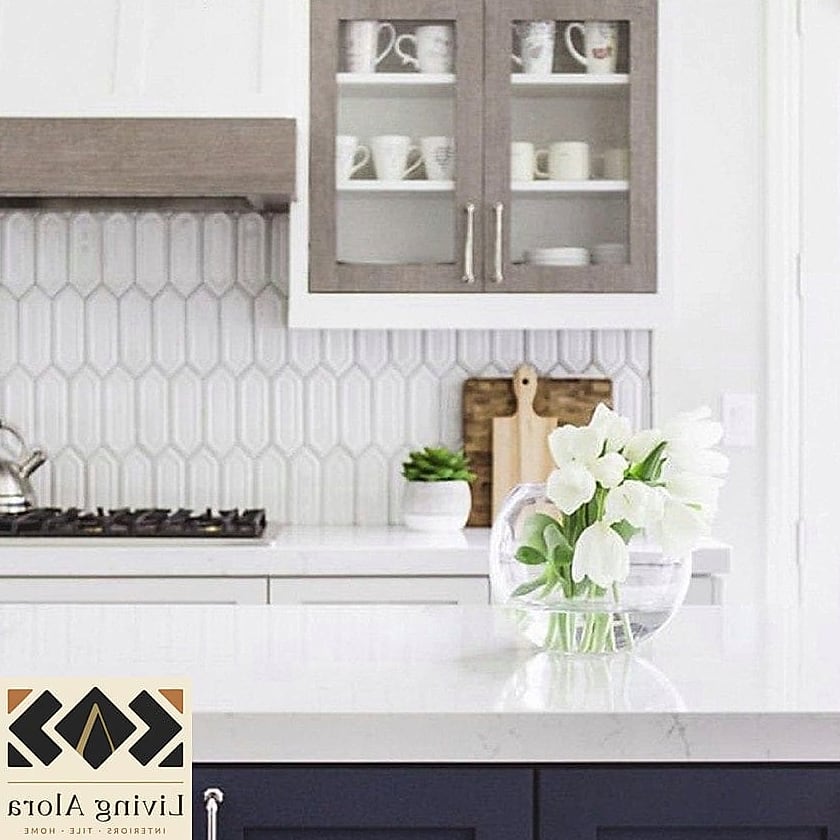
There’s a reason this one shows up in so many kitchen renovations. White picket tile in a glossy finish catches light beautifully and makes a galley kitchen feel brighter than it actually is. Pair it with brushed brass hardware and butcher block counters for a look that feels collected rather than matchy. It’s also one of the easier picket layouts for a first-time DIYer since the grid stays fairly forgiving.
Dark Grout for Definition
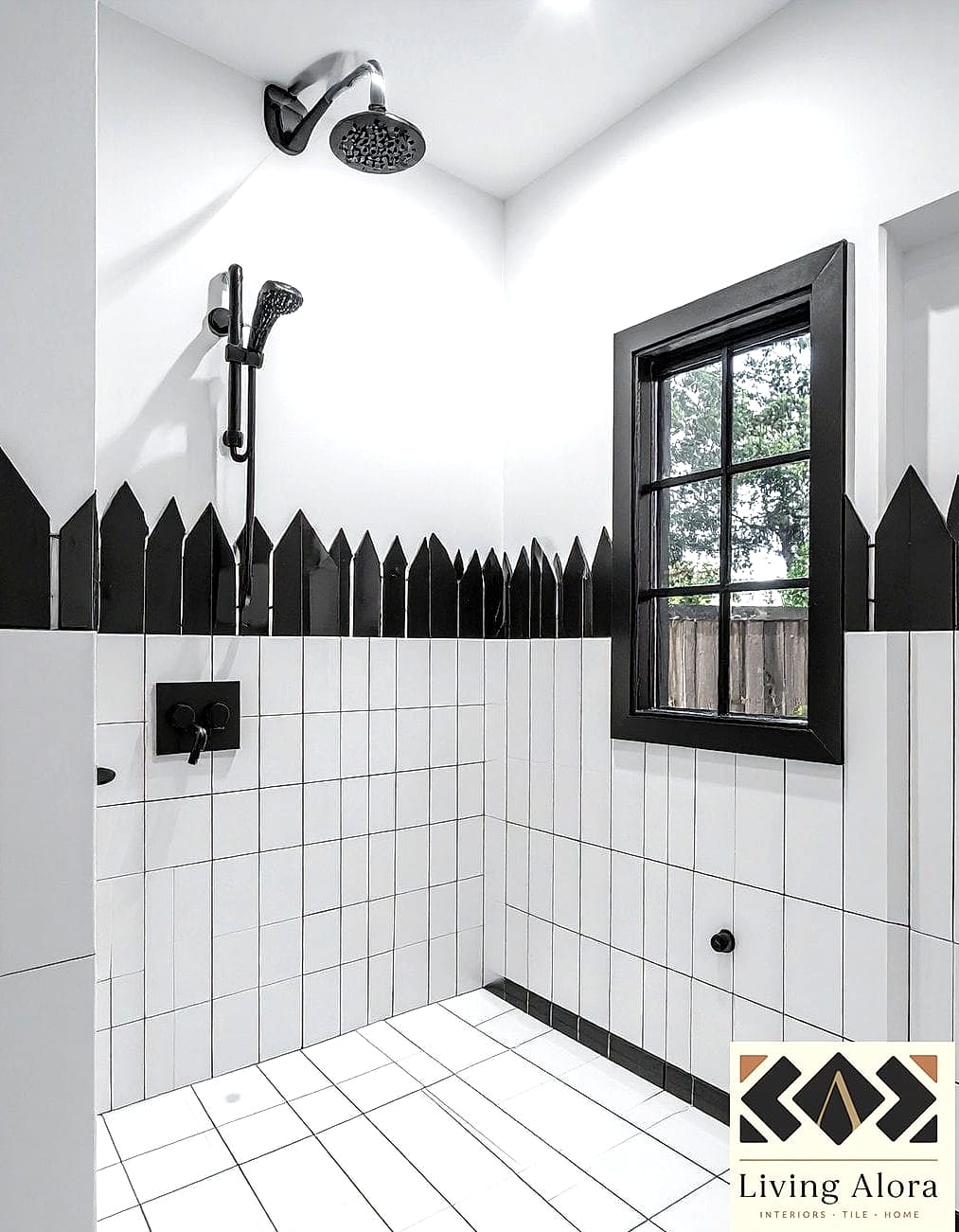
Skip the white grout and go charcoal or black instead. Suddenly every single tile edge pops, and the picket shape actually reads instead of blending into a blob of white. This works especially well in kitchens where you want the backsplash to feel intentional rather than like an afterthought. Just know dark grout shows flour dust and water spots differently than light grout, so a quick wipe-down after cooking keeps it looking sharp.
Floor-to-Ceiling Shower Wall
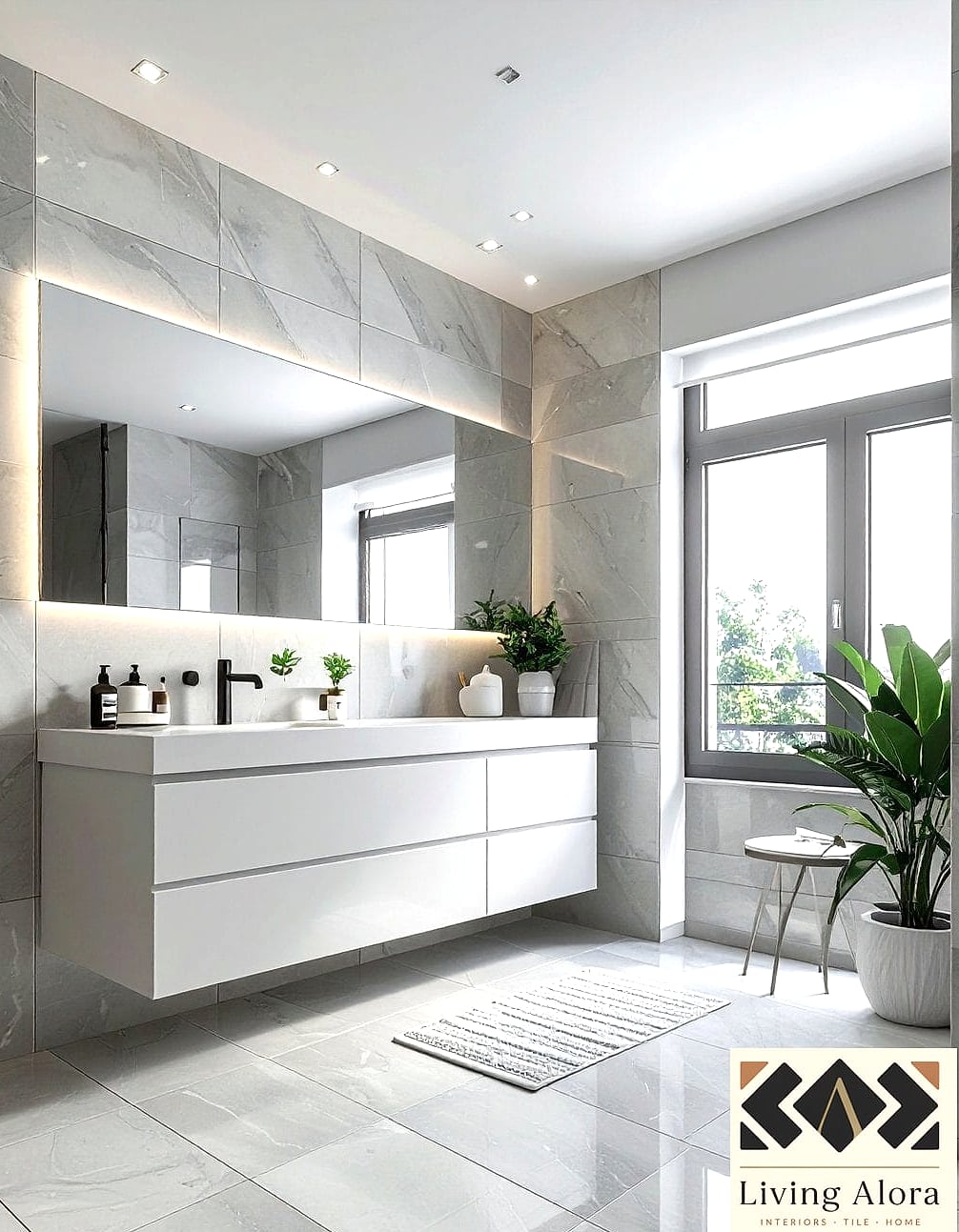
Designers love using picket tile as the hero wall in a walk-in shower. The vertical movement of the pattern actually makes ceilings feel taller, which is a neat trick in older bathrooms with standard 8-foot ceilings. Porcelain picket holds up best here since it resists water absorption better than natural stone. If you’re renovating on a budget, this is the splurge wall while the other three stay in a simple large-format tile.
Zellige-Style Picket for Texture
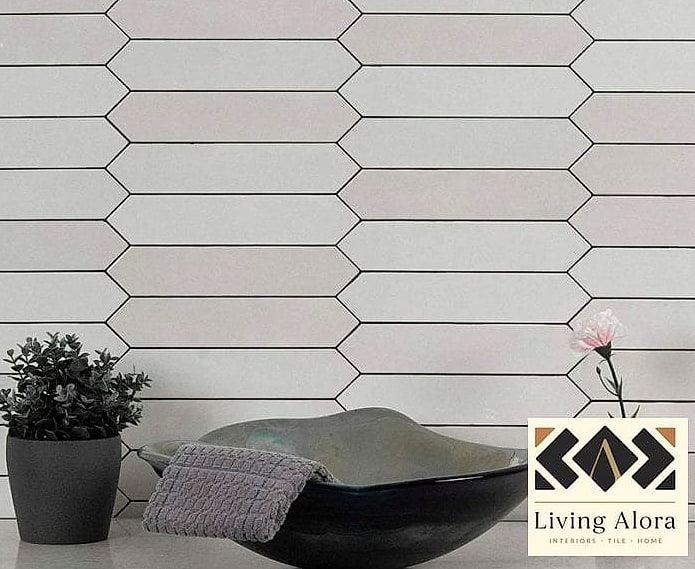
Zellige tile has that handmade, slightly imperfect surface that catches light differently on every piece. Put it in a picket shape and you get texture and movement in one move. It’s gorgeous over a range hood or as a small kitchen accent, though it does run pricier than standard ceramic. Worth it if you want a wall that looks like nobody else’s.
Herringbone-Adjacent Picket Layout
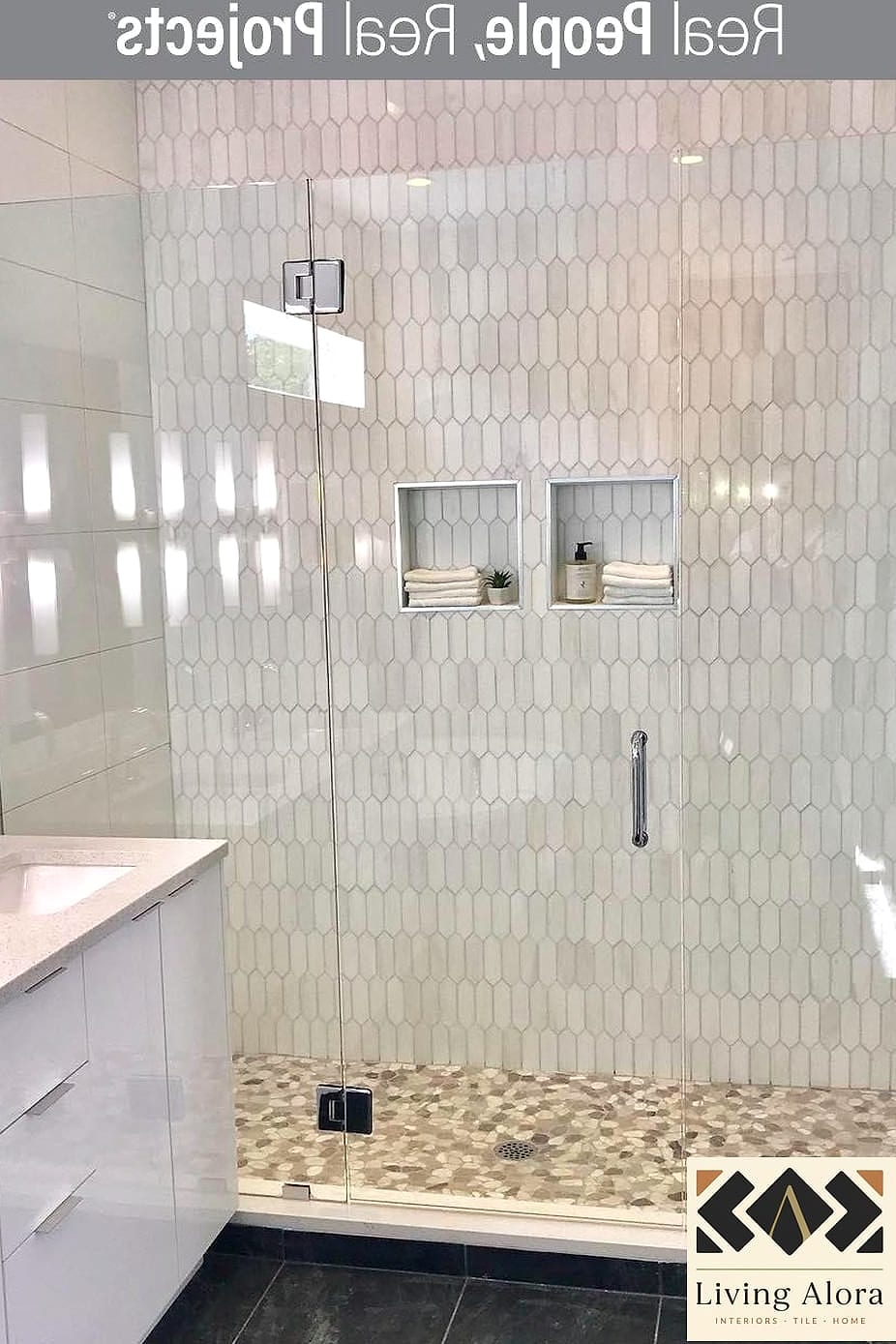
Some picket tiles are cut so that when you install them, the pattern almost mimics herringbone but with softer, pointed edges instead of straight ones. It’s a great middle ground if you love herringbone but want something a little less common. This layout tends to work best in entryways and mudrooms where you want the floor to do some visual heavy lifting.
Moody Green Bathroom Accent

Deep forest or sage green picket tile against white fixtures is having a real moment. It brings in color without committing to a full wallpaper situation, and it photographs beautifully in natural light. This is a nice option for a powder room where you want guests to actually notice the design. Matte finishes read a bit more sophisticated here than glossy ones.
Terracotta Picket for Warmth

If your style leans warm and earthy, terracotta-toned picket tile brings that in immediately. It pairs naturally with wood accents, woven baskets, and warm brass fixtures. This one tends to show up in kitchens going for a Mediterranean or Spanish-inspired feel. It’s also fairly forgiving with maintenance since the tone hides minor water spotting.
Blue and White Coastal Kitchen
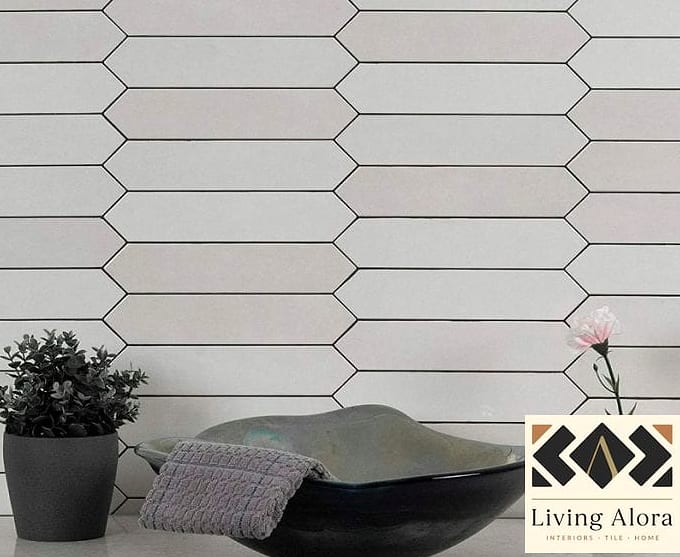
Soft blue picket tile against white cabinetry gives coastal kitchens a fresh, collected look without leaning too theme-y. Keep the rest of the palette neutral so the tile stays the focal point. This combo works in both traditional and slightly more modern kitchens, which is part of why it keeps showing up in designer portfolios. A satin or matte finish keeps it from feeling too glossy-beachy.
Picket Tile Fireplace Surround
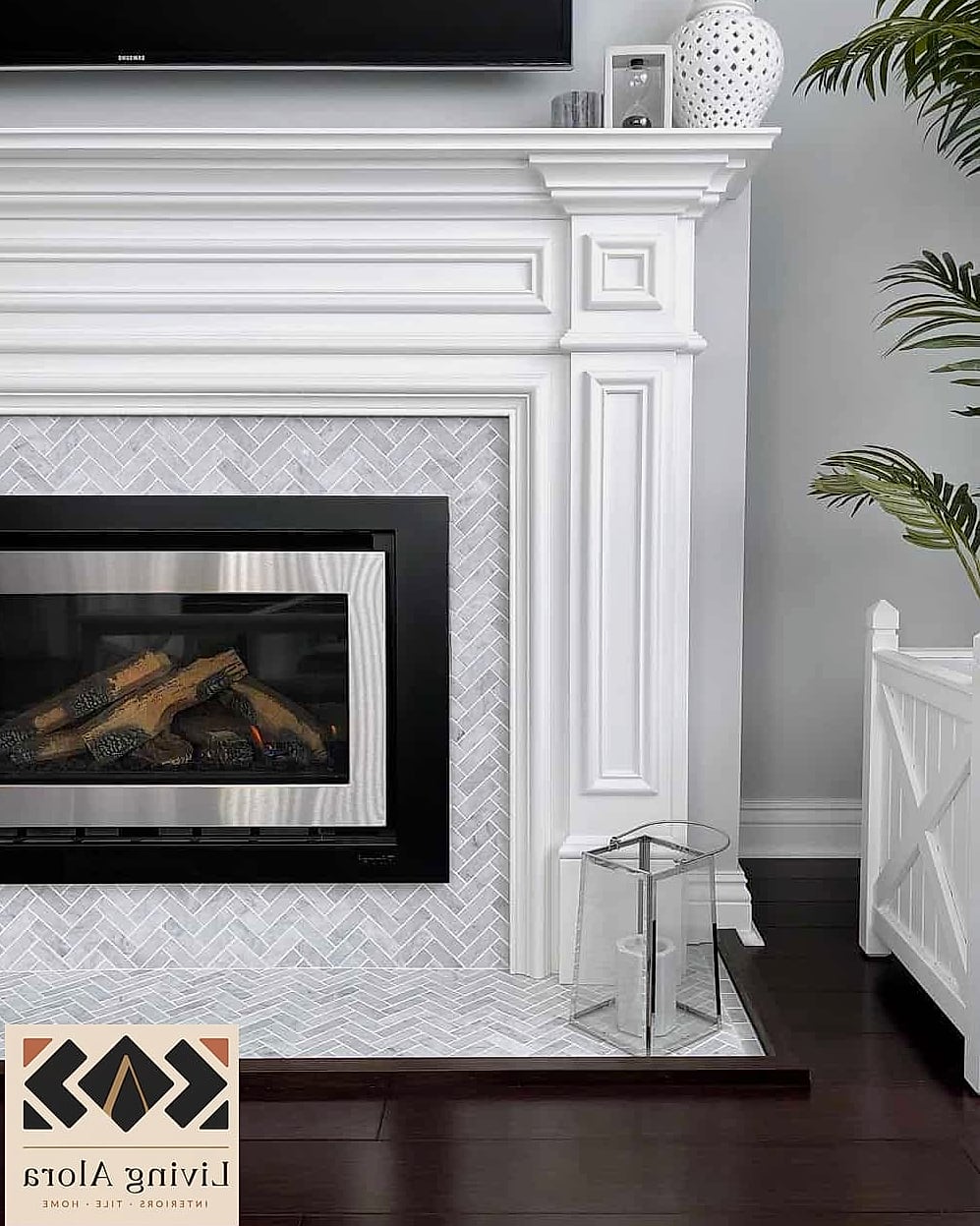
This one surprises people, but a fireplace surround in picket tile turns a pretty standard feature into a real focal point. Stone-look porcelain in a picket cut gives you the texture of natural stone with easier upkeep. It works especially well in living rooms with vaulted ceilings, since the vertical pattern draws the eye upward. Just make sure whatever you choose is rated for heat exposure near the firebox.
Mixed Metallic Grout Lines
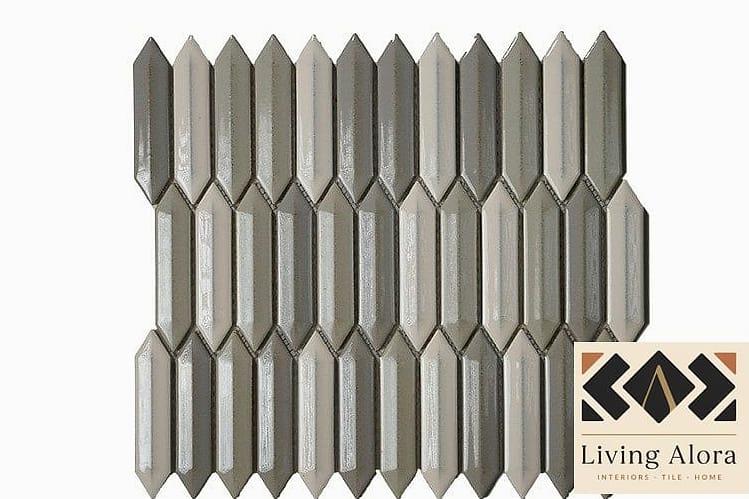
A newer trick some designers are using is a slightly metallic or shimmer grout between picket tiles. It’s subtle, not disco-ball obvious, but it adds a little extra glow in a kitchen or bar area. This pairs especially well with glossy white or cream tile. It’s a small detail, but it’s the kind of thing people notice without knowing exactly why the space feels a little more polished.
Picket Tile Kitchen Island Wrap

Instead of tiling just the backsplash, some designers are wrapping a kitchen island base in picket tile for a furniture-like look. It’s a bold move, but it makes an island feel custom-built rather than store-bought. This works best with a simple color palette elsewhere in the kitchen so the island doesn’t compete with the backsplash. Porcelain is your best bet here since it handles daily bumps and chair scuffs.
Small Bathroom Accent Niche

If you’re not ready to commit to a full wall, try picket tile just inside a shower niche or recessed shelf. It’s a small dose of pattern that still makes a statement every time you reach for shampoo. This is a great renter-friendly-adjacent idea if you’re doing a light bathroom refresh and don’t want to retile everything. Even a modest tile budget goes a long way in a space this size.
Black Picket Tile Statement Wall
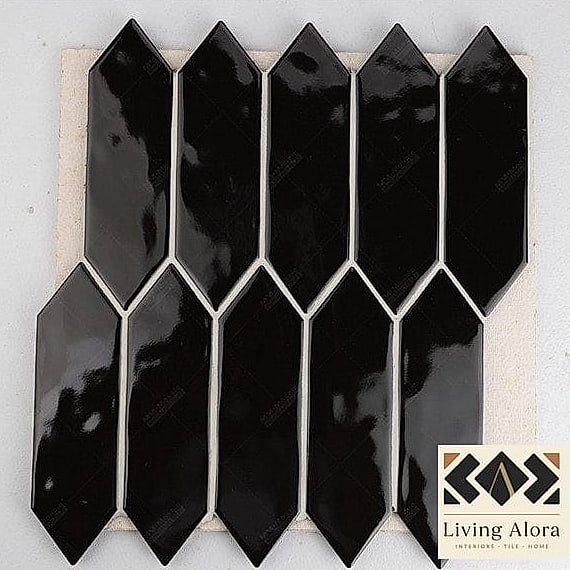
Black picket tile in a bathroom or bar nook reads moody and a little dramatic in the best way. Balance it with warm lighting and brass or matte black fixtures so the space doesn’t feel too dark or cave-like. This works particularly well in a powder room that doesn’t get heavy daily use, since black tile does show water spots more than lighter shades. Layered lighting really matters here.
Picket Tile Laundry Room Backsplash
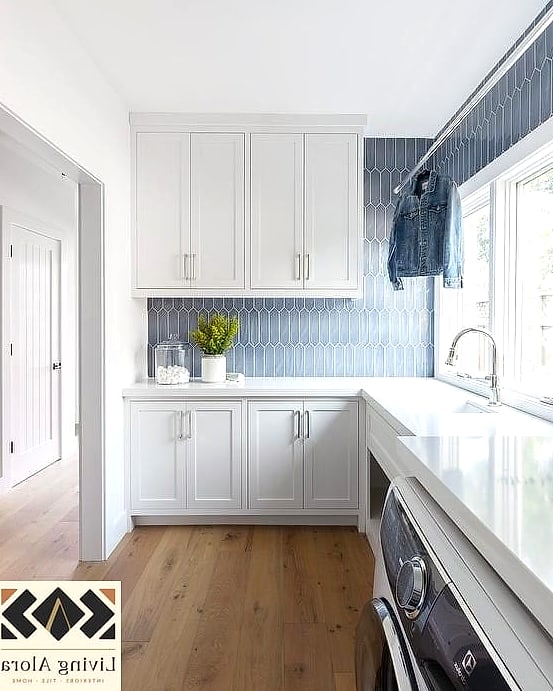
Laundry rooms are getting the design treatment lately, and picket tile behind a folding counter or sink is an easy way to make the space feel finished. A soft neutral or pale blue picket keeps things calm and functional-looking. It’s also genuinely practical since tile is easy to wipe down when detergent splashes happen. Pair it with open shelving and labeled bins for a laundry room that actually functions well too.
Vertical Picket for a Narrow Hallway
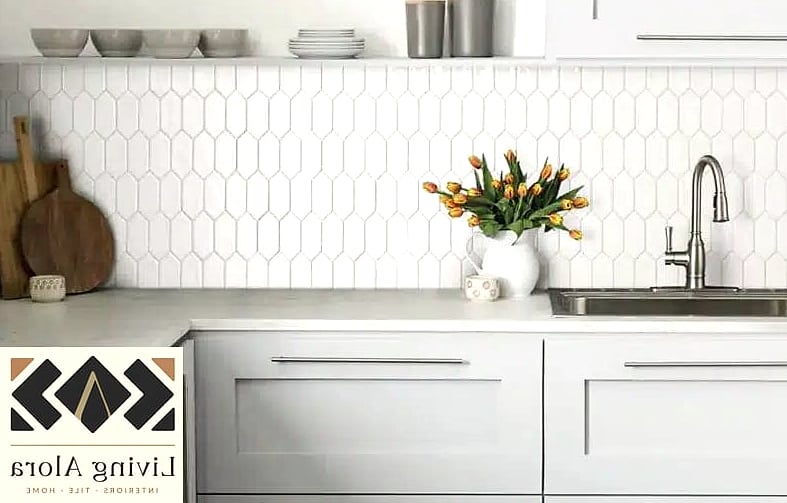
In a tight hallway or narrow entry, running picket tile vertically up a half wall can make the space feel less cramped. The pointed pattern draws the eye up rather than emphasizing the narrow width. This is a smart trick for older homes with choppy layouts. Keep the rest of the hallway simple, maybe just a runner and a few framed pieces, so the tile stays the star.
Picket Tile Wet Bar Backsplash
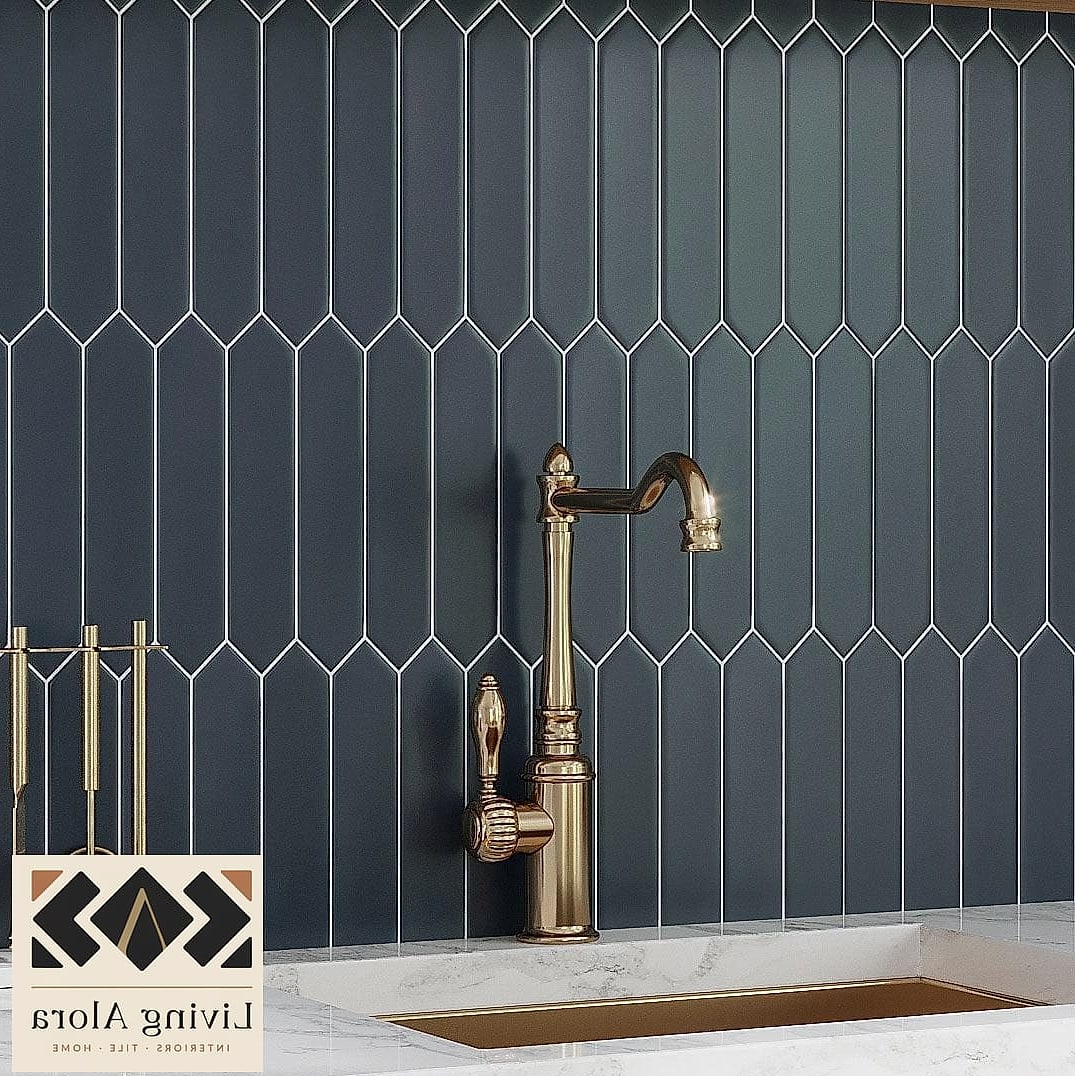
A home bar or wet bar area is a low-stakes place to experiment with a bolder picket pattern since it’s not an everyday-use kitchen space. Try a jewel-toned tile like emerald or navy for a little glamour. Open shelving above with glassware and a few plants finishes the look nicely. It’s a small footprint project that makes a big visual impact for entertaining.
Two-Tone Picket Pattern

Alternating two colors of picket tile in a repeating pattern creates a graphic, almost art-deco feel. Cream and terracotta, or white and black, are popular combos designers keep returning to. This works well as a backsplash or bathroom floor where you want the tile itself to be the design statement. It does take a bit more planning during installation to keep the pattern consistent, so this one’s better left to a pro if you’re not confident with layout math.
Picket Tile Around a Bathtub
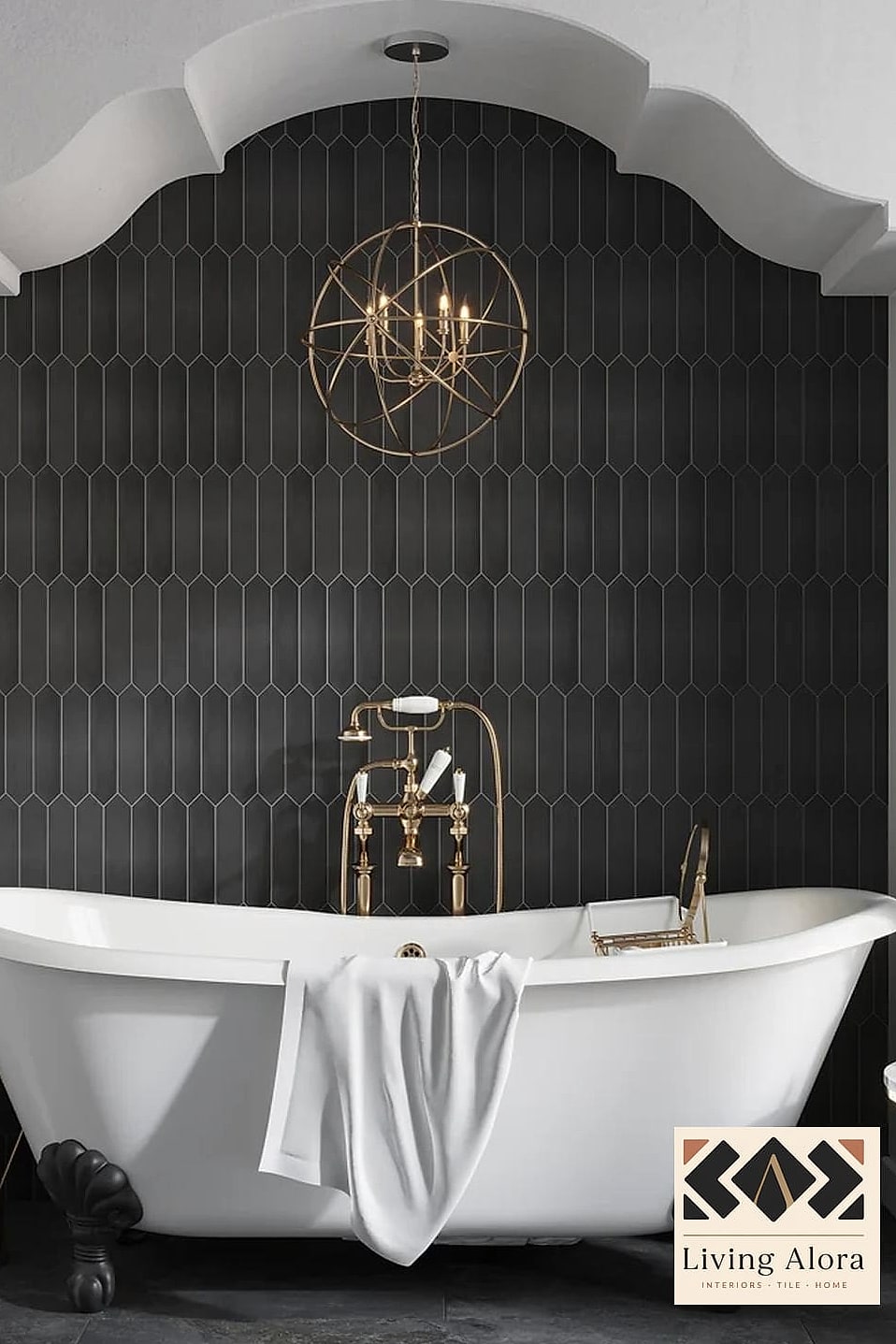
Instead of the usual subway tile surround, picket tile around a freestanding or built-in tub adds unexpected texture. It photographs beautifully and gives an otherwise simple bathroom a custom, designer feel. Stick to a soft neutral if you want it to feel timeless, or go bold if the tub is the room’s main focal point anyway. Natural stone picket here elevates the whole space, though porcelain is the more budget-friendly and lower-maintenance choice.
Picket Tile Pantry Backsplash
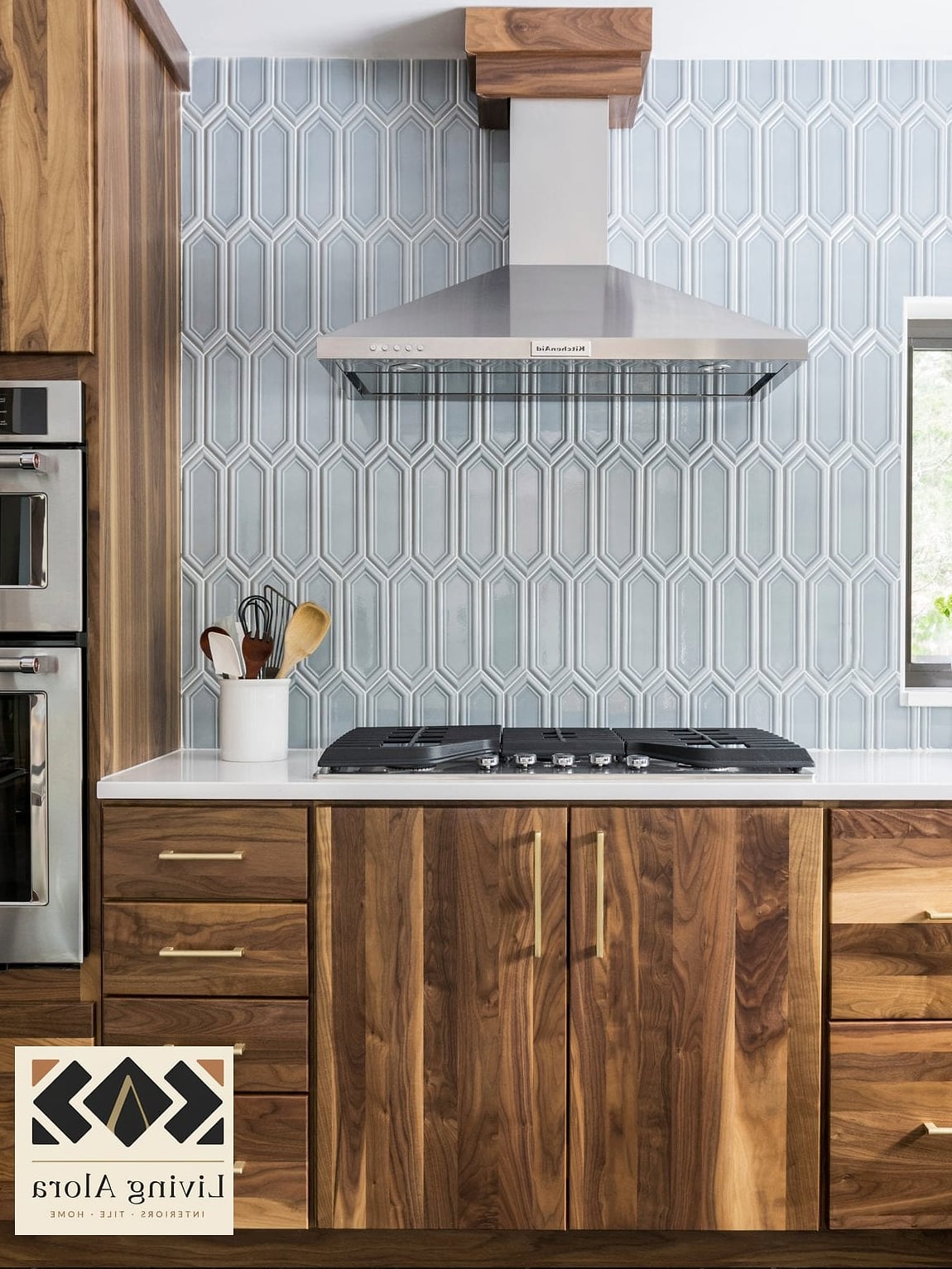
A small backsplash behind open pantry shelving is an easy way to sneak in some pattern in a space people don’t expect it. It also makes a functional pantry feel a little more intentional rather than purely utilitarian. Pair with woven baskets, glass jars, and simple labels for that organized-pantry look everyone’s after. It’s a small material investment for a surprisingly big style payoff.
Matte Cream Picket for Soft Neutrals
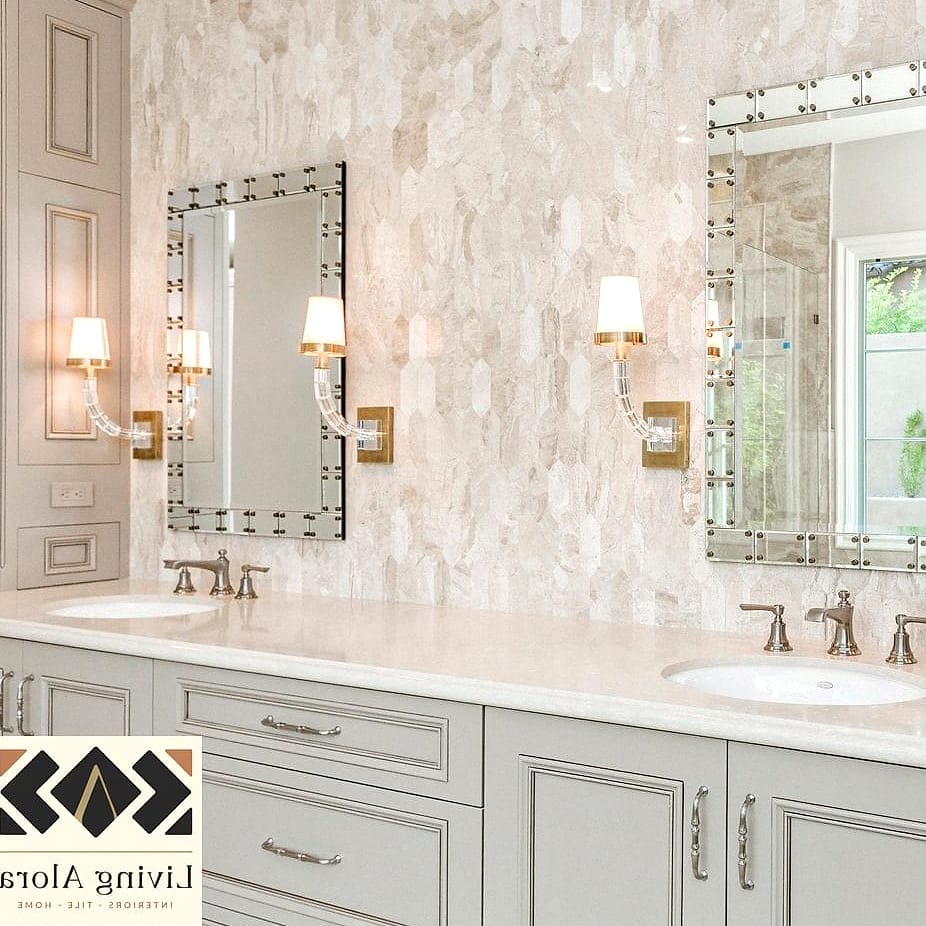
If bold color isn’t your thing, a matte cream or warm white picket tile still gives you that pointed movement without any color commitment. It’s an especially good choice for kitchens or bathrooms going for a soft, warm-neutral palette. Matte finishes also tend to hide water spots and fingerprints better than glossy ones, which matters in high-touch areas. This is one of the more versatile options on this list if you think you’ll want to change up decor down the road.
Picket Tile Behind Open Shelving
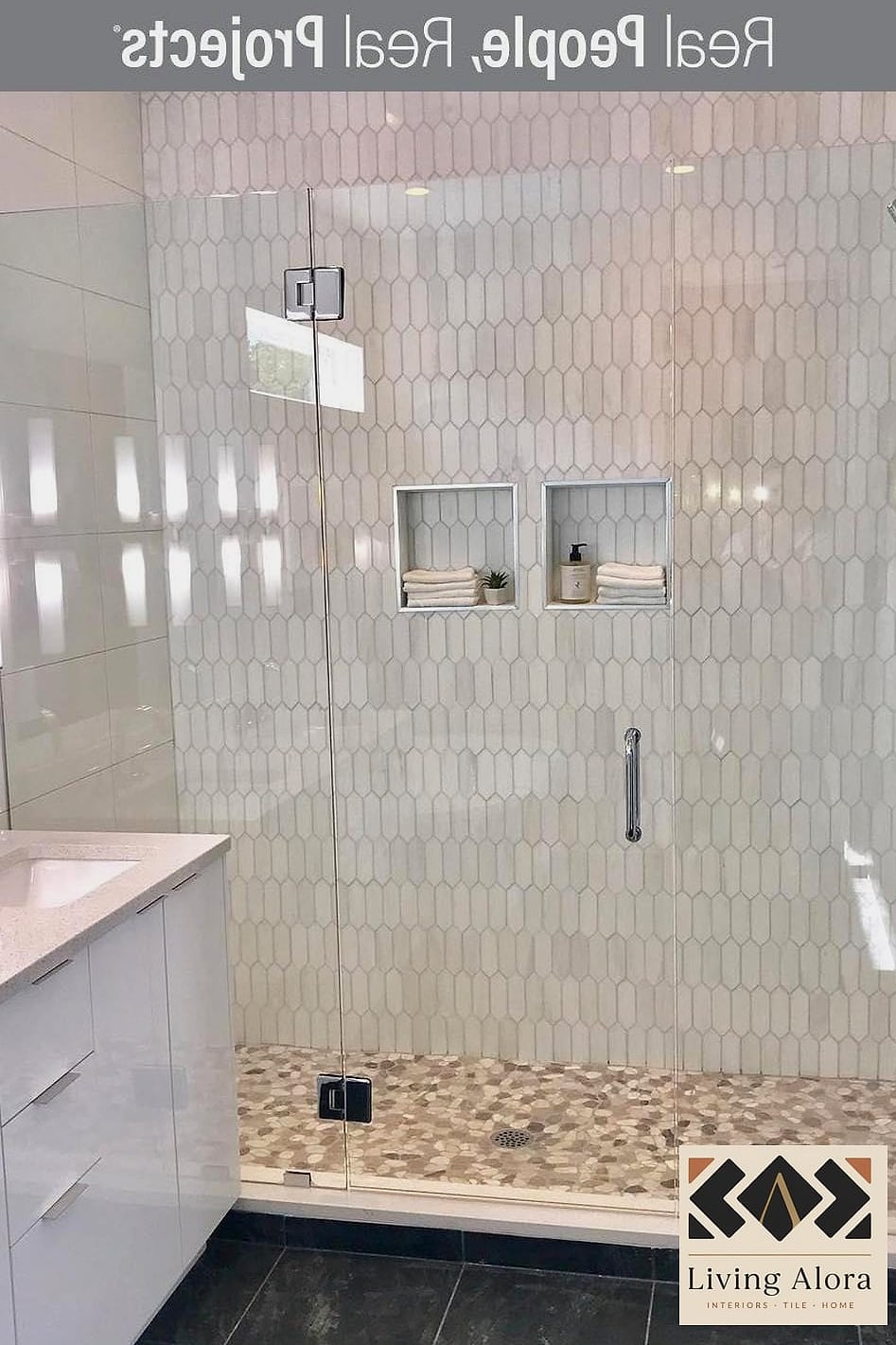
Open shelving needs a little visual backup, and picket tile does that job well. It fills the wall space between shelves with texture so the area doesn’t feel flat or unfinished. This works in kitchens, bathrooms, and even closets that have been converted to open storage. Keep the shelving styling simple, a few baskets and everyday items, so the tile and shelves don’t compete for attention.
Picket Tile Powder Room Floor
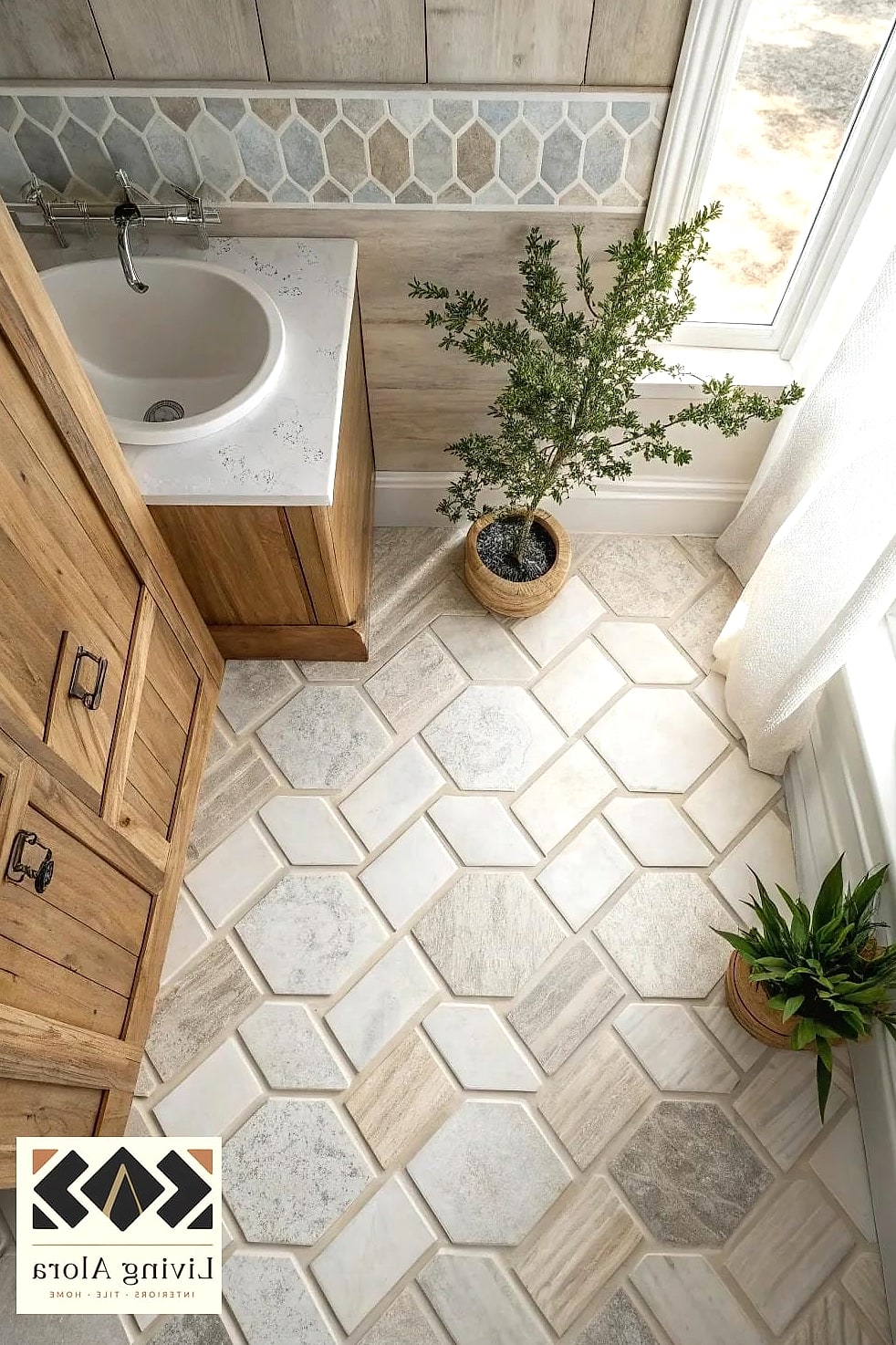
Most people think of picket tile as a wall material, but it makes a striking floor too, especially in a small powder room. The scale of the tile suits a small footprint better than large-format tile would. A patterned floor paired with plain white walls keeps the room from feeling too busy. It’s a fun place to take a risk since it’s a room guests see but you’re not living in daily.
Picket Tile with Exposed Brick

Mixing picket tile with exposed brick, maybe on a kitchen accent wall or a bar nook, gives you two different textures that somehow work really well together. The tile brings polish, the brick brings warmth and history. This combo tends to show up in loft-style homes and converted industrial spaces. Keep your color palette tight, maybe just warm neutrals and black metal accents, so the mixed materials feel cohesive instead of chaotic.
Picket Tile Reading Nook Accent

A built-in reading nook or window seat gets an unexpected upgrade when you tile the surrounding wall in picket shape. It turns a simple bench into something that feels custom-designed rather than an afterthought. Soft, muted tones work best here since it’s meant to feel cozy, not loud. Add a cushion, a throw, and a small shelf for books, and you’ve got a corner people actually want to sit in.
Picket Tile Outdoor Kitchen Accent
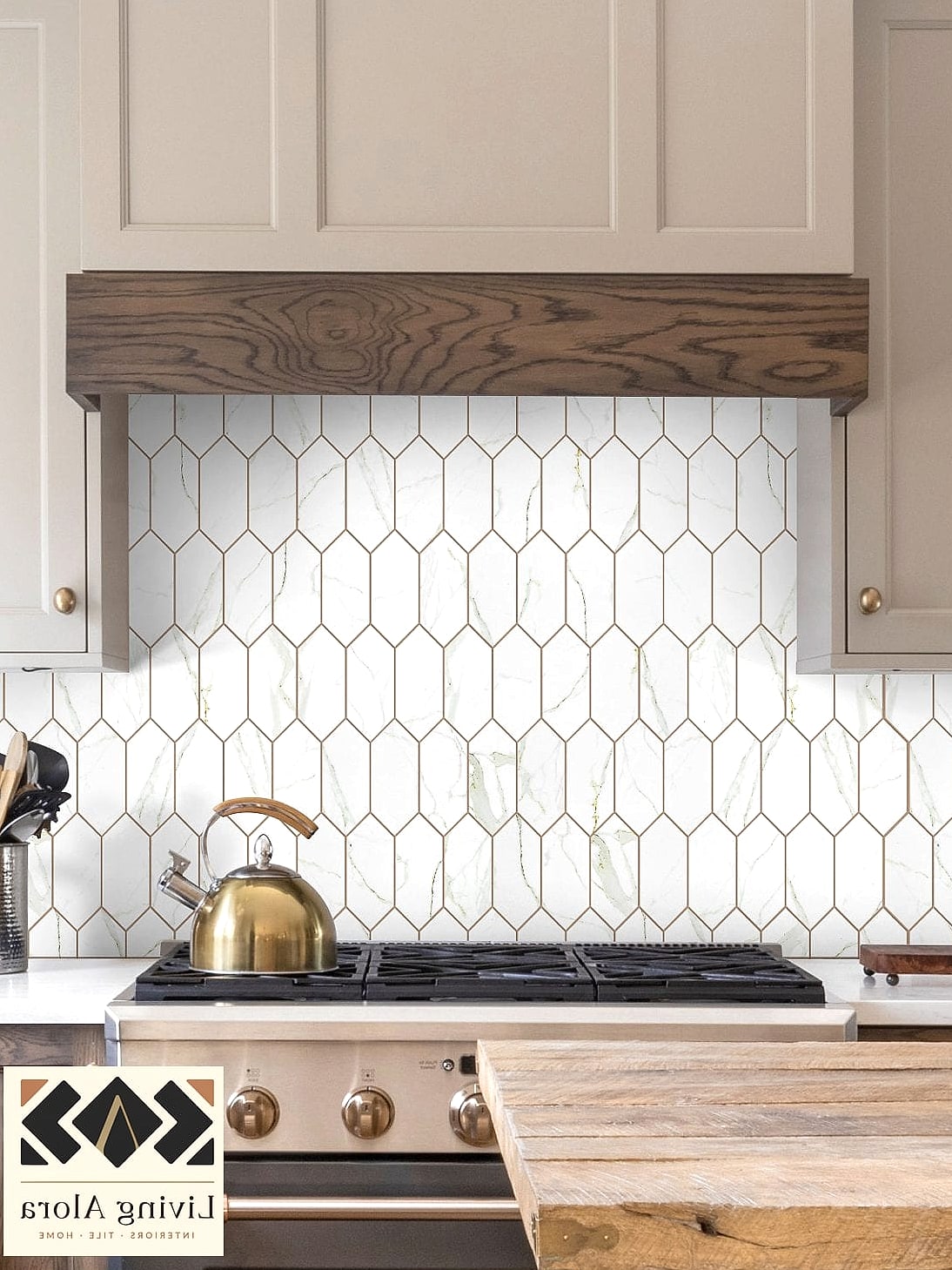
For outdoor kitchens or covered patios, a weather-rated porcelain picket tile brings the same visual interest you’d get indoors. It holds up to temperature swings and moisture better than natural stone in most climates. This is a nice way to make an outdoor cooking space feel as designed as the interior of the house. Just double check the tile is rated for exterior and freeze-thaw conditions if you’re somewhere with real winters.
Picket tile is one of those materials that looks more complicated than it actually is to pull off. Whether you go big with a full accent wall or keep it small behind open shelving, it’s a pattern that adds personality without needing much else around it to look finished. Start with one room, see how you feel about it, and expand from there.