9 How to Lay Subway Tile Ideas From Homes We Absolutely Love
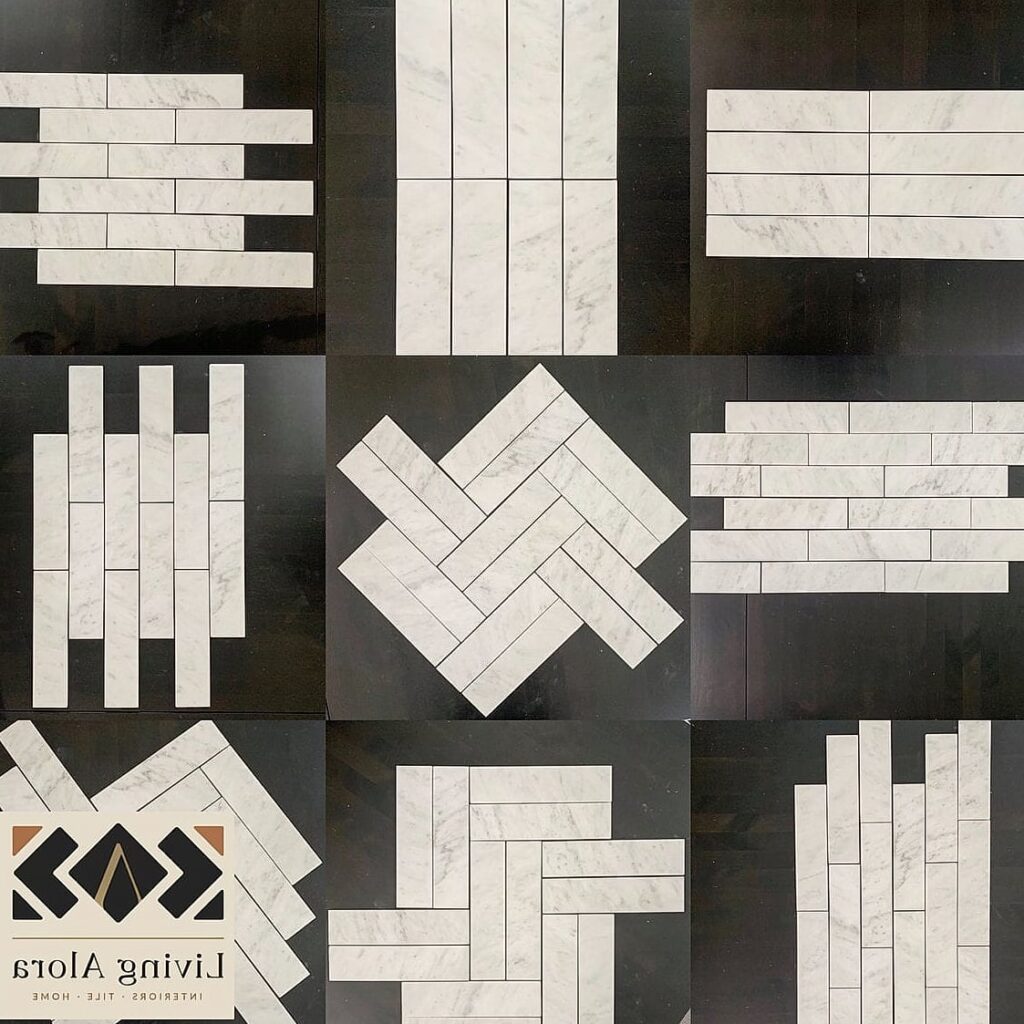
- Classic Running Bond (The One You Already Know)
- Herringbone for Serious Visual Drama
- Vertical Stack for a Fresh, Modern Feel
- Horizontal Stack for a Sleek, Linear Look
- Basketweave Pattern for Old-World Charm
- Grid Pattern With Oversized Subway Tile
- Vertical Herringbone in the Shower
- Two-Tone Layout for Subtle Contrast
- Diagonal Layout for an Unexpected Angle
9 How to Lay Subway Tile Ideas From Homes We Absolutely Love
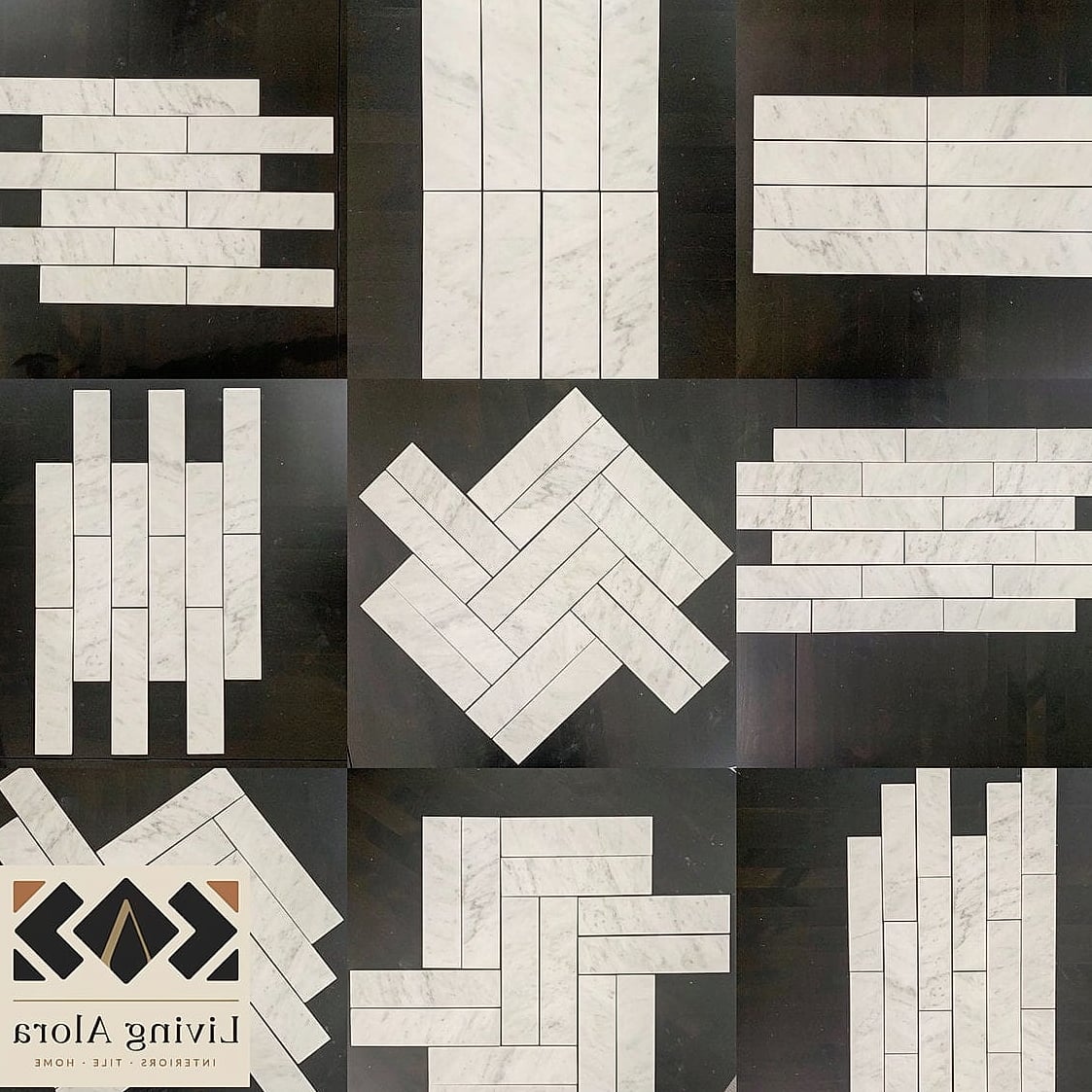
Subway tile has been around for over a century, and honestly, it’s not going anywhere. There’s a reason designers keep coming back to it project after project. But here’s the thing most people don’t realize until they start planning their own backsplash or shower wall: the layout you choose completely changes the personality of the space. Straight stack versus herringbone versus vertical stack? Three totally different vibes from the exact same tile.
We rounded up nine of our favorite subway tile layouts from real homes that nailed it. Whether you’re working on a kitchen refresh, a bathroom remodel, or just scrolling for inspiration, these ideas will show you just how versatile this humble little tile really is.
Classic Running Bond (The One You Already Know)

This is the layout most people picture when they hear “subway tile.” Each row is offset by half a tile from the one below it, creating that brick-like pattern you see in old New York subway stations (hence the name).
It works everywhere, honestly. Kitchens, bathrooms, laundry rooms, even fireplace surrounds. The offset seams catch light in a way that feels a little more interesting than a straight grid, without looking fussy or overdesigned.
Homeowners love it because it’s basically foolproof. Most tile installers can do this pattern in their sleep, which usually means lower labor costs compared to trickier layouts. If you’re tiling yourself for the first time, this is the one to start with.
For a modern twist, pair it with dark grout instead of white. It makes each individual tile pop and hides everyday grime a little better too.
Herringbone for Serious Visual Drama

If running bond is the reliable friend, herringbone is the one who shows up looking incredible and everyone asks who did their tile. This zigzag pattern has each tile set at a 45 or 90 degree angle to the next, creating a woven look that feels custom even though you’re using the same basic subway tile as everyone else.
We’ve seen this used as a statement wall behind a stove, in a walk-in shower, and even on a bathroom floor for something unexpected. It tends to work best in smaller, focused areas since the pattern is busy enough that too much of it can feel overwhelming.
Fair warning: herringbone requires more cuts and more waste, so budget for extra tile and expect a longer installation time. This isn’t really a weekend DIY project unless you’ve got some tiling experience already. But if you hire it out, it’s worth every penny.
Vertical Stack for a Fresh, Modern Feel

Instead of laying tiles horizontally, this layout stands each tile on end and stacks them straight up, grout lines aligning both vertically and horizontally. It’s a departure from the traditional look and reads as much more contemporary.
This one’s having a real moment in kitchens right now, especially paired with brushed brass hardware and warm wood tones. It draws the eye upward, which is a nice trick if you’re working with lower ceilings and want the room to feel taller.
It also happens to be one of the easier alternative layouts to DIY since there’s no offset math to worry about. Just line everything up and go. Keep grout lines thin and consistent for the cleanest finish.
Horizontal Stack for a Sleek, Linear Look
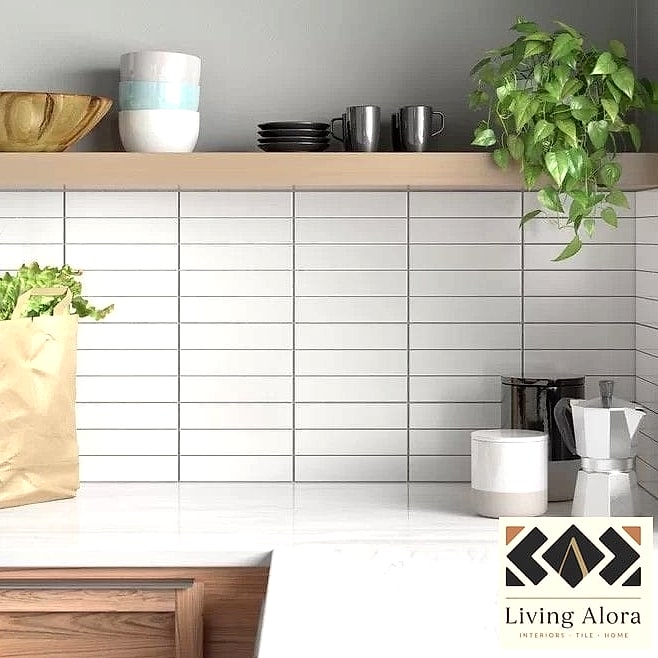
The mirror image of vertical stack, this layout lines tiles up side by side in perfectly aligned rows with grout lines that form a continuous grid. It’s minimal, it’s calm, and it plays really nicely with matte finishes and a neutral color palette.
We love this in bathrooms where the goal is a spa-like, uncluttered feel. It elongates a wall horizontally, which can make a narrow bathroom feel a bit wider than it actually is.
One thing to know going in: this layout shows imperfections more than running bond does, since there’s no offset to disguise slightly uneven tiles or wonky grout lines. A little extra patience during installation goes a long way here.
Basketweave Pattern for Old-World Charm

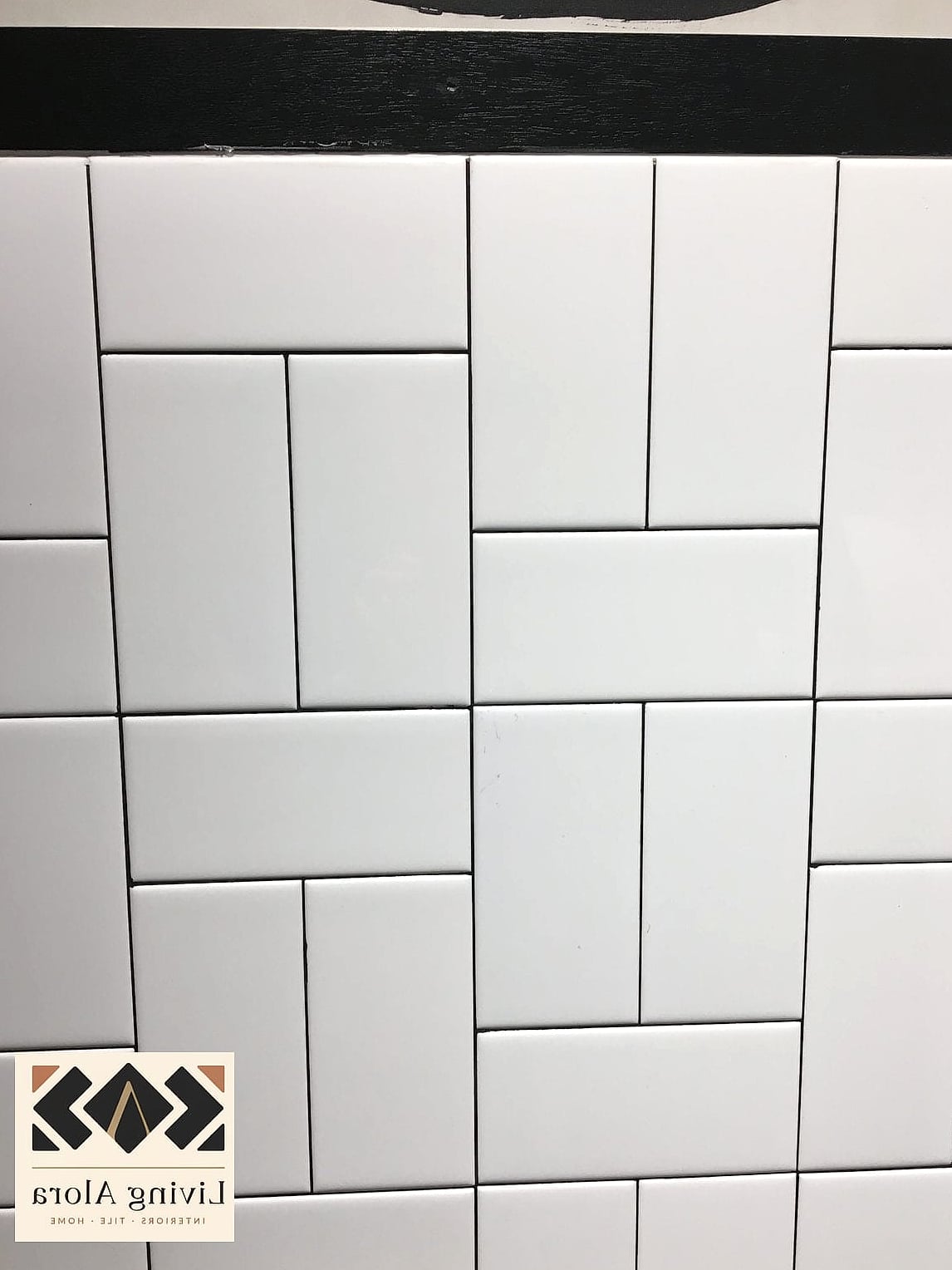
This one pairs subway tiles in small groups, alternating the direction of each pair to create a woven, basket-like texture. It’s less common than the other layouts on this list, which is exactly why it stands out in the homes that use it.
Basketweave tends to show up in more traditional or transitional spaces, think classic white kitchens with marble countertops or a powder room going for that old-world charm. It’s a great way to add texture without introducing another material or color.
Because of the intricate pattern, this layout takes longer to install and works best left to a pro unless you’re very comfortable with tile work. The payoff is a floor or backsplash that genuinely looks like nothing else in the neighborhood.
Grid Pattern With Oversized Subway Tile
Who says subway tile has to be the traditional 3×6 size? Oversized subway tile, think 4×12 or even 4×16, laid in a simple grid pattern, gives you that classic rectangular shape with a more modern, streamlined feel.
Fewer grout lines mean an easier cleaning routine, which is a genuine perk for busy households or anyone who’s tired of scrubbing grout every weekend. It also makes a small bathroom or kitchen feel less choppy since your eye isn’t tripping over dozens of little seams.
This layout looks fantastic in glossy porcelain tile for a bathroom that feels bright and reflective, or in a matte finish for a kitchen backsplash that leans a little more understated.
Vertical Herringbone in the Shower
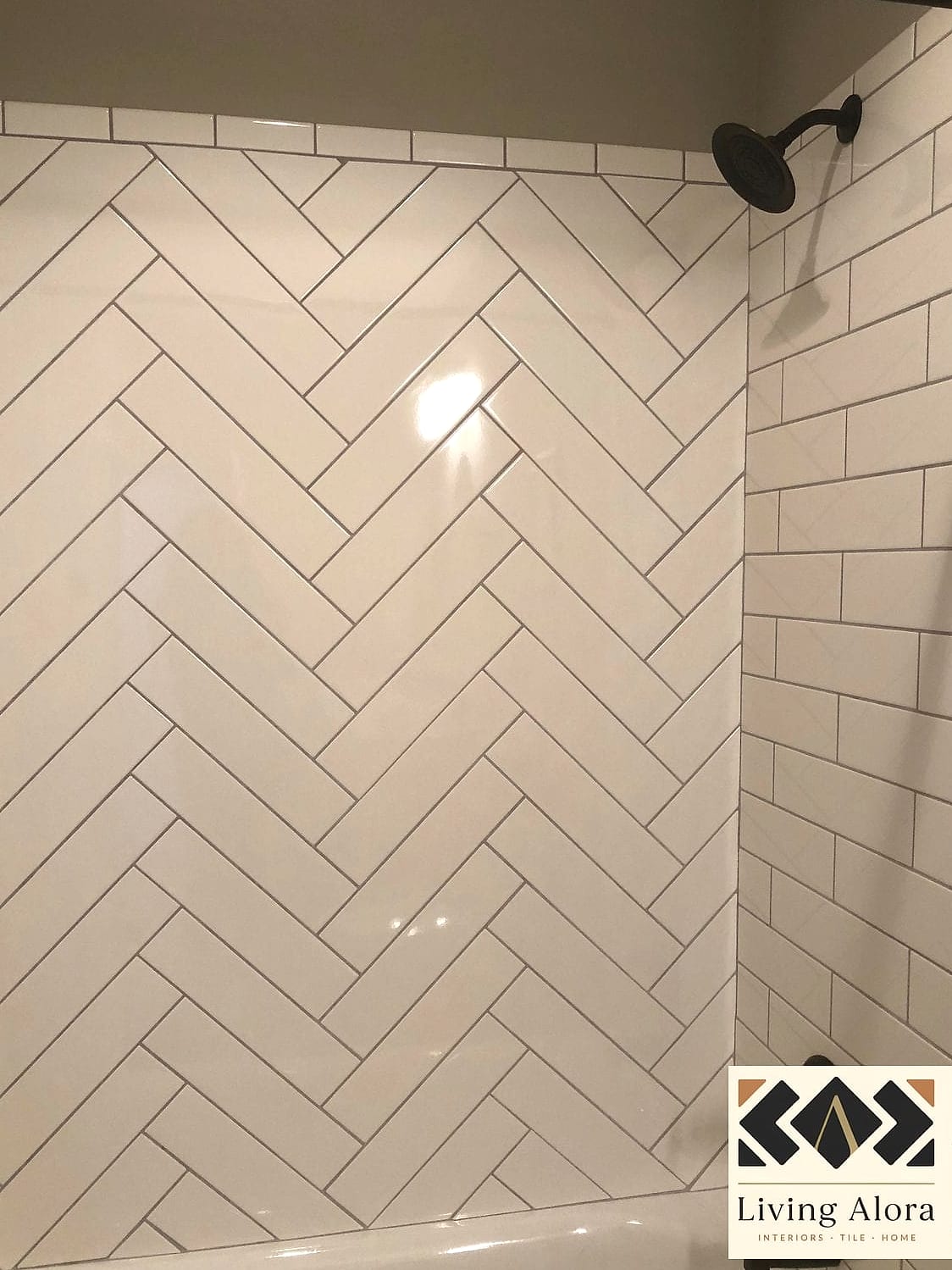
Take the herringbone pattern and orient it vertically instead of horizontally, and you get a shower wall that feels like a genuine design moment. The vertical lines draw the eye up toward the ceiling, making standard 8-foot showers feel noticeably taller.
We’ve seen this done beautifully as a single accent wall in an otherwise simple shower, letting the pattern do the talking while the surrounding walls stay in plain white subway tile. It’s a nice way to get the wow factor without tiling an entire bathroom in a labor-intensive pattern.
Because water and steam are involved, make sure your grout is properly sealed here. A good tile sealer applied annually keeps this look sharp and mildew-free for years.
Two-Tone Layout for Subtle Contrast
This idea plays with color rather than direction. Using two shades of the same subway tile, maybe a soft white on top and a warm greige on the bottom, creates a two-toned wall that feels layered and intentional.
It’s a favorite in kitchens where the lower half of a backsplash gets more splashes and mess, since a slightly darker tone down low can hide daily wear better than an all-white wall. Some homeowners add a thin wood shelf or trim piece where the colors meet for an extra custom touch.
This is also a great budget-friendly way to make a plain tile job feel more designed. You’re not paying for a specialty tile, just being thoughtful about how you split up a classic material.
Diagonal Layout for an Unexpected Angle
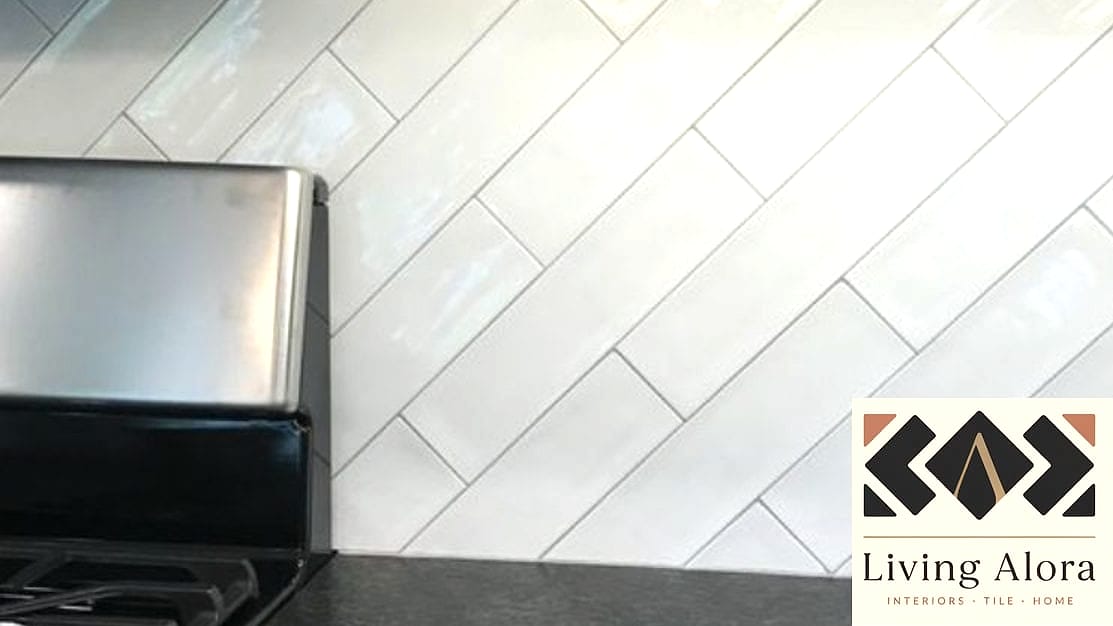
Rotating a straight stack or running bond pattern 45 degrees turns an ordinary subway tile into something that photographs beautifully and feels genuinely different from anything else on this list. The diagonal lines create movement across a wall or floor that a straight grid just can’t match.
This layout tends to show up in laundry rooms, mudrooms, and entryways, spaces where homeowners want personality without going overboard. It’s also a smart trick for making an awkwardly shaped room feel more balanced, since the eye follows the diagonal rather than focusing on uneven walls.
Expect more tile cutting and waste here too, similar to herringbone, so order a bit extra. A skilled installer will make the edge cuts along the perimeter look clean rather than choppy, which is really what makes or breaks this pattern.
Final Thoughts
The best part about subway tile is that it’s genuinely one material with nearly endless personality, all depending on how you lay it. Sticking with a classic running bond will never steer you wrong, but if you’re after something a little more memorable, herringbone, vertical stack, or a two-tone layout can make a huge difference without blowing your budget.
Before you commit, grab a few sample tiles and lay them out on your floor or against your wall in the pattern you’re considering. Seeing it in your actual space, in your actual light, tells you a lot more than any photo can. And if you’re still torn between a few of these ideas, there’s really no wrong answer here, just different flavors of a design that’s stood the test of time for a reason.