21 Trendy Colorful Herringbone Backsplash Ideas That Work in Any Size Home
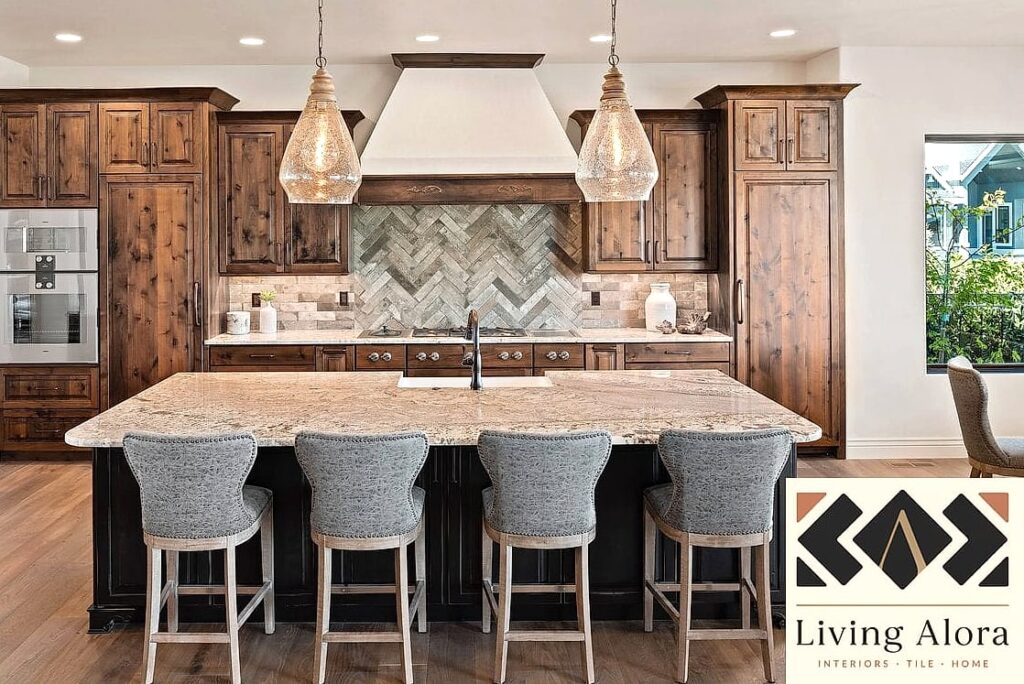
- Sage Green Ceramic Herringbone
- Cobalt Blue Glass Herringbone
- Terracotta Zellige Herringbone
- Blush Pink Herringbone in a Small Bathroom
- Emerald Green Porcelain Herringbone
- Yellow Mosaic Herringbone
- Navy and White Two-Tone Herringbone
- Dusty Rose Ceramic Herringbone
- Teal Glass Herringbone Around a Range Hood
- Burnt Orange Zellige Herringbone
- Lavender Herringbone in a Laundry Room
- Deep Red Porcelain Herringbone
- Mint Green Herringbone with White Grout
- Charcoal and Coral Herringbone Combo
- Turquoise Herringbone Behind Open Shelving
- Mustard Yellow Herringbone with Black Grout
- Peach Zellige Herringbone
- Forest Green Herringbone in a Butler’s Pantry
- Baby Blue Herringbone for a Nursery-Adjacent Kitchenette
- Plum Purple Herringbone Accent Wall
- Multicolor Herringbone Mosaic
21 Trendy Colorful Herringbone Backsplash Ideas That Work in Any Size Home
Herringbone tile has been having a moment for a while now, and honestly, I don’t think it’s going anywhere. There’s something about that zigzag pattern that makes a kitchen or bathroom feel intentional, like someone actually thought about the design instead of grabbing the first tile sample at the store.
Add color into the mix, and you’ve got a backsplash that does double duty as a pattern statement and a mood-setter. Whether you’re working with a tiny galley kitchen or a sprawling open-concept space, there’s a colorful herringbone option that fits. Let’s get into it.
Sage Green Ceramic Herringbone

Sage green has become the neutral-that-isn’t-really-neutral of the design world, and it looks especially good in a herringbone layout. It pairs beautifully with white shaker cabinets and brushed brass hardware for a soft, collected-over-time look.
This works well in small kitchens because sage doesn’t compete with the room, it just adds depth. Ceramic tile keeps the cost down, and matte finishes hide water spots better than you’d think.
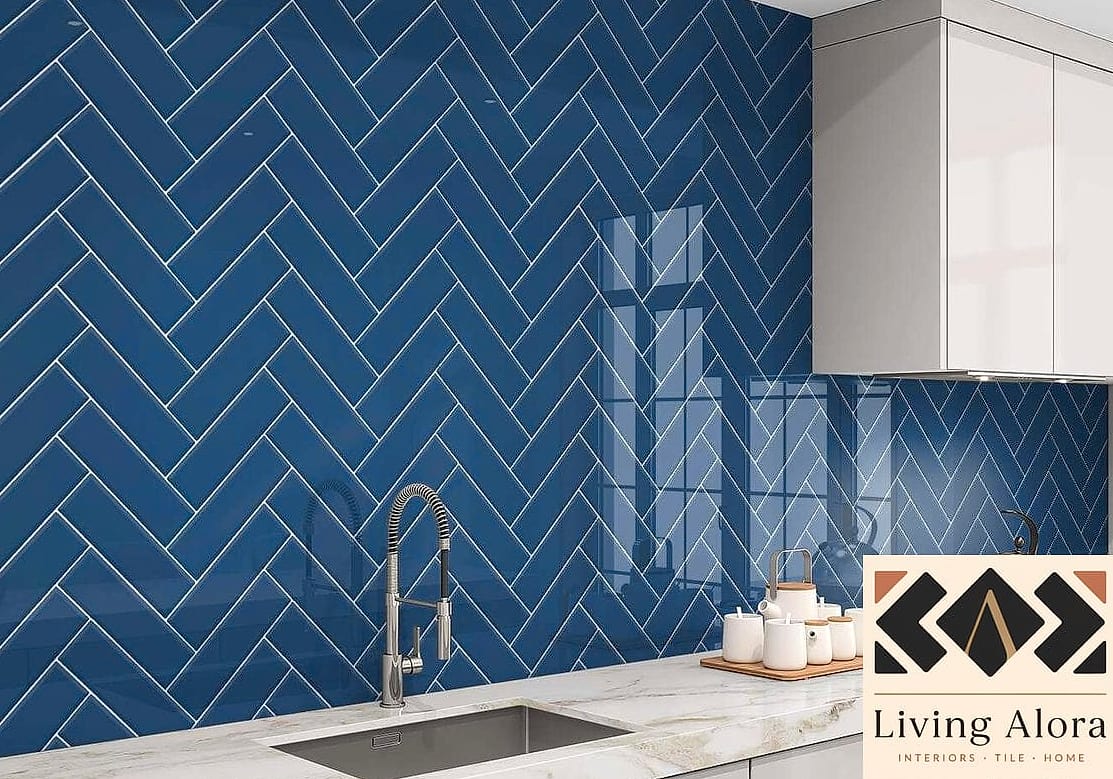
Cobalt Blue Glass Herringbone

If you want drama, cobalt blue glass tile in a herringbone pattern delivers. The glass catches light in a way that ceramic just can’t, so this is a great pick for kitchens with pendant lighting or a window near the sink.
It reads bold but sophisticated rather than loud, especially against white quartz countertops. Just know that glossy glass shows fingerprints, so a quick wipe-down routine keeps it looking sharp.
Terracotta Zellige Herringbone

Zellige tile has that irregular, handmade texture that makes every single tile look slightly different, and terracotta tones bring warmth into a kitchen that might otherwise feel cold. It’s a favorite among people chasing that European farmhouse vibe.
This is a splurge option, price-wise, but it works in any size home because the warm tones make even a small kitchen feel cozy instead of cramped. Pair it with wood open shelving for extra texture.
Blush Pink Herringbone in a Small Bathroom

Blush pink isn’t just for nurseries anymore. In a small powder room, a blush herringbone backsplash behind the vanity adds personality without overwhelming the space.
It plays especially well with black fixtures and a simple round mirror. This is a low-commitment way to try color if you’re nervous about going bold in a more permanent space like the kitchen.
Emerald Green Porcelain Herringbone

Emerald is rich, a little moody, and honestly gorgeous against white or cream cabinetry. Porcelain tile in this shade holds up well to daily wear, which makes it a smart pick for busy households.
I’d recommend this for kitchens with good natural light since deeper colors can feel heavy in dim spaces. Pair with brass or gold hardware to keep things from feeling too dark.
Yellow Mosaic Herringbone

A soft butter yellow herringbone backsplash brings instant cheer to a kitchen, especially one that leans traditional or cottage-style. It’s a color that photographs beautifully too, if you’re the type who likes sharing kitchen progress online.
This works in smaller kitchens because yellow reflects light rather than absorbing it. Keep the rest of the palette neutral so the backsplash stays the star of the show.
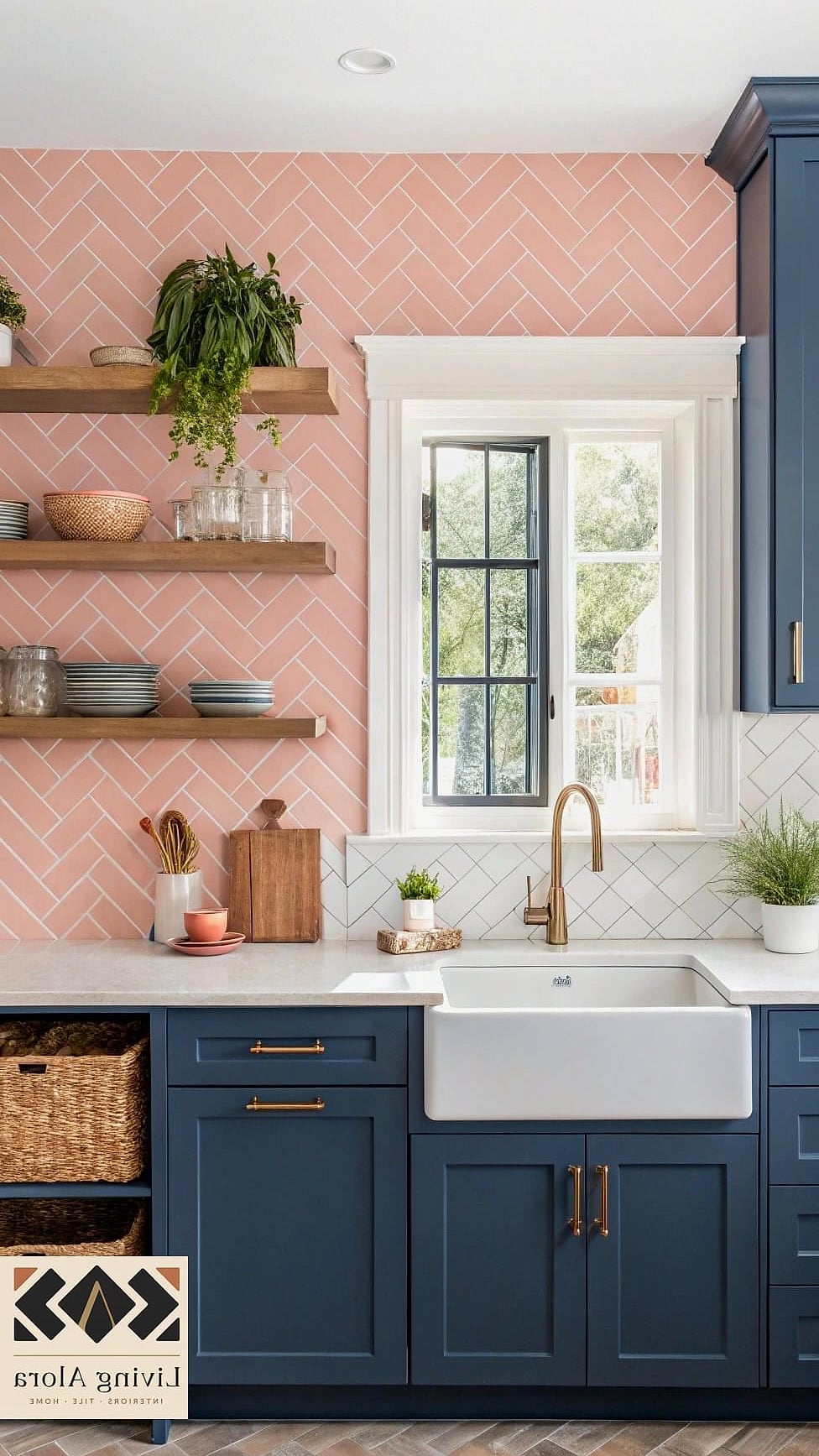
Navy and White Two-Tone Herringbone
Mixing navy and white tiles in an alternating herringbone pattern gives you color and pattern in one move. It’s a classic combination that feels more custom than a single-color backsplash.
This design works particularly well in larger kitchens where there’s more wall space to show off the pattern shift. It also pairs nicely with butcher block countertops for contrast.
Dusty Rose Ceramic Herringbone

Dusty rose sits somewhere between pink and mauve, and it’s a color that ages really well design-wise, meaning it won’t feel dated in five years the way a trendier pink might. It’s a soft, grown-up take on color in the kitchen.
Small kitchens benefit from this shade because it’s gentle without being boring. Try it alongside matte black faucets for a bit of edge.
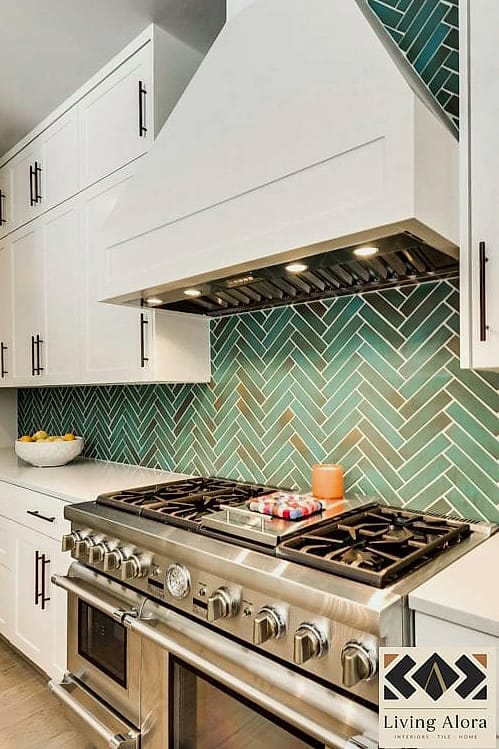
Teal Glass Herringbone Around a Range Hood
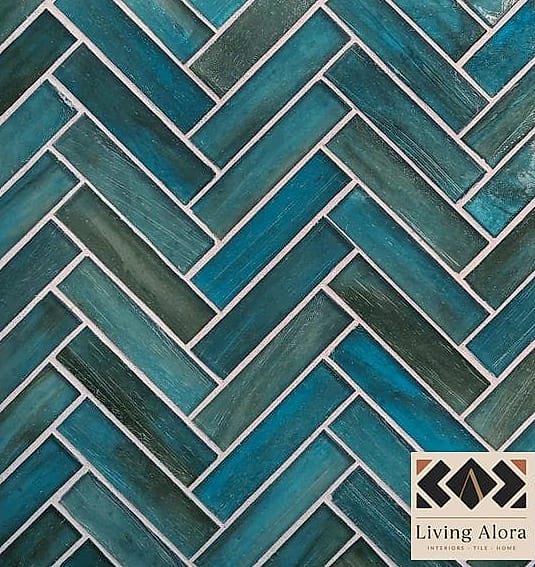
Framing your range hood with teal glass herringbone tile turns a functional element into a focal point. This is one of those upgrades that instantly makes a kitchen feel more custom without requiring a full renovation.
Teal is versatile enough to work with both warm and cool cabinet tones. Glass tile here also means grease and splatters wipe off easily, which matters a lot in that zone.
Burnt Orange Zellige Herringbone
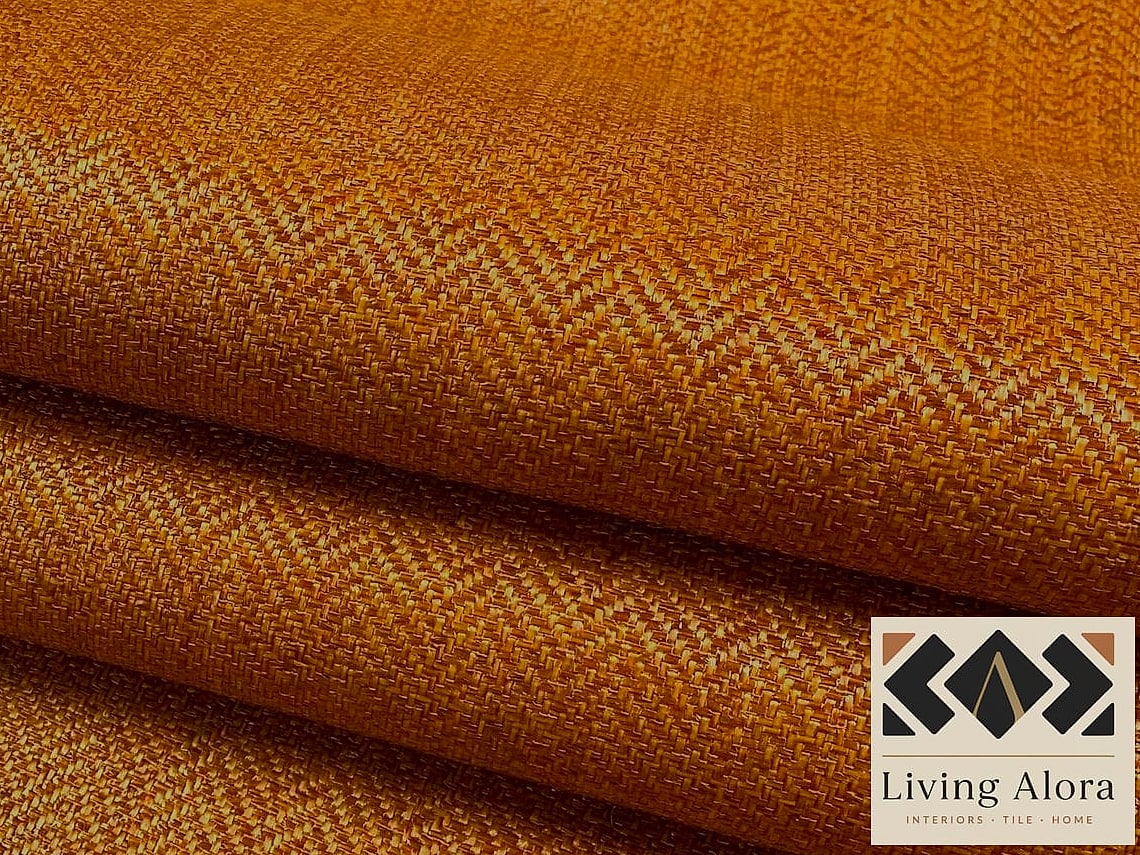
Burnt orange is a color that scares people off at first, but in small doses through a herringbone backsplash, it’s unexpectedly livable. Zellige’s uneven surface softens the intensity of the color too.
This pairs beautifully with warm wood tones and black hardware for a space that feels layered and lived-in. Best in kitchens that lean earthy or Southwestern-inspired.
Lavender Herringbone in a Laundry Room
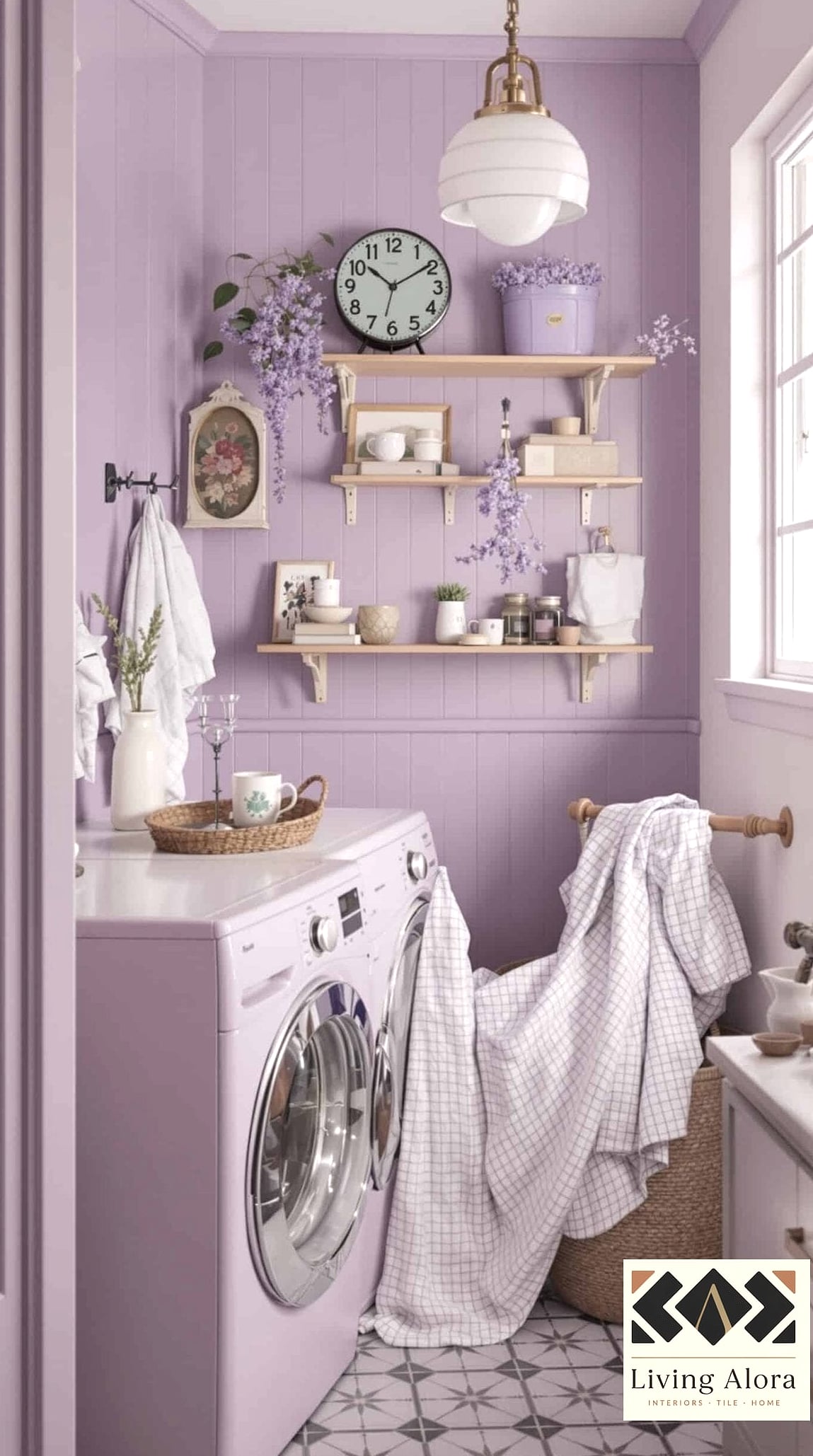
Laundry rooms are the perfect place to experiment with color since they’re smaller and lower-stakes than a kitchen. A lavender herringbone backsplash behind the sink or folding counter adds a surprising pop of personality.
This is a great budget-friendly option since laundry rooms need less tile overall. Peel-and-stick herringbone tiles are also available in similar tones if you’re renting.
Deep Red Porcelain Herringbone
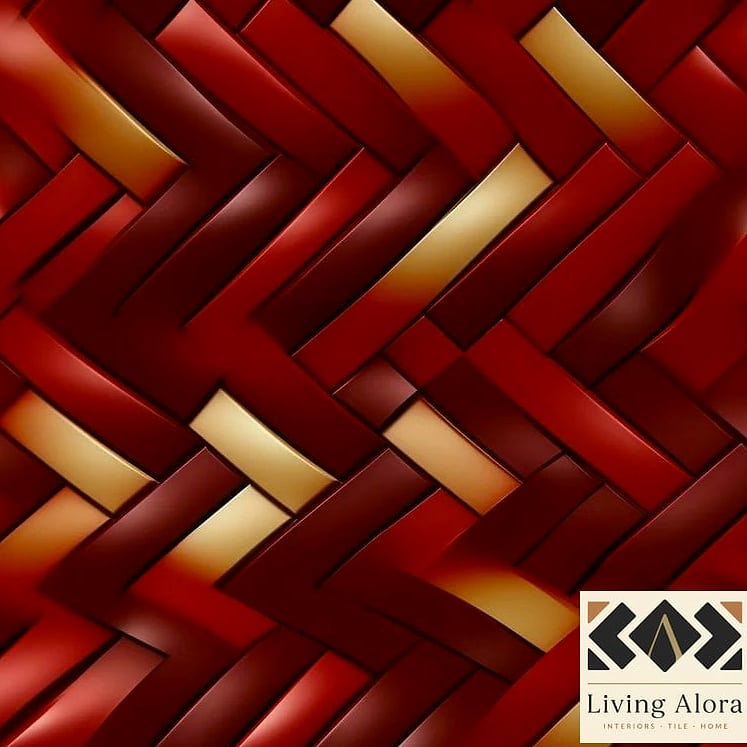
Deep red isn’t a color you see often in backsplashes, which is exactly why it stands out. It works surprisingly well in kitchens with dark cabinetry, creating a rich, almost restaurant-like feel.
Porcelain keeps maintenance simple since it resists staining better than natural stone. This is a bolder pick, so I’d suggest sampling a small section before committing to the whole wall.
Mint Green Herringbone with White Grout
Mint green has a retro charm to it, especially when paired with crisp white grout that emphasizes the herringbone pattern itself. It feels nostalgic without being a full-on throwback kitchen.
This color works in almost any size space because it’s light and airy. It’s also one of the more forgiving colors for DIY installation since minor imperfections blend in.
Charcoal and Coral Herringbone Combo
Pairing a dark charcoal tile with pops of coral in a herringbone layout creates contrast that feels modern and a little unexpected. It’s not a combination you see everywhere, which makes it feel fresh.
This works best in kitchens with plenty of white or light cabinetry to balance out the darker tones. Great for anyone who wants color without going full pastel.
Turquoise Herringbone Behind Open Shelving
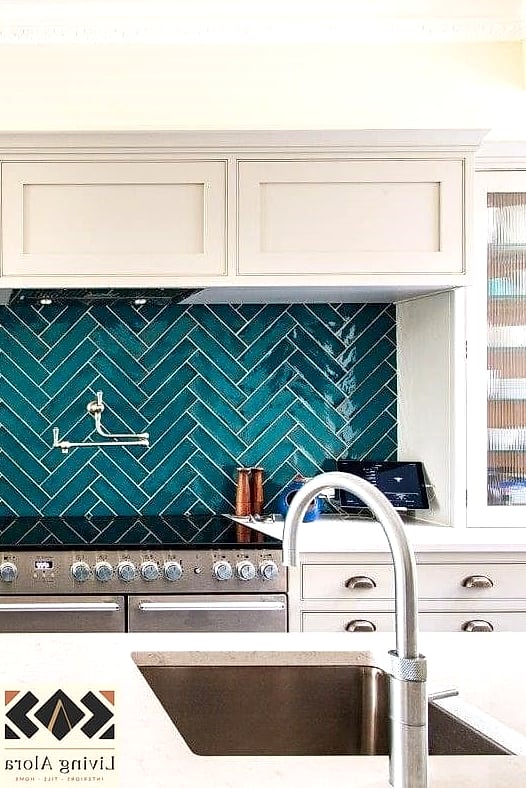
Turquoise tile behind open shelving gives you a colorful backdrop for displaying dishes, plants, or cookbooks. The herringbone pattern adds movement so the wall doesn’t feel flat once the shelves are styled.
This is ideal for smaller kitchens that rely on open shelving instead of upper cabinets. Just keep the shelf styling simple so the tile still gets its moment.
Mustard Yellow Herringbone with Black Grout

Mustard yellow paired with black grout gives the herringbone pattern serious definition. It’s a combination that leans a little industrial, a little vintage, and works surprisingly well in eat-in kitchens.
The black grout does double duty by hiding grease splatters near the stove. This is a solid pick for anyone who wants their pattern to really pop rather than blend in.
Peach Zellige Herringbone
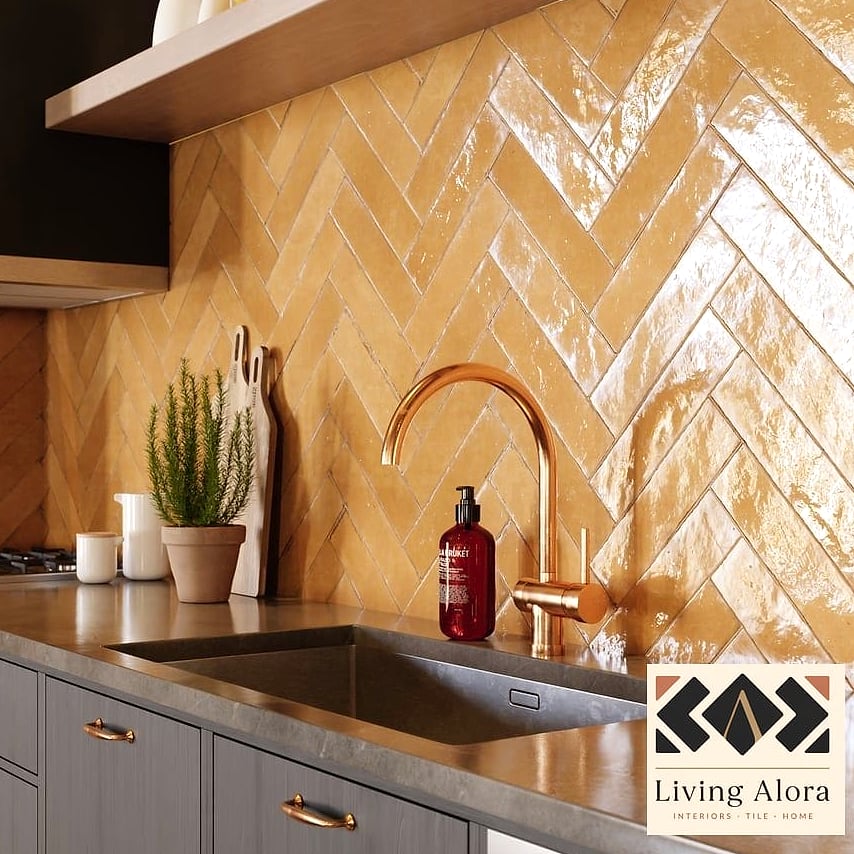
Peach tones through zellige tile bring a soft, sunlit warmth to a kitchen, especially one with lots of natural light. It’s a gentler alternative if bright orange or coral feels like too much.
This works in any size kitchen since peach tends to visually expand a space rather than shrink it. Pair with brushed brass fixtures for a warm, cohesive palette.
Forest Green Herringbone in a Butler’s Pantry

Butler’s pantries and wet bars are ideal spots to go bold since they’re more private than the main kitchen. Forest green herringbone tile here feels moody and elevated, almost like a little design secret.
This is a great spot to splurge on a nicer tile since the square footage is small. Combine with brass hardware and open shelving for a boutique feel.
Baby Blue Herringbone for a Nursery-Adjacent Kitchenette
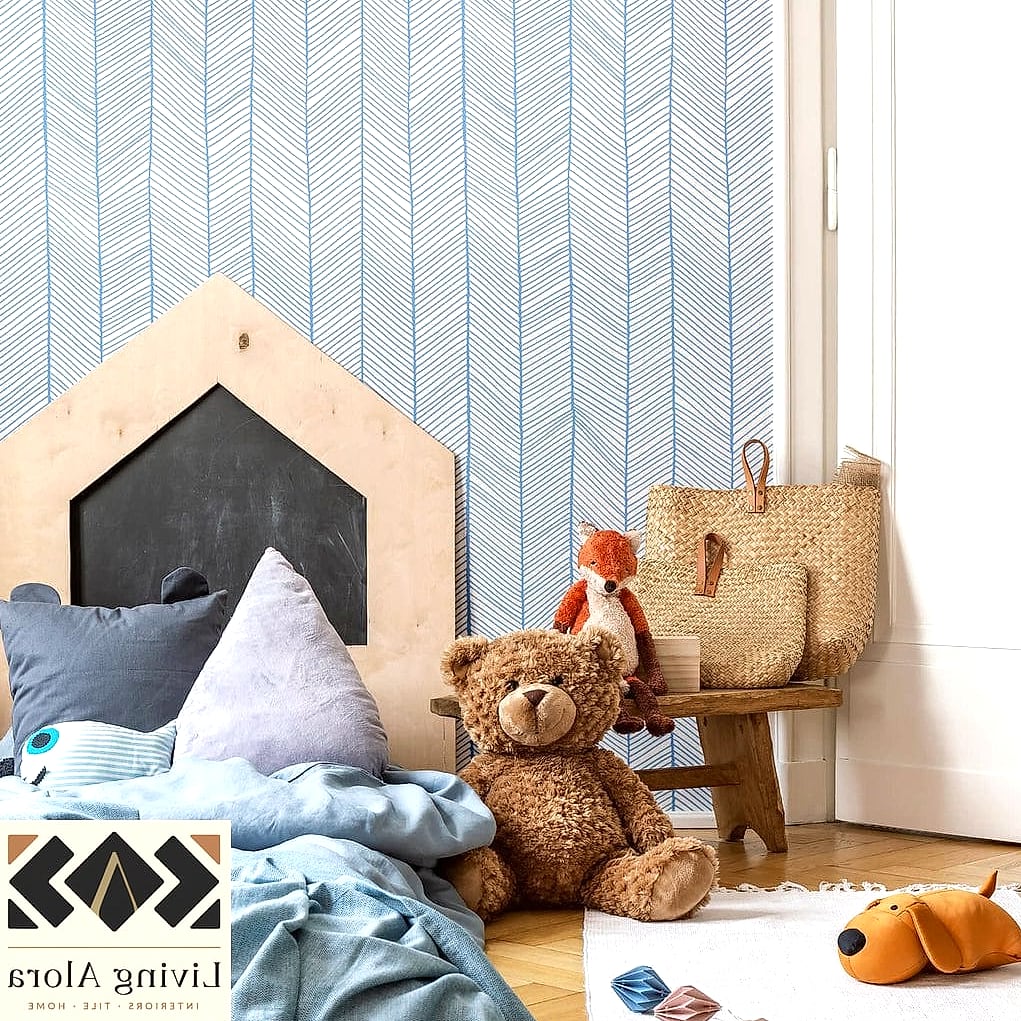
For homes with a small kitchenette or butler’s pantry near a nursery, baby blue herringbone tile ties the spaces together without being too literal. It’s soft, calming, and easy to live with long-term.
This is a good renter-friendly option too, since peel-and-stick versions exist in similar light blue tones. Keep grout white to keep things feeling fresh and clean.
Plum Purple Herringbone Accent Wall

Rather than tiling the entire backsplash, using plum herringbone tile as an accent behind just the stove or sink creates a focal point without a huge material investment. It’s a budget-friendly way to get the bold-color effect.
This works especially well in smaller kitchens where a full wall of dark color might feel overwhelming. It gives you drama in a contained, manageable dose.
Multicolor Herringbone Mosaic
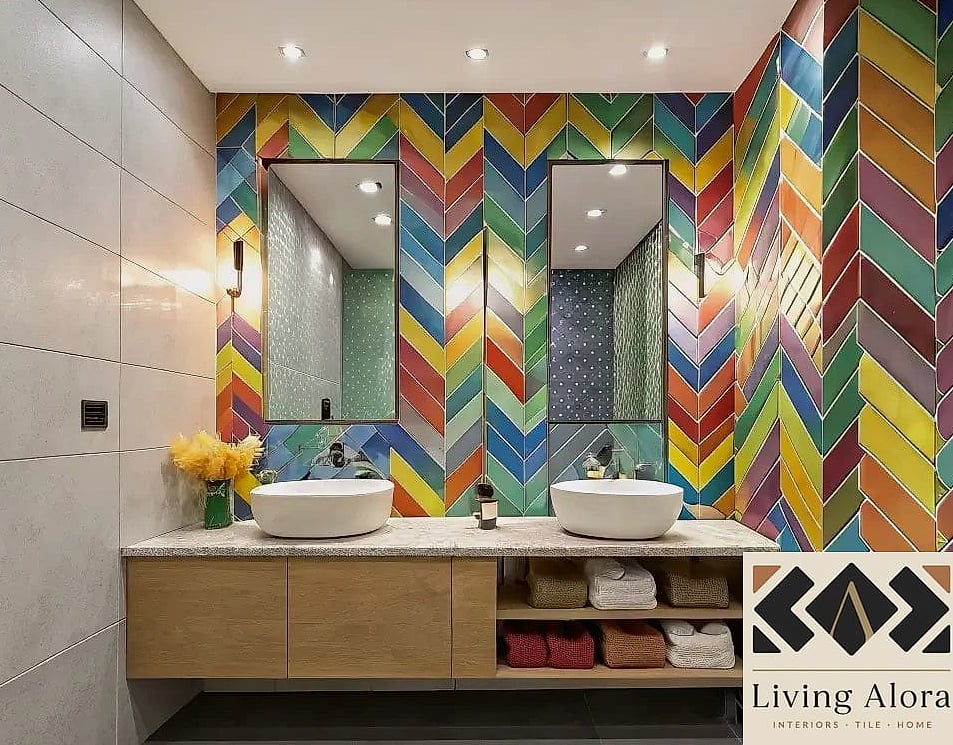
If picking just one color feels impossible, a multicolor herringbone mosaic blends several complementary shades into one dynamic backsplash. Think dusty blues, greens, and warm neutrals mixed together in the same pattern.
This is a fantastic option for eclectic or maximalist kitchens where the backsplash is meant to be the conversation piece. It also hides everyday wear better since the color variation camouflages small marks.
Whatever shade or material calls to you, herringbone tile has a way of making a space feel custom-designed, even on a modest budget. Start with a sample or two, hold them up against your cabinets and countertops, and trust your gut. Color in a herringbone pattern is one of those choices that, done right, ends up being the detail everyone asks about.