10 Kitchen Backsplash Ideas That Look Expensive But Aren’t
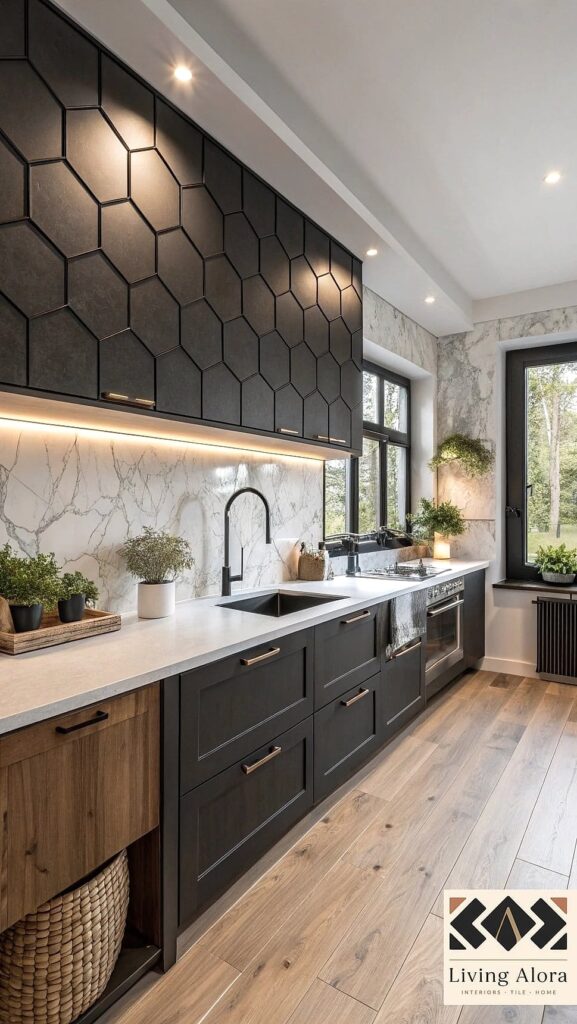
- Classic White Subway Tile with a Twist
- Peel-and-Stick Zellige-Look Tile
- Marble-Look Porcelain Slab
- Herringbone Pattern in a Neutral Tile
- Bold Colored Tile as a Focal Point
- Stacked Stone-Look Panels
- Mosaic Tile in a Small Dose
- Matte Finish Tile for a Modern Look
- Wood-Look Tile for Warmth
- Extended Slab Backsplash to the Ceiling
10 Kitchen Backsplash Ideas That Look Expensive But Aren’t
A great backsplash can make or break the whole feel of your kitchen, and it’s one of those upgrades that instantly makes a space feel more custom without requiring a full renovation. The good news? You don’t need a designer budget to get a designer look. With the right materials, patterns, and a little creativity, you can pull off a backsplash that looks like it came straight out of a high-end remodel for a fraction of the cost. Here are ten kitchen backsplash ideas that look expensive but aren’t, so you can get that polished, elevated look without draining your savings.
Classic White Subway Tile with a Twist
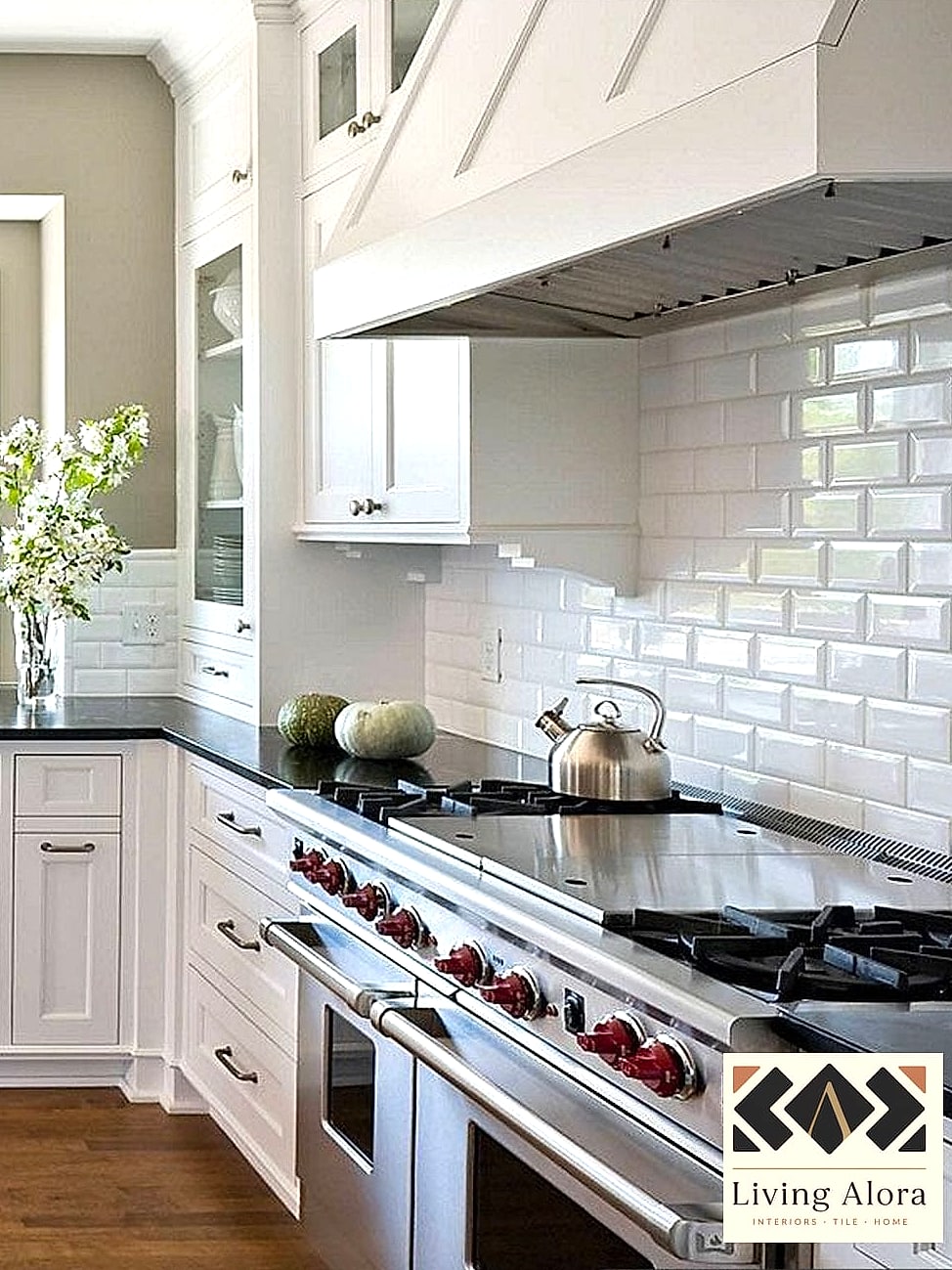
Subway tile gets a bad rap for being “basic,” but the truth is it’s a classic for a reason. The trick to making it look elevated instead of builder-grade is all in the details. Try a vertical installation instead of the standard horizontal stack, or go with a slightly larger format tile like 4×12 instead of the traditional 3×6. Pair it with dark grout for contrast and a more custom, tailored appearance. This works beautifully in almost any kitchen style, from farmhouse to modern, and it’s incredibly budget-friendly since ceramic subway tile is one of the most affordable options out there. It’s also easy to clean and holds up well in high-splash areas behind the stove or sink.
Peel-and-Stick Zellige-Look Tile
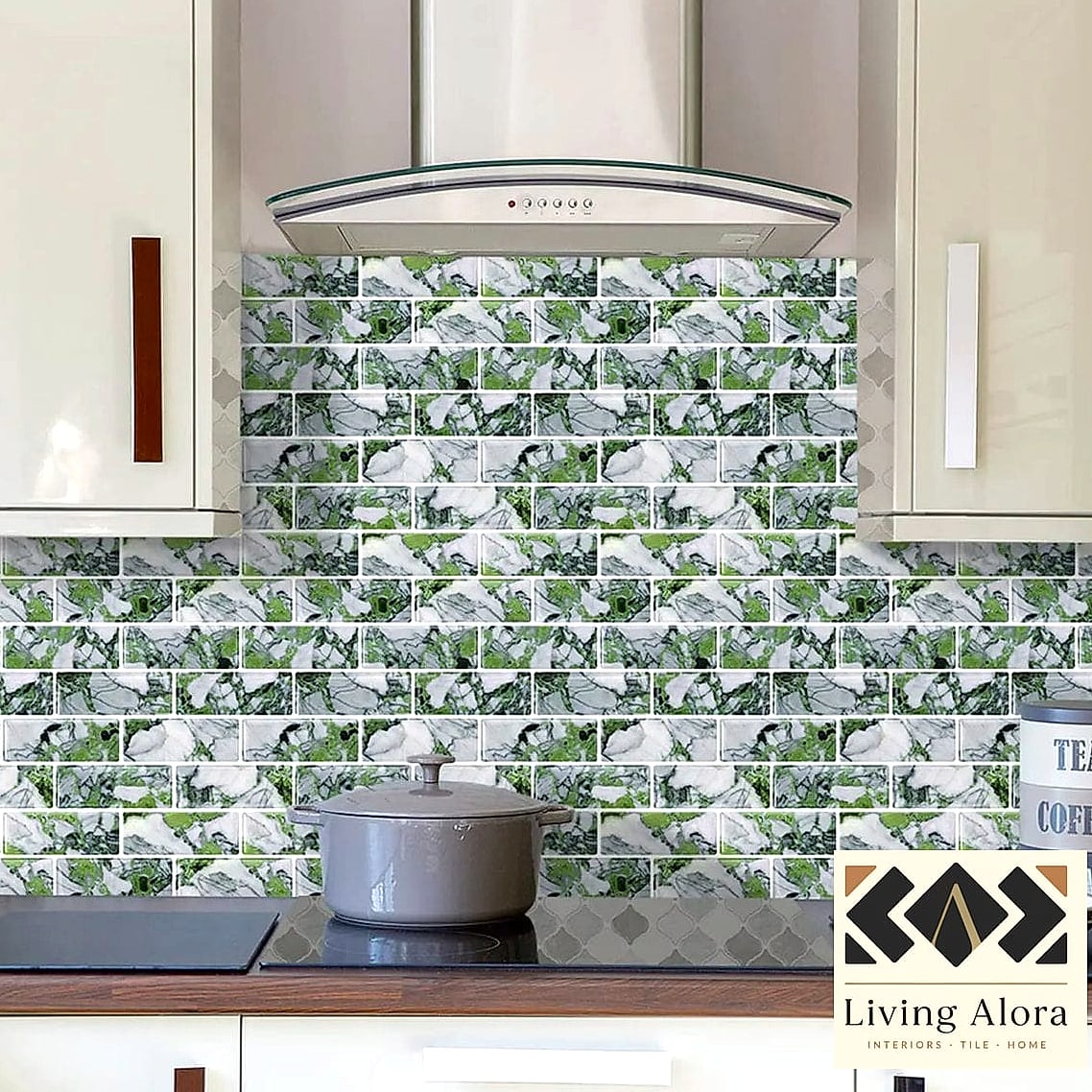
Real zellige tile is gorgeous, but it comes with a real price tag to match. Luckily, peel-and-stick versions have gotten remarkably good at mimicking that handmade, slightly imperfect look with the same warm, glossy finish and subtle color variation. This is a great option for renters or anyone who wants a temporary upgrade without committing to demo and grout. It works especially well in smaller kitchens or as an accent behind a range. Just make sure your wall surface is clean and smooth before applying, since bumps and texture will show through. It’s about as DIY-friendly as backsplash projects get, often taking just an afternoon.
Marble-Look Porcelain Slab
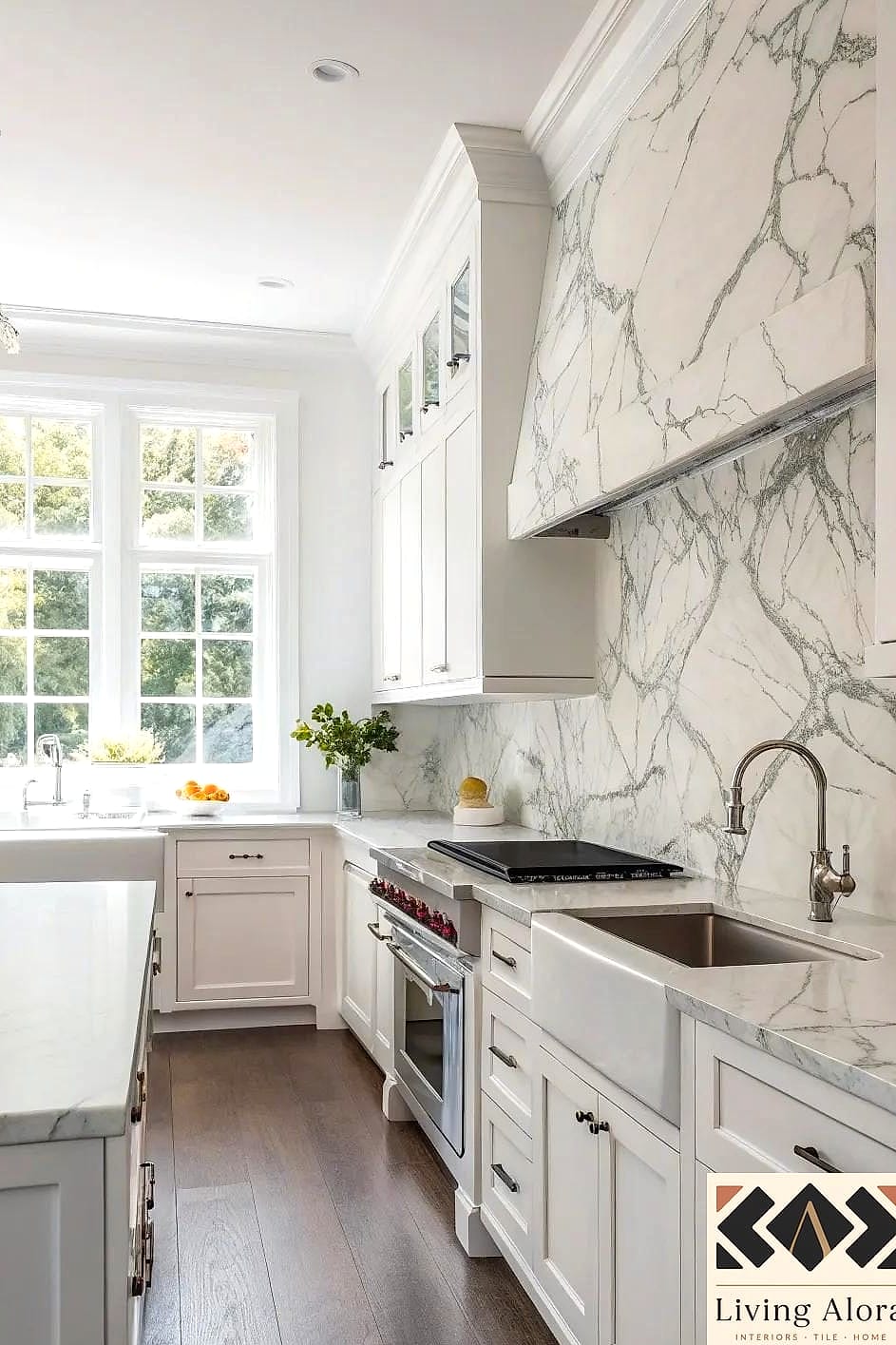
Nothing says luxury quite like a marble backsplash, but natural marble is porous, pricey, and honestly a bit high-maintenance for a busy kitchen. Porcelain slabs that mimic marble’s veining have come a long way and now look shockingly close to the real thing. Installed as a large-format slab instead of individual tiles, you get that seamless, high-end look with way fewer grout lines to clean. Porcelain is also more durable and stain-resistant than natural stone, which makes it a smart choice for families or anyone who cooks often. Pair it with brushed brass hardware for a warm, upscale feel.
Herringbone Pattern in a Neutral Tile
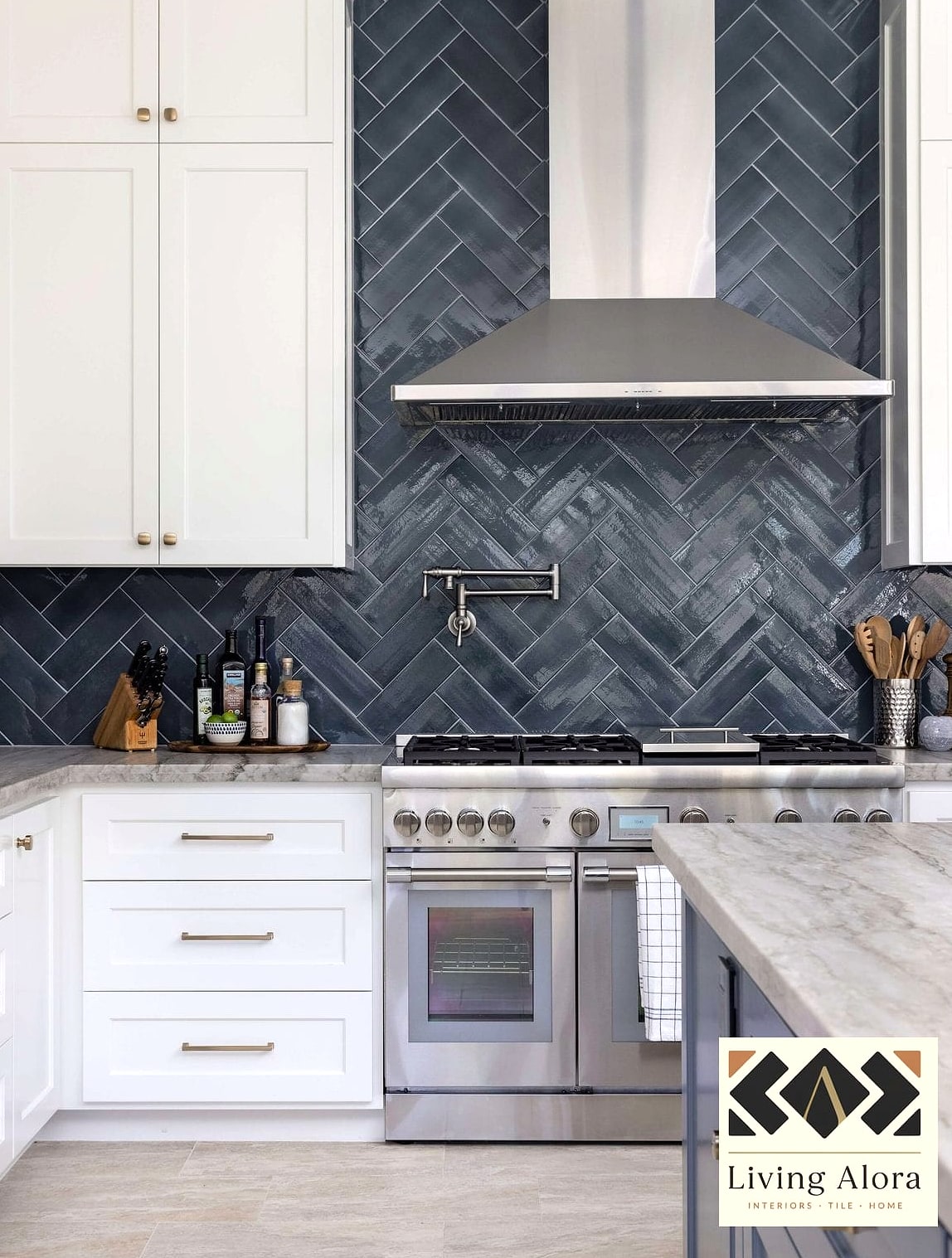
Pattern does a lot of heavy lifting when it comes to making a backsplash feel custom. A herringbone layout using simple, inexpensive tile instantly reads as more intentional and high-end than a straight grid. You don’t need fancy materials here since even basic ceramic subway tiles laid in herringbone can look like a designer chose every detail. This pattern works especially well in kitchens with white or neutral cabinetry, where the texture of the tile becomes the visual interest. Keep in mind that herringbone installation takes a bit more time and precision, so it’s a good project to hire out if you’re not confident with a tile saw.
Bold Colored Tile as a Focal Point
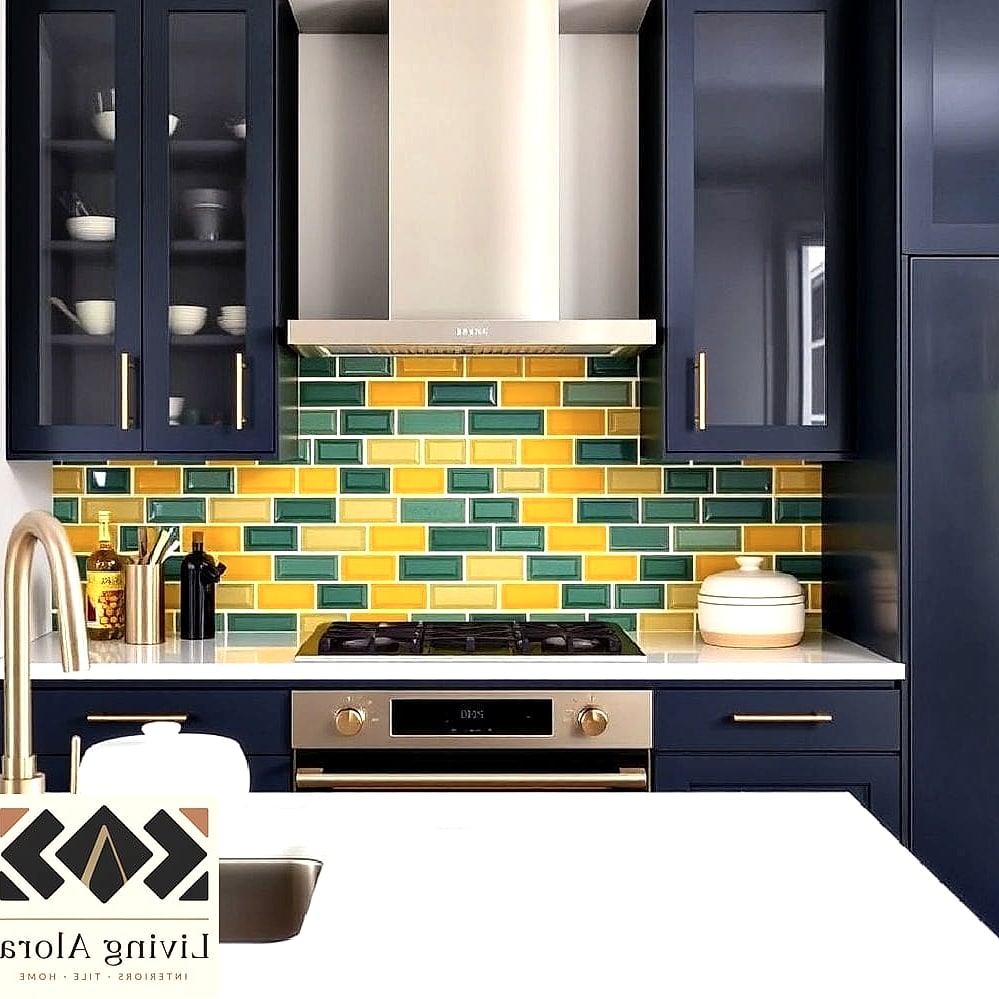
A saturated color, whether it’s a deep emerald green, warm terracotta, or moody navy, can make a kitchen feel curated and thoughtfully designed. The key is to keep everything else in the space fairly neutral so the backsplash gets to be the star. Ceramic tile in a fun color is often just as affordable as plain white, so you’re not necessarily paying more for personality. This idea works great in kitchens that already have a lot of white or wood tones and just need a pop of contrast. It’s also an easy way to bring in current color palettes without committing to painted cabinets.
Stacked Stone-Look Panels
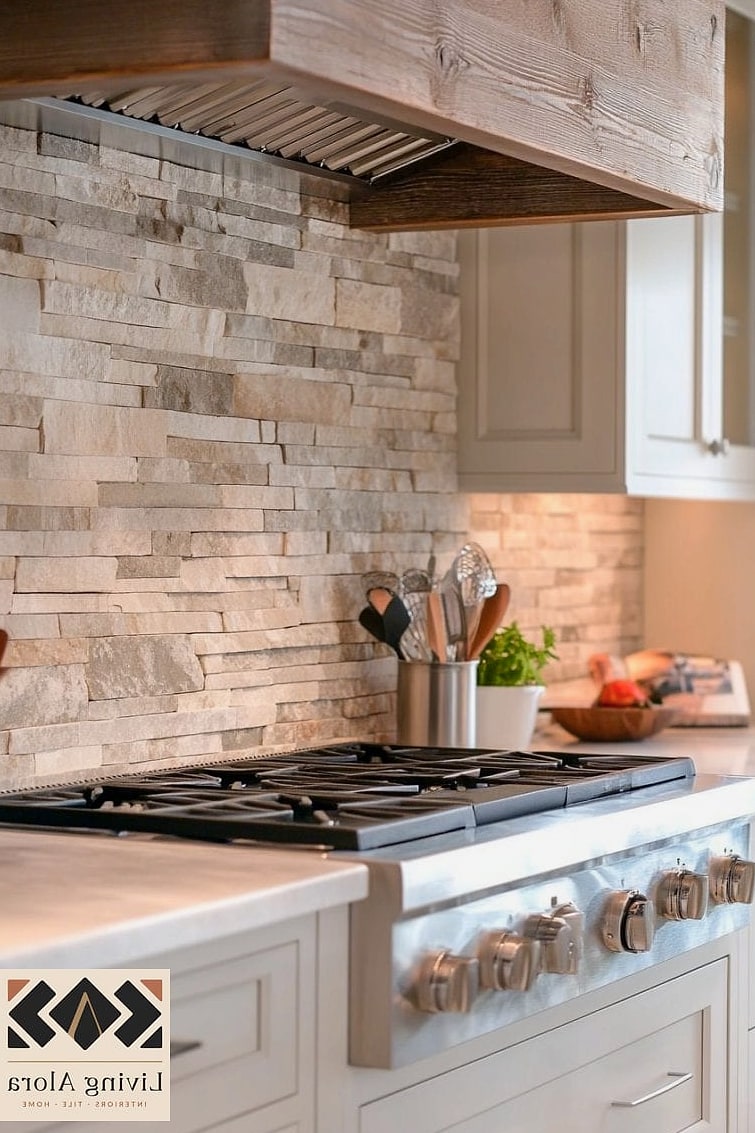
Large-format stone-look panels have become a favorite among DIYers because they cover a lot of wall space quickly and hide seams well. These panels mimic the texture and depth of natural stacked stone but weigh less and cost significantly less too. They work particularly well behind a range as a statement wall, especially in kitchens leaning into an organic or modern farmhouse style. Because there are fewer pieces to install compared to individual tiles, this is a relatively beginner-friendly project. Just double check the panels are rated for kitchen use since some are designed more for accent walls than areas near heat and moisture.
Mosaic Tile in a Small Dose

A full wall of intricate mosaic tile can get expensive fast, but using it as an accent strip or inset can give you that same detailed, artisan look at a much lower cost. Try running a mosaic band above the stove or along the top edge of your backsplash paired with simple subway tile below. This lets you splurge a little on a smaller amount of material while keeping the overall budget in check. Mosaic tile also tends to hide grease splatters and minor stains well thanks to its busier pattern, which is a nice bonus for the area right behind your cooktop.
Matte Finish Tile for a Modern Look
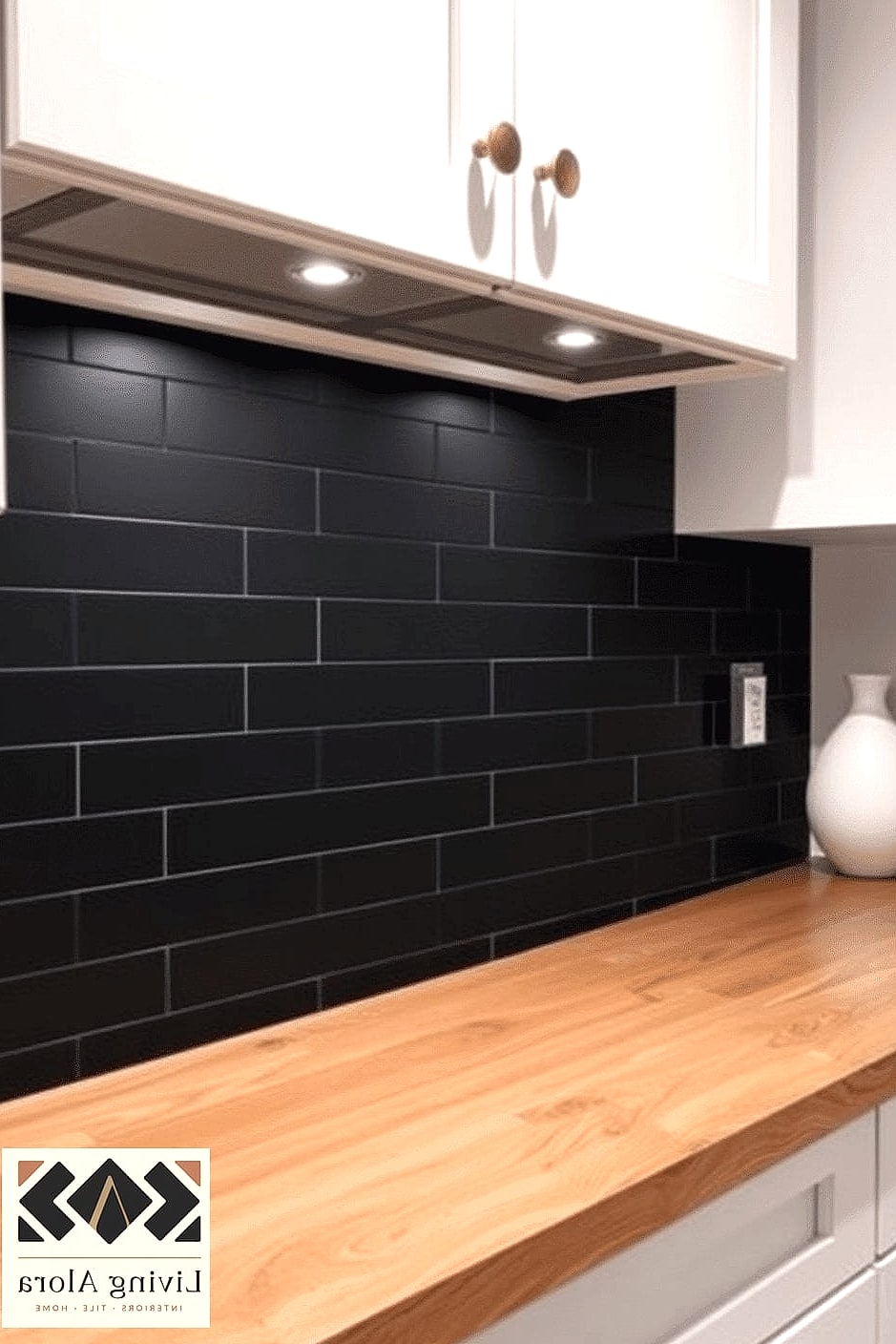
Glossy tile has been the default for years, but matte finishes have quietly taken over as the choice for a more sophisticated, modern kitchen. Matte tile diffuses light instead of reflecting it, which gives the whole space a softer, more upscale feel. It also happens to hide water spots and fingerprints better than glossy options, making it a practical pick for busy households. This works especially well paired with black fixtures or brushed brass for a warm contrast. Matte tile is widely available in ceramic and porcelain, so it doesn’t have to cost more than a standard glossy version.
Wood-Look Tile for Warmth
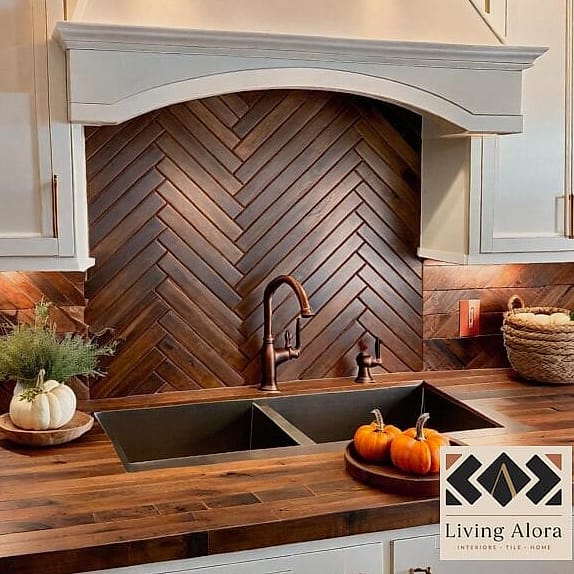
Real wood isn’t practical behind a sink or stove, but wood-look porcelain tile gives you that same cozy, natural texture without worrying about water damage or warping. Installed in a horizontal plank layout, it adds warmth to an otherwise cool kitchen full of quartz countertops and stainless appliances. This is a great option if your kitchen feels a little sterile and you want to soften it up without introducing a ton of color. Wood-look tile is also fairly low maintenance since it wipes clean just like any other porcelain surface, and it holds up well in high-traffic family kitchens.
Extended Slab Backsplash to the Ceiling
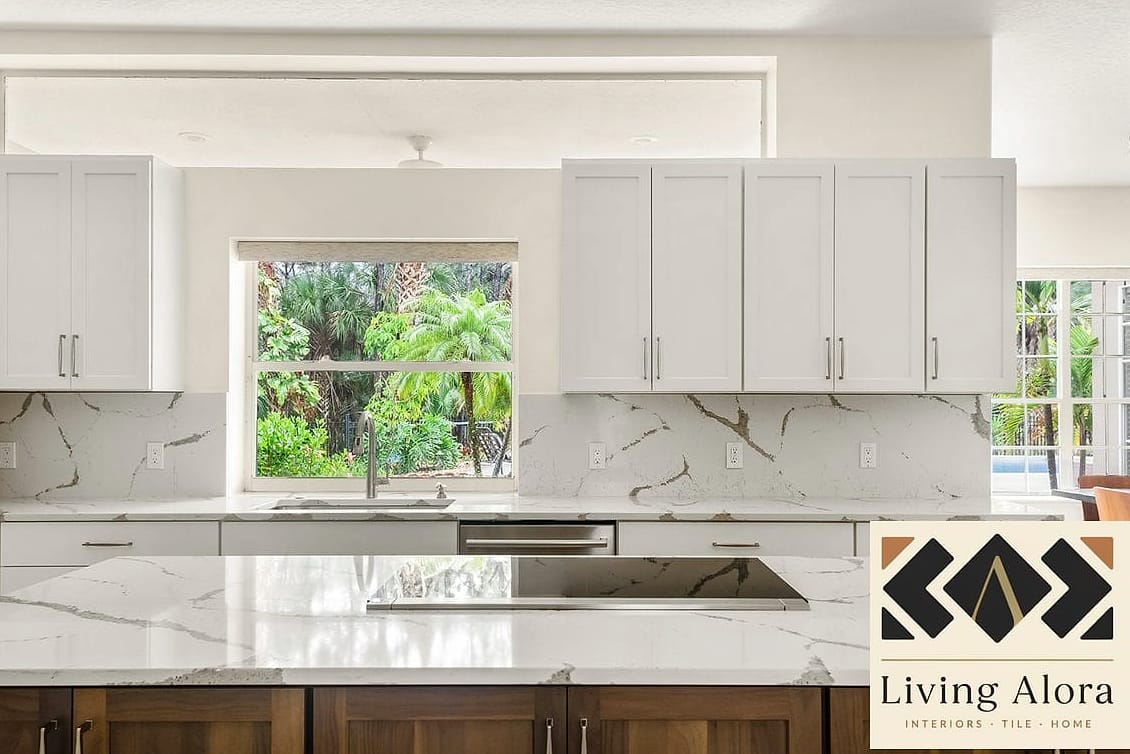
Rather than stopping the backsplash at the standard 18 inches above the counter, running it all the way up to the upper cabinets or even to the ceiling creates a dramatic, high-end effect. This works particularly well with large-format tile or slab material since fewer seams mean a cleaner, more continuous look. It’s an especially smart move if you’re already removing upper cabinets for open shelving, since it gives you a full wall of visual interest. While this does require more material than a standard-height backsplash, choosing a more affordable tile and extending it further often costs less overall than using premium tile in a smaller area. The payoff is a kitchen that feels noticeably more custom and put together.
Final Thoughts
The best part about these 10 kitchen backsplash ideas that look expensive but aren’t is that they prove you don’t have to choose between style and budget. A little creativity with pattern, layout, and finish goes a long way, and often the most impressive-looking kitchens are using surprisingly affordable materials. Whether you’re renting and need something temporary or planning a full remodel, there’s a version of these ideas that fits your space, your style, and your wallet. Start with what already exists in your kitchen, whether that’s warm wood tones, black fixtures, or a neutral color palette, and choose a backsplash that plays well with what you’ve got. Sometimes the smallest changes make the biggest visual impact.