18 Modern Backsplash Ideas Worth Bookmarking Before You Renovate

- Zellige Tile in Soft Neutrals
- Classic Subway Tile, Reimagined
- Slab Backsplash in Quartz or Marble
- Handmade Ceramic Tile in Deep Jewel Tones
- Vertical Stack Bond Layout
- Fluted or Textured Tile
- Warm Terracotta Tile
- Marble Herringbone Mosaic
- Matte Black Tile
- Peel-and-Stick Tile for Renters
- Extended Backsplash to the Ceiling
- Checkerboard Tile Pattern
- Handpainted Talavera-Style Tile
- Large Format Porcelain Slabs
- Two-Tone Tile Combinations
- Natural Stone with Movement
- Grid Pattern Glass Tile
- Mixed Material Backsplash
18 Modern Backsplash Ideas Worth Bookmarking Before You Renovate
If you’ve been scrolling design boards trying to figure out what’s actually worth doing in your kitchen, backsplashes are one of those details that punch way above their weight. A few square feet of tile can completely shift how a room feels, and unlike countertops or cabinets, it’s a project a lot of homeowners can tackle without a massive budget. Here are 18 modern backsplash ideas worth bookmarking before you renovate, whether you’re planning a full gut job or just want to swap out something dated.
Zellige Tile in Soft Neutrals
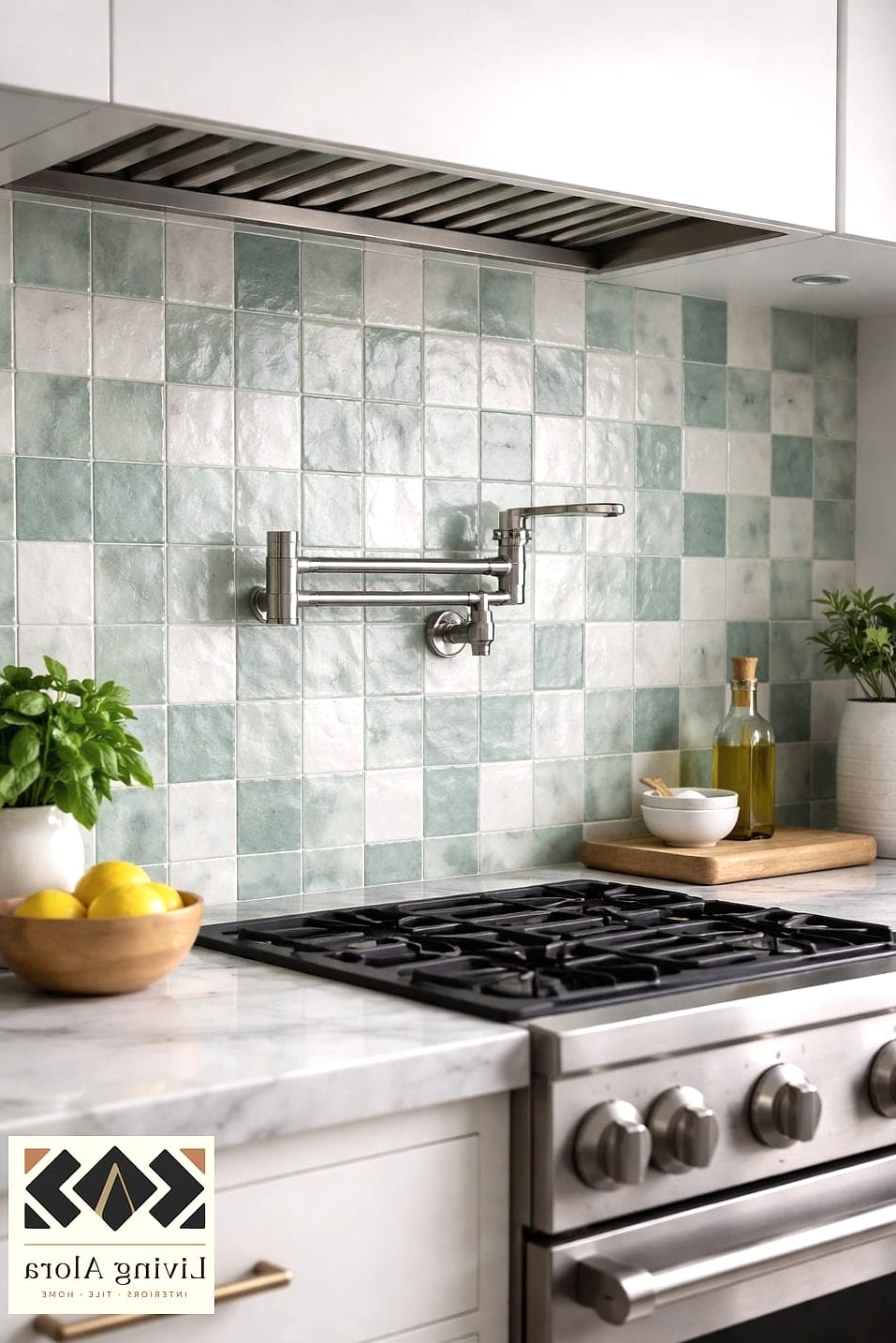
Zellige has become the darling of kitchen design over the past few years, and honestly, it’s earned the hype. These handmade Moroccan tiles have a slightly imperfect, wavy surface that catches light differently across every single piece. No two tiles are exactly alike, which gives the whole wall a handcrafted, almost pottery-like texture. It works beautifully in warm white, sand, or pale sage tones next to wood cabinetry. The catch is that zellige can be pricier and trickier to install than standard tile, so budget for a little extra labor if you’re hiring it out.
Classic Subway Tile, Reimagined
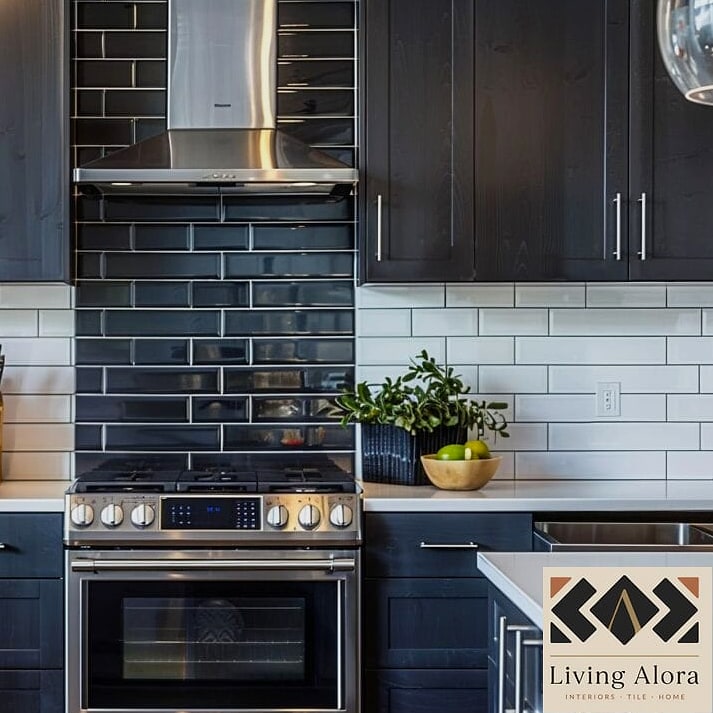
Subway tile never really left, but the way people are using it now feels fresher. Instead of the standard white brick pattern, try a colored subway tile in sage green, terracotta, or deep navy, or lay it in a herringbone pattern instead of the usual running bond. This is one of those upgrades that instantly makes a kitchen feel more custom without requiring a full renovation. It’s also one of the most DIY-friendly options on this list if you’re comfortable with a tile saw and some patience.
Slab Backsplash in Quartz or Marble
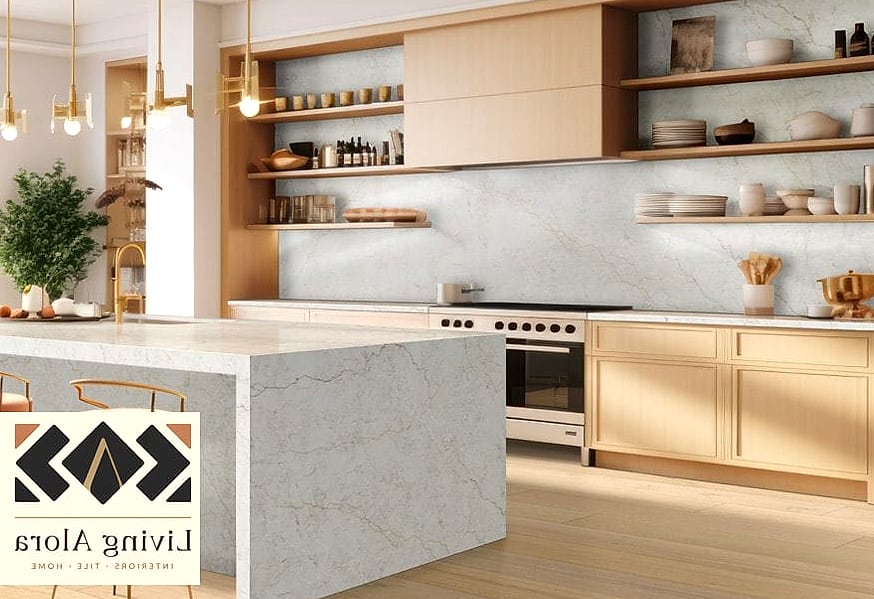
For a sleek, seamless look, a lot of homeowners are skipping tile altogether and running a single slab of quartz or marble up the wall, sometimes matching the countertop material exactly. This eliminates grout lines completely, which means less cleaning and a more monolithic, modern feel. It’s a bigger investment upfront, but the payoff is a kitchen that looks like it belongs in a design magazine. Quartz is the more practical choice for busy households since it resists staining better than natural marble.
Handmade Ceramic Tile in Deep Jewel Tones
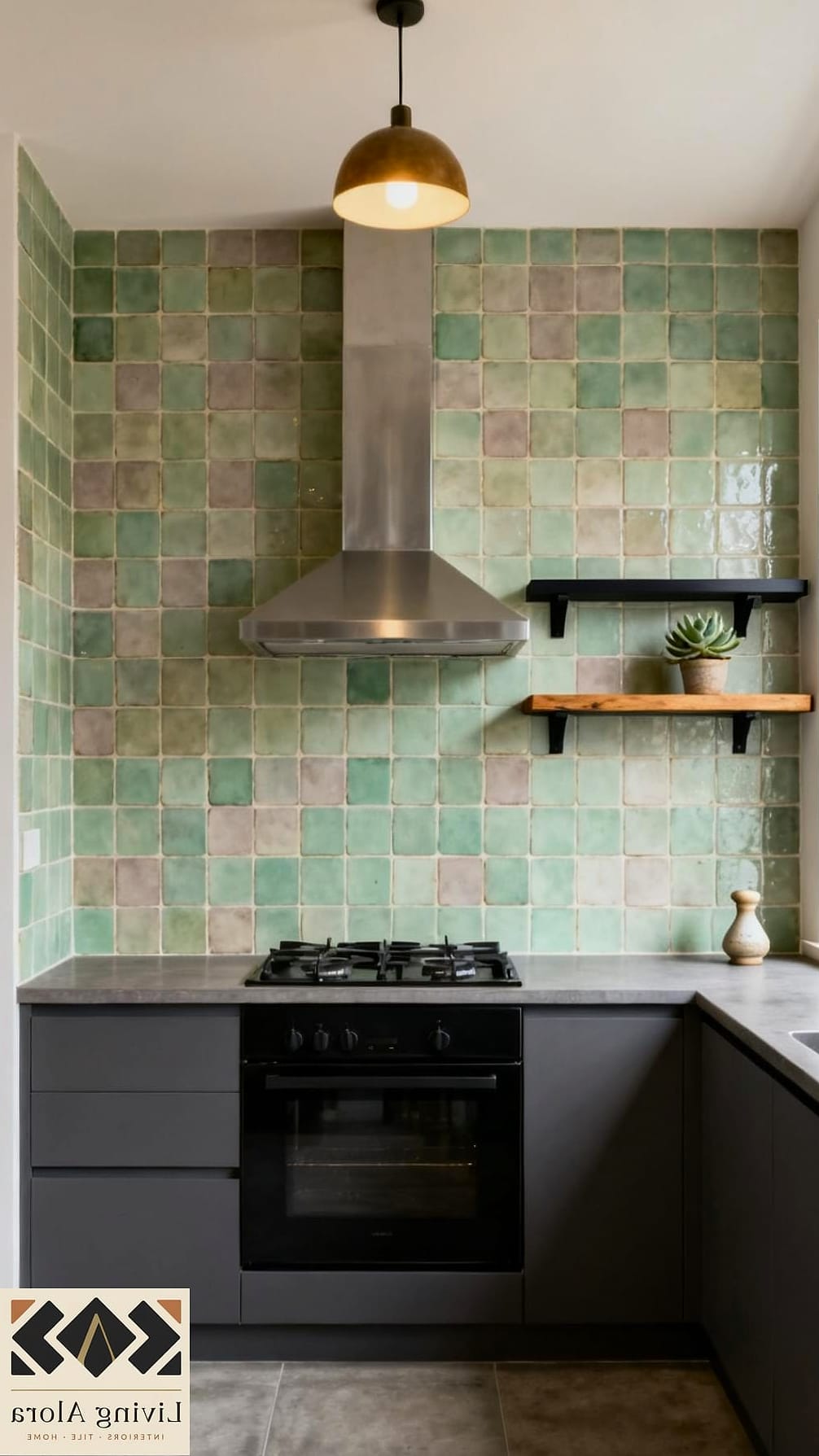
If your kitchen leans neutral everywhere else, a backsplash in emerald, cobalt, or burgundy ceramic tile can be the moment that makes the whole space feel intentional. Look for tiles with a slight glossy or reactive glaze so the color shifts subtly depending on the light. This works especially well in kitchens with white or black cabinetry, where the backsplash becomes the clear focal point. Just know that darker grout will hide staining better than bright white grout in a high-traffic cooking zone.
Vertical Stack Bond Layout
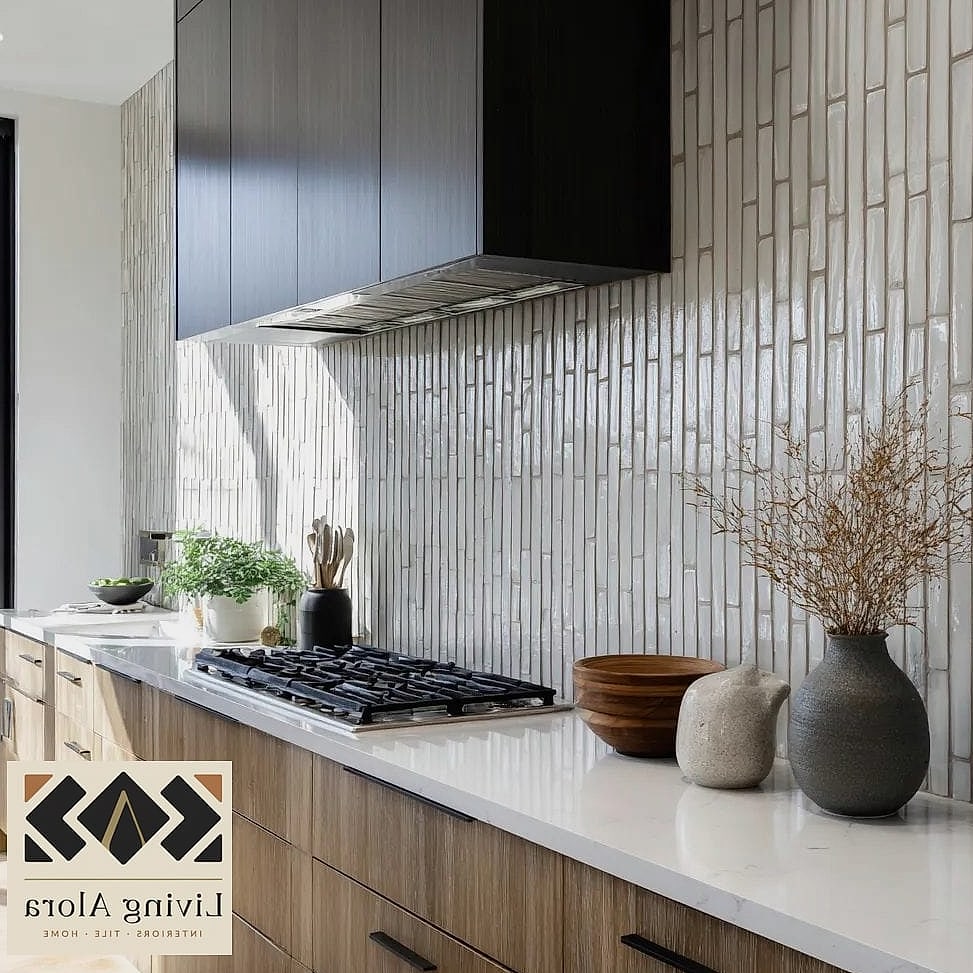
Sometimes it’s not the tile itself but how you lay it that makes a backsplash feel modern. A vertical stack bond, where square or rectangular tiles line up in straight columns rather than staggered rows, creates a clean, architectural look. It draws the eye upward, which can make a kitchen with lower ceilings feel a bit taller. This layout pairs well with simple subway or ceramic tile since the pattern itself does the visual work.
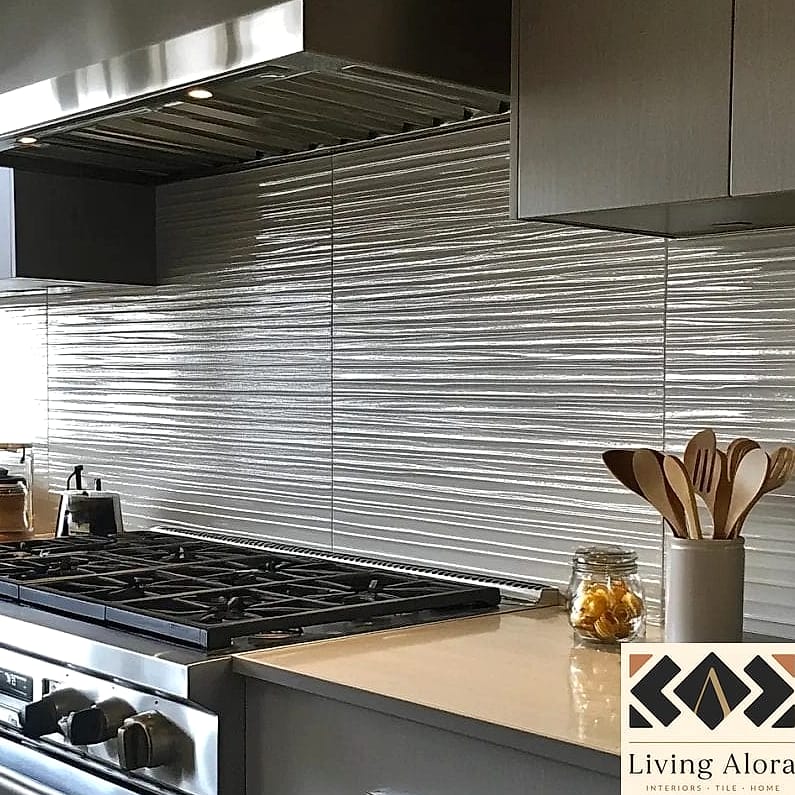
Fluted or Textured Tile
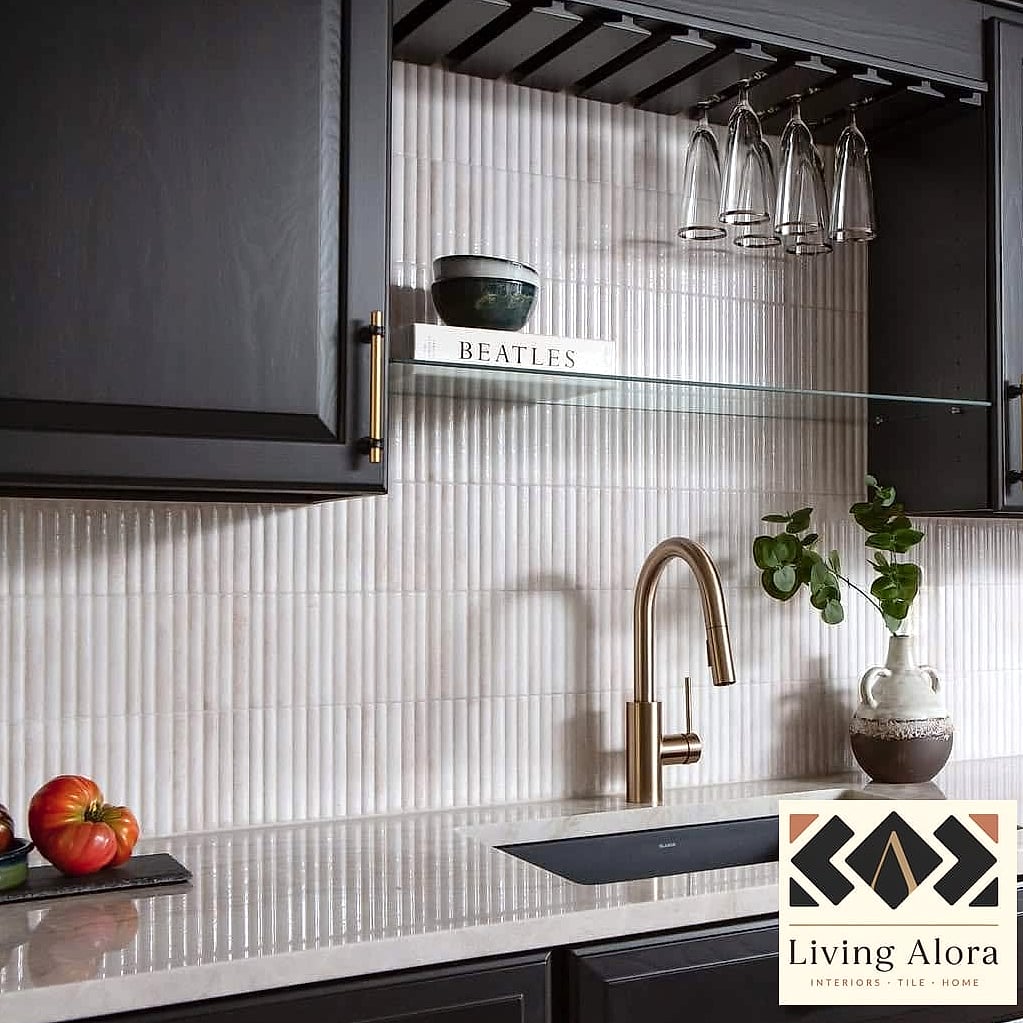
Dimensional tile is having a real moment right now, and it’s easy to see why. Fluted, ribbed, or scalloped tile adds visual interest through shadow and texture rather than color or pattern. It photographs beautifully and gives an otherwise flat wall a sculptural quality. These tiles tend to trap a bit more dust and grease in the grooves, so plan on wiping them down more often than a flat glossy tile, especially near the stove.
Warm Terracotta Tile
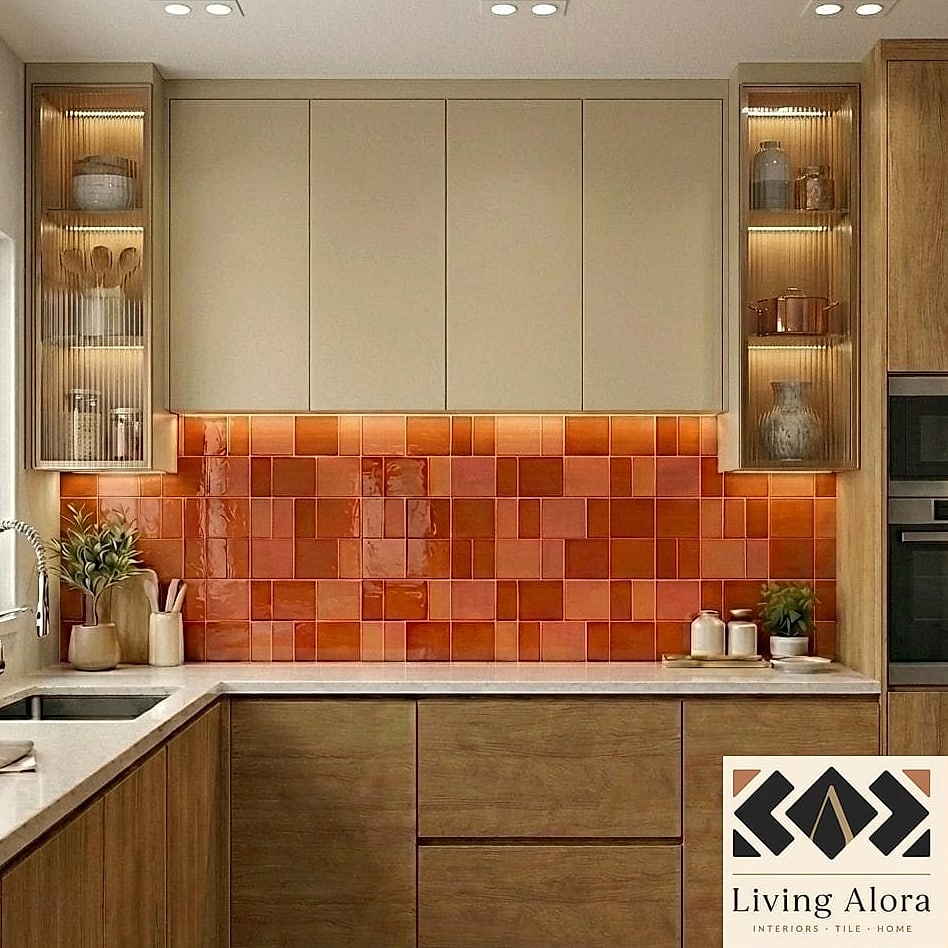
Terracotta backsplashes bring an earthy, sun-baked warmth that feels a world away from the cool white kitchens of the last decade. Whether you go with traditional Spanish-style terracotta or a more refined matte version, this material pairs beautifully with brushed brass hardware and warm wood open shelving. It’s a great fit for farmhouse, Mediterranean, or Southwestern-inspired kitchens. Terracotta is porous, so make sure it’s properly sealed to keep it from staining.
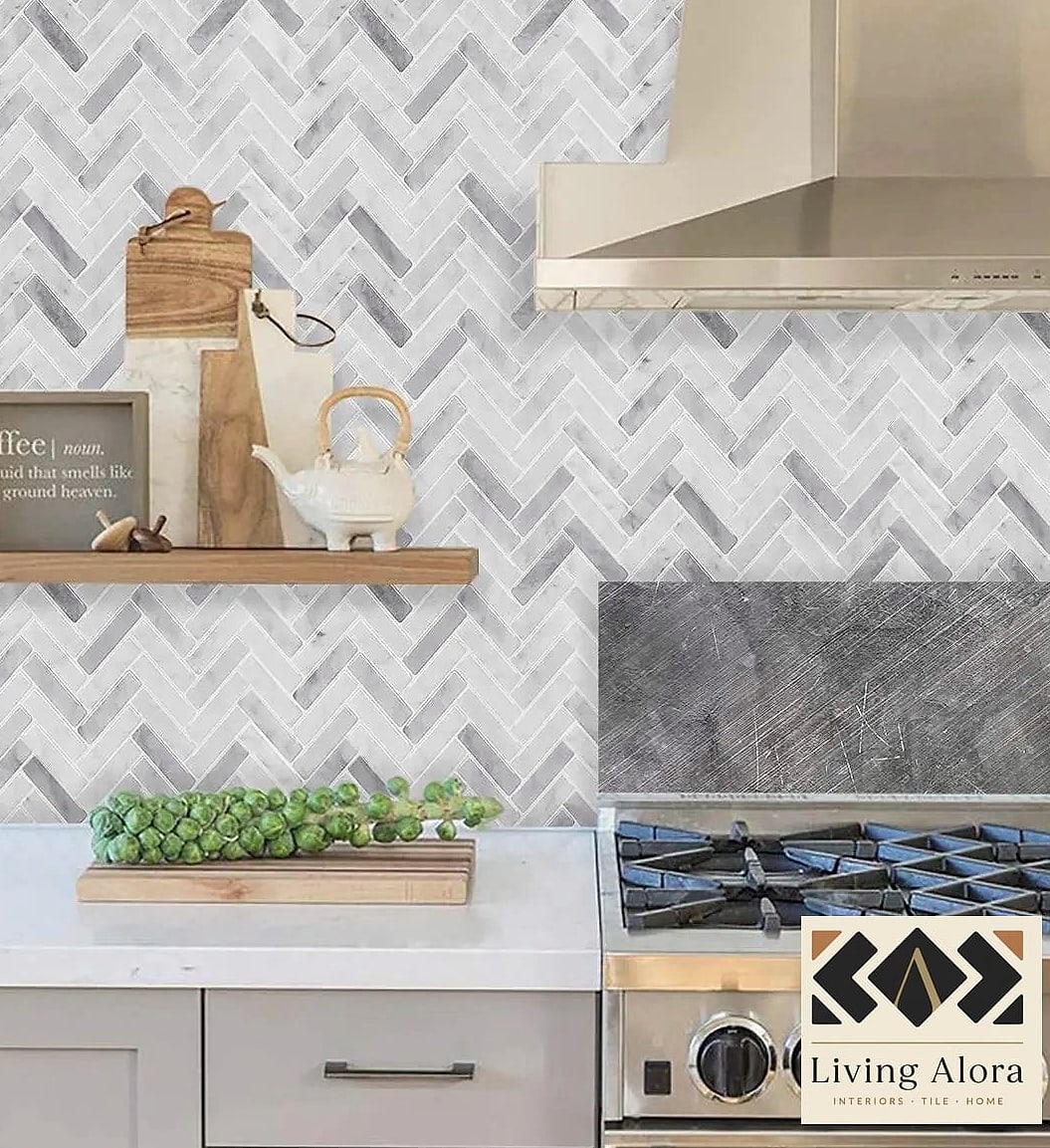
Marble Herringbone Mosaic
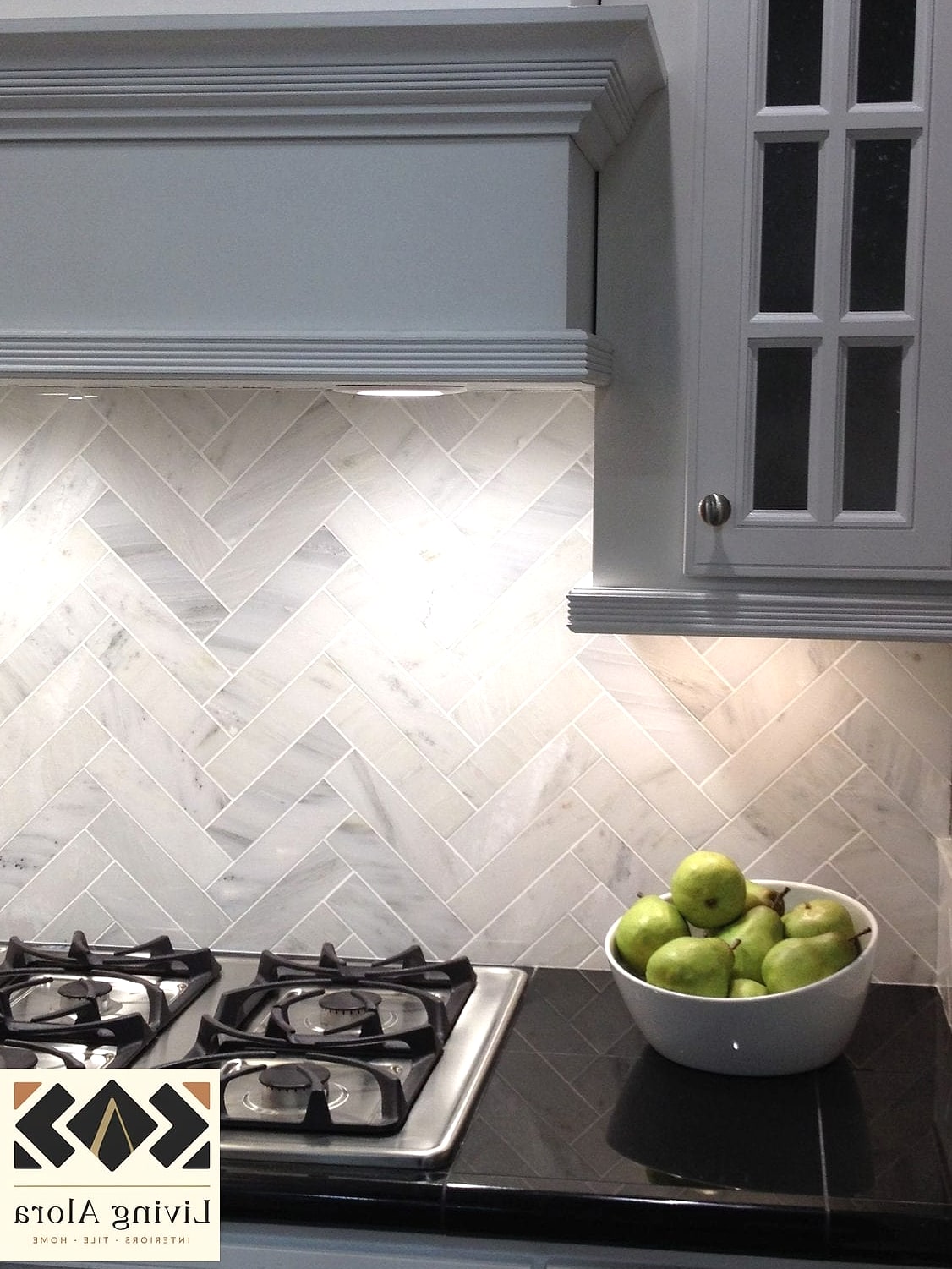
Herringbone patterns add movement to a backsplash without introducing a lot of extra color, which makes this a great option if you want texture but not a bold statement. Small marble mosaic pieces arranged in herringbone catch light beautifully and read as more elevated than a standard tile layout. It’s a popular choice behind a range as a focal feature, even when the rest of the kitchen keeps things simple. Because the pieces are small, expect a slightly longer installation time.
Matte Black Tile
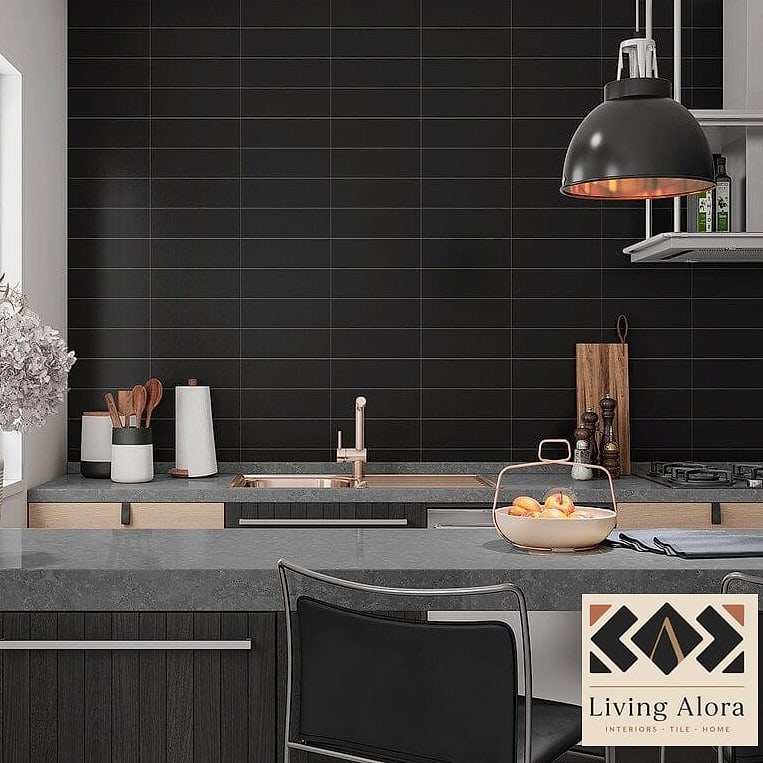
A matte black backsplash is a bold move, but it’s become a favorite for kitchens that want serious contrast against white cabinets or light countertops. Matte finishes are more forgiving than glossy ones when it comes to hiding water spots and fingerprints, which makes this more practical than it might seem at first glance. Pair it with black fixtures for a cohesive, moody look, or break it up with brass accents so the space doesn’t feel too heavy.
Peel-and-Stick Tile for Renters
Not everyone renovating is a homeowner, and that’s exactly why peel-and-stick backsplash tile deserves a spot on this list. Modern versions have come a long way from the flimsy options of a decade ago. Many now mimic subway tile, marble, or even zellige convincingly enough that guests won’t guess it’s removable. This is a genuinely great renter-friendly solution, and it’s budget-friendly enough to redo if your taste changes down the road.
Extended Backsplash to the Ceiling

Instead of stopping the tile at the standard 18-inch mark, more kitchens are running the backsplash all the way up to the upper cabinets or even to the ceiling in open shelving setups. It’s a small shift that makes a big visual difference, especially in kitchens without upper cabinets on one wall. This works particularly well behind a range as a dramatic hood surround. It does mean more tile and more cost, but it reads as a much more finished, high-end result.
Checkerboard Tile Pattern
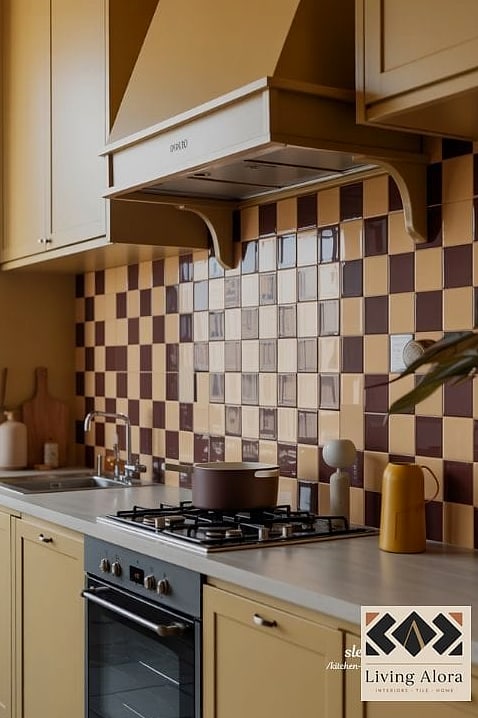
Checkerboard is back, and it’s showing up in kitchens in a way that feels playful rather than retro-kitsch. Using two contrasting tile colors, like black and white or cream and terracotta, in a classic checkerboard grid gives a backsplash instant personality. It works especially well in smaller kitchens or breakfast nooks where you want a graphic moment without overwhelming the whole room. Keep the rest of your finishes simple so the pattern stays the star.
Handpainted Talavera-Style Tile
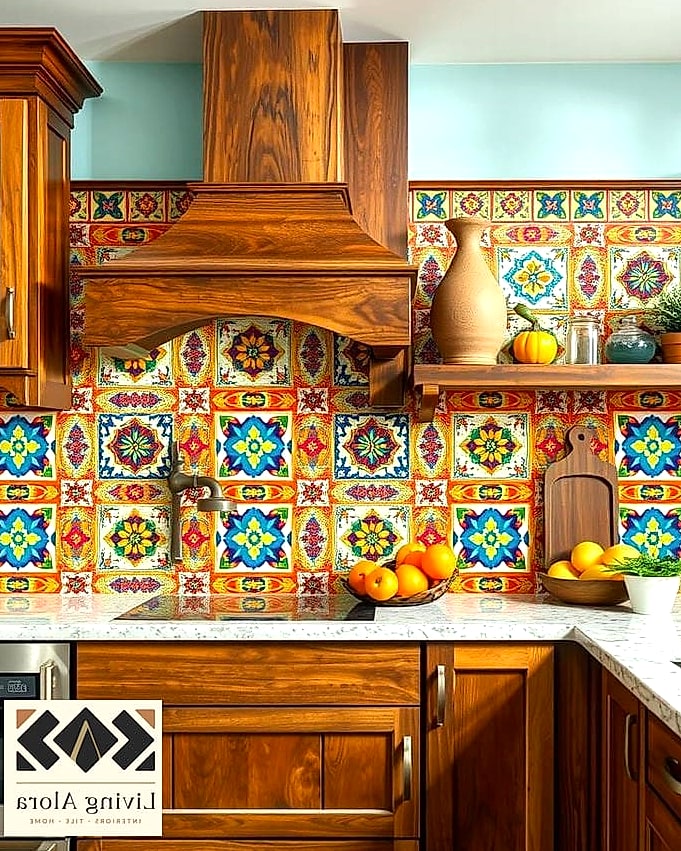
For anyone drawn to color and pattern, handpainted tile in the Talavera or Portuguese azulejo tradition brings serious charm. These tiles usually feature intricate florals or geometric motifs in blues, yellows, and greens. Rather than covering the whole backsplash, a lot of designers now use these as a border or accent strip framed by simple subway tile, which keeps the look intentional rather than busy. It’s a great way to add a global, collected feel to an otherwise modern kitchen.
Large Format Porcelain Slabs
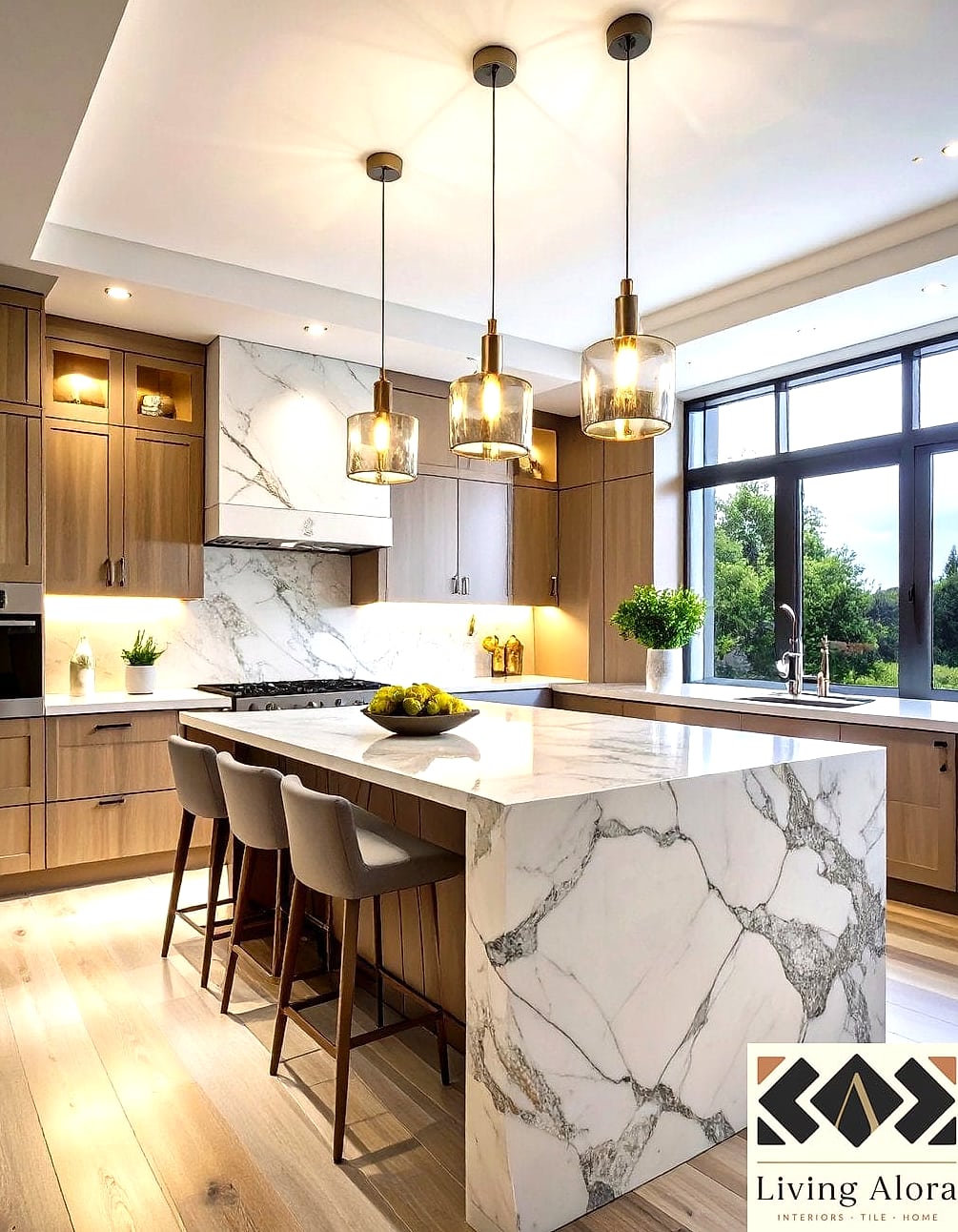
Large format porcelain panels have become a favorite for homeowners who love the look of marble but want something more durable and low-maintenance. These slabs can mimic natural stone veining almost convincingly while resisting scratches, heat, and staining far better than the real thing. Fewer seams mean less grout to clean, which busy families and anyone with young kids in the kitchen will appreciate. It’s a solid middle ground between budget porcelain tile and pricier natural stone.
Two-Tone Tile Combinations
Mixing two complementary tile colors or finishes on the same wall is a subtle way to add depth. Think a matte tile paired with a glossy tile in the same color family, or a neutral field tile broken up by a contrasting accent row near the countertop. This approach lets you experiment with pattern and contrast without committing to something too loud. It’s also a smart way to stretch a tile budget if the accent tile is the pricier option.
Natural Stone with Movement

If you love the organic, one-of-a-kind quality of natural stone, a backsplash cut from travertine, limestone, or soapstone brings texture and subtle color variation that manufactured tile just can’t replicate. These materials tend to have a softer, more matte quality than polished marble, which suits farmhouse and organic modern kitchens especially well. Sealing is important here to protect against staining from cooking splatters, and it’s worth reapplying sealant annually to keep it looking its best.
Grid Pattern Glass Tile
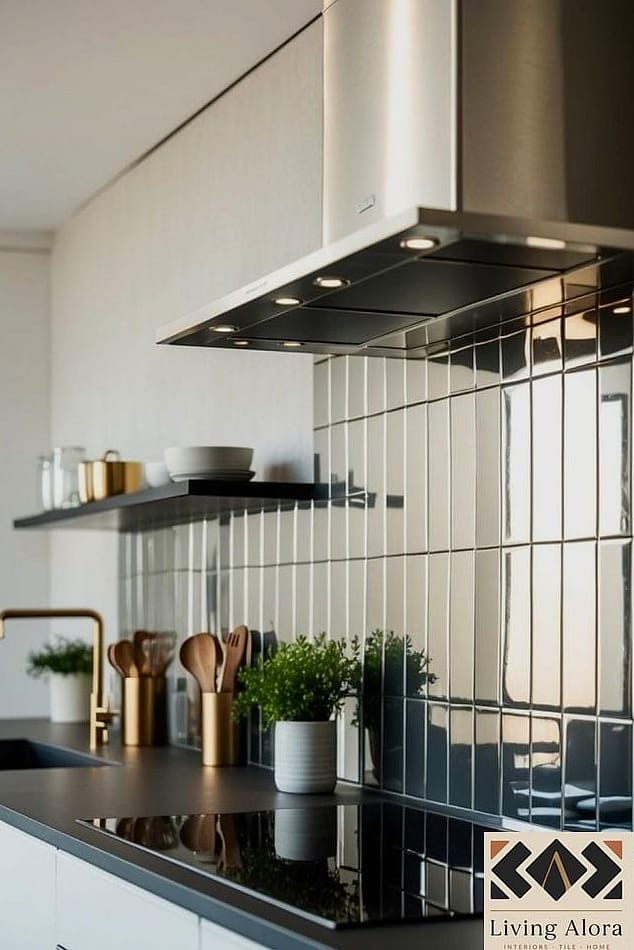
Glass tile in a clean grid layout brings a subtle shimmer to the kitchen without feeling flashy. It reflects light in a way that ceramic and porcelain simply don’t, which can make a smaller or darker kitchen feel brighter. Pale blue, seafoam, or clear glass tiles pair nicely with white or light gray cabinetry for a coastal-leaning look. Glass does show water spots more readily, so a quick wipe-down after cooking keeps it looking its best.
Mixed Material Backsplash
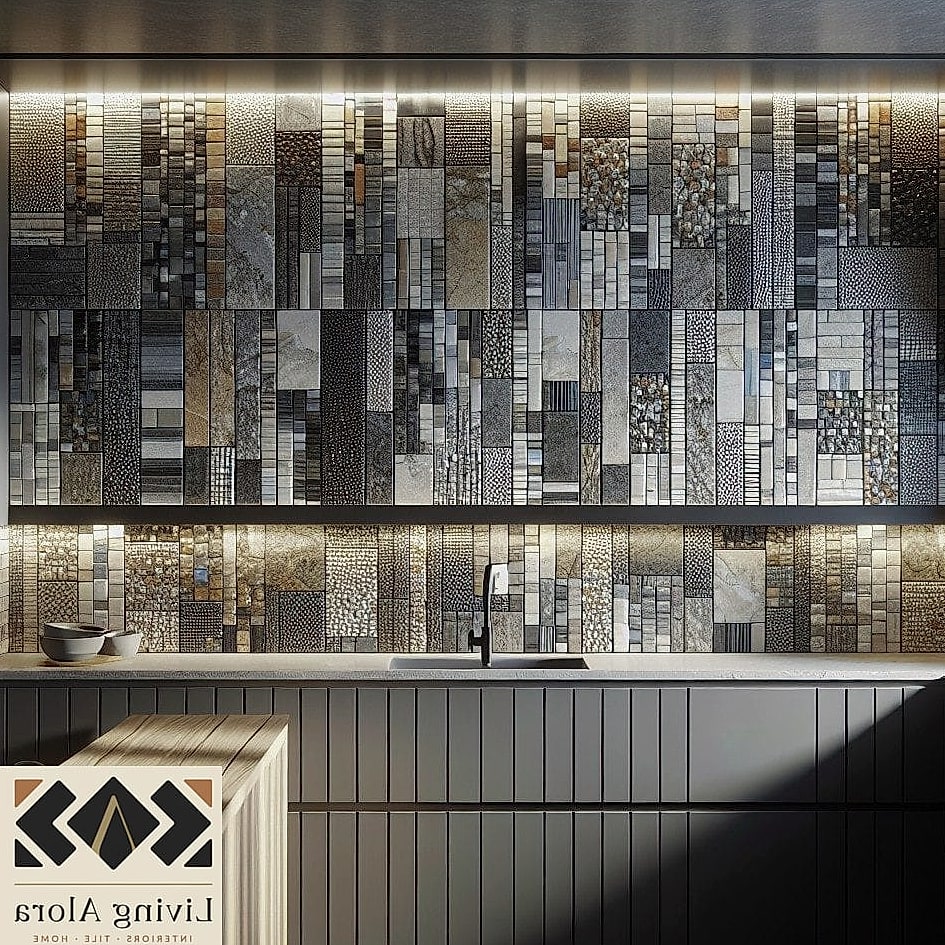
For kitchens that want a designer-built feel, combining two materials, like wood shelving integrated into a tile backsplash, or a stone slab behind the range paired with simpler tile elsewhere, creates a layered, custom look. This approach lets you splurge on a statement material in one focal area while keeping costs down everywhere else. It also gives you room to bring in open shelving, greenery, or a few styled baskets for texture and warmth. It takes more planning than a single-material backsplash, but the payoff is a kitchen that feels genuinely one of a kind.
Whichever direction you land on, the best backsplash is the one that fits how you actually cook, clean, and live in your kitchen day to day. Save this list, pull swatches for your favorites, and take your time deciding. It’s a small piece of the renovation, but it’s often the detail people remember most.