30 No Backsplash Ideas That Work in Any Size Home
- Painted Walls with a Washable Finish
- Exposed Brick Left Bare
- Stainless Steel Panels
- Beadboard Paneling
- Wood Shiplap
- Concrete Wall Finish
- Large-Format Solid Surface Panels
- Wallpaper Behind Open Shelving
- Matching Countertop Material Extended Up the Wall
- Plaster Walls with a Hand-Troweled Texture
- Open Shelving as the Focal Point
- Painted Cabinetry That Extends to the Wall
- Tongue-and-Groove Wood Panels
- Butcher Block Extended Upward
- Chalkboard Paint Accent Zone
- Mirrored Panels
- Textured Limewash Paint
- Slab Marble or Quartz Panel
- Reclaimed Wood Accent Wall
- Corrugated Metal Accent
- Neutral Color-Blocked Paint
- Glass Panel Backsplash Alternative
- Vertical Wood Slat Wall
- Painted Brick for a Softer Look
- Stucco or Venetian Plaster Hood Surround
- Laminate Panels for Budget Kitchens
- Open Pegboard Wall
- Warm Terracotta Paint Wall
- Floating Wood Shelf with Wall Left Bare
- Board and Batten Detail
- Statement Range Hood as the Focal Point
30 No Backsplash Ideas That Work in Any Size Home
Not every kitchen needs a full tile backsplash to feel finished. Plenty of homeowners are skipping the grout lines altogether and leaning into simpler, more flexible wall treatments instead. Whether you’re renting, working with a tight budget, or just tired of scrubbing grout, there’s a no-backsplash approach that fits your space. Here are 30 ideas worth considering.
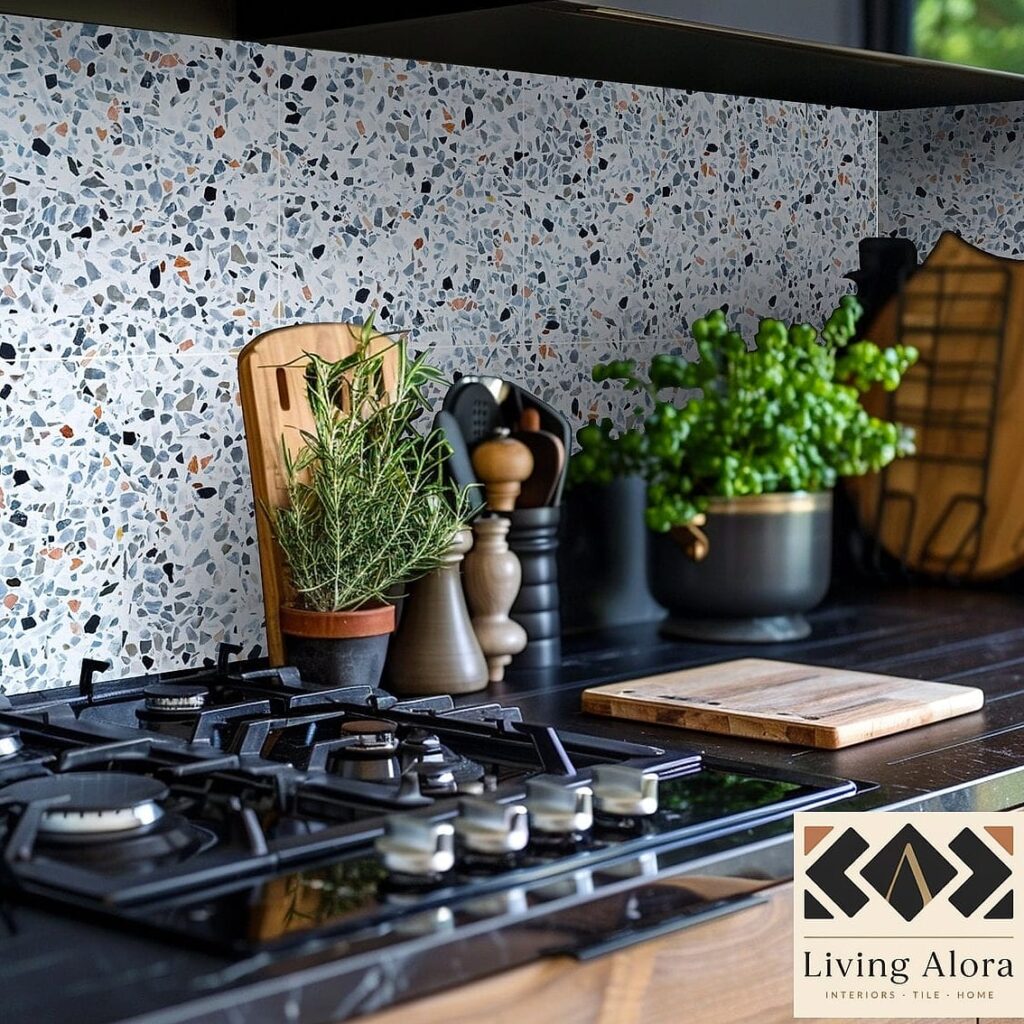
Painted Walls with a Washable Finish

A simple coat of semi-gloss or satin paint behind your stove and sink can hold up better than people expect. Look for paints labeled “washable” or “scrubbable” since they resist splatters and wipe clean easily. This works especially well in smaller kitchens where a busy tile pattern might feel overwhelming. It’s also the cheapest option on this list by a wide margin.
Exposed Brick Left Bare
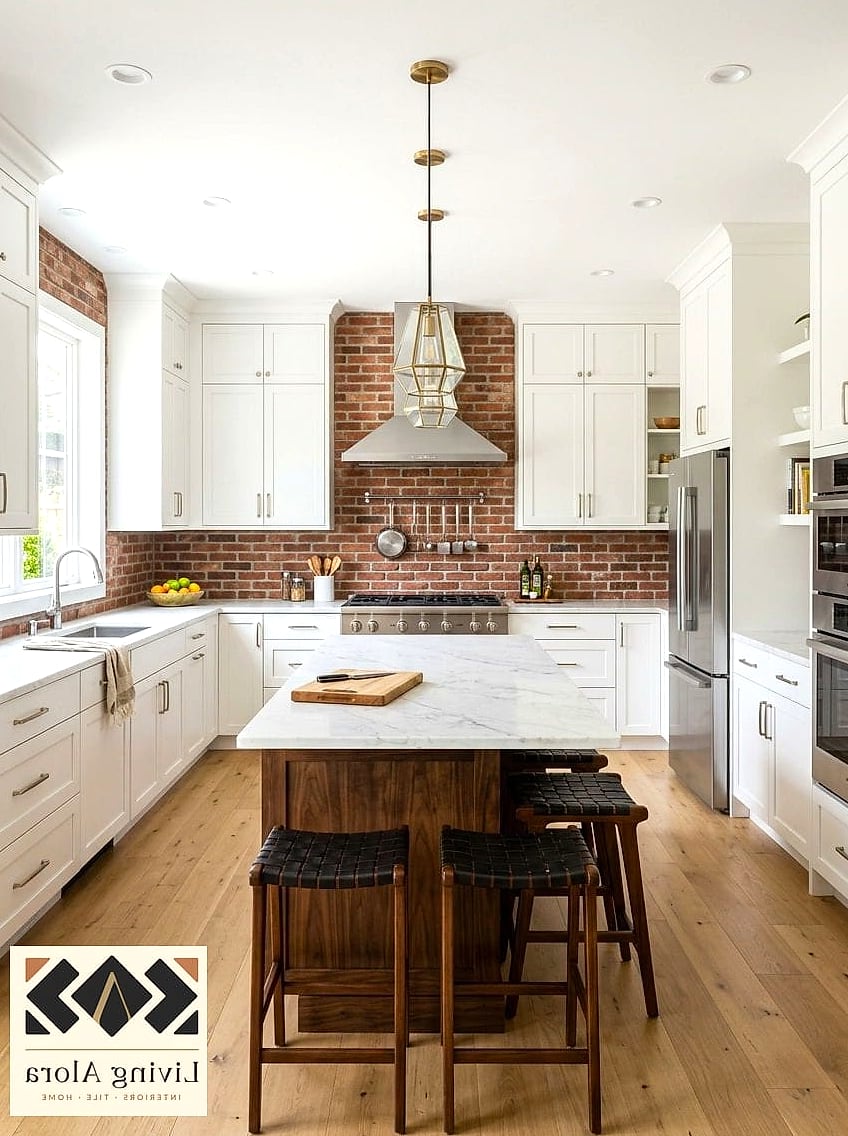
If you’re lucky enough to have original brick walls, sometimes the best move is doing nothing at all. A sealed, unpainted brick wall brings warmth and texture without any installation cost. It pairs beautifully with farmhouse and industrial kitchens. Just keep in mind brick is porous, so a food-safe sealant near cooking areas is worth the extra step.
Stainless Steel Panels
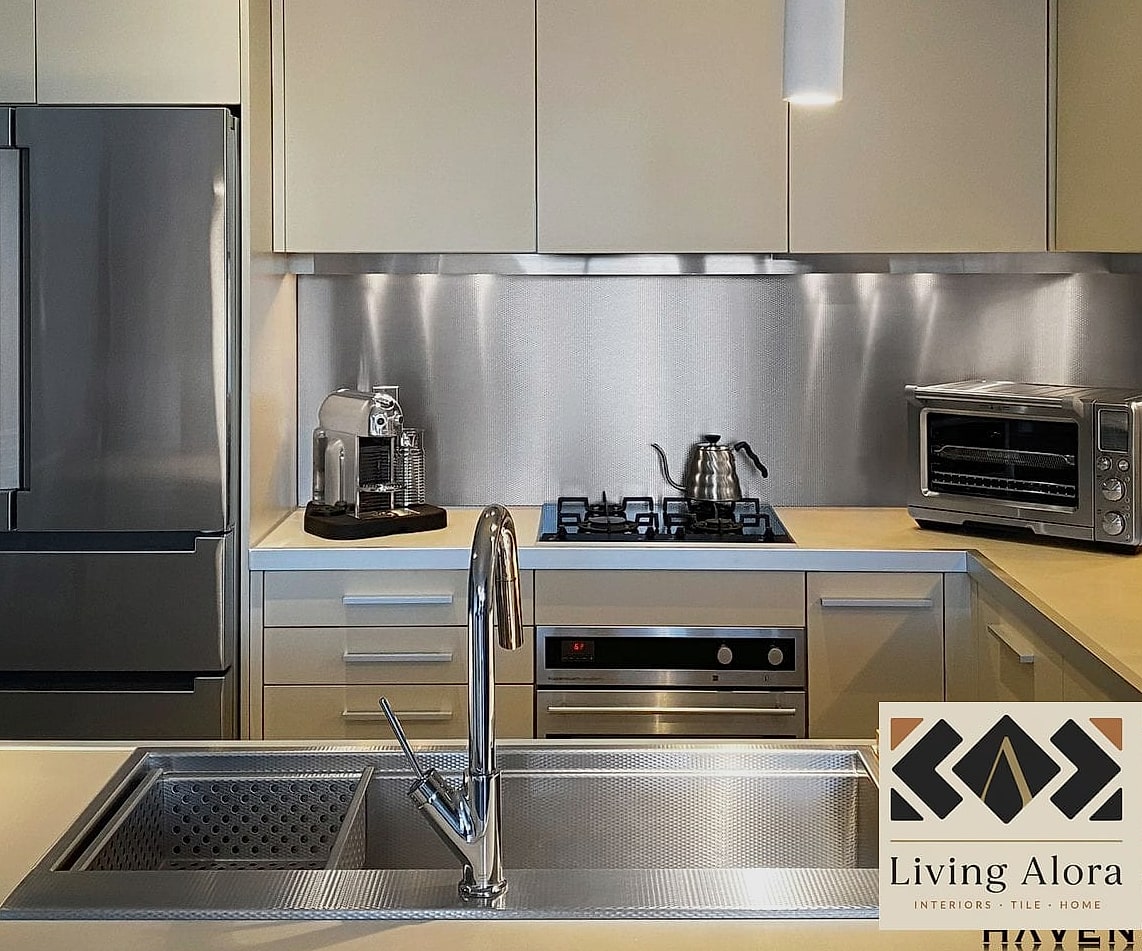
Restaurant-style stainless panels aren’t just for commercial kitchens anymore. They wipe clean in seconds and hold up to grease, steam, and heat without any staining. Homeowners with a modern or minimalist aesthetic tend to gravitate toward this look. It’s also a smart pick for renters since panels can often be mounted without permanent damage.
Beadboard Paneling
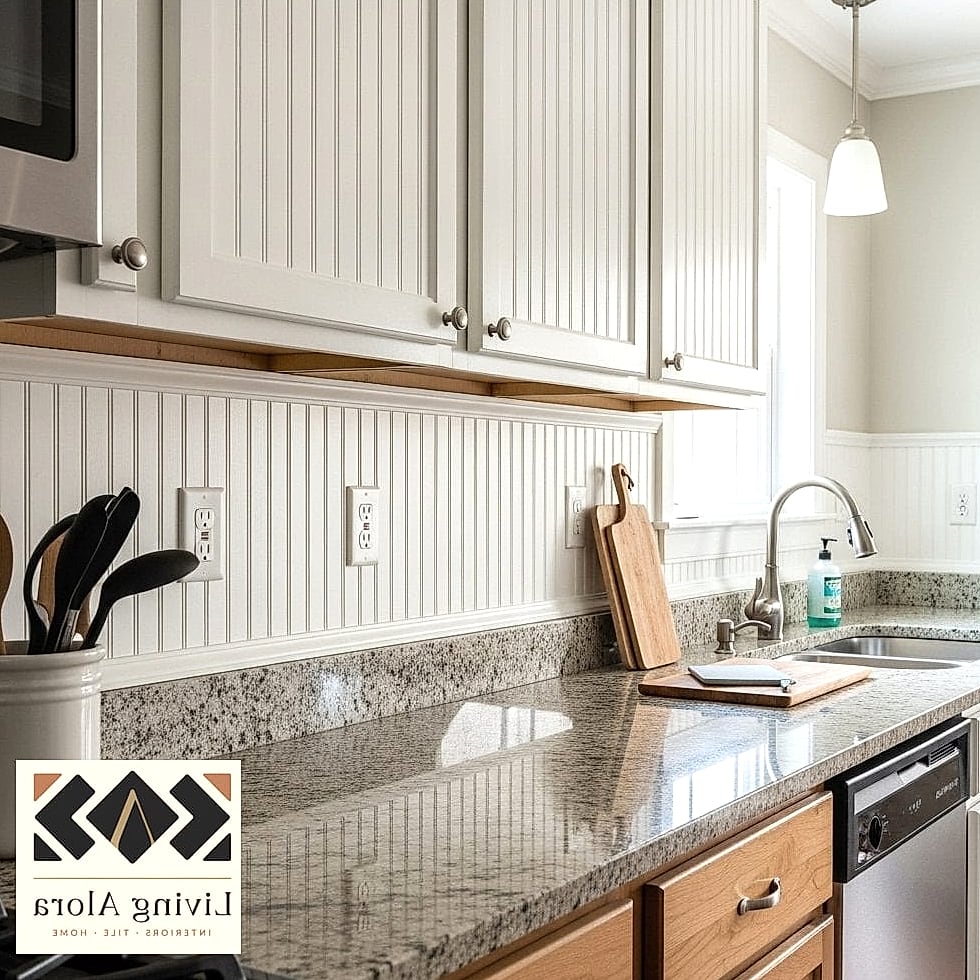
Beadboard brings cottage charm to a wall without a single tile. Paint it a soft white or a cheerful color to match your cabinetry, then seal it with a durable finish. It’s budget-friendly and genuinely DIY-friendly, even for beginners with basic tools. Just avoid placing it directly behind a stove since grease can seep into the seams over time.
Wood Shiplap
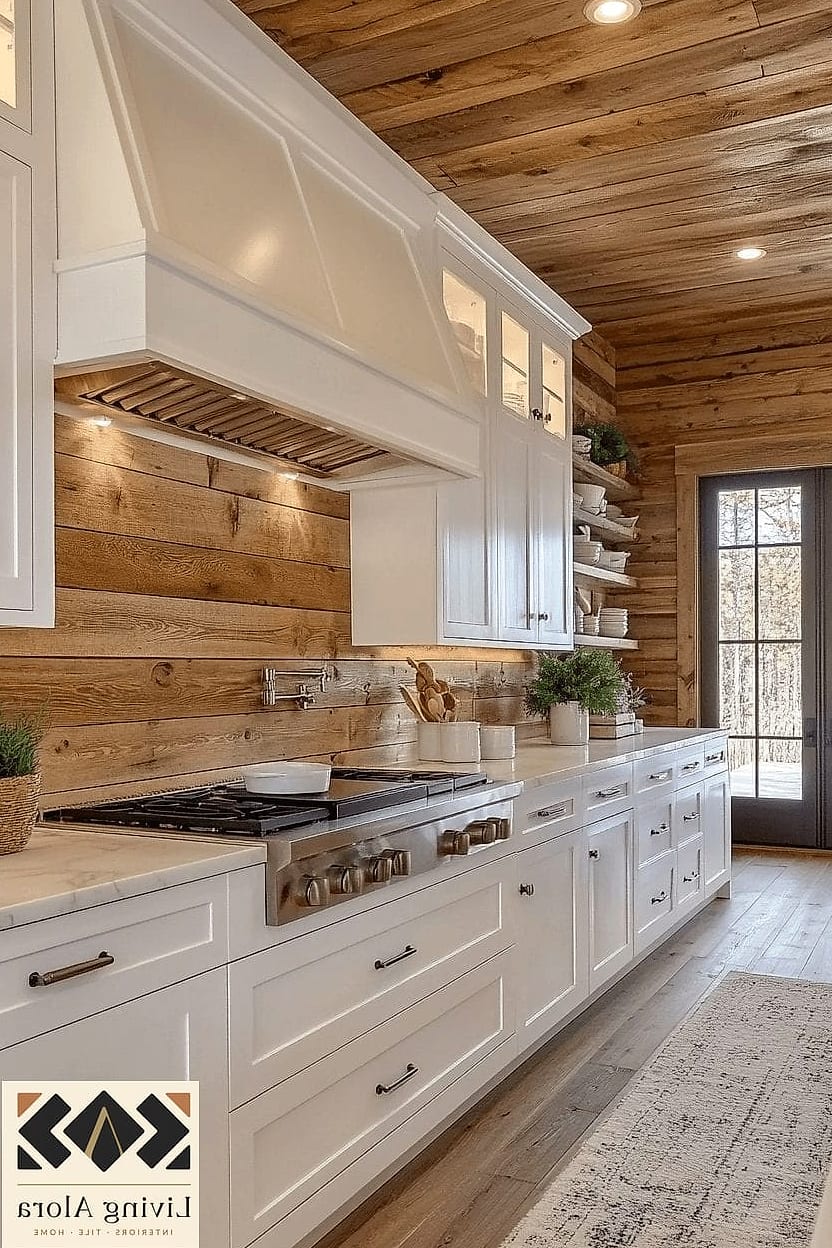
Shiplap has stuck around because it just works in so many styles, from farmhouse to coastal to modern traditional. Installing it horizontally behind open shelving creates a cozy, layered look. Seal the wood well if it’s going near a cooktop, and consider a matte polyurethane for easy wipe-downs. It’s a favorite for anyone who wants texture without commitment to permanent tile.
Concrete Wall Finish

Poured or skim-coated concrete walls give kitchens a raw, architectural edge. This is a higher-effort option, often best left to a contractor, but the payoff is a completely seamless, grout-free surface. It suits industrial and minimalist kitchens especially well. Concrete also takes color washes nicely if you want to soften the look later.
Large-Format Solid Surface Panels
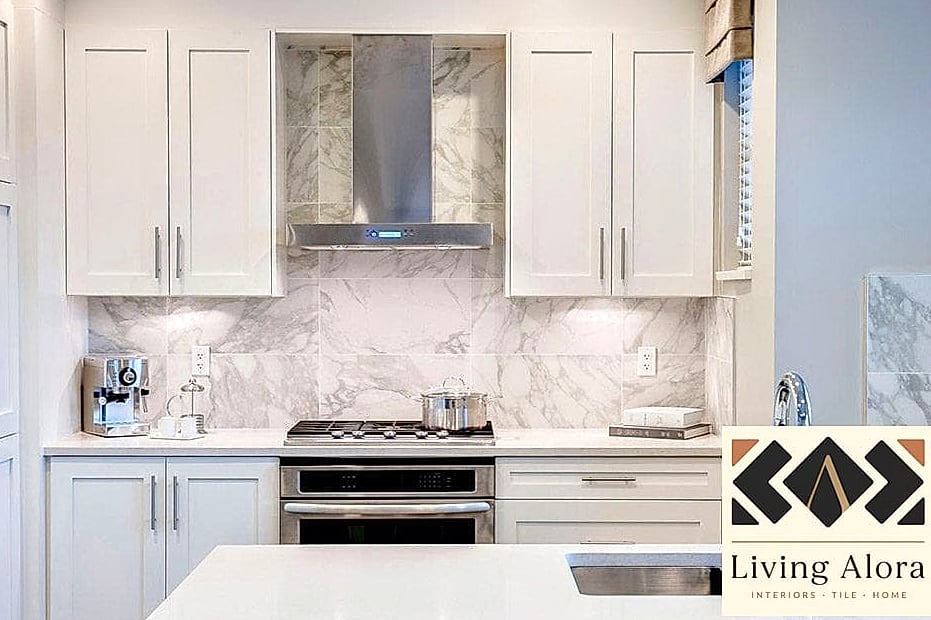
Instead of small tiles, some homeowners are installing one continuous sheet of quartz, porcelain, or laminate behind the stove. There’s no grout to clean, ever, which is a huge selling point for busy households. It reads as a more custom, high-end alternative to traditional backsplash designs. The upfront cost runs higher, but the low upkeep tends to balance that out over time.
Wallpaper Behind Open Shelving
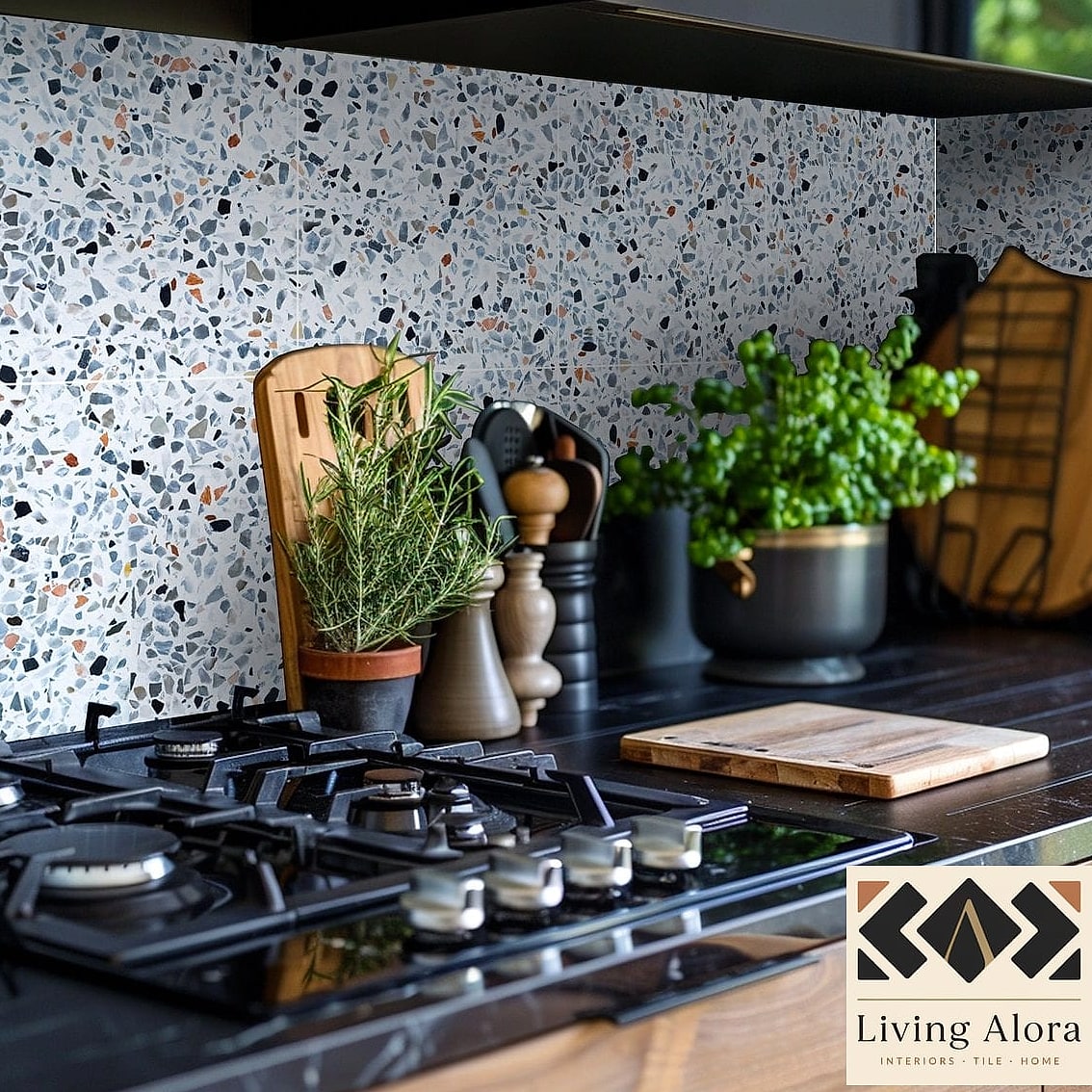
Removable, water-resistant wallpaper has come a long way, and it’s a genuinely renter-friendly option. Choose a pattern that peeks out between open shelves rather than covering the whole wall for a curated, layered feel. Look for vinyl-coated or peel-and-stick options rated for kitchens specifically. Swapping it out later is as easy as peeling and starting fresh.
Matching Countertop Material Extended Up the Wall

If you already love your countertop, why not let it climb the wall a few inches? This creates a seamless, monochromatic look that’s popular in modern kitchen design right now. Quartz and marble both work well for this since they’re non-porous and easy to wipe down. It’s a subtle way to make a small kitchen feel more cohesive and expansive.
Plaster Walls with a Hand-Troweled Texture

Venetian plaster or lime wash finishes are having a real moment in interior design. The subtle texture catches light beautifully and feels warm rather than cold, unlike some tile options. This is best suited to areas that see less direct splashing, like around a range hood rather than right behind a sink. A quality sealant helps it stand up to daily kitchen life.
Open Shelving as the Focal Point
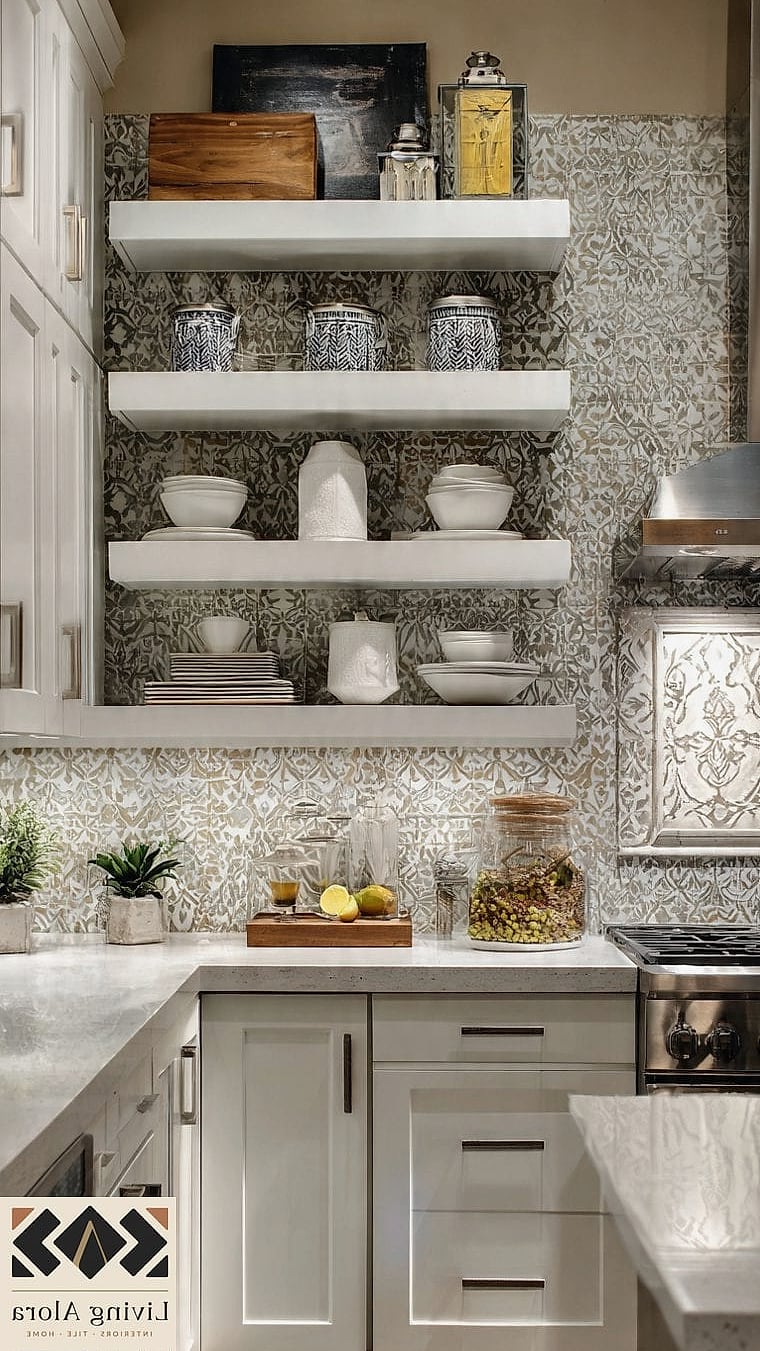
Sometimes the trick to skipping a backsplash is simply drawing the eye elsewhere. Floating wood shelves loaded with everyday dishware, plants, and a few favorite mugs give the wall personality without tile. This works particularly well in smaller kitchens where every design choice needs to pull double duty. Just be ready to keep the shelves tidy since they’re always on display.
Painted Cabinetry That Extends to the Wall

Some homeowners are skipping backsplash material entirely by extending cabinet doors and panels closer to the counter edge, minimizing exposed wall space. This works especially well in galley kitchens where surface area is limited anyway. A cohesive paint color across cabinets and trim makes the whole space feel intentional. It’s a layout-driven solution rather than a material one, but it’s worth considering during a remodel.
Tongue-and-Groove Wood Panels
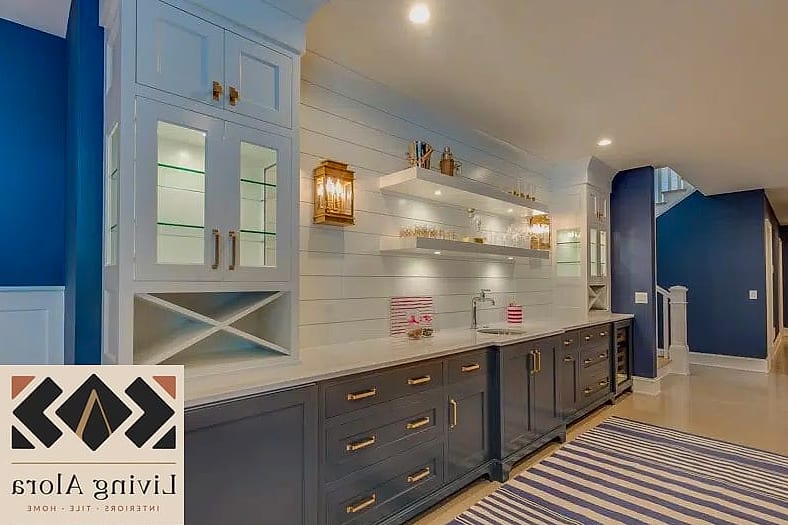
Similar to beadboard but with a slightly more refined, vertical look, tongue-and-groove paneling adds subtle dimension. It’s common in cottage and modern farmhouse kitchens where warmth matters more than high shine. A few coats of a durable topcoat make it wipeable enough for daily cooking splatter. This is another solidly DIY-friendly project for a weekend.
Butcher Block Extended Upward

If your counters are butcher block, extending a strip of the same wood a few inches up the wall creates continuity. It needs regular oiling to stay protected, so it’s better suited to lower-splash areas like a baking station. The warm tone pairs naturally with brass hardware and natural stone accents elsewhere in the kitchen. It’s an unexpected but genuinely charming choice.
Chalkboard Paint Accent Zone
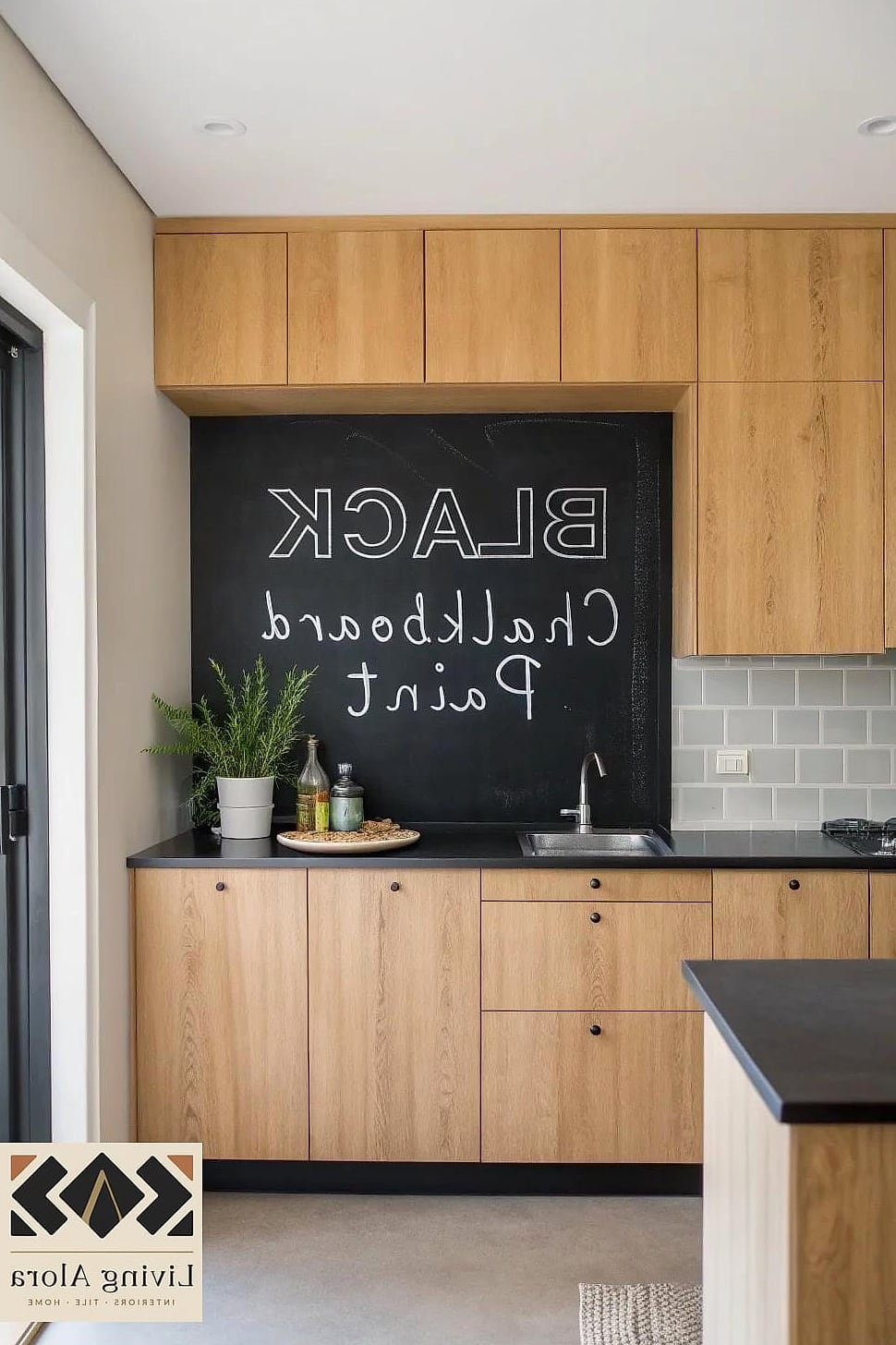
This one’s playful, and it works surprisingly well in family kitchens. A chalkboard-painted section behind an open shelf or near a coffee station becomes a spot for grocery lists, kids’ doodles, or menu notes. It’s inexpensive and easy to refresh whenever you want a change. Just keep it away from direct grease splatter since chalk residue can be tricky to fully clean.
Mirrored Panels
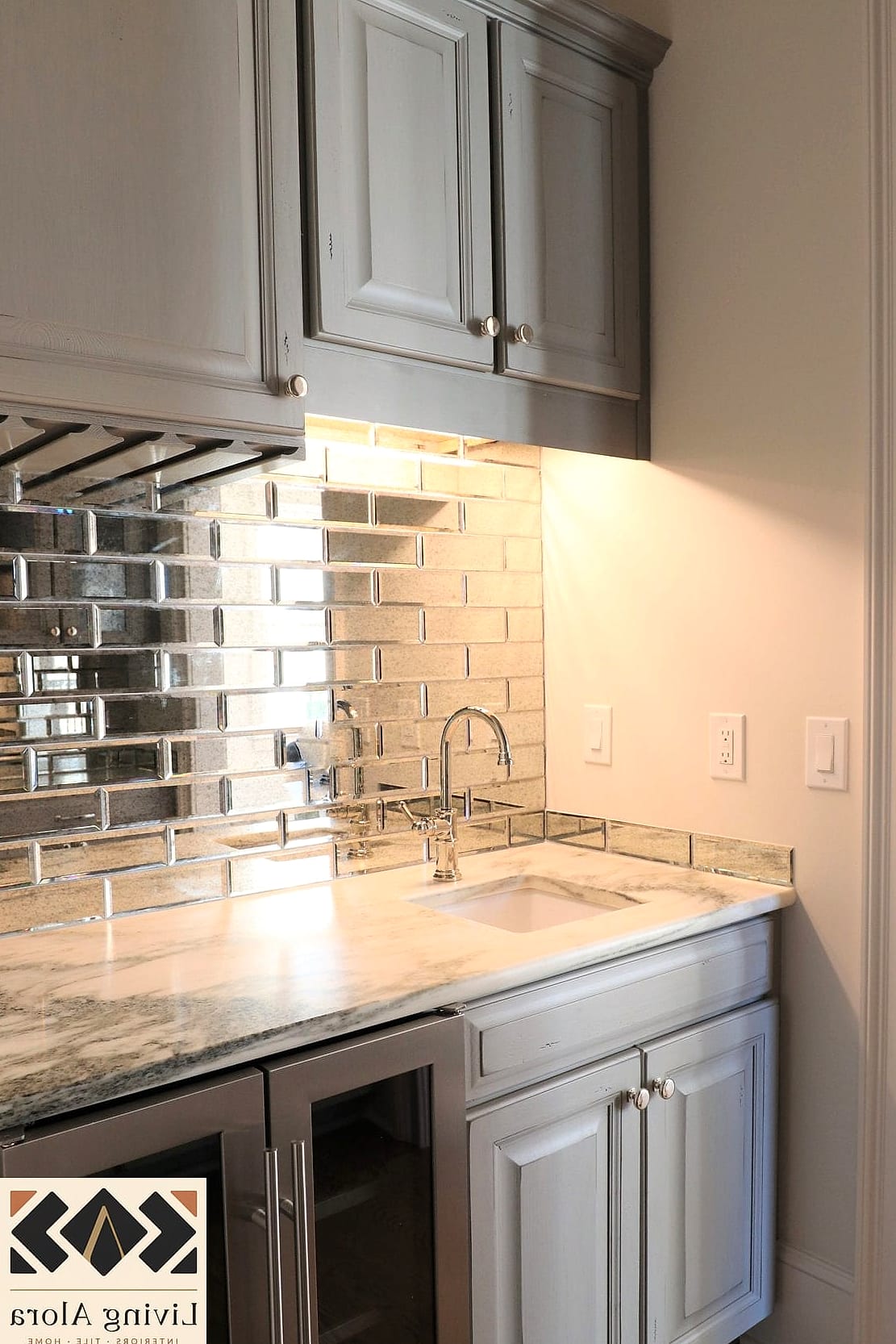
Mirror as a backsplash alternative sounds unconventional, but it makes small kitchens feel noticeably larger by bouncing light around. Smoked or antiqued mirror softens the reflection so it doesn’t feel too stark. This tends to work best in kitchens with minimal cooking splatter, like a wet bar or coffee nook. It’s a striking, glam-adjacent option that most tile simply can’t replicate.
Textured Limewash Paint

Limewash has a soft, cloudy quality that regular paint just doesn’t achieve. It’s breathable, naturally antimicrobial, and gives walls a lived-in, artisanal feel. Many homeowners are pairing it with warm wood tones and matte black fixtures for an earthy, European-inspired kitchen. It does require a bit more care during application, so following the manufacturer’s instructions closely matters here.
Slab Marble or Quartz Panel
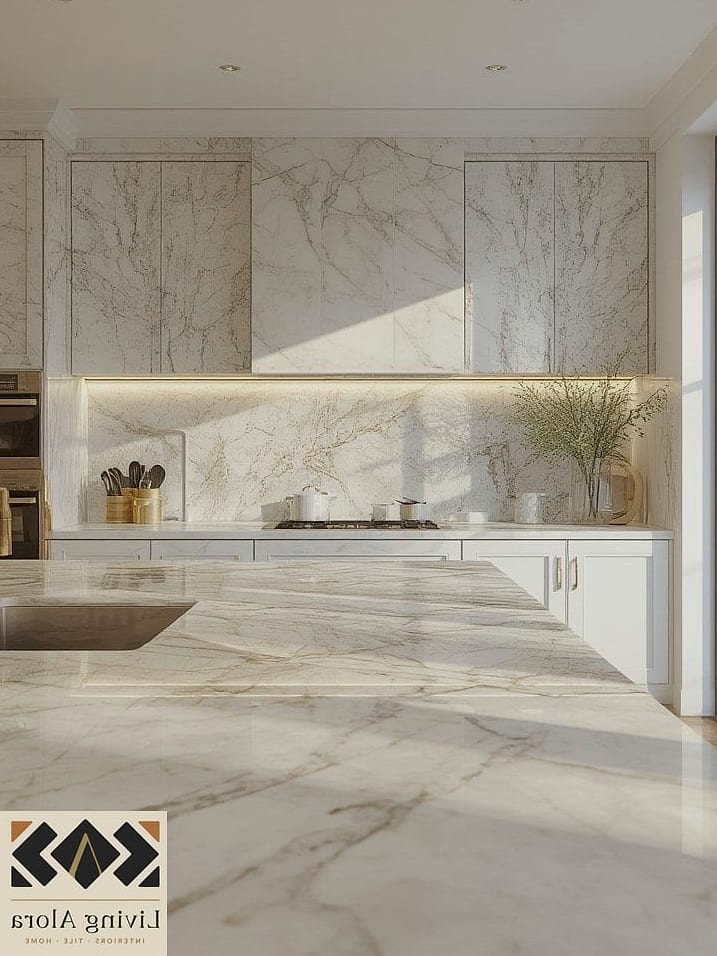
A single slab panel behind the range delivers major visual impact without a single grout line. The dramatic veining in marble or engineered quartz becomes the kitchen’s centerpiece. This is a splurge-worthy option, but many homeowners find it worth the investment for how seamless and easy to clean it is. Porcelain slab is a slightly more budget-conscious alternative with a similar high-end look.
Reclaimed Wood Accent Wall
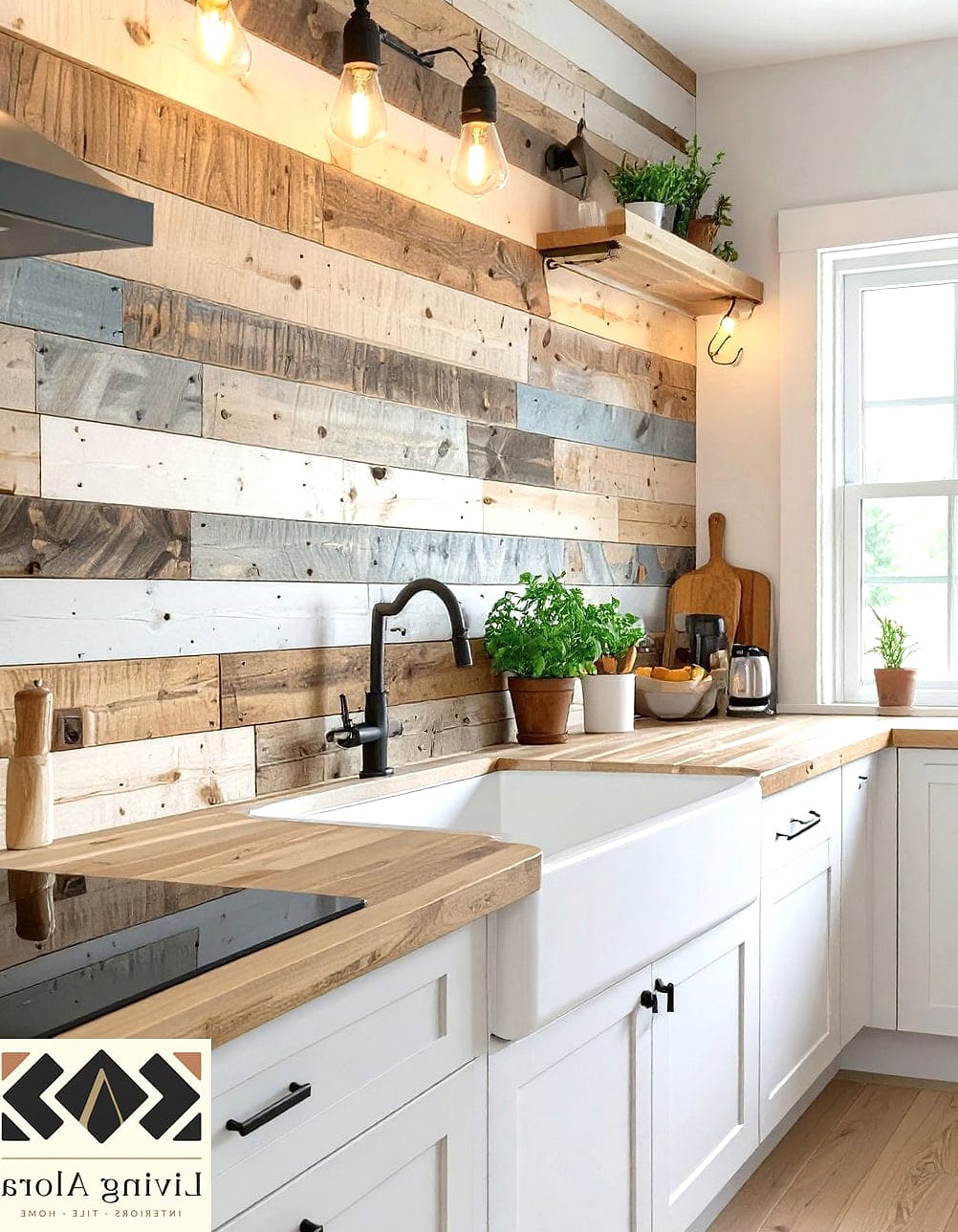
For a rustic, character-filled kitchen, reclaimed wood boards installed behind open shelving bring instant warmth. Every board tells a slightly different story through its grain and imperfections. Seal it well since raw wood absorbs moisture and odors more than finished surfaces. This pairs naturally with black fixtures and vintage-inspired hardware.
Corrugated Metal Accent
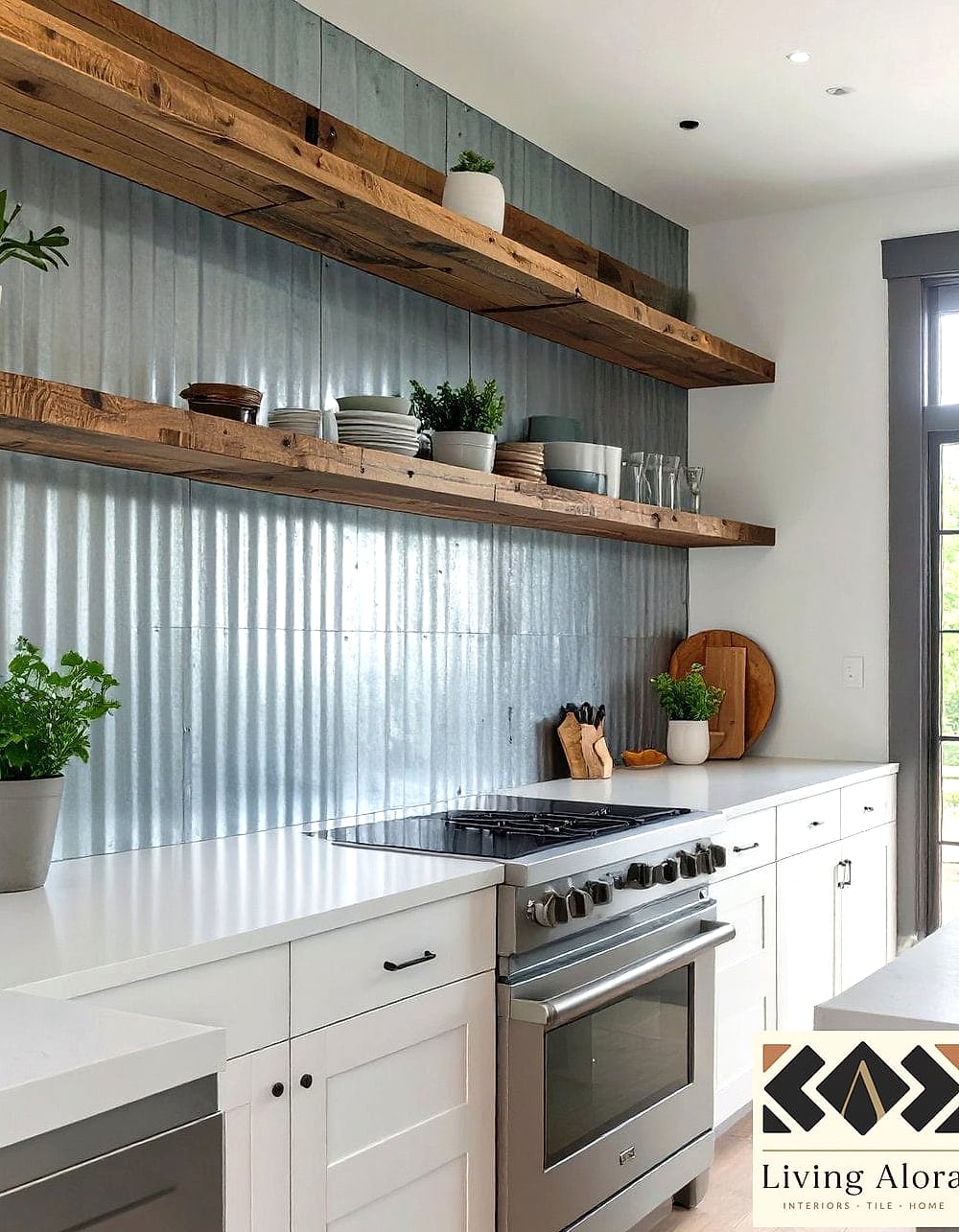
Corrugated or ribbed metal panels add unexpected texture and read as more industrial-farmhouse than sleek stainless steel. They’re lightweight, relatively inexpensive, and simple enough for a confident DIYer to install. The ridges do collect a bit more dust than a flat panel, so occasional wiping is part of the deal. It’s a fun way to add visual interest to an otherwise neutral kitchen.
Neutral Color-Blocked Paint

Instead of one flat wall color, some kitchens are using two tones divided by a horizontal line to mimic the look of a backsplash without any material at all. A deeper shade on the lower half and a lighter one above adds dimension cheaply. This is an especially good renter-friendly trick since it’s just paint. It photographs beautifully too, if that matters to you.
Glass Panel Backsplash Alternative

Tempered glass panels installed flush against the wall give you a smooth, grout-free surface that’s genuinely easy to sanitize. Frosted or tinted glass hides smudges better than clear glass does. It suits modern and minimalist kitchens especially well, and it can be backlit for a subtle glow at night. Installation typically requires a professional for a clean, secure fit.
Vertical Wood Slat Wall

Slat walls have moved beyond living rooms and into kitchens, especially behind open shelving or a coffee bar. The vertical lines add height and a warm, textural note that tile can’t quite replicate. This works well in both small and large kitchens since the scale adjusts easily. A sealed finish keeps it wipeable enough for daily use.
Painted Brick for a Softer Look

If exposed brick feels too raw for your taste, painting it white or a soft neutral tones things down while keeping the texture. It’s a popular choice in cottage and modern farmhouse kitchens alike. A washable paint finish makes cleanup manageable near cooking zones. This is also a great way to unify brick with the rest of your color palette.
Stucco or Venetian Plaster Hood Surround

Rather than covering the whole wall, some kitchens focus texture just around the range hood. A plastered or stuccoed hood surround becomes a sculptural focal point while the rest of the wall stays simply painted. This is a nice middle ground for homeowners who want one standout feature without committing to a full wall treatment. It photographs beautifully in natural light.
Laminate Panels for Budget Kitchens
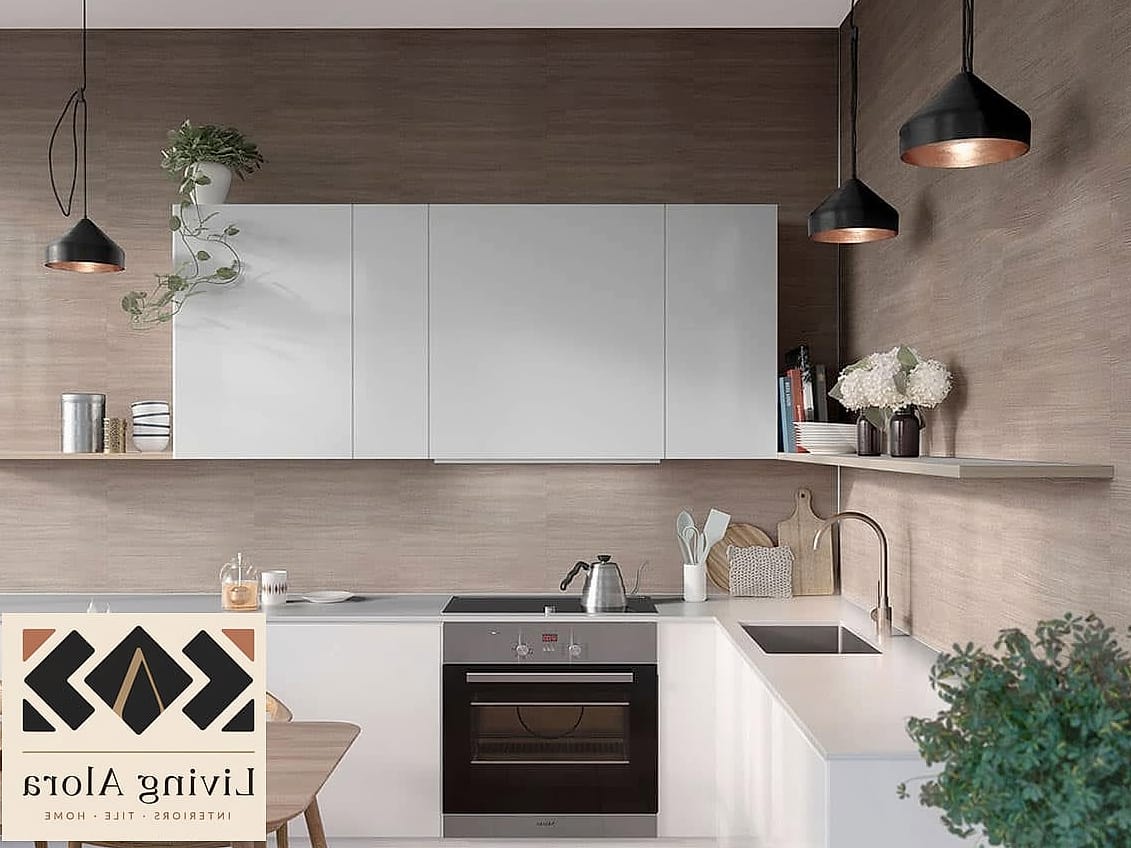
Laminate has improved a lot in recent years, and today’s options can convincingly mimic stone, wood, or concrete at a fraction of the cost. It’s lightweight, easy to cut, and genuinely approachable for a DIY installation. This is a smart pick for rental kitchens or first homes where budget matters more than luxury materials. Cleanup is as simple as wiping with a damp cloth.
Open Pegboard Wall

Pegboard isn’t just for garages anymore. Painted to match your kitchen and outfitted with hooks, small shelves, and hanging utensils, it turns a plain wall into functional storage. This is a particularly clever solution for small kitchens that need extra organization without extra cabinets. It also gives you the flexibility to rearrange things anytime your needs change.
Warm Terracotta Paint Wall

A rich, warm-toned wall paint behind the stove can stand in beautifully for a backsplash, especially in kitchens leaning into a Mediterranean or Spanish-inspired palette. Terracotta, rust, and clay tones pair naturally with brass fixtures and natural wood. A washable finish keeps maintenance simple. It’s a bold choice, but one that photographs and lives beautifully.
Floating Wood Shelf with Wall Left Bare

Sometimes less really is more. A single floating shelf with a plain painted wall behind it lets your dishware and decor do the visual work. This minimalist approach suits small kitchens that can’t afford visual clutter. It’s about as low-maintenance and low-cost as backsplash alternatives get.
Board and Batten Detail

Board and batten brings architectural interest through vertical strips of trim applied over a painted or textured wall. It’s more dimensional than flat paint but still far simpler than tile installation. This look suits traditional and modern farmhouse kitchens especially well. A quality paint finish makes it easy to keep clean around cooking areas.
Statement Range Hood as the Focal Point
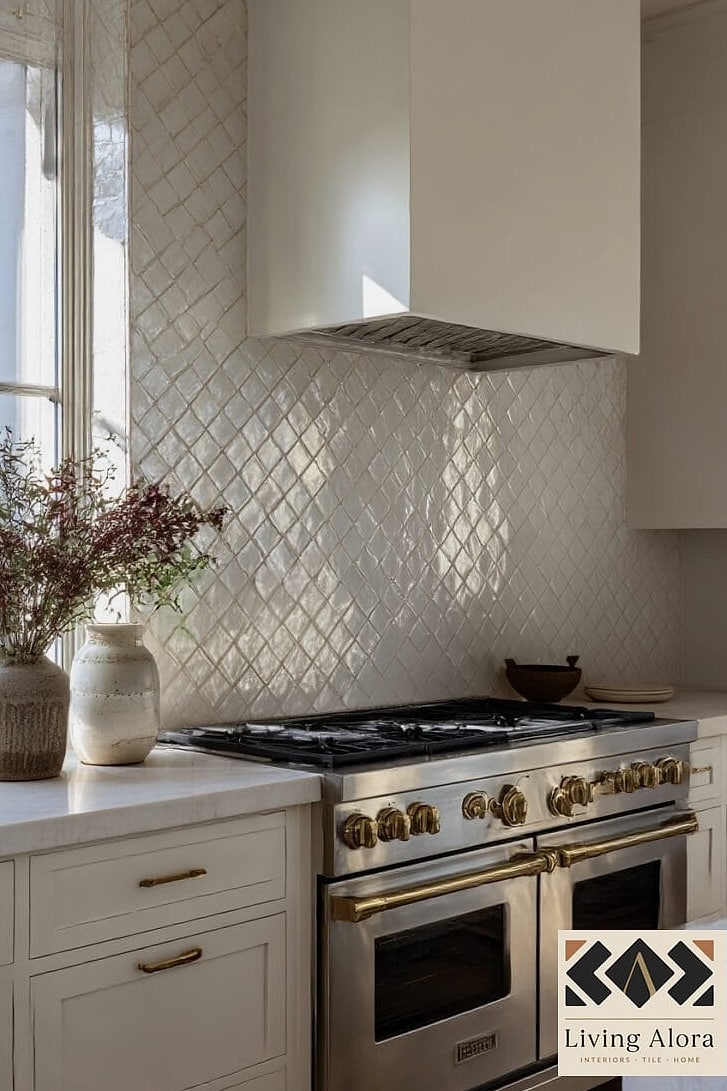
Instead of a backsplash, let your range hood carry the visual weight. A plastered, wood-clad, or copper hood draws the eye upward and makes the surrounding wall almost an afterthought. This works in kitchens of any size, though it makes an especially strong impact in larger, open-concept layouts. Pair it with a simple painted wall behind for a clean, uncluttered finish.
Skipping a traditional backsplash doesn’t mean skipping style. Plenty of these ideas cost less, install faster, and clean up easier than tile ever could, while still giving your kitchen real personality. The right choice really comes down to your budget, your cooking habits, and how much maintenance you’re willing to take on. There’s no rule that says a kitchen needs grout lines to look finished.