9 Subway Tiles Ideas We Can’t Stop Pinning
- Classic White Subway Tile with Bright White Grout
- White Subway Tile with Dark Grout
- Herringbone Subway Tile Layout
- Colored Subway Tile for a Statement Wall
- Vertical Subway Tile Installation
- Stacked Subway Tile Pattern
- Subway Tile with Mosaic Accent Border
- Extra-Long Subway Tile for a Modern Look
- Textured or Handmade-Look Subway Tile
9 Subway Tiles Ideas We Can’t Stop Pinning
Subway tile has been around for over a century, and honestly, it’s not going anywhere. There’s something about those clean rectangular lines that just works in almost any kitchen or bathroom, no matter what era your house was built in.
But here’s the thing — subway tile today looks nothing like the plain white rectangles your grandma had in her bathroom. Designers have gotten creative with colors, layouts, grout choices, and even the shape of the tile itself. So we rounded up nine subway tile ideas we can’t stop pinning, and we think you’ll want to save a few of these too.
Classic White Subway Tile with Bright White Grout
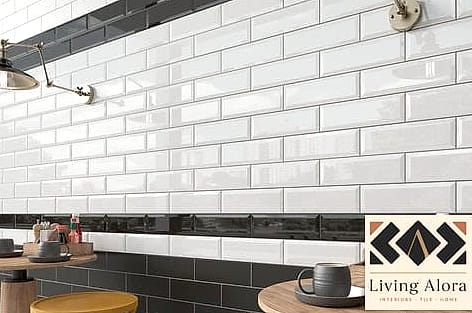
Let’s start with the original. There’s a reason this look has stuck around since the early 1900s subway stations it’s named after.
White subway tile with matching white grout gives you that crisp, clean, almost gallery-like feel. It bounces light around a room beautifully, which makes it a great pick for smaller kitchens or bathrooms that could use a little visual expansion.
This combo works especially well in farmhouse kitchens, coastal-inspired spaces, or anywhere you want a backdrop that won’t compete with bold cabinetry or statement countertops. Pair it with brushed brass hardware for warmth or black fixtures for contrast — both look fantastic against that bright white base.
The downside? White grout shows dirt and grease splatters faster than darker options, so you’ll want to seal it well and wipe it down regularly, especially behind the stove. A good tile and grout cleaner kept under the sink makes this a five-minute weekly task rather than a dreaded deep clean.
White Subway Tile with Dark Grout

If you love the classic subway look but want a little more definition, swapping in charcoal or black grout changes everything. Suddenly each tile pops individually instead of blending into one flat surface.
This is one of those upgrades that instantly makes a kitchen feel more custom without requiring a full renovation. It’s especially popular in modern farmhouse and industrial-style spaces where you want texture and contrast without introducing another color.
Dark grout also happens to be way more forgiving when it comes to maintenance. It hides minor stains and grime far better than white grout, which makes it a smart pick for busy family kitchens or rental properties where you want something low-fuss.
Just know that dark grout can sometimes read a little heavier visually, so it tends to work best in kitchens with plenty of natural light or open shelving to keep things feeling airy.
Herringbone Subway Tile Layout
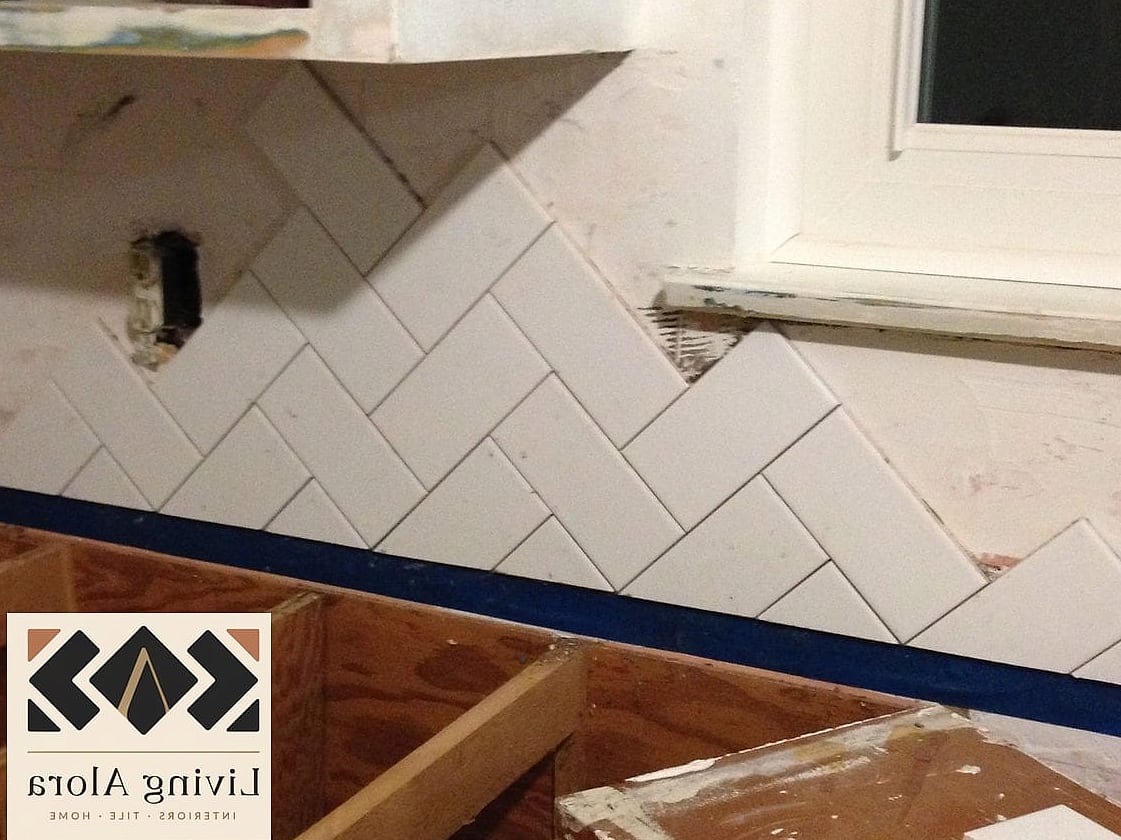
Skip the standard brick pattern and lay your subway tiles in a herringbone arrangement instead. It’s the same basic tile, just installed at an angle so each row zigzags into the next.
This layout adds serious movement and visual interest to a backsplash or shower wall. It reads as more upscale and intentional, which is probably why you see it so often in higher-end kitchen renovations and boutique hotel bathrooms.
Herringbone works beautifully in both neutral palettes and bold colors. A soft sage green herringbone backsplash feels fresh and a little unexpected, while a classic white herringbone pattern still delivers that elevated, custom look.
Fair warning — this layout takes more time and precision to install than a standard grid, so it’s not always the friendliest DIY project. If you’re comfortable with tile work it’s doable, but many homeowners bring in a pro for this one to avoid uneven cuts along the edges.
Colored Subway Tile for a Statement Wall
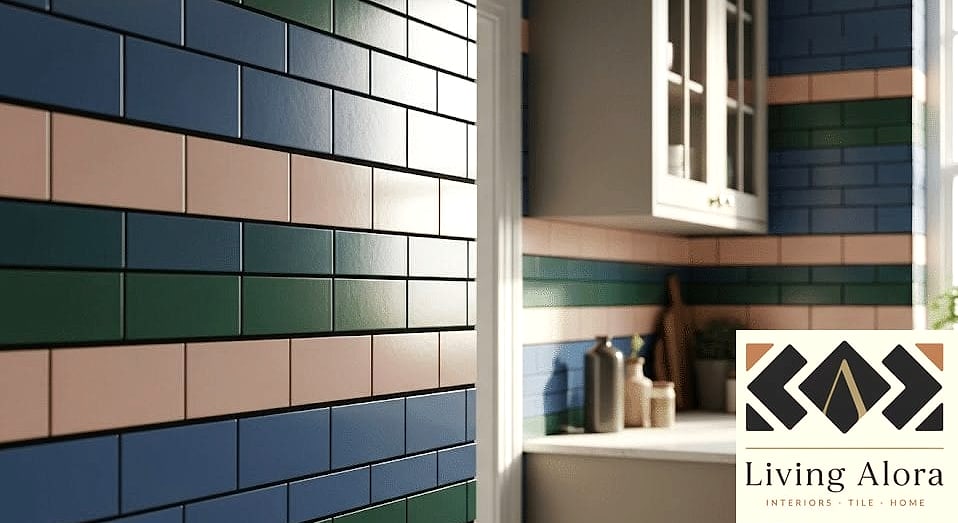
White isn’t the only option anymore, and honestly, colored subway tile might be having its biggest moment yet. Think deep navy, forest green, terracotta, or even a soft dusty blue.
A colored subway backsplash gives your kitchen personality without going full accent wall with paint or wallpaper. It’s a great middle ground if you want color but aren’t ready to commit to something that’s hard to change later.
This idea works particularly well in kitchens with white or light wood cabinetry, since the contrast really lets the tile shine. It also pairs nicely with brass or matte black fixtures depending on whether you want a warm or moody vibe.
Since colored glazed tile is pretty durable and easy to wipe down, it’s a practical choice for families too — no more worrying about grease stains showing up as obviously as they would on plain white.
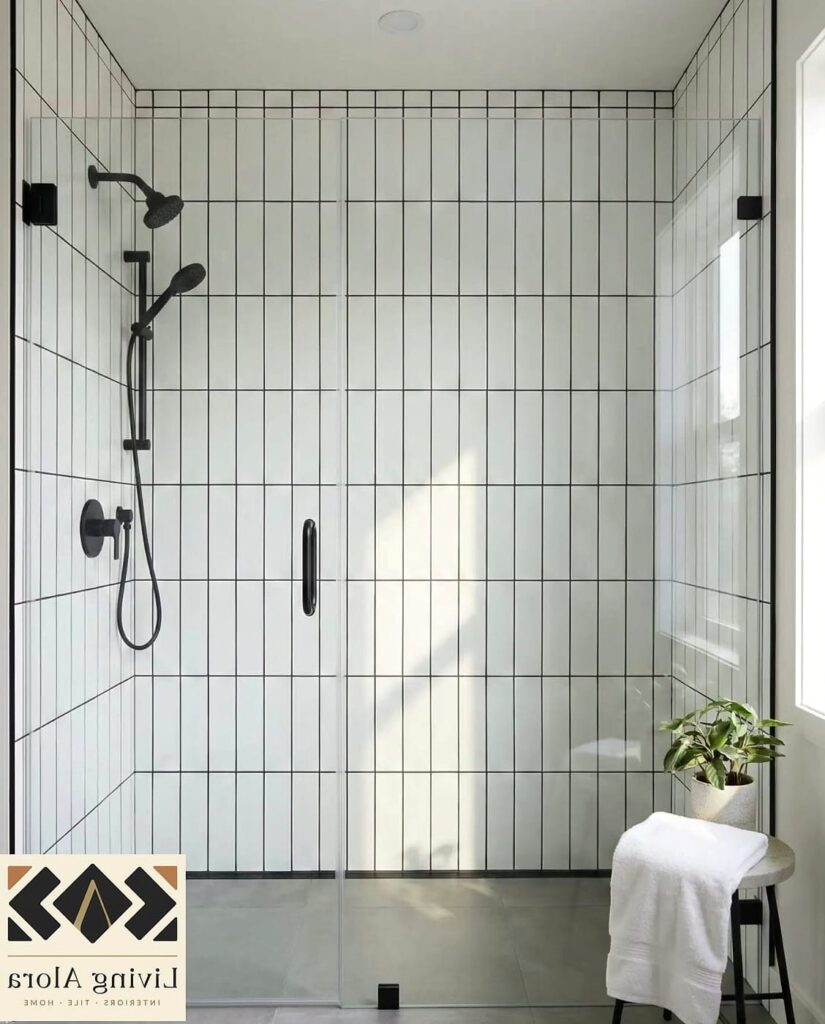
Vertical Subway Tile Installation
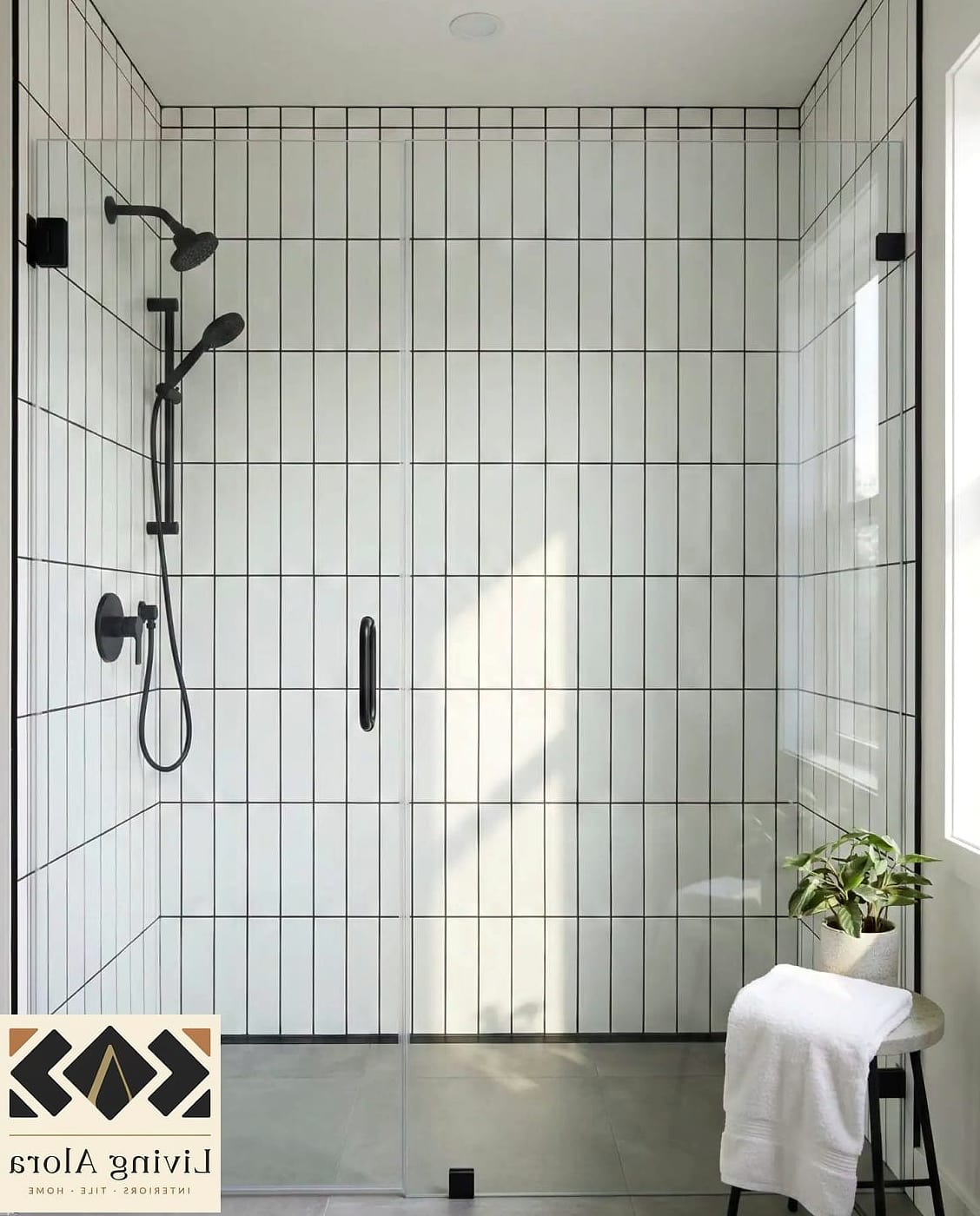
Turning your subway tiles on their side and installing them vertically instead of horizontally is a small change that makes a surprisingly big visual difference.
Vertical installation draws the eye upward, which can make ceilings feel taller and rooms feel more spacious. It’s a smart trick for smaller bathrooms or kitchens where you want to create the illusion of extra height.
This layout tends to look especially sharp behind a range or as a shower surround, where that upward line really gets to shine. It also pairs well with a stacked (rather than staggered) grout pattern for an even more streamlined, modern look.
Since it’s still the same basic tile and grid concept, vertical installation is fairly DIY-friendly if you’ve done tile work before. Just double check your tile spacers and level frequently, since any lean becomes more noticeable when the lines run vertically.
Stacked Subway Tile Pattern

Instead of the traditional staggered brick pattern, stacked subway tile lines each tile up directly on top of the one below it, creating clean vertical and horizontal grid lines.
This layout has a distinctly modern, almost minimalist feel. It’s a favorite in contemporary kitchens and bathrooms where the goal is clean geometry rather than the softer, more traditional brick look.
Stacked patterns look especially sharp with larger format subway tiles, like 4×12 or 4×16 sizes, since the bigger grid lines are more visually striking. Pair it with matte black grout for maximum contrast or a matching tone-on-tone grout for a more subtle, seamless finish.
One practical note: stacked layouts require precise cuts and consistent spacing, since any inconsistency is much more obvious than it would be in a staggered pattern. This is another one where hiring a professional tile installer can really pay off.
Subway Tile with Mosaic Accent Border

If you love subway tile but want a little extra flair, adding a mosaic tile border or accent strip is an easy way to dress things up without overwhelming the space.
This works great as a decorative band running along the top of a backsplash, right below your upper cabinets, or as a framed accent around a stove area. It gives you that custom, designer touch without tiling an entire wall in a busy pattern.
Marble mosaic accents in particular look gorgeous paired with white subway tile — think small hexagon or basketweave mosaic tiles in a soft gray or beige marble. It adds texture and a bit of luxury without a huge price tag increase.
Budget-wise, this is a nice option if you want a high-end look but can’t justify tiling your whole kitchen in natural stone. You get the visual impact in a smaller, more affordable dose.
Extra-Long Subway Tile for a Modern Look
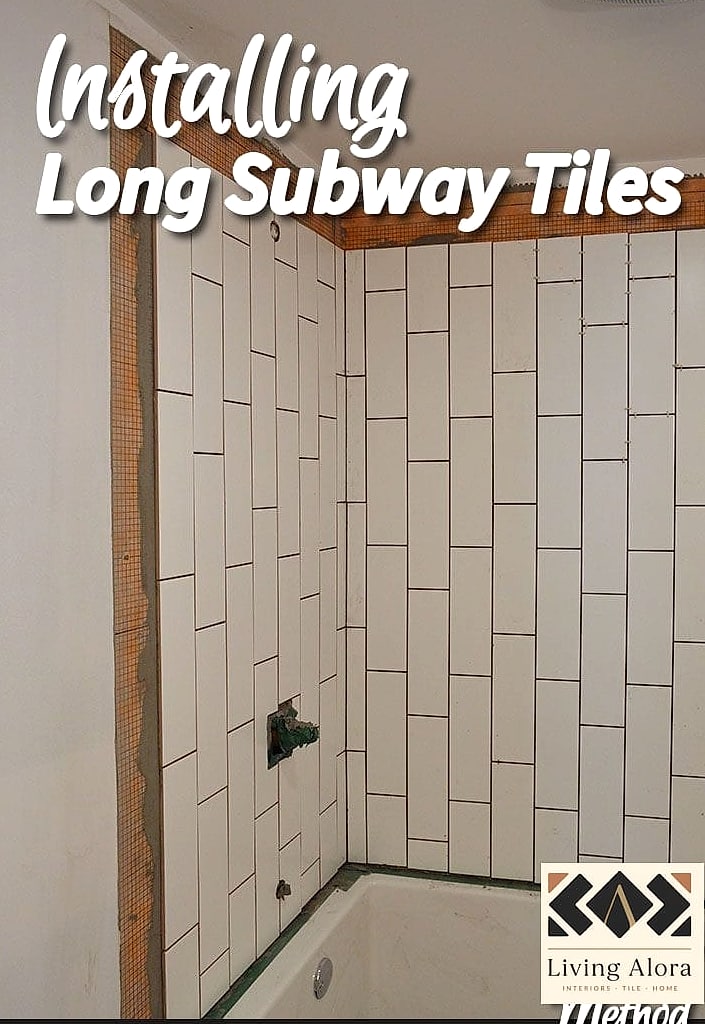
Traditional subway tile usually comes in around a 3×6 size, but longer formats like 4×12 or even 4×16 have become a go-to for a more contemporary, streamlined feel.
The longer the tile, the fewer grout lines you end up with, which creates a cleaner, more continuous look across your backsplash or shower wall. It reads as more modern and minimal compared to smaller, more traditional sizes.
This size works beautifully in both horizontal brick patterns and vertical installations, and it’s particularly striking in matte finishes. A matte white or warm greige tone in this larger format gives you that soft, sophisticated look that’s been trending in kitchen design lately.
Fewer grout lines also means less grout to clean, which is a nice practical bonus if low-maintenance surfaces are high on your priority list.
Textured or Handmade-Look Subway Tile
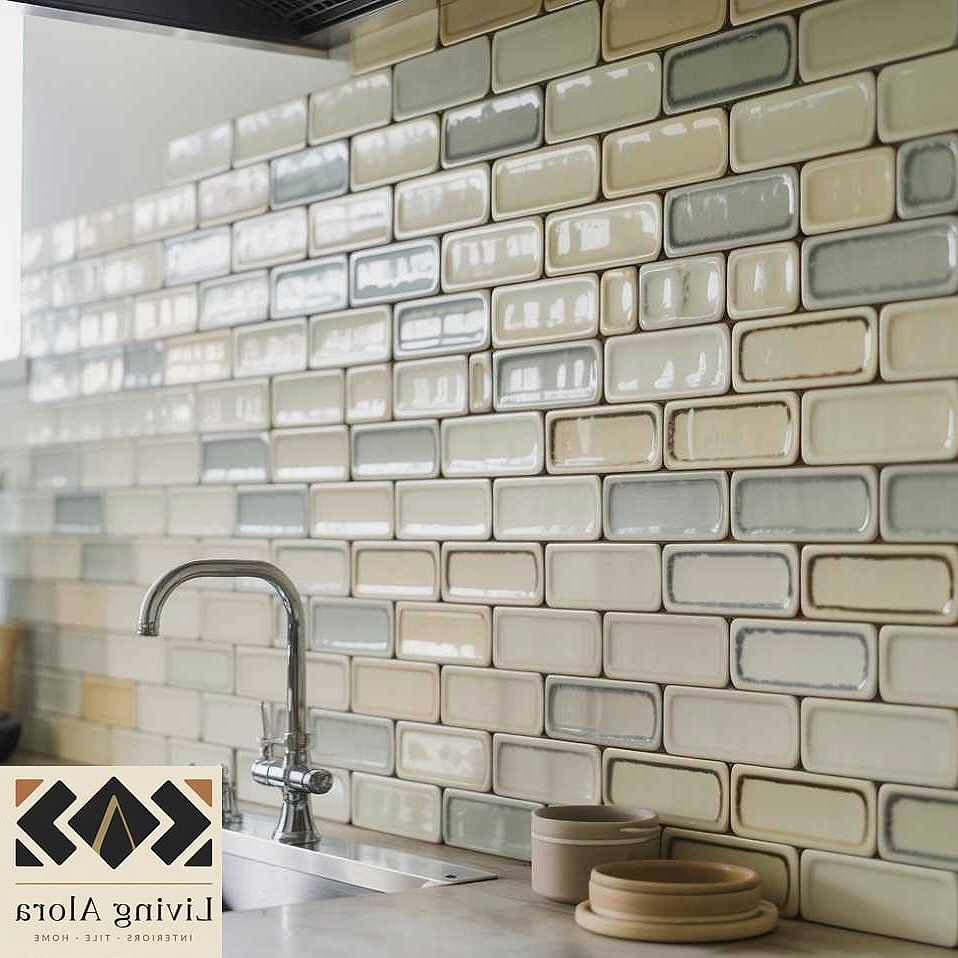
For something with a little more character, textured subway tile — sometimes called zellige-inspired or handmade-look tile — brings in subtle variation, imperfect edges, and a slightly glossy, uneven surface.
Each tile reflects light a little differently, which gives the whole wall a soft, almost rippled appearance. It’s a beautiful option if you want the classic subway shape but crave more warmth and depth than a flat, mass-produced tile can offer.
This style shines in kitchens leaning into an organic, European-inspired look, or bathrooms going for a spa-like, artisanal feel. Pair it with warm wood tones and natural stone countertops for a space that feels layered and collected rather than builder-grade.
Keep in mind that authentic handmade zellige tile tends to come with a higher price tag and can require more careful installation due to its irregular shape. If you love the look but want something more budget-friendly and DIY-approachable, there are plenty of ceramic tiles designed to mimic that same handmade texture at a fraction of the cost.
Whether you’re drawn to the timeless classic white look or something bolder like a colored statement wall, subway tile really does offer something for every style and budget. That’s probably exactly why we keep coming back to these 9 subway tiles ideas we can’t stop pinning — there’s just so much room to make the look your own.