9 Latest Kitchen Ideas Worth Stealing From Interior Designers
- Warm Wood Cabinetry Instead of All-White
- Statement Ceilings Above the Kitchen
- Zellige Tile Backsplashes
- Furniture-Style Kitchen Islands
- Open Shelving Mixed With Closed Cabinets
- Layered Lighting Over a Single Overhead Fixture
- Curved Cabinetry and Soft Edges
- Hidden Storage and Appliance Garages
- Two-Tone Cabinet Combinations
9 Latest Kitchen Ideas Worth Stealing From Interior Designers
Kitchen trends come and go, but every once in a while a handful of ideas show up that actually deserve the hype. I’ve been paying attention to what designers keep bringing up lately, and there’s a clear pattern: people want kitchens that feel warm, personal, and a little less matchy-matchy than the all-white boxes we saw everywhere for the last decade. These nine ideas are the ones worth stealing, whether you’re planning a full remodel or just want to update a few things without tearing your kitchen apart.
Warm Wood Cabinetry Instead of All-White
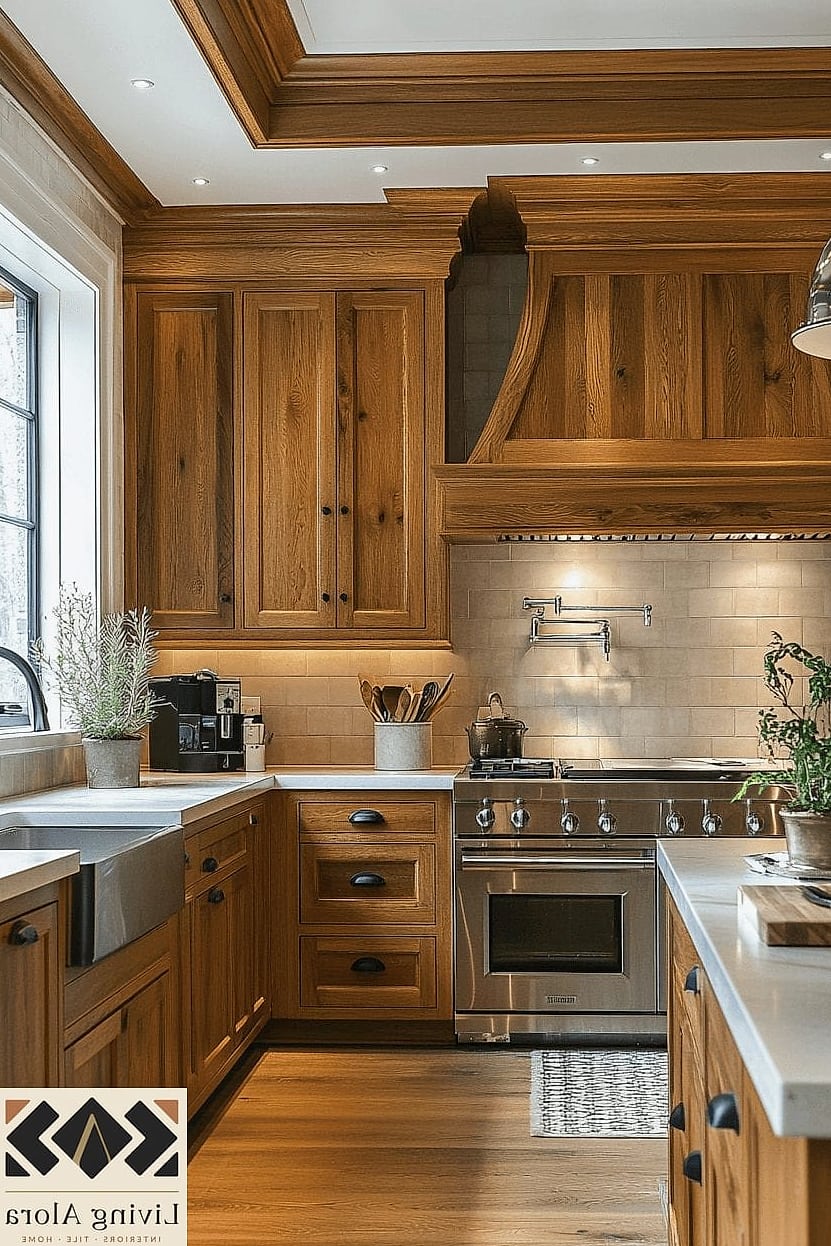
White kitchens aren’t going anywhere, but designers are leaning hard into warm wood tones as a fresh alternative. Think natural oak, walnut, or even a lightly stained maple instead of stark white or gray cabinets.
This works especially well in kitchens that get a lot of natural light, since the wood grain really shows off its character. It also hides everyday fingerprints and smudges better than a glossy white finish, which is a small win if you’ve got kids or pets running through the kitchen.
Budget-wise, you don’t have to replace every cabinet to get this look. A lot of homeowners are refacing just their lower cabinets in wood while keeping upper cabinets painted, which cuts costs significantly. Pair it with brushed brass or matte black hardware and you’ve got an instantly custom feel.
Statement Ceilings Above the Kitchen
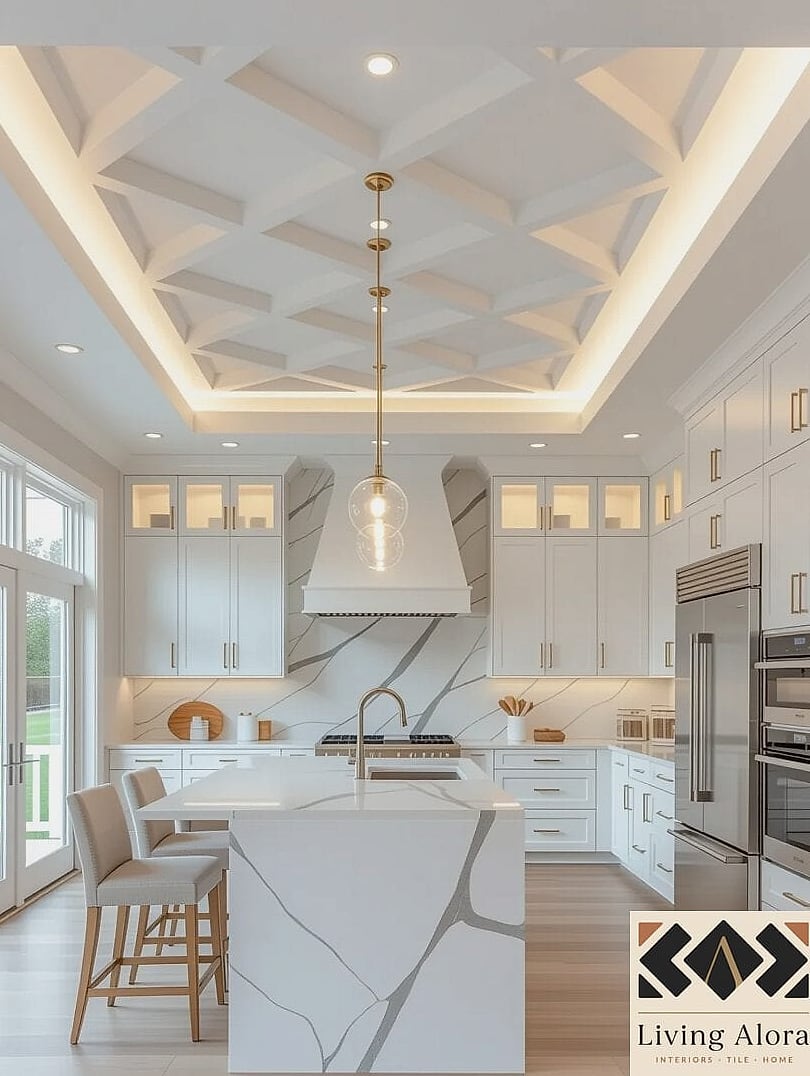
This one surprised me at first, but it makes sense once you see it. Instead of treating the ceiling as an afterthought, designers are adding wood beams, beadboard, or even a bold paint color up there to give the room more personality.
It works particularly well in kitchens with higher ceilings, where there’s extra visual space that usually goes unused. A painted ceiling in a deep green or navy can make the room feel cozier without taking up any floor space, which is great news if your kitchen is on the smaller side.
For a DIY-friendly version, peel-and-stick beadboard panels are a low-commitment way to test the look before committing to something permanent. It’s renter-friendly too, since most peel-and-stick options come off cleanly.
Zellige Tile Backsplashes
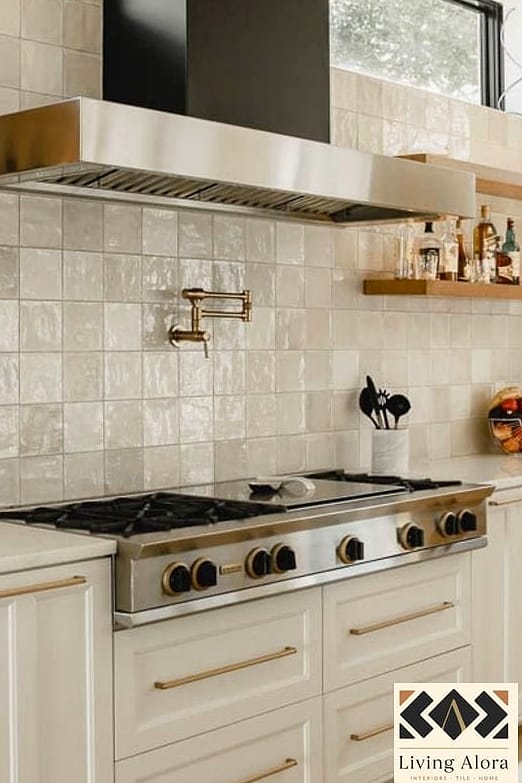
Subway tile had a great run, but zellige tile is what designers keep pointing to right now. These handmade Moroccan tiles have a slightly irregular, textured surface that catches light differently across the wall, so no two tiles look exactly alike.
It’s a great fit for kitchens that already lean traditional or Mediterranean, but honestly it softens even a modern kitchen in a nice way. The imperfect glaze gives the whole space a handcrafted feel that mass-produced tile just can’t replicate.
One thing worth knowing: real zellige tile is pricier and can require more careful installation because of its uneven edges, so budget a little extra for labor. If you love the look but not the price tag, there are ceramic tiles designed to mimic that same textured, handmade appearance for a fraction of the cost.
Furniture-Style Kitchen Islands
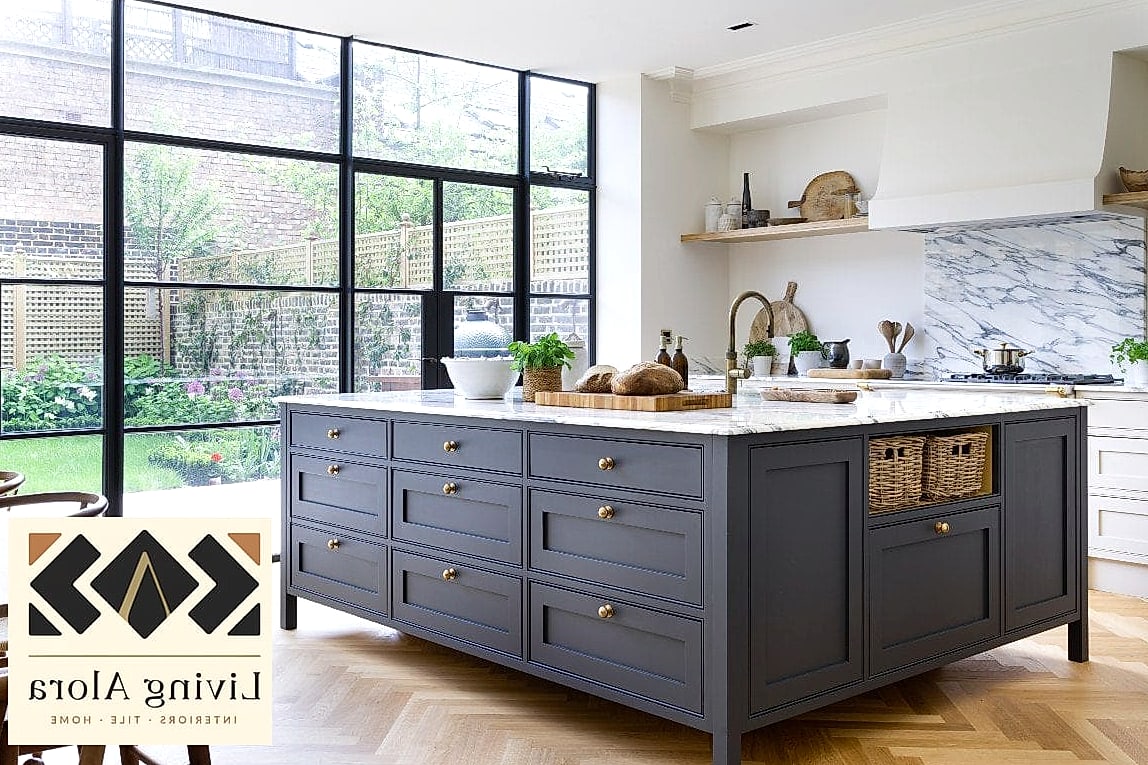
Instead of an island that matches the rest of the cabinetry, designers are treating the island like a standalone piece of furniture. Picture a different wood tone, a contrasting paint color, or even a vintage-inspired base with turned legs.
This idea works best in kitchens with an open layout, where the island is visible from the living or dining area and can act almost like a centerpiece. It gives the whole space a collected-over-time feel instead of looking like everything came from the same showroom.
A popular version right now pairs a butcher block countertop on the island with quartz everywhere else, which also happens to be practical since butcher block is great for food prep right where you need it.
Open Shelving Mixed With Closed Cabinets
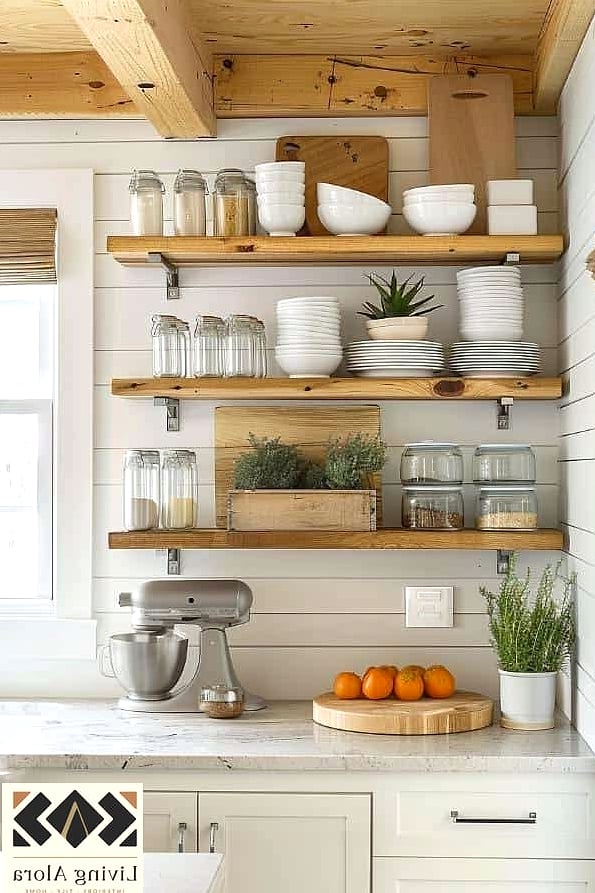
Fully open shelving looked great in magazines but proved a little high-maintenance for daily life (dust and clutter, anyone?). So designers found a middle ground: a section or two of open shelving mixed in with regular cabinets.
This works well above a coffee station or next to a range, where you actually want your favorite mugs, cutting boards, or cookbooks on display. Keep the rest of your storage behind closed doors so the everyday mess stays hidden.
Floating shelves in wood or a painted finish that matches your cabinets keep things cohesive. If you’re worried about dust, stick to items you use often enough that they don’t sit long enough to collect it.
Layered Lighting Over a Single Overhead Fixture
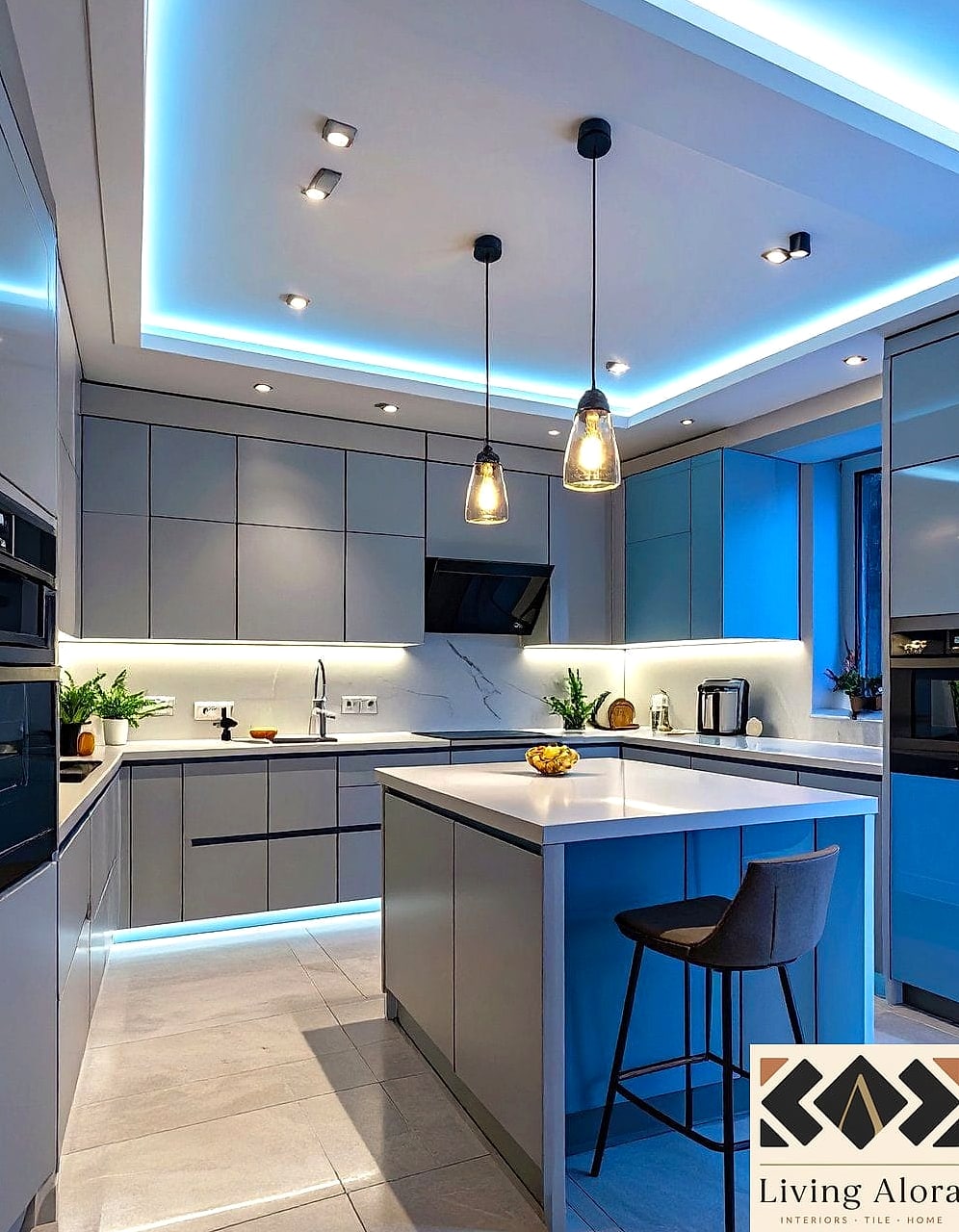
One overhead light is no longer cutting it in a well-designed kitchen. Designers are layering task lighting under the cabinets, pendant lighting over the island, and ambient lighting throughout so the room can shift from bright and functional to warm and moody depending on the time of day.
This is especially useful in kitchens that double as a hangout spot for entertaining, since you can dim things down in the evening without losing visibility where you actually need it, like over the stove or sink.
Under-cabinet LED strips are one of the easiest upgrades here and are pretty doable as a weekend DIY project. Pendant lights over the island are the finishing touch that makes the whole space feel intentional rather than builder-grade.
Curved Cabinetry and Soft Edges
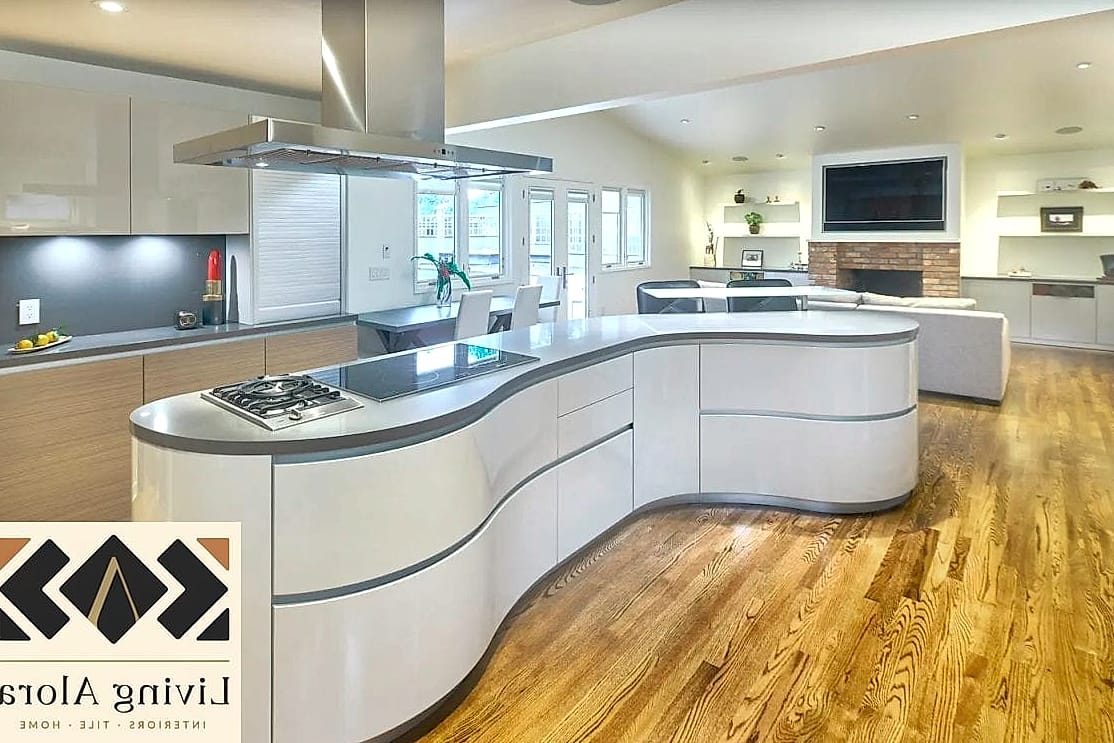
Sharp, boxy cabinets are getting a softer counterpart this year. Curved cabinet corners, rounded islands, and arched openings are showing up in more kitchen designs, and it genuinely changes the feel of a room from clinical to inviting.
This is a nice option for kitchens where the layout has tight corners or awkward angles, since a curved edge can make foot traffic flow more naturally around the space. It’s also just easier on little ones who tend to bump into sharp corners.
Custom curved cabinetry does come with a higher price tag, but even adding one curved element, like a rounded island end or an arched range hood, can bring in that softer look without redoing the whole kitchen.
Hidden Storage and Appliance Garages
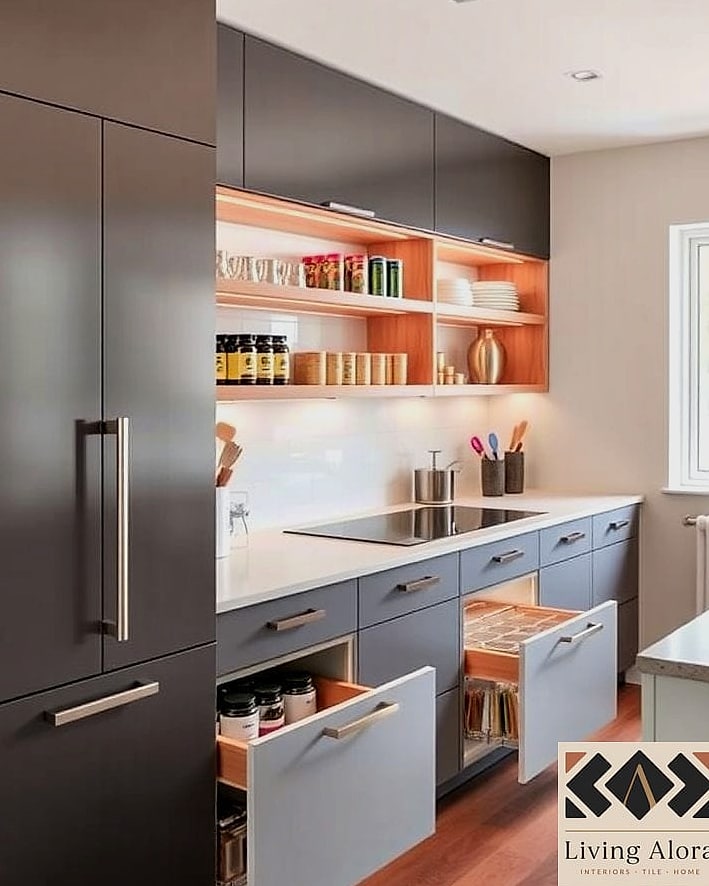
Countertop clutter is the enemy of a clean-looking kitchen, and designers are solving it with dedicated storage built specifically to hide it. Appliance garages tuck your coffee maker, toaster, and stand mixer behind a cabinet door or tambour panel so they’re out of sight but still within reach.
This is a smart move for smaller kitchens where counter space is limited, since it frees up prep room without sacrificing convenience. It’s also a great option for anyone who just prefers a minimal, clutter-free look on their counters.
Inside cabinets, drawer organizers and pull-out bins are doing a lot of heavy lifting too, keeping spices, lids, and cutting boards sorted instead of shoved into a random drawer. If you’re not ready for a full renovation, retrofitting your existing cabinets with organizers is a budget-friendly way to get similar results.
Two-Tone Cabinet Combinations
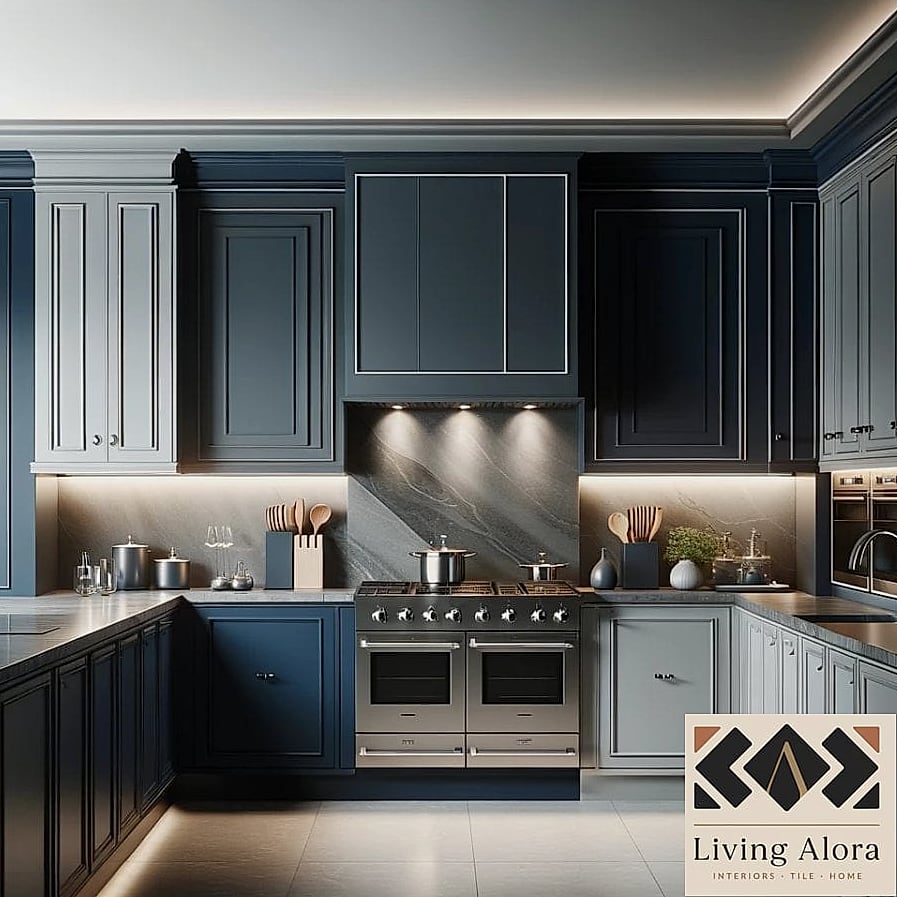
Rather than picking one color for every cabinet, designers are mixing two complementary tones, usually a deeper color on the lower cabinets and a lighter shade up top. It’s a simple way to add depth to the kitchen without going overboard.
This idea works in kitchens of pretty much any size, but it’s particularly flattering in smaller spaces where an all-dark palette might feel heavy. Keeping the upper cabinets lighter helps the room feel more open, while the darker lower cabinets ground the space and hide scuffs better.
Popular combinations right now include a sage or navy lower cabinet paired with white or cream uppers, or matte black lowers with warm wood uppers for something a bit more dramatic. If you’re painting cabinets yourself, this is an approachable weekend project that makes a noticeable difference.
Final Thoughts
None of these ideas require gutting your entire kitchen to make an impact. A lot of them, like layered lighting or open shelving, can be done in a weekend, while others, like curved cabinetry or zellige tile, are worth saving up for if they really speak to you.
The best approach is picking one or two that fit your space and your budget rather than trying to do everything at once. Kitchens that feel the most designed usually aren’t the ones that follow every trend, they’re the ones where a few thoughtful choices were made with the actual homeowner in mind.