7 Subway Tile Ideas to Inspire Your Next Renovation
7 Subway Tile Ideas to Inspire Your Next Renovation
Subway tile has been around for over a century, and honestly, it’s earned its staying power. It’s affordable, it’s easy to work with, and it fits just about any style you’re going for, from a cozy farmhouse kitchen to a sleek modern bathroom.
But here’s the thing — subway tile doesn’t have to mean the same white 3×6 rectangle your grandma had. There are so many ways to play with color, layout, and finish that make this classic material feel completely fresh. If you’re planning a kitchen or bathroom update, these seven ideas should get your creative wheels turning.
Classic White Subway Tile with a Modern Twist
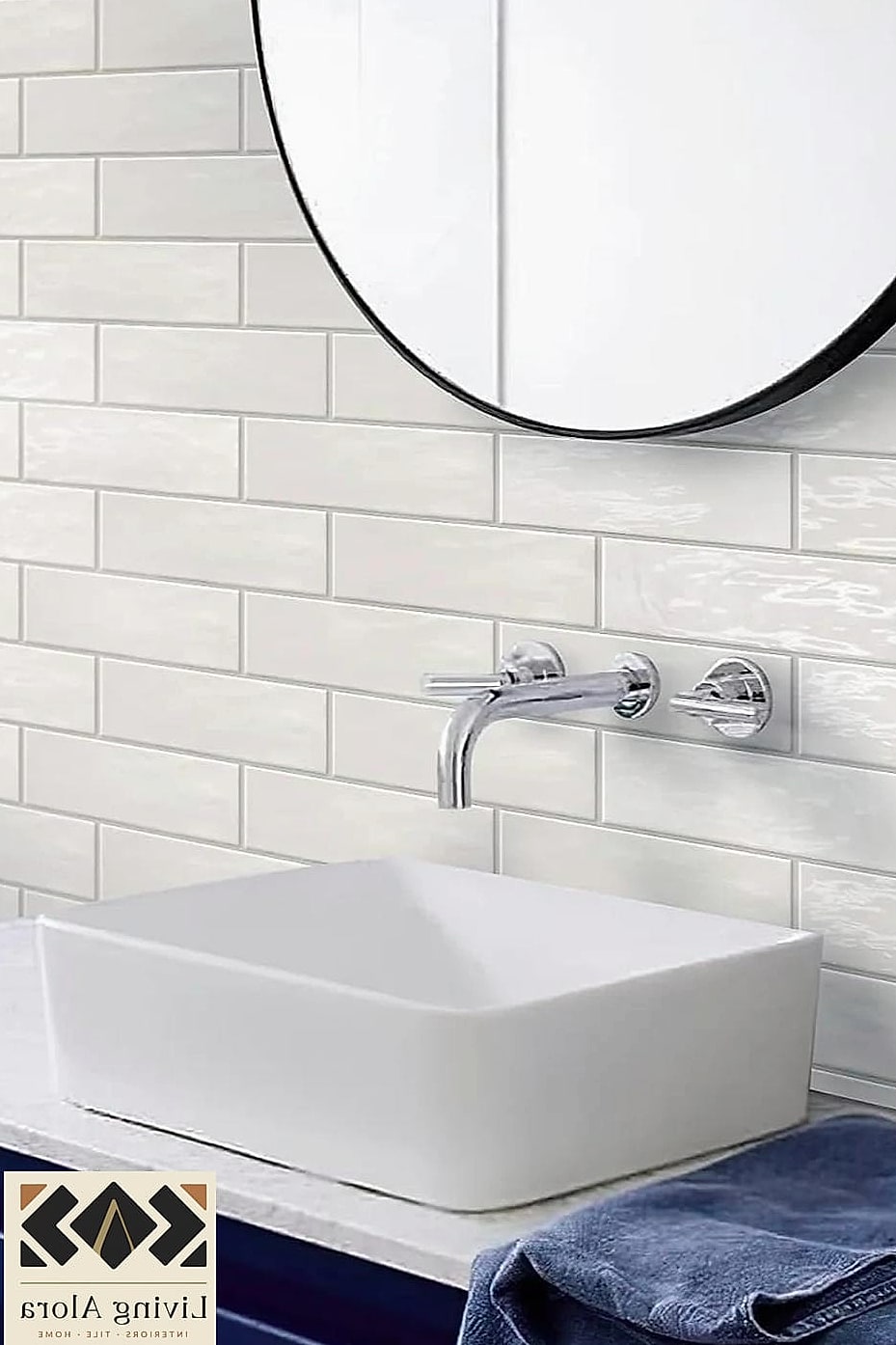
There’s a reason white subway tile never really goes out of style. It brightens up a space, bounces light around nicely, and works with pretty much every color palette you could dream up.
The trick to making it feel current instead of dated is in the details. Skip the bright white grout that was everywhere a decade ago and opt for a soft gray or greige grout instead — it adds a little contrast without looking harsh. Pairing the tile with brushed brass hardware or matte black fixtures also helps ground the look in something more contemporary.
This option works especially well in kitchens with warm wood tones or butcher block counters, since the tile keeps things light while the wood adds warmth. It’s also one of the more budget-friendly choices on this list, which makes it a smart pick if you’re renovating on a tighter timeline or budget.
Herringbone Subway Tile Layout
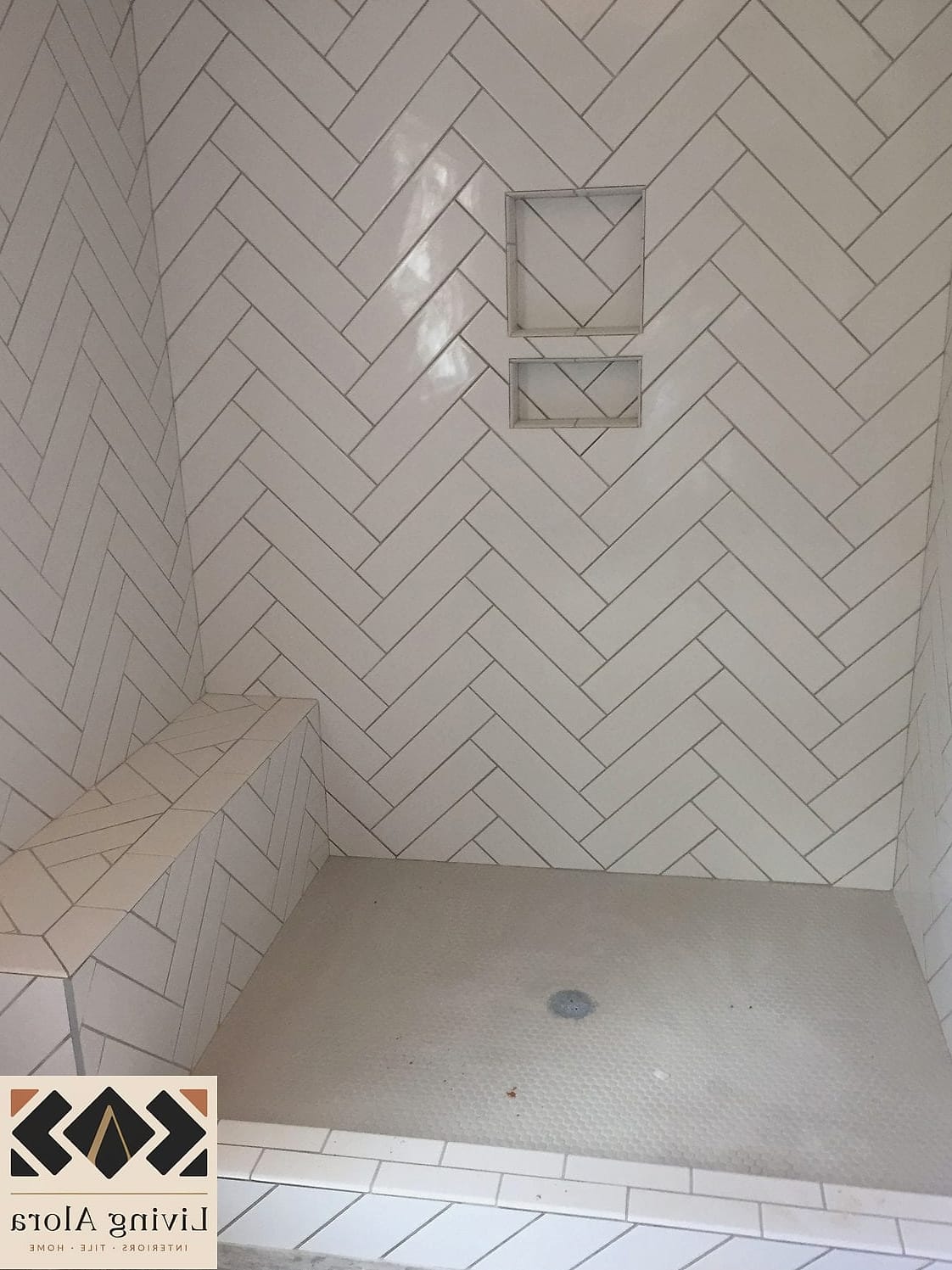
If you love the classic look of subway tile but want something with a bit more visual interest, laying it in a herringbone pattern is a great way to go. Instead of the standard brick-like stagger, the tiles are set at an angle, creating a zigzag effect that adds movement to a wall.
This layout tends to shine as a kitchen backsplash, especially behind a stove where it becomes a natural focal point. It also works beautifully in a shower surround, where the diagonal lines can make a small bathroom feel a little more dynamic.
Keep in mind that herringbone installation takes more precision than a straight-lay pattern, so this might be one to leave to a professional tile setter unless you’re an experienced DIYer. The extra labor cost is usually worth it, though, since the pattern alone can make a space feel custom-designed.
Colorful Subway Tile for a Bold Statement
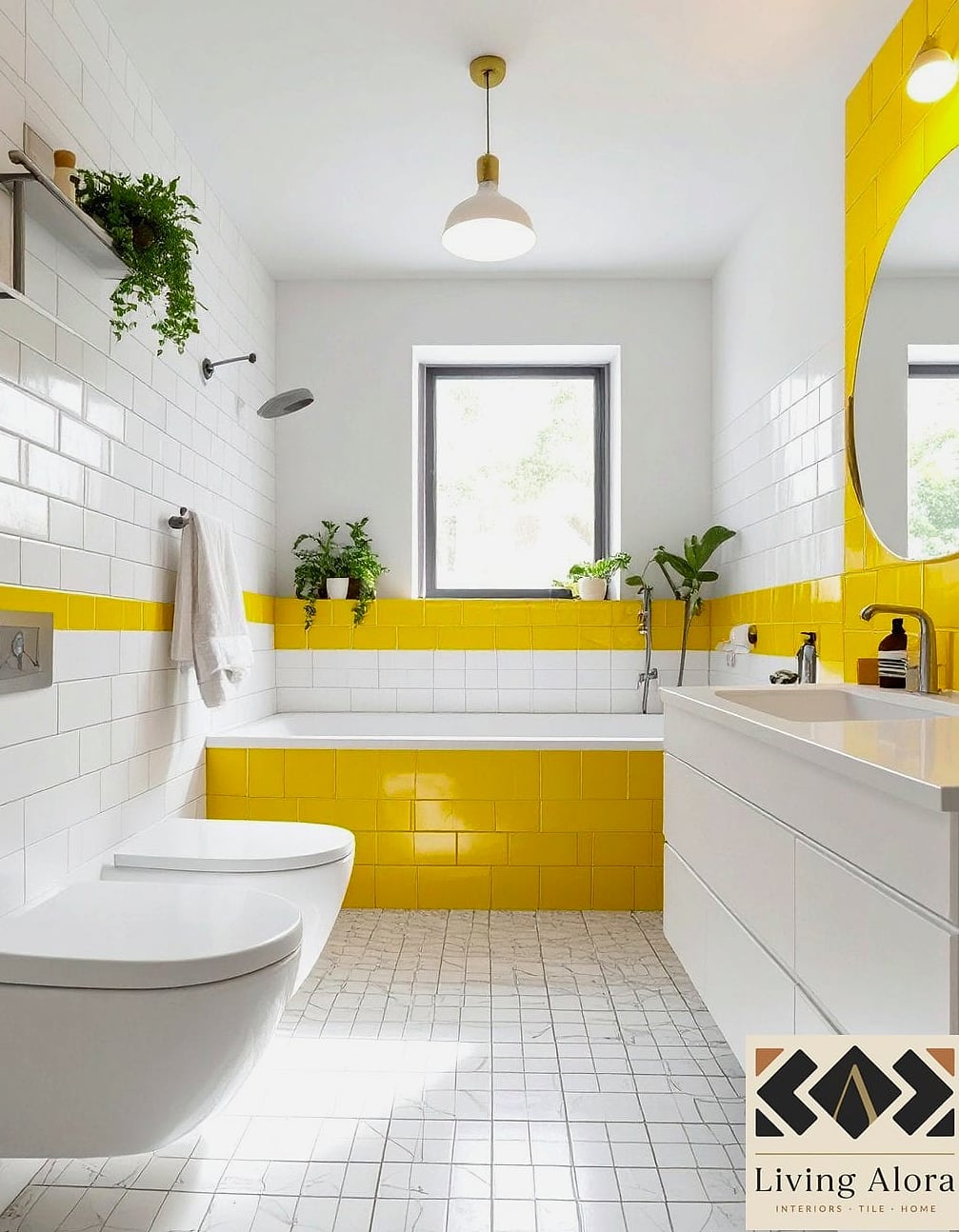
White subway tile is a classic, but colored subway tile has been showing up more and more in kitchens and bathrooms lately, and it’s a fun way to inject some personality into a room. Think soft sage green, deep navy, warm terracotta, or even a moody charcoal.
A colorful backsplash pairs nicely with white or wood cabinetry, letting the tile do the talking while everything else stays fairly neutral. In a bathroom, colored subway tile on a shower wall or as a half-wall accent can add character without overwhelming the space.
If you’re not ready to commit to color on every wall, try using it just behind open shelving or as a small accent strip. That way you get the visual punch without a huge material cost, and it’s easier to change your mind down the road if trends shift.
Vertical Subway Tile Installation
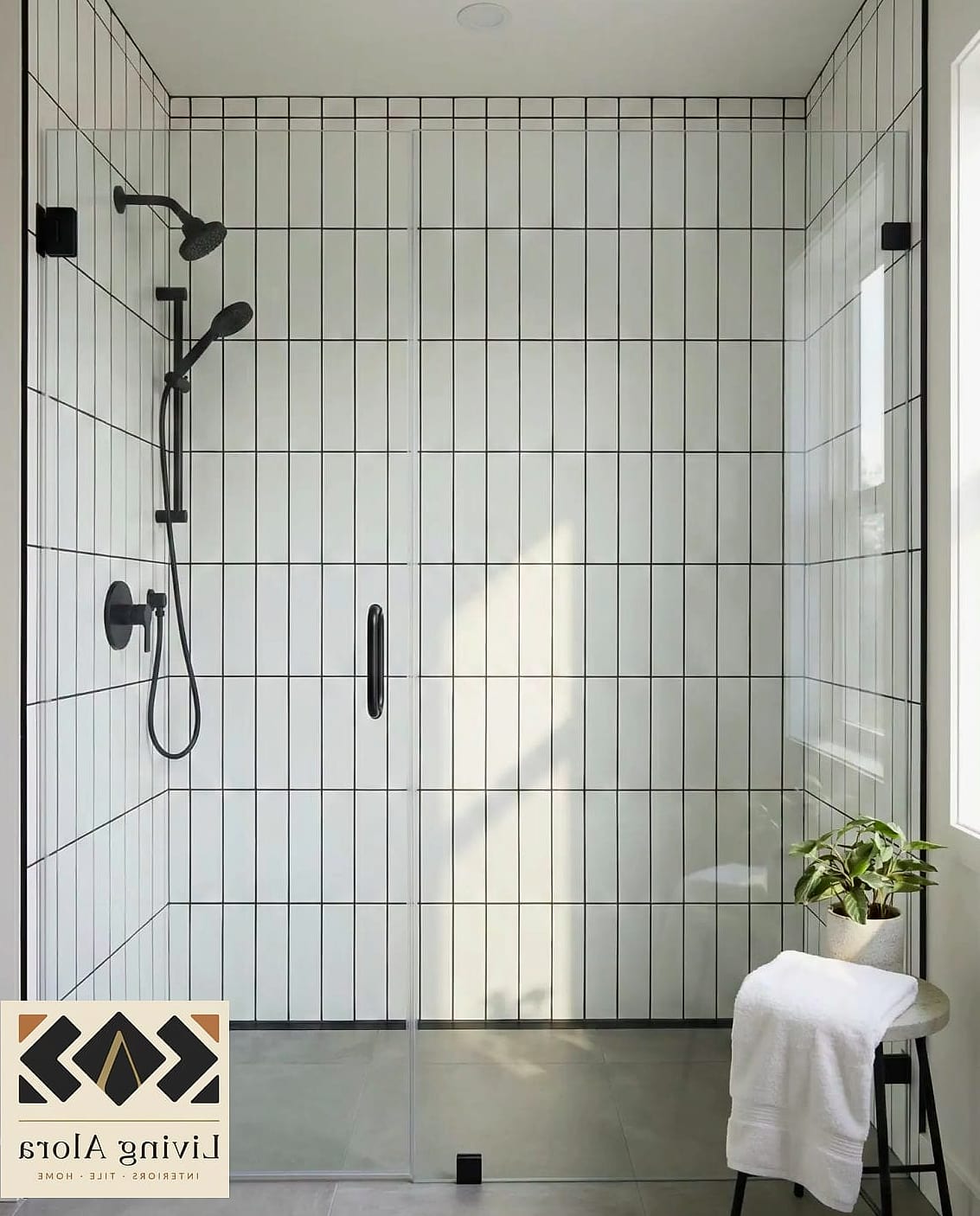
Turning subway tile on its side and installing it vertically is a simple change that makes a surprisingly big difference. Instead of the traditional horizontal brick pattern, the tiles stack upright, which draws the eye upward and can make ceilings feel taller.
This layout works particularly well in smaller bathrooms or narrow kitchen spaces where you want to create the illusion of more height. It’s also a nice option if you’re tiling a full shower wall, since the vertical lines add a subtle architectural feel without needing an elaborate pattern.
Vertical installation is roughly the same difficulty level as a standard layout, so it’s still fairly DIY-friendly if you’re comfortable with basic tiling. Just double check your tile spacers and level frequently, since any slight misalignment is more noticeable when the lines run vertically.
Textured or Handmade-Look Subway Tile
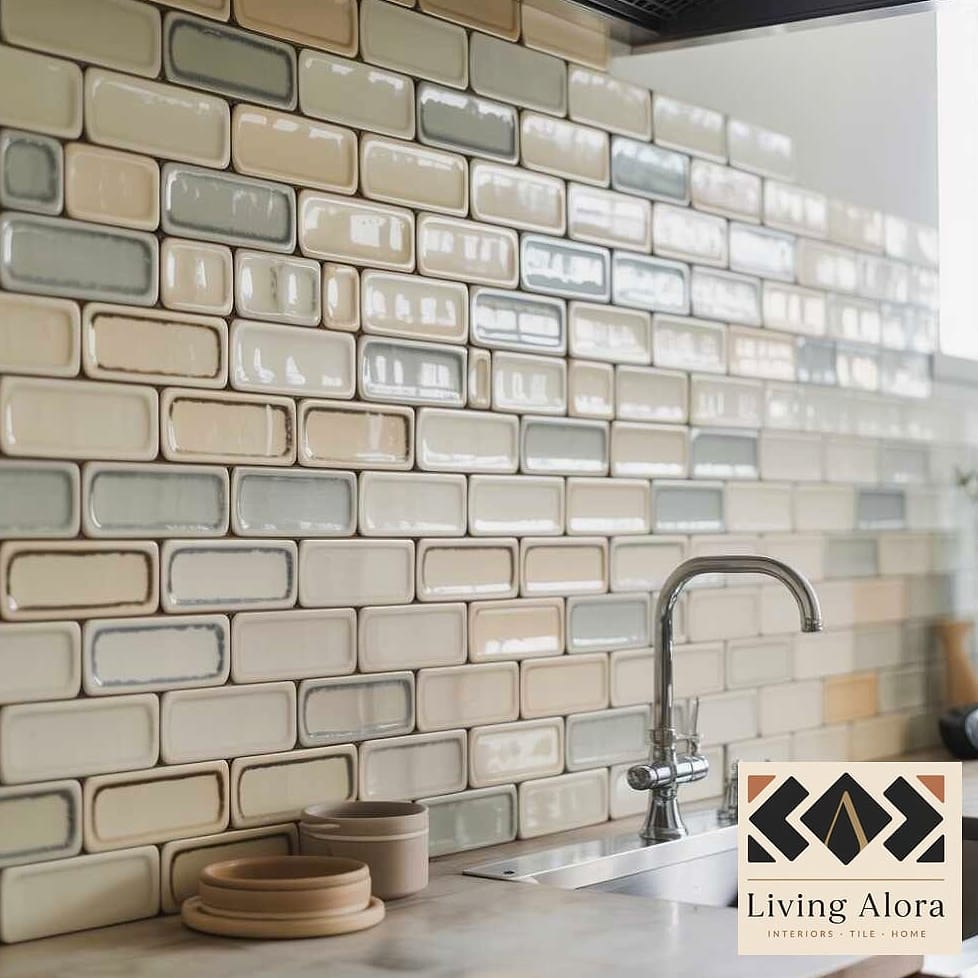
If flat, glossy tile feels a little too polished for your taste, textured subway tile is worth a look. Options with a slightly wavy or handmade appearance, similar to zellige tile, add depth and character that catches the light differently across the surface.
This style tends to work best in kitchens and bathrooms going for an organic, collected-over-time feel rather than a crisp, uniform one. It pairs nicely with natural stone counters, warm wood accents, and matte finishes elsewhere in the room.
One thing to know before committing: textured tile usually costs more than standard smooth subway tile, and installation can take a bit longer since the irregular surface makes spacing trickier. It’s a worthwhile splurge if the handcrafted look is really what you’re after, but budget-conscious renovators might want to save this for a smaller accent area instead of a full wall.
Subway Tile with a Contrasting Grout Color
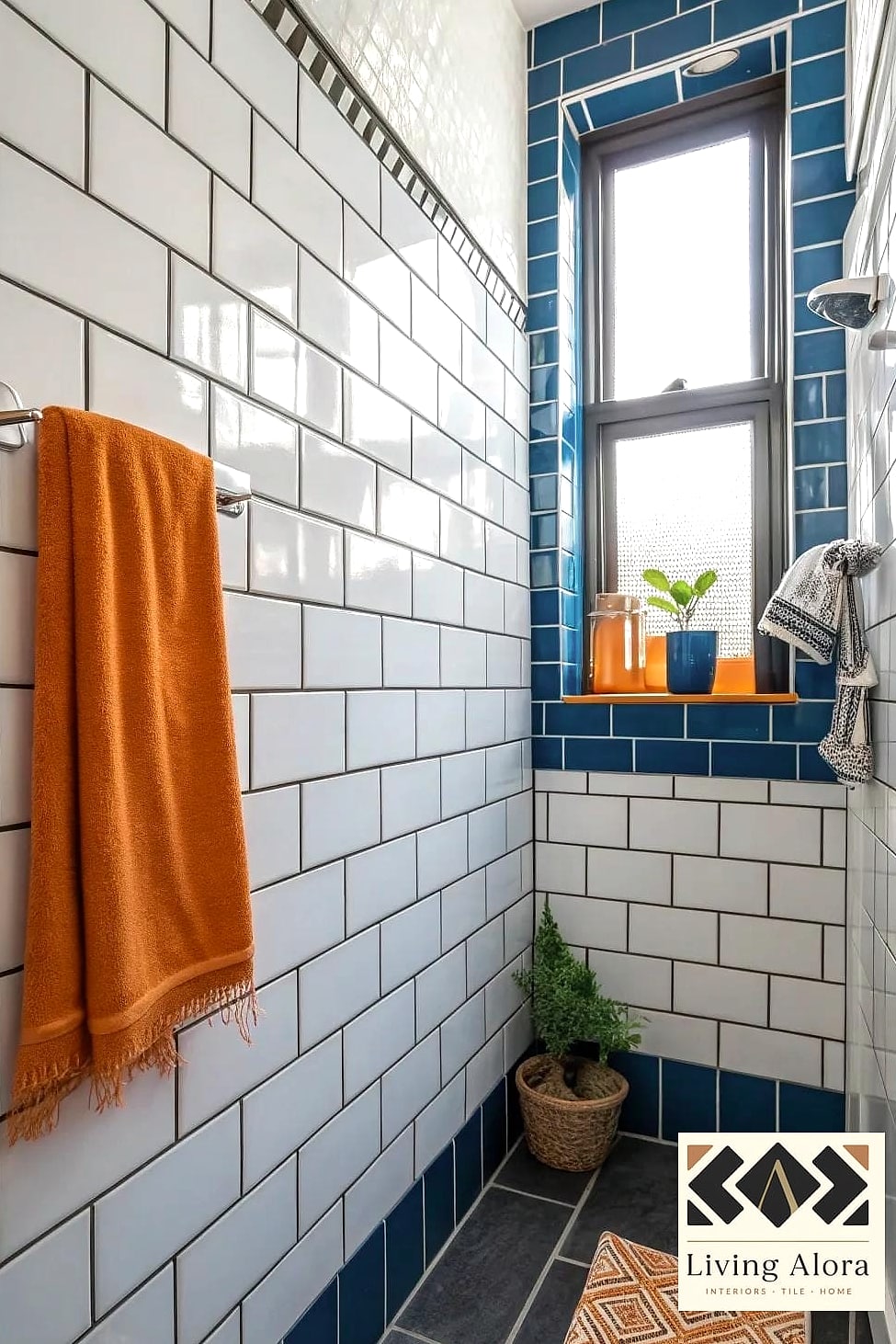
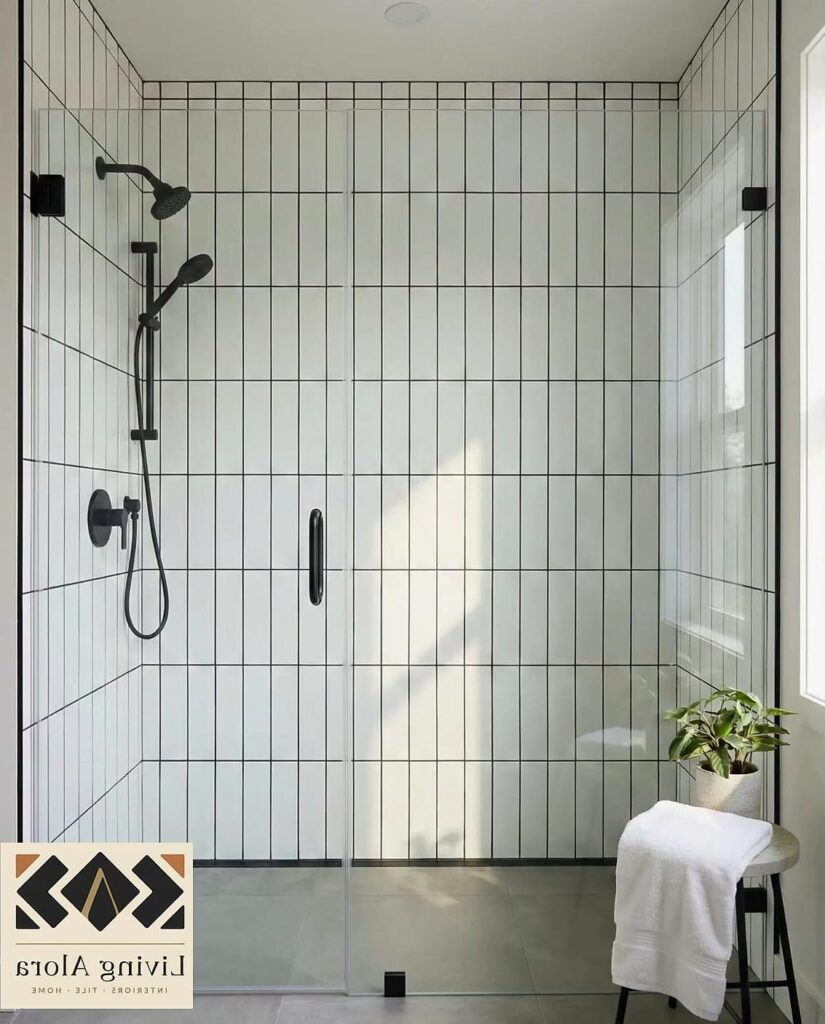
Sometimes the easiest way to change the whole personality of subway tile is to skip the tile change altogether and just swap the grout. Classic white subway tile with black or charcoal grout gives a graphic, almost retro-diner feel that’s having a real moment right now.
This combo tends to look great in kitchens with black fixtures or dark cabinetry, since the grout lines echo those darker tones throughout the space. It also works well in bathrooms for a similar reason — it ties the tile into the rest of the room’s hardware and finishes.
Keep in mind that dark grout does show soap scum and toothpaste splatter a little more obviously than lighter grout in a bathroom setting, so a quick wipe-down routine helps keep things looking sharp. On the upside, dark grout tends to hide everyday grime better than bright white grout does, so it’s actually a fairly practical choice for busy households.
Large-Format Subway Tile
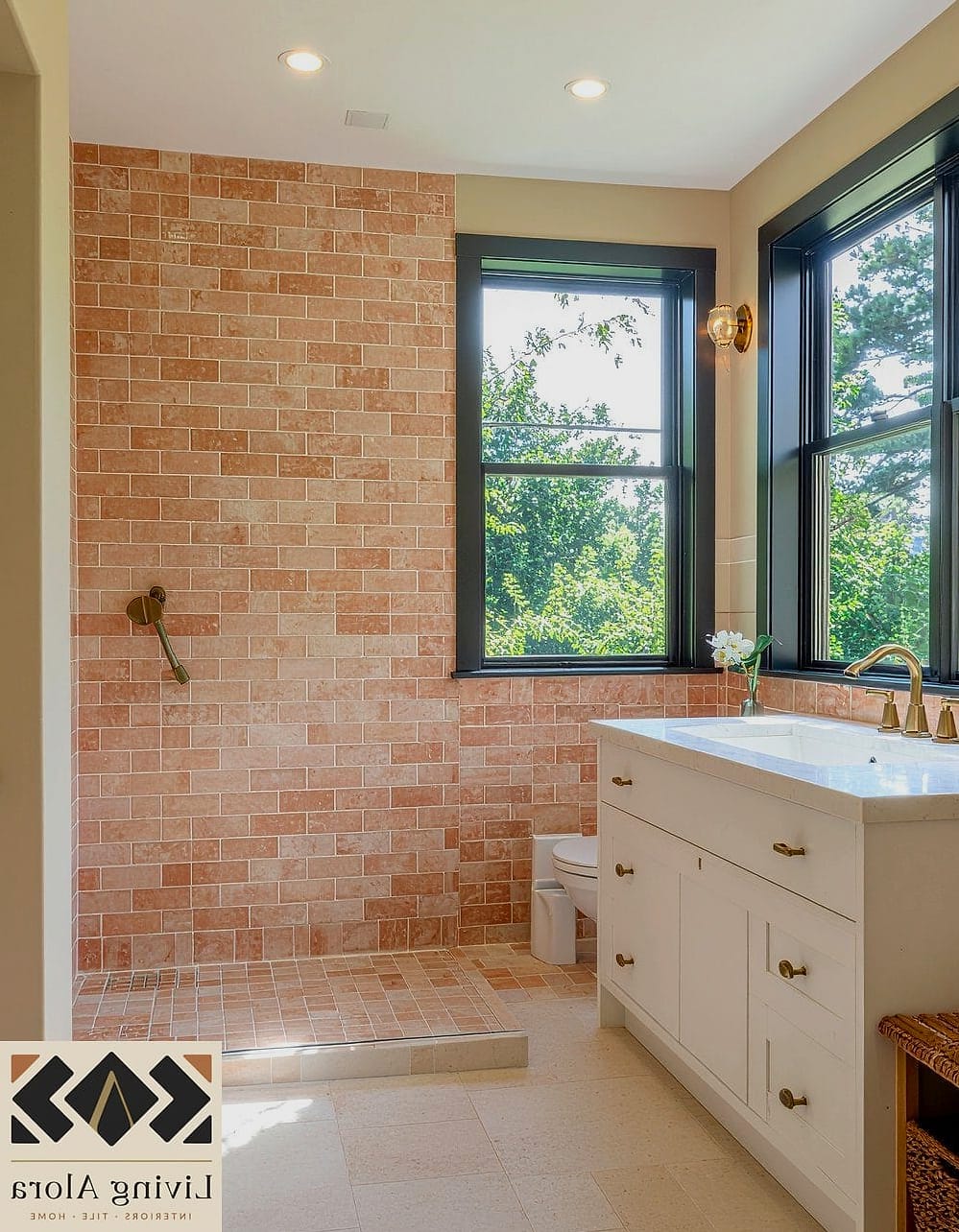
Traditional subway tile comes in that familiar 3×6 size, but larger versions — think 4×12 or even 4×16 — have become popular for anyone who wants that classic brick-lay look with fewer grout lines to deal with.
Fewer grout lines means less scrubbing during cleaning, which is a nice perk if you’re not thrilled about the idea of maintaining tiny grout joints for years to come. It also gives a slightly more modern, streamlined appearance compared to smaller traditional tile.
This size works well in larger kitchens or bathrooms where you don’t want the tile pattern to feel too busy or fussy. It’s a solid pick for anyone who loves the subway tile aesthetic but wants something that reads a bit more current and low-maintenance. Pair it with a simple stacked layout instead of the traditional offset brick pattern for an even cleaner, more contemporary look.
Subway tile really is one of those materials that proves you don’t need to reinvent the wheel to get a fresh, personalized space. A small tweak like grout color, tile size, or layout direction can completely change the feel of a room without blowing your renovation budget. Whichever of these seven ideas speaks to you, it’s a solid foundation to build the rest of your design around.