13 Glass Subway Tile Ideas We Can’t Stop Pinning
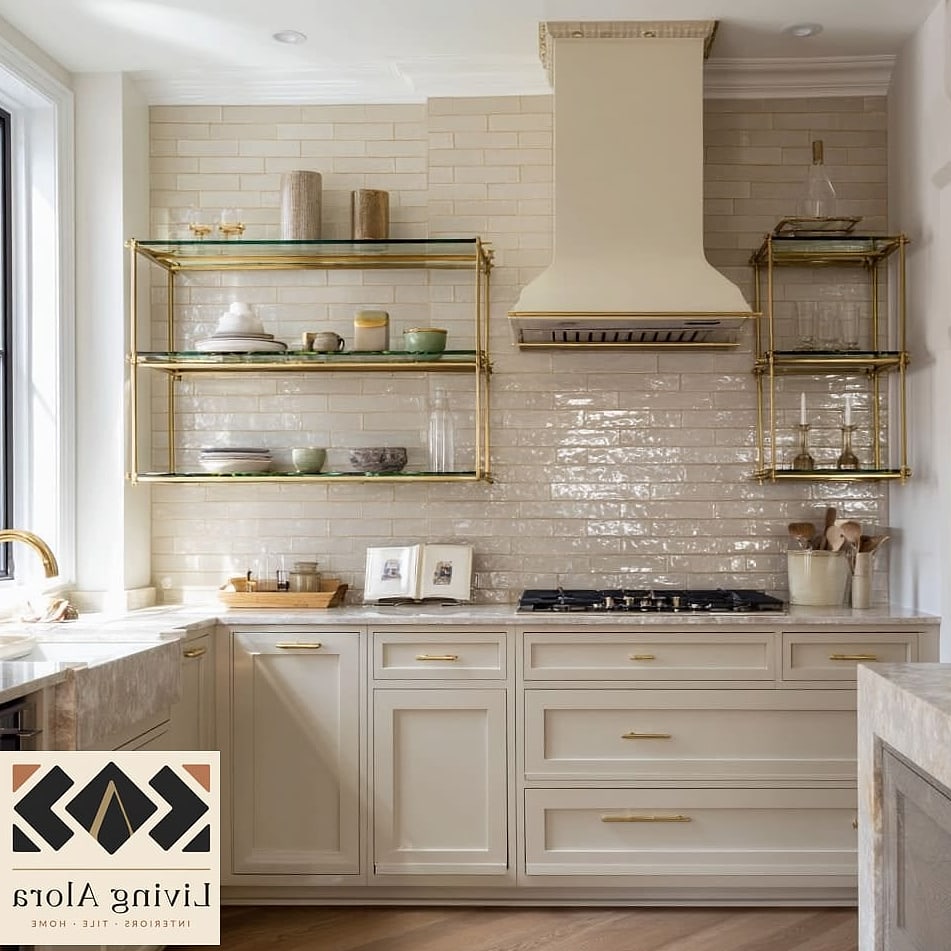
- Classic White Glass Subway Tile in a Kitchen Backsplash
- Sea Glass Green Tile for a Coastal Bathroom
- Navy Blue Glass Tile Behind a Bar or Wet Bar
- Herringbone Pattern for a Statement Wall
- Iridescent Glass Tile in a Powder Room
- Vertical Stack Layout for a Narrow Kitchen
- Frosted Glass Subway Tile for a Softer Look
- Two-Tone Glass Tile for a Custom Feel
- Glass Subway Tile Extended to the Ceiling
- Small Mosaic Glass Tile Accent Strip
- Glass Subway Tile in a Walk-In Shower
- Warm Amber Glass Tile for a Cozy Kitchen Nook
- Glass Subway Tile Paired with Open Shelving
13 Glass Subway Tile Ideas We Can’t Stop Pinning
There’s a reason glass subway tile keeps popping up on every design board you scroll through. It catches light in a way that ceramic and porcelain just can’t compete with, and it has this quiet shine that makes a kitchen or bathroom feel a little more polished without screaming for attention. I’ve specced it for clients who wanted something classic but not boring, and it almost always delivers.
If you’re on the fence about whether glass subway tile is worth the extra cost over ceramic, I get it. It’s pricier, it shows water spots more easily, and installation takes a steadier hand. But the payoff in brightness and depth is real. Here are 13 ways to use it that go way beyond a plain white backsplash.
Classic White Glass Subway Tile in a Kitchen Backsplash
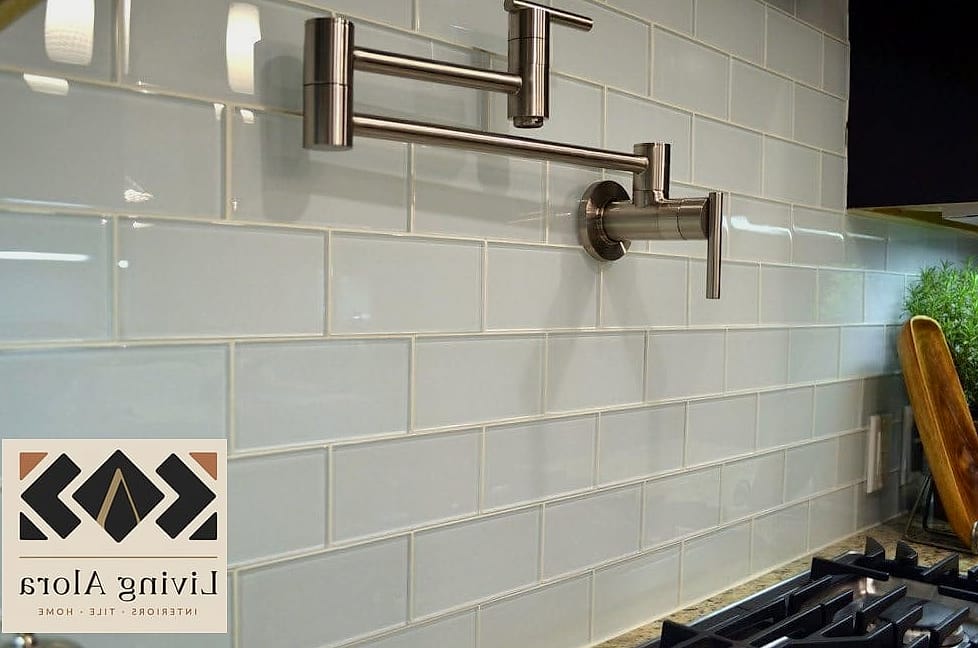
This is the safe bet, but “safe” doesn’t mean boring here. White glass tile has a translucent quality that reflects light differently depending on the time of day, so your backsplash almost feels alive instead of flat.
It works especially well behind a stove or sink where you want something clean and easy to wipe down. Pair it with white or light gray grout for a seamless look, or go with a slightly darker grout if you want the grid pattern to stand out more.
Budget-wise, this is one of the more affordable glass tile options since it’s mass-produced and widely available. It’s a solid pick if you’re nervous about committing to a bolder color for the first time.
Sea Glass Green Tile for a Coastal Bathroom
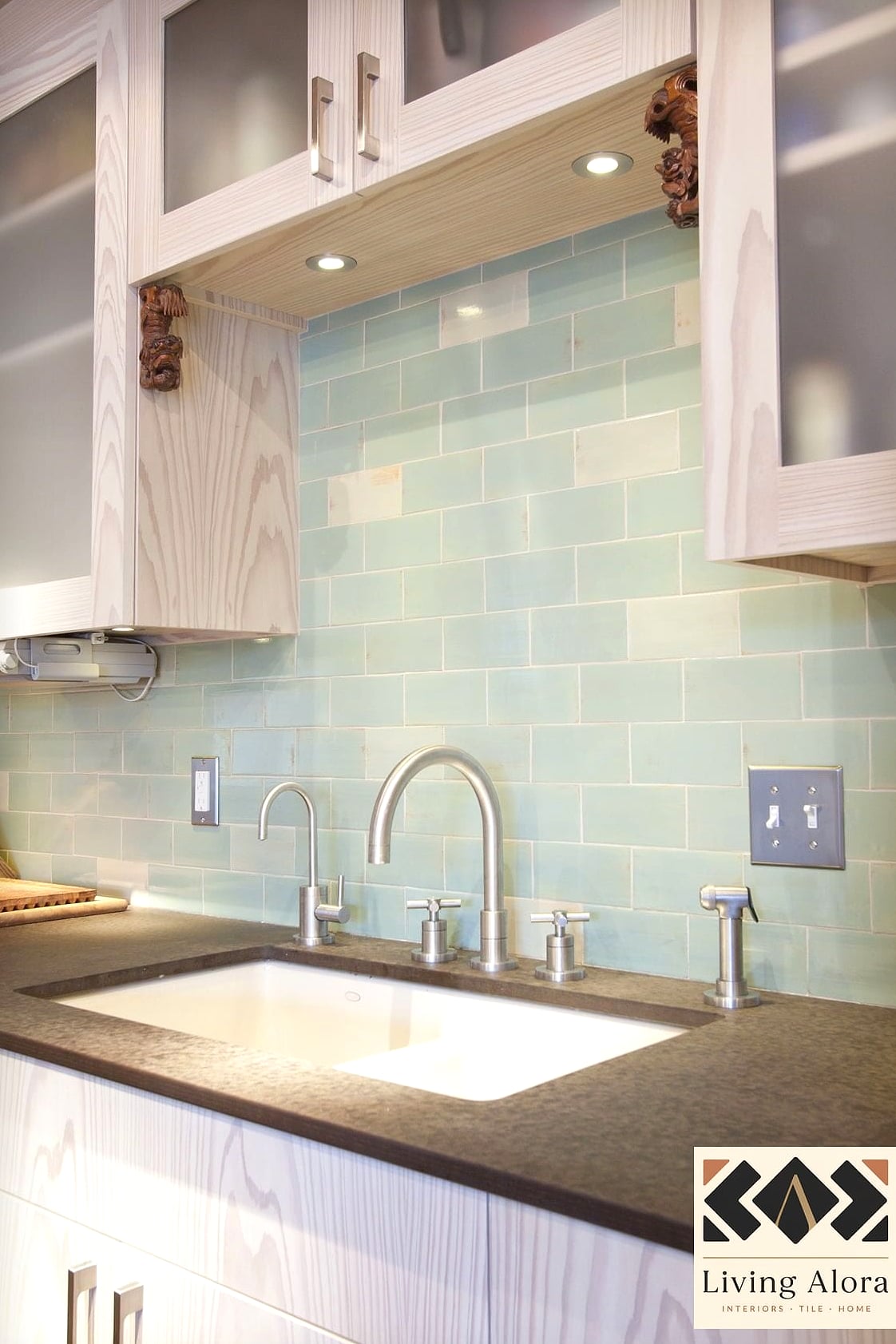
Soft green glass tile brings a coastal, almost spa-like feel into a bathroom without leaning into full beach-theme territory. The color reads differently depending on your lighting, sometimes looking sage, sometimes more aqua.
I love this in a shower surround paired with brushed nickel or matte black fixtures. It softens the hardware and keeps the whole space feeling calm rather than sterile.
One thing to keep in mind: colored glass tile can be harder to match later if you ever need a repair, so it’s smart to order a few extra boxes upfront and store them somewhere dry.
Navy Blue Glass Tile Behind a Bar or Wet Bar
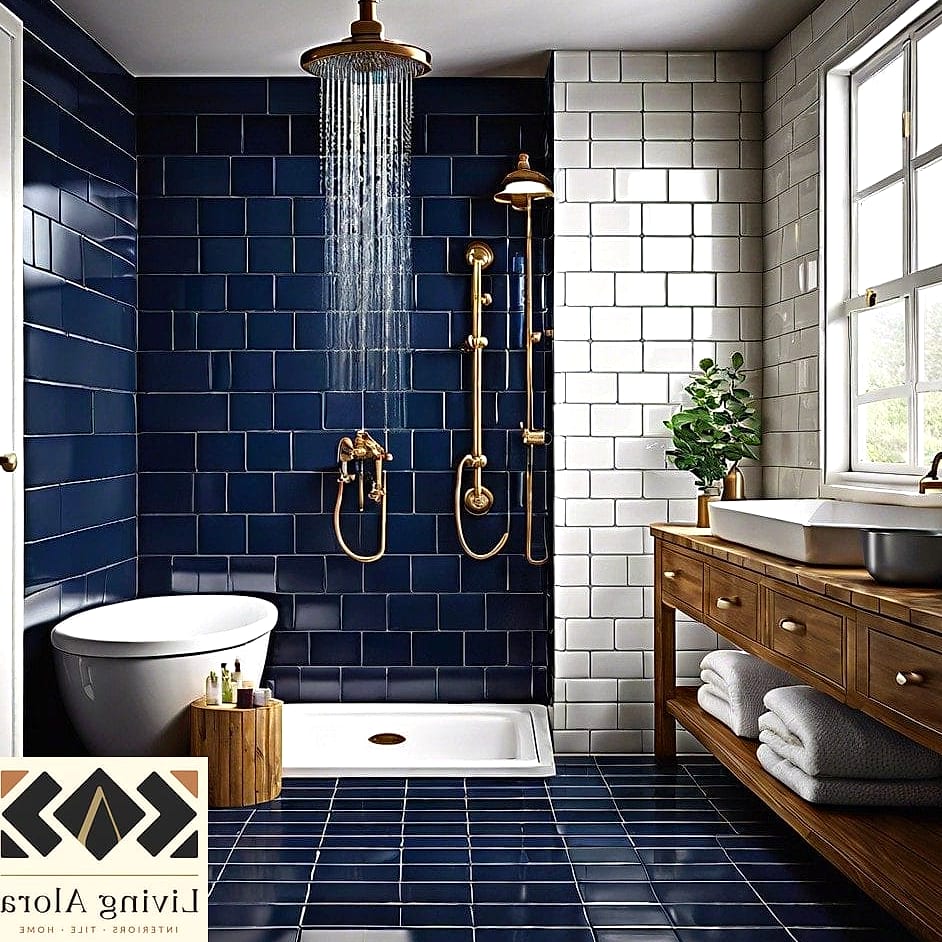
A deep navy glass subway tile turns a home bar into a genuine focal point. It has this moody, almost jewel-toned quality under pendant lighting that photographs beautifully, which is probably why it shows up so often when people search for glass subway tile ideas.
This works great in a basement bar, butler’s pantry, or even a small coffee station tucked into a kitchen nook. Pair it with brass hardware and open shelving to keep things from feeling too dark or heavy.
Maintenance is straightforward since glass doesn’t stain or absorb odors, though you’ll want to seal the grout lines to keep them from taking on color over time.
Herringbone Pattern for a Statement Wall
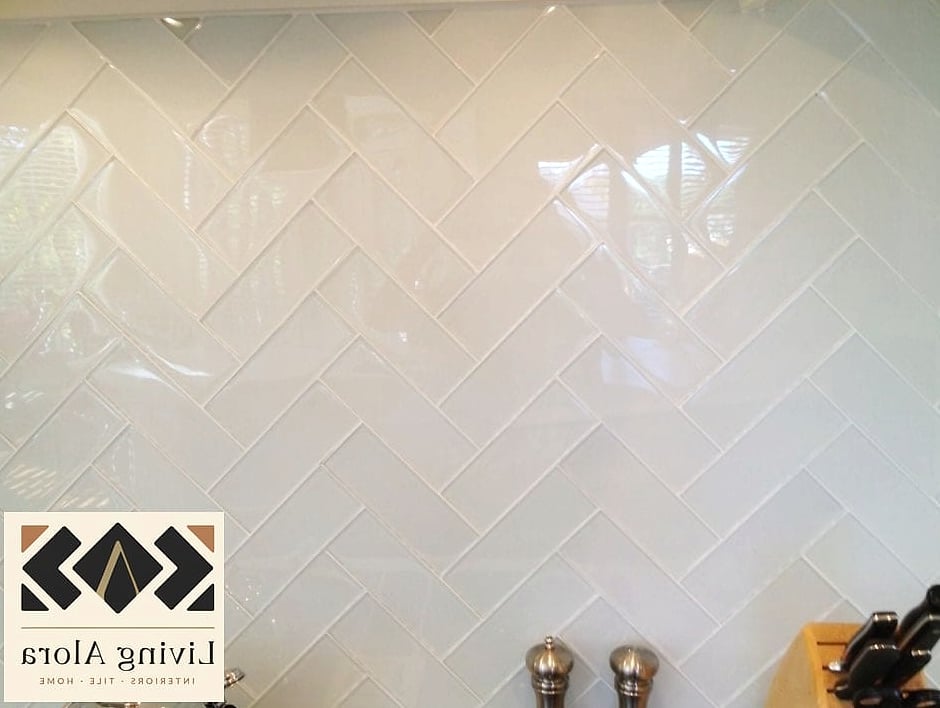
Laying glass subway tile in a herringbone pattern instead of the traditional stacked brick layout instantly upgrades the look. It’s more labor-intensive to install, so expect higher labor costs, but the visual payoff is worth it for an accent wall or feature backsplash.
This pattern works beautifully behind a range hood where it can act as a focal point without needing extra decor. The angles catch light from multiple directions, which makes glass tile look even more dimensional than usual.
If you’re DIY-inclined, herringbone is not the easiest place to start. I’d recommend hiring a pro for this one or practicing on a small test board first.
Iridescent Glass Tile in a Powder Room

Powder rooms are the perfect low-commitment space to go a little dramatic, and iridescent glass subway tile delivers drama in spades. Depending on the angle you view it from, the tile shifts between silver, pink, and blue undertones.
Because it’s such a small room, the cost stays manageable even though iridescent tile tends to run pricier per square foot. Floor-to-ceiling in a powder room creates an almost jewel-box effect that guests genuinely remember.
Pair it with a simple white pedestal sink and minimal hardware so the tile stays the star of the show.
Vertical Stack Layout for a Narrow Kitchen
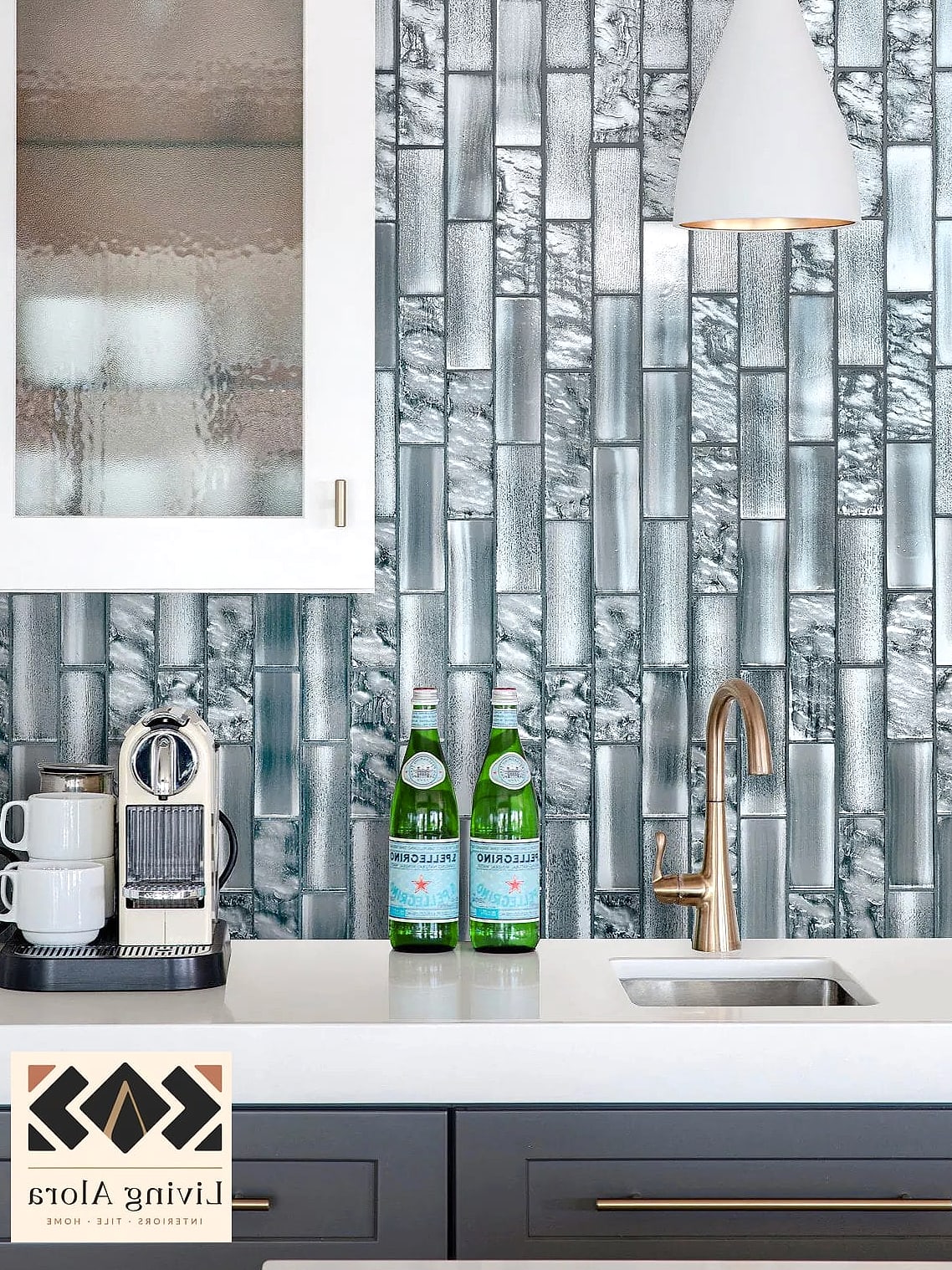
If your kitchen feels a little tight or the ceilings feel low, laying glass subway tile in a vertical stack instead of horizontal rows can trick the eye into seeing more height. It’s a subtle trick, but it works.
This layout pairs nicely with simple shaker cabinets and a warm wood open shelf, since the clean vertical lines balance out the horizontal lines of countertops and cabinet fronts.
Cost-wise, this doesn’t add much to your budget since it’s the same tile just installed differently. It’s really a labor and layout decision more than a material one.
Frosted Glass Subway Tile for a Softer Look

Not every kitchen wants that high-gloss, reflective shine. Frosted or matte glass subway tile gives you the same clean grid pattern with a softer, more diffused finish that hides water spots and fingerprints a bit better than glossy glass.
This is a great fit for family kitchens where little hands are constantly touching the backsplash near the sink. It’s more forgiving day to day while still giving you that glass tile texture and subtle glow.
I’d pair this with matte black or oil-rubbed bronze fixtures for a look that feels current without following a fleeting trend.
Two-Tone Glass Tile for a Custom Feel
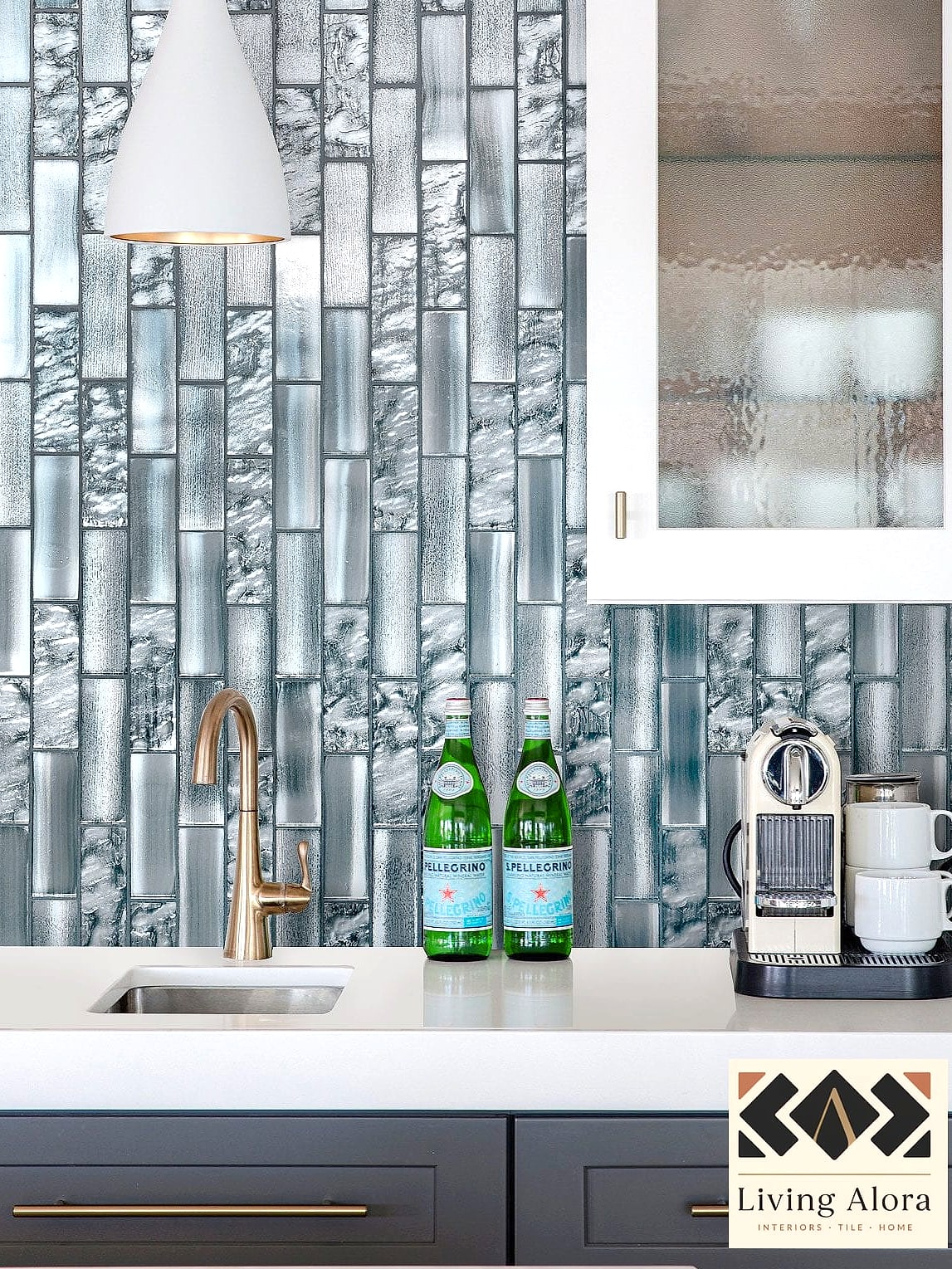
Mixing two shades of glass subway tile, like a soft gray paired with white, creates a border or accent stripe effect that looks custom-built even though it’s a relatively simple install upgrade. Some homeowners run a single accent row at counter height; others alternate colors in blocks.
This works well in kitchens where you want to tie together two colors already in the room, like your cabinets and your countertop veining. It gives installers more creative room to work with your existing palette.
Just make sure both tile colors come from the same glass tile family so the thickness and finish match up during installation.
Glass Subway Tile Extended to the Ceiling
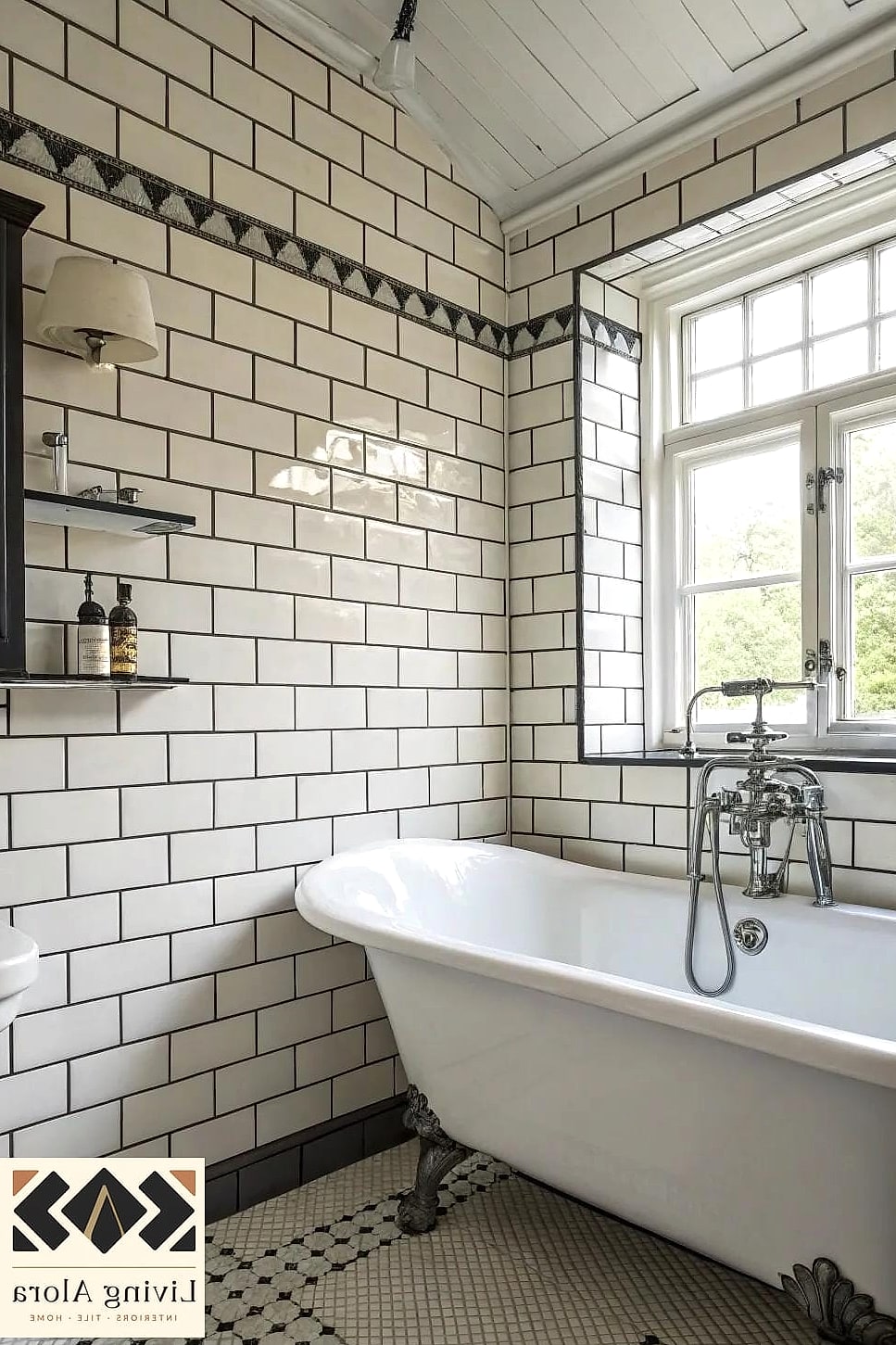
Instead of stopping your backsplash at the standard 18 inches above the counter, running glass tile all the way up to the underside of your upper cabinets or even to the ceiling creates a much more elevated, custom look.
This is a popular choice in kitchens with open shelving instead of upper cabinets, since there’s more wall space to fill. The reflective quality of glass tile helps bounce light around a kitchen that might otherwise feel a little dim.
Expect a higher material cost since you’re covering more square footage, but many homeowners say this single change made their kitchen look like it came from a full remodel.
Small Mosaic Glass Tile Accent Strip
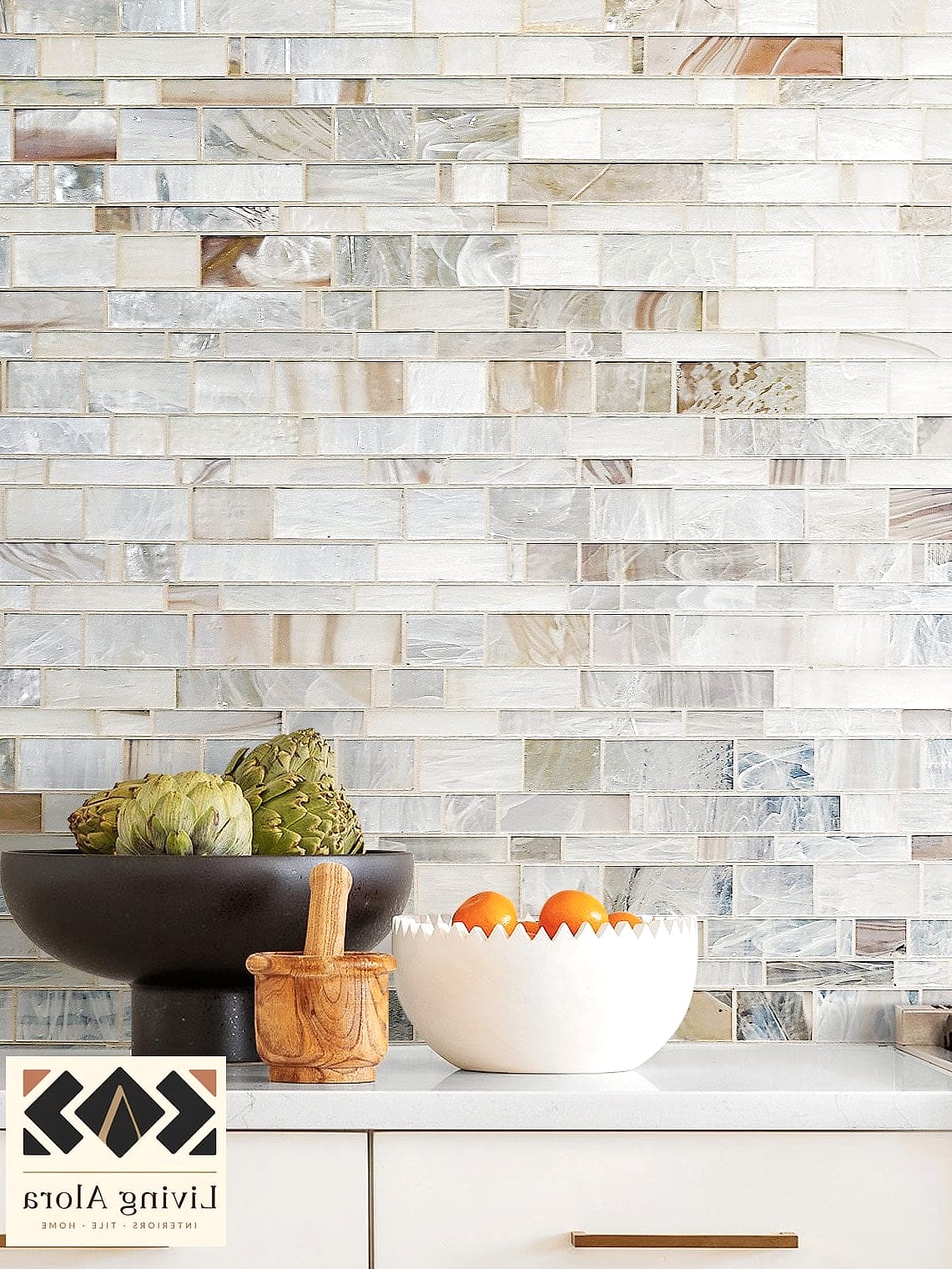
If a full glass tile backsplash feels like too much of a commitment, a mosaic glass tile strip is a nice middle ground. Think a narrow band running along the top of a ceramic tile backsplash, or a small accent behind open shelving.
This is a budget-friendly way to get that glass tile shimmer without covering an entire wall in it. It’s also a smart option for renters doing a peel-and-stick version, since several brands now make removable glass-look mosaic strips.
The tradeoff is that it reads as more of an accent than a statement, so if you want glass tile to be the main event, this probably isn’t your pick.
Glass Subway Tile in a Walk-In Shower
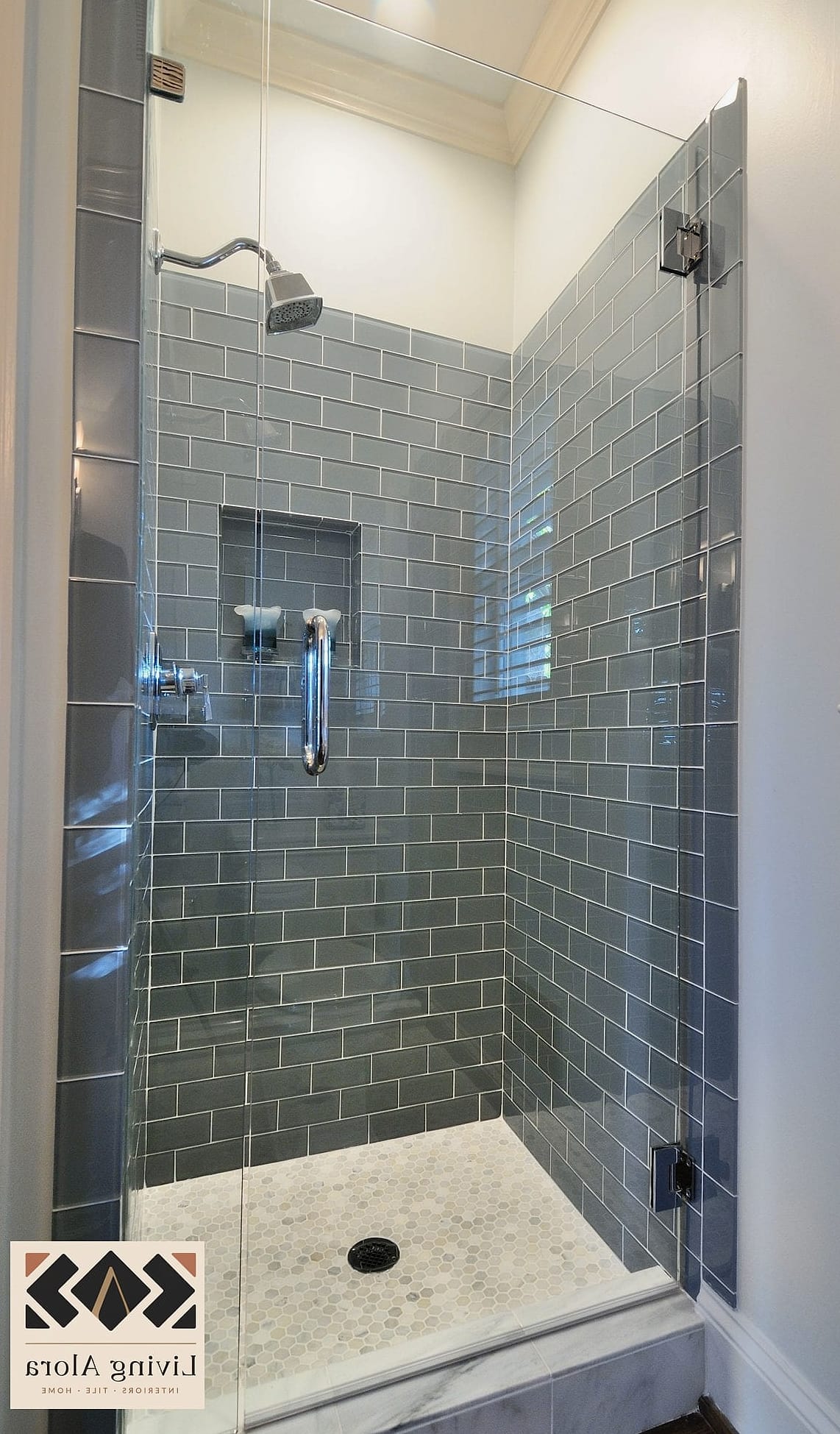
Using glass subway tile in a full shower surround gives you a surface that’s naturally water-resistant and easy to keep clean, assuming the grout is sealed properly. It also reflects light in a way that makes small bathrooms feel less closed-in.
I like pairing this with a niche shelf in the same tile for a built-in, cohesive look rather than adding a separate wire caddy. It keeps shampoo bottles and razors from cluttering up the visual.
One practical note: glass tile can be more slippery when wet compared to textured ceramic, so it’s better suited for shower walls than shower floors.
Warm Amber Glass Tile for a Cozy Kitchen Nook
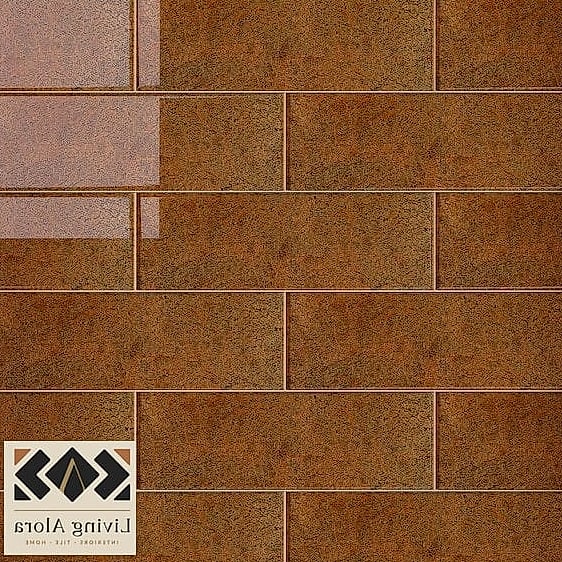
Amber and honey-toned glass tile brings warmth into a kitchen in a way that white or gray tile simply can’t. It pairs beautifully with warm wood tones, brass fixtures, and butcher block counters for a look that feels inviting rather than clinical.
This color works especially well in kitchens that get a lot of natural light, since the glass amplifies that golden glow throughout the day. In darker kitchens, it can still work but pair it with warm-toned bulbs to keep the effect intact.
It’s a less common choice, so if you like the idea of your kitchen looking a little different from everyone else’s Pinterest board, this is a strong contender.
Glass Subway Tile Paired with Open Shelving
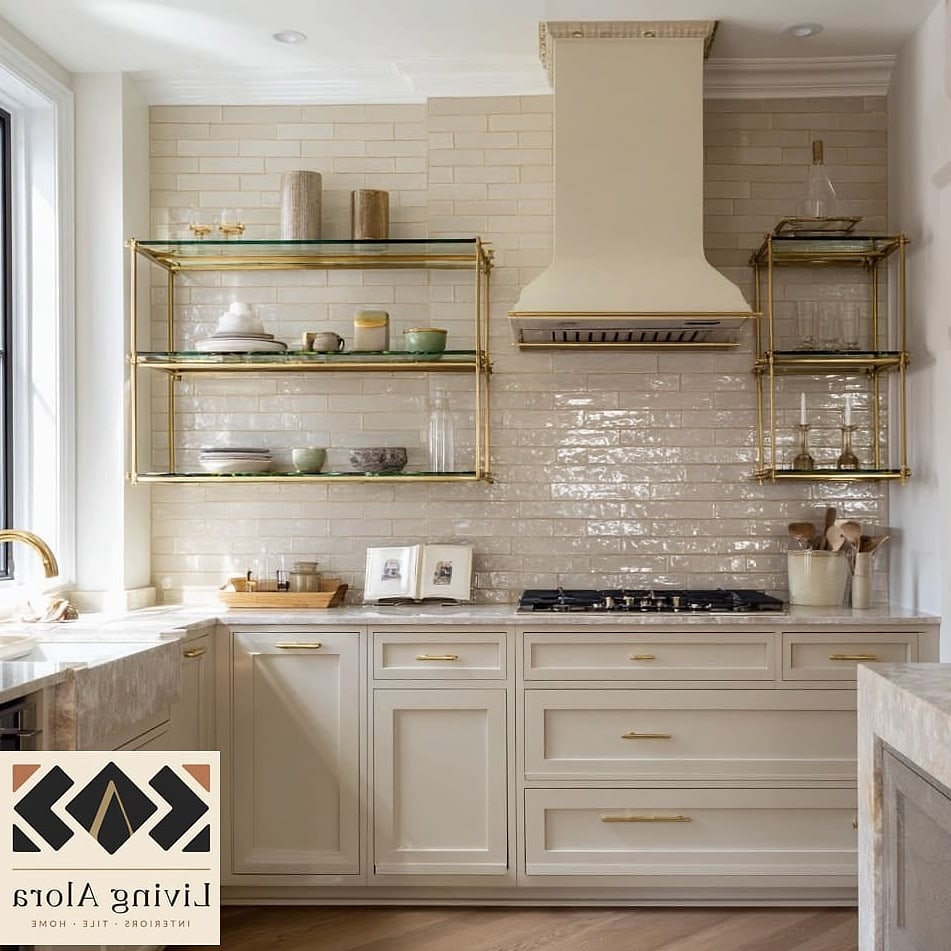
This last one is more about styling than the tile itself. Glass subway tile becomes an even bigger design statement when it’s the backdrop for open shelving rather than hidden behind upper cabinets.
The reflective surface makes dishes, glassware, and greenery on the shelves look brighter and more intentional. It’s a combination that shows up constantly in kitchen design ideas because the two elements genuinely complement each other.
Keep in mind open shelving requires a bit more upkeep since everything on display collects dust, so this pairing works best for people who don’t mind a little extra tidying in exchange for the visual payoff.
Glass subway tile isn’t going anywhere as a design favorite, and honestly, after seeing how many ways it can be styled, it’s easy to understand why. Whether you go classic white or lean into a bold color like navy or amber, the material itself does a lot of the visual heavy lifting. Pick the layout and finish that fits how you actually use the space, and you’ll end up with something that looks intentional rather than trendy for a season and gone the next.