10 Penny Tile Ideas That Maximize Style and Function
- Classic Black and White Checkerboard Floor
- Warm Terracotta Penny Tile for a Cozy Bathroom Floor
- Penny Tile Shower Floor with a Contrasting Pattern
- Vintage-Inspired Hex-and-Penny Combo Floor
- Colorful Penny Tile Kitchen Backsplash
- All-White Penny Tile for a Clean, Minimalist Bathroom
- Penny Tile Accent Wall in an Entryway or Mudroom
- Two-Tone Penny Tile for a Custom Laundry Room Floor
- Natural Stone Penny Tile for a Luxury Bathroom Upgrade
- Outdoor Penny Tile Patio or Pool Deck Accent
10 Penny Tile Ideas That Maximize Style and Function
Penny tile gets written off as an old-fashioned bathroom floor material, and honestly, that’s a shame. Those tiny round tiles have been showing up in kitchens, showers, and even outdoor spaces lately, and they’re doing a lot more than just covering a floor. The scale of the tile creates texture you just can’t get from anything larger, and the sheer number of grout lines means better slip resistance in wet areas. If you’ve been overlooking penny tile as a design option, here are ten ways to actually use it well.
Classic Black and White Checkerboard Floor
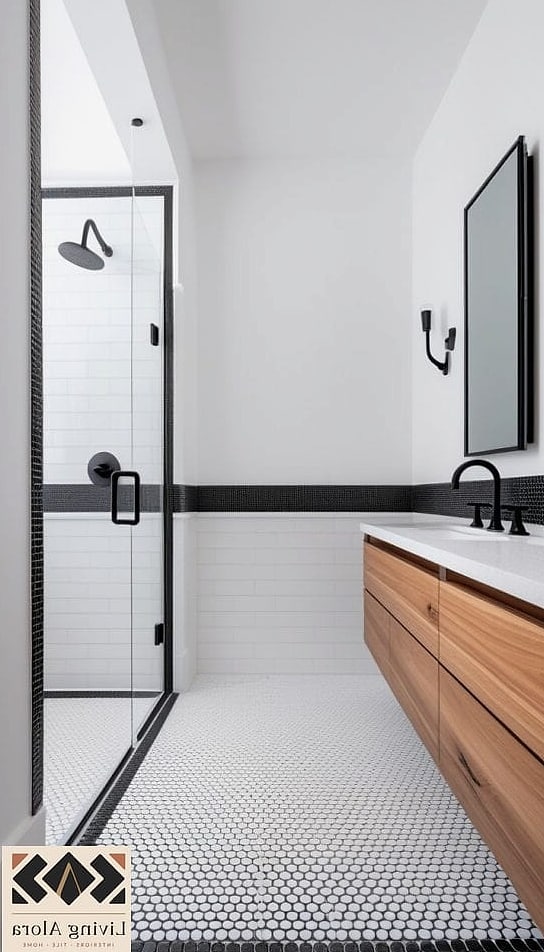
This is the look most people picture when they hear “penny tile,” and there’s a reason it never really goes away. Alternating black and white pennies in a random or patterned scatter gives a bathroom or entryway a bit of old-world charm without feeling costume-y.
It works especially well in powder rooms, where you want a little drama in a small space. The black and white combo also hides dirt better than an all-white floor, which matters if you’ve got kids or pets tracking things in.
Go with matte finishes for a softer, more vintage feel, or glossy for something a little more polished. Either way, the maintenance is pretty forgiving since the busy pattern camouflages everyday grime between cleanings.
Warm Terracotta Penny Tile for a Cozy Bathroom Floor
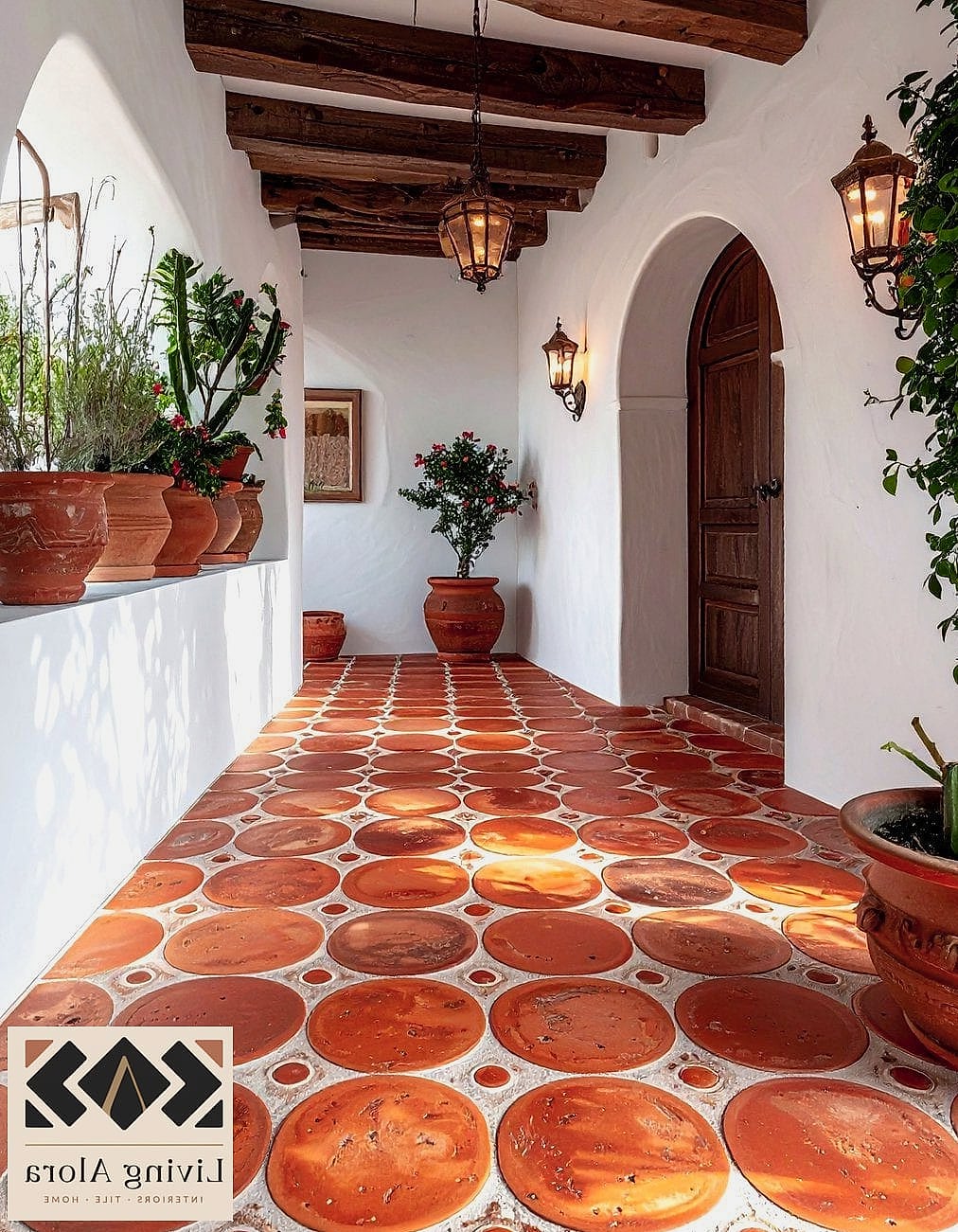
Swapping the classic black and white for warm terracotta or clay-toned pennies instantly changes the mood of a room. It feels earthy and a little Mediterranean, especially paired with brushed brass hardware and natural wood vanities.
This is a great option if your bathroom leans traditional white and needs some warmth without a full remodel. The color also does a nice job of hiding water spots and soap scum longer between cleanings, which is a small but real win.
Pair it with a simple white subway tile on the walls so the floor gets to be the star. It’s not the most renter-friendly option since it usually means real installation, but it’s worth it if you’re staying put for a while.
Penny Tile Shower Floor with a Contrasting Pattern
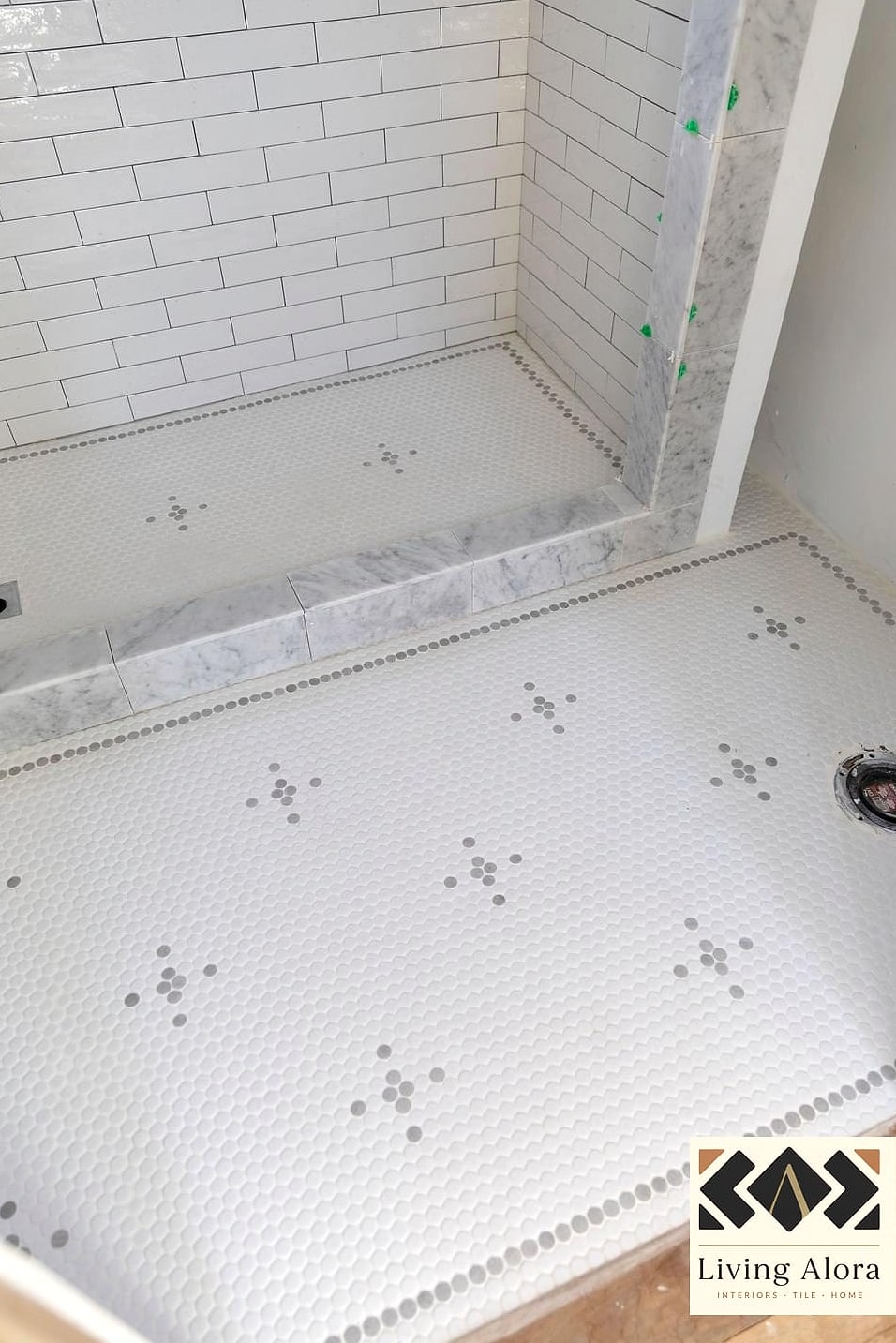
Penny tile might be the single best material for a shower floor, and it’s not just about looks. The small size and dense grout lines mean way more traction underfoot, which matters a lot if you’ve got kids, older family members, or just soap that turns everything into an ice rink.
A popular approach right now is keeping the shower walls in large-format porcelain tile and dropping penny tile only on the floor, sometimes in a slightly different shade to define the space. It’s a subtle way to add texture without committing to it everywhere.
Because there are so many grout lines, sealing the grout well matters more here than almost anywhere else in the house. A quality penetrating sealer applied once a year will save you a lot of scrubbing down the road.
Vintage-Inspired Hex-and-Penny Combo Floor
Mixing penny tile with small hexagon tiles in a coordinated border or inset pattern gives you that old apartment building charm people pay a premium for in renovated historic homes. Think a hex tile field with a penny tile border running along the perimeter of the room.
This works beautifully in older homes trying to stay true to their original character, but it also looks intentional in new construction that’s going for a vintage aesthetic. It’s a detail that guests actually notice and comment on.
Because you’re working with two tile shapes, this one is best left to a professional installer unless you’re very comfortable with tile work yourself. The payoff, though, is a floor that looks like it came from a much more expensive renovation.
Colorful Penny Tile Kitchen Backsplash
Penny tile isn’t just for floors. Used as a backsplash, it adds a playful, textured wall that catches light differently than a flat subway tile ever could. Go with a single bold color like deep green or cobalt blue for something that feels custom, or a mixed palette for a more eclectic vibe.
This is one of those upgrades that instantly makes a kitchen feel more custom without requiring a full renovation. It pairs nicely with butcher block counters and open shelving, especially in kitchens leaning into a warm, collected look rather than a stark modern one.
Glossy glazed penny tile reflects light nicely over a stove or sink, and it wipes clean easily, which matters in a spot that deals with grease splatter. Peel-and-stick penny tile sheets are also available now if you want the look temporarily in a rental.
All-White Penny Tile for a Clean, Minimalist Bathroom
Sometimes the best move is restraint. A floor-to-ceiling white penny tile bathroom, or even just a white penny tile floor with white subway tile walls, creates a soft, textured monochrome look that feels calm and spa-like.
This is a great choice for small bathrooms where you want visual continuity without a busy pattern competing for attention. The texture of the tile does the work instead of color or pattern, which keeps the whole room feeling airy.
White grout keeps the look seamless, but if you’re worried about staining over time, a light gray grout gives you almost the same effect with a lot less maintenance stress. Either way, a good grout sealer is worth the extra step here.
Penny Tile Accent Wall in an Entryway or Mudroom
An accent wall made of penny tile brings texture into a space that usually gets ignored design-wise. Mudrooms and entryways take a beating from shoes, bags, and weather, so a durable, easy-to-wipe-down material actually makes practical sense here, not just a style one.
Choosing a deeper color like charcoal or navy on this wall hides scuffs better than a lighter shade would. Add a few floating shelves or hooks above a wood bench for storage, and you’ve got a functional mudroom that also looks pulled together.
This is also a nice spot to experiment if you’re nervous about committing to penny tile in a bigger room. It’s a smaller footprint, so it’s more budget-friendly and lower risk if you’re not sure the look is for you long term.
Two-Tone Penny Tile for a Custom Laundry Room Floor
Laundry rooms are having a bit of a design moment lately, and penny tile floors are part of that shift. A two-tone pattern, like a soft blue and white mix or a herringbone-adjacent scatter, turns a purely functional room into one that actually feels designed on purpose.
Because laundry rooms deal with water, detergent spills, and heavy foot traffic from carrying baskets, the slip resistance of penny tile is a genuine practical benefit here, not just a style choice. It also holds up well over time compared to sheet vinyl or laminate.
Pair it with open shelving for baskets and bins, plus a few labeled storage containers for detergent and dryer sheets, and the room starts to feel as organized as it looks. It’s a small room, so even a higher-end tile stays fairly affordable per square foot.
Natural Stone Penny Tile for a Luxury Bathroom Upgrade
If you want the penny tile look with a more elevated feel, natural stone versions in marble, travertine, or slate bring in texture and a subtle color variation that porcelain just can’t replicate exactly. Every tile looks slightly different, which is part of the appeal.
This is a splurge-worthy option best suited for a primary bathroom or a shower floor where you’re already investing in higher-end fixtures like black matte hardware or a freestanding tub. It elevates the whole room without covering a huge amount of square footage.
Natural stone does require more maintenance than porcelain, including periodic sealing to prevent staining and etching from acidic products. It’s not the lowest-maintenance option on this list, but for a lot of homeowners, the look is worth the extra care.
Outdoor Penny Tile Patio or Pool Deck Accent
Penny tile isn’t limited to indoor spaces. Frost-resistant porcelain penny tile can work beautifully as an accent border around a pool, on an outdoor shower floor, or as a decorative inset in a patio design.
The slip resistance that makes it great for indoor showers translates directly to wet outdoor areas too, which is a genuine safety consideration around pools. Neutral stone-look tones tend to blend best with natural outdoor materials like wood decking and stone pavers.
Just make sure whatever product you choose is rated for outdoor and freeze-thaw conditions if you live somewhere with real winters, since not all penny tile is made for exterior use. A quick conversation with your tile supplier or installer before you buy will save you a headache later.
Penny tile is one of those materials that rewards a little creativity. It’s not just a retro bathroom floor anymore. From kitchen backsplashes to laundry rooms to outdoor patios, there’s a version of penny tile that fits almost any room in the house, and honestly, that versatility is what makes it worth a second look.