25 Decorative Tile Ideas That Designers Keep Coming Back To

- White Subway Tile with Dark Grout
- Zellige Tile in Soft Neutrals
- Herringbone Pattern Floor Tile
- Mosaic Tile Shower Floor
- Bold Color Kitchen Backsplash
- Fluted or Ribbed Tile Accent Wall
- Checkerboard Floor Tile
- Large Format Porcelain Slab Tile
- Terracotta Tile Flooring
- Hexagon Tile Bathroom Floor
- Vertical Stacked Tile in a Shower
- Marble Look Tile in Kitchens
- Encaustic Cement Tile Patterns
- Fish Scale or Scalloped Tile
- Warm Wood-Look Plank Tile
- Two-Tone Tile Kitchen Backsplash
- Moroccan Tile Accent
- Glossy Glass Tile Backsplash
- Textured Zellige-Style Kitchen Wall
- Black Tile Bathroom Floor
- Basketweave Tile Pattern
- Colorful Grout as a Design Choice
- Tile Backsplash That Extends to the Ceiling
- Pebble or River Rock Tile
25 Decorative Tile Ideas That Designers Keep Coming Back To
Tile is one of those materials that can make or break a room. Pick the right pattern, color, or finish, and suddenly a plain kitchen or bathroom feels intentional and pulled together. I’ve spent years watching which tile choices actually stand the test of time in real homes versus which ones just look good in a single magazine spread. Here are 25 decorative tile ideas that keep showing up in designer portfolios for good reason.
White Subway Tile with Dark Grout

This combo has staying power because it’s simple but never boring. The contrast between crisp white tile and charcoal or black grout adds definition that plain white-on-white grout just doesn’t give you. It works beautifully in kitchens as a backsplash and in bathrooms as shower surround. The tradeoff is that dark grout shows soap scum less than light grout does, but you’ll want to seal it well since grime tends to stand out more against the dark lines if it’s not maintained.
Zellige Tile in Soft Neutrals
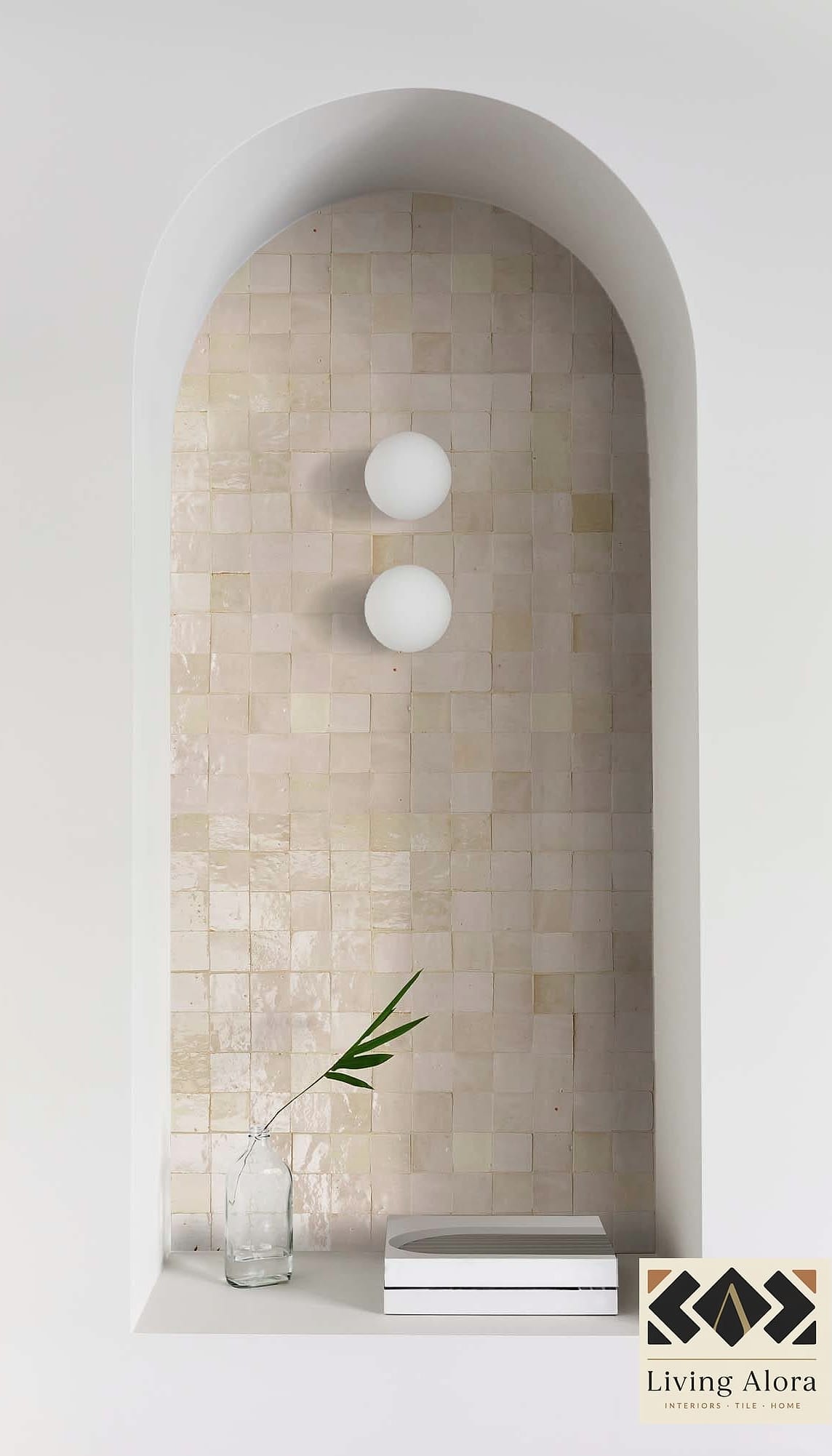
Zellige has that handmade, slightly imperfect look that makes a space feel collected rather than mass-produced. Each tile has subtle variations in tone and texture, so light bounces off it in a way that flat, uniform tile just can’t replicate. It’s gorgeous on a kitchen backsplash or a small powder room accent wall. It runs on the pricier side and installation takes a skilled hand, but homeowners who splurge on it rarely regret it.
Herringbone Pattern Floor Tile
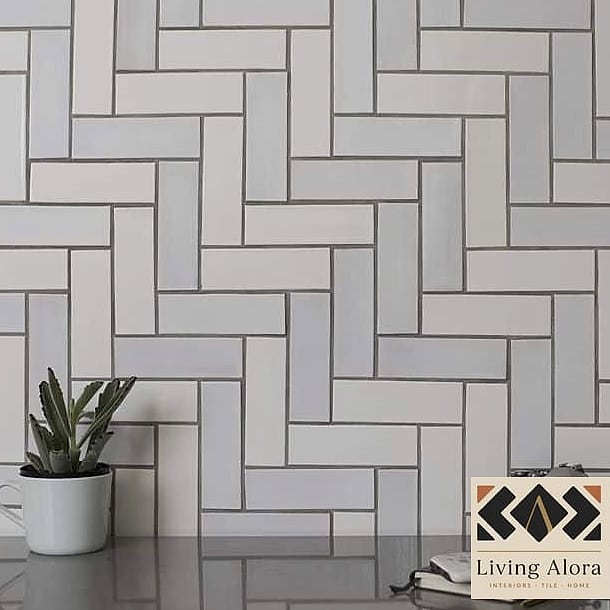
Herringbone adds movement to a floor without relying on bold color. It works with porcelain, ceramic, or even wood-look tile, and it tends to make narrow rooms like hallways or galley kitchens feel wider. Entryways are another great spot for it since the pattern hides scuffs and dirt better than a straight lay. Installation costs a bit more due to the extra cuts, but the visual payoff is worth it for a lot of homeowners.
Mosaic Tile Shower Floor

A mosaic floor gives you the traction of small tile with way more grout lines for slip resistance, which matters a lot in a wet shower. Designers like pairing it with larger format tile on the walls so the floor becomes a quiet textural detail rather than competing for attention. Penny rounds and small hexagons are popular shapes here. It’s a little more work to clean given all those grout lines, but a good grout sealer cuts down on maintenance significantly.
Bold Color Kitchen Backsplash

Not every kitchen needs to stay neutral. A backsplash in emerald green, cobalt blue, or terracotta can act as the room’s focal point, especially when cabinets and countertops stay simple. This works particularly well in kitchens where you want personality without committing to colored cabinetry, which is a bigger and pricier change. If you’re renting or nervous about commitment, peel-and-stick tile in bold colors is a low-risk way to test the look.
Fluted or Ribbed Tile Accent Wall
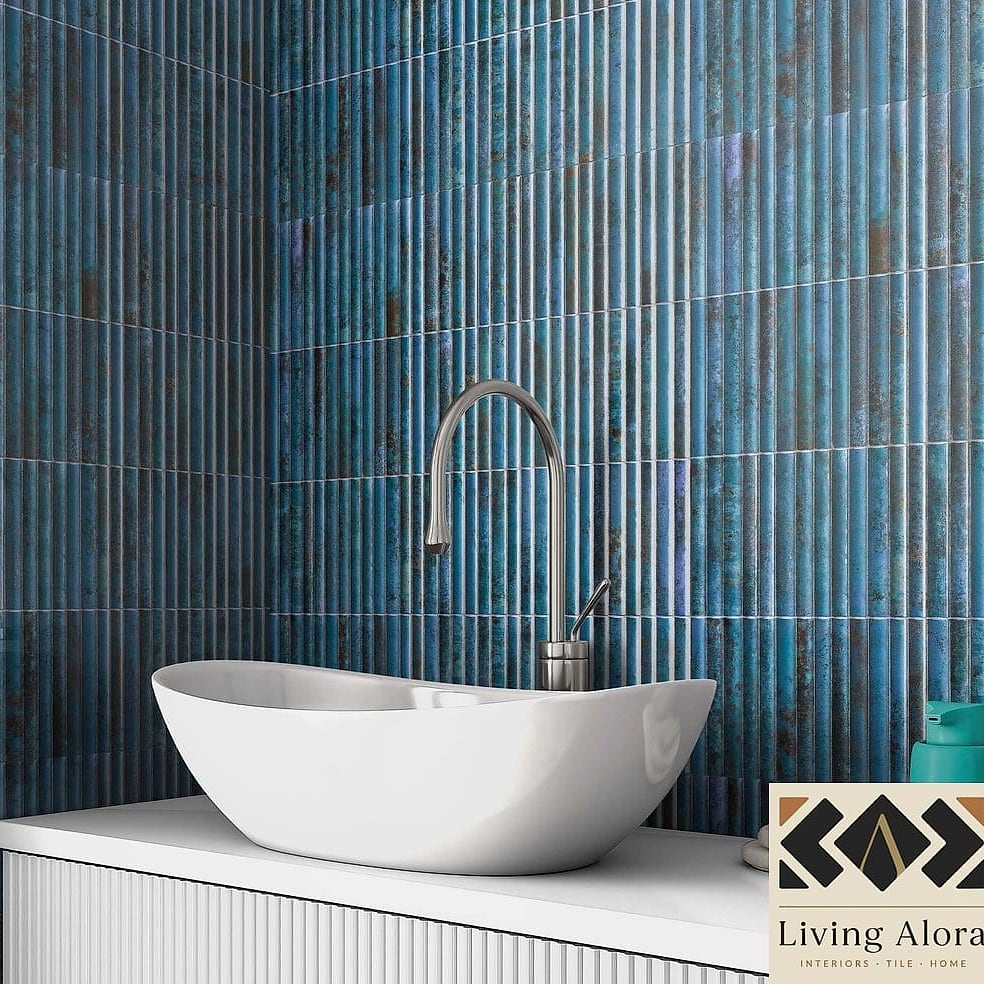
Dimensional tile with a fluted texture catches light in a way flat tile can’t, which gives a wall depth even before you add decor. It’s showing up a lot in bathroom vanity walls and as a statement behind a freestanding tub. The texture also does a nice job of hiding water spots between cleanings. It costs more than standard tile per square foot, but using it on just one wall keeps the budget reasonable.
Checkerboard Floor Tile

Checkerboard has cycled in and out of style for decades, but the current version leans softer, think cream and sage or black and warm white instead of the stark black-and-white of decades past. It’s a fun choice for a laundry room, mudroom, or kitchen floor where you want a little vintage charm. Because the pattern itself does the visual work, it pairs well with simple white walls and minimal decor elsewhere.
Large Format Porcelain Slab Tile

Large format tile means fewer grout lines, which translates to a cleaner look and genuinely easier upkeep. It’s popular for bathroom walls, showers, and even kitchen floors where a seamless, almost stone-like appearance is the goal. Porcelain slab can mimic marble or concrete convincingly at a fraction of the maintenance. Installation requires more precision and a contractor experienced with large tile, so it’s not usually a DIY-friendly project.
Terracotta Tile Flooring
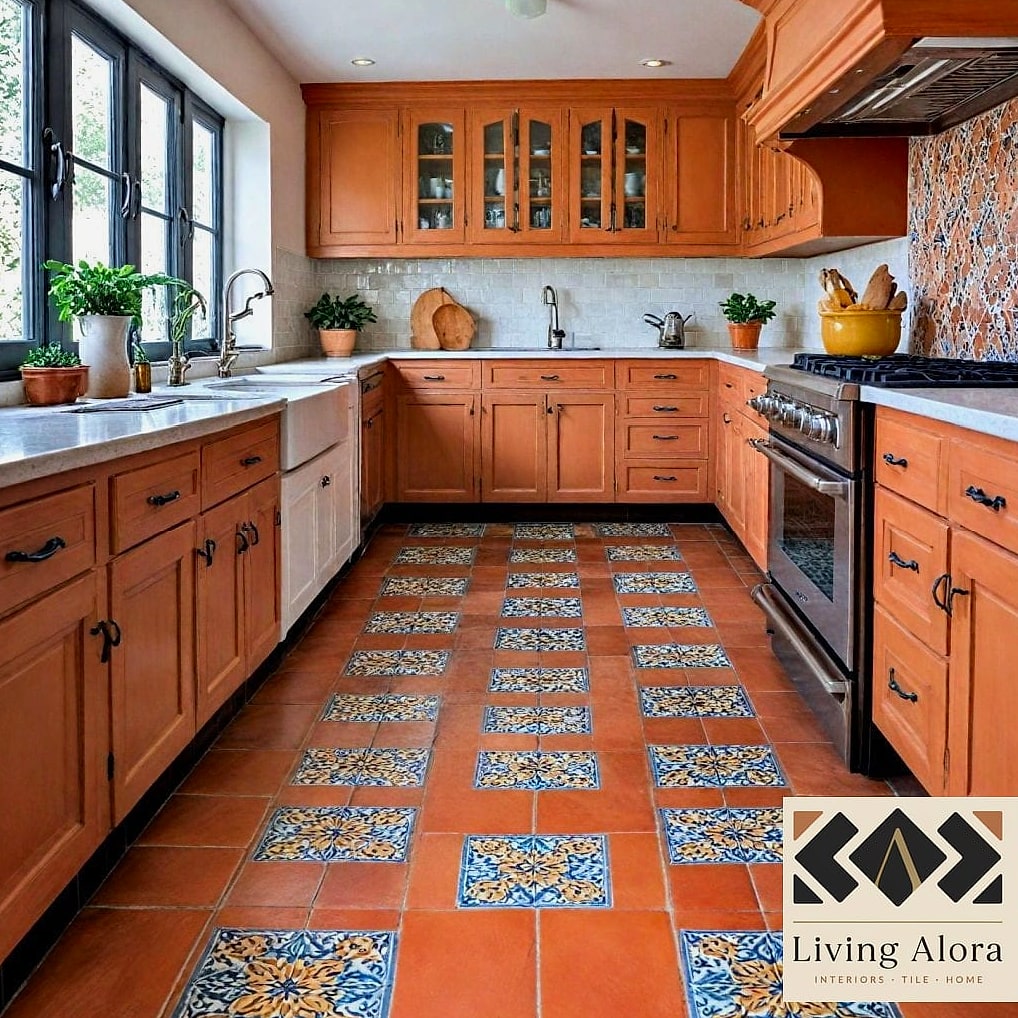
Terracotta brings warmth that a lot of cooler, more polished materials can’t match. It’s a natural fit for Mediterranean, Spanish colonial, or warm modern-farmhouse spaces, and it works especially well in sunrooms or kitchens with a lot of natural light. The material is porous, so it needs sealing, but that same quality gives it a lived-in patina over time that homeowners tend to love rather than fight against.
Hexagon Tile Bathroom Floor

Hexagon tile has a retro charm without feeling dated when done in the right scale and color. Small hexagons in black and white feel classic, while larger hexagons in a soft stone tone feel more current. It’s a great choice for a small bathroom floor since the shape adds interest without needing bold color. Some homeowners extend it partway up the shower wall for a cohesive, custom-built look.
Vertical Stacked Tile in a Shower
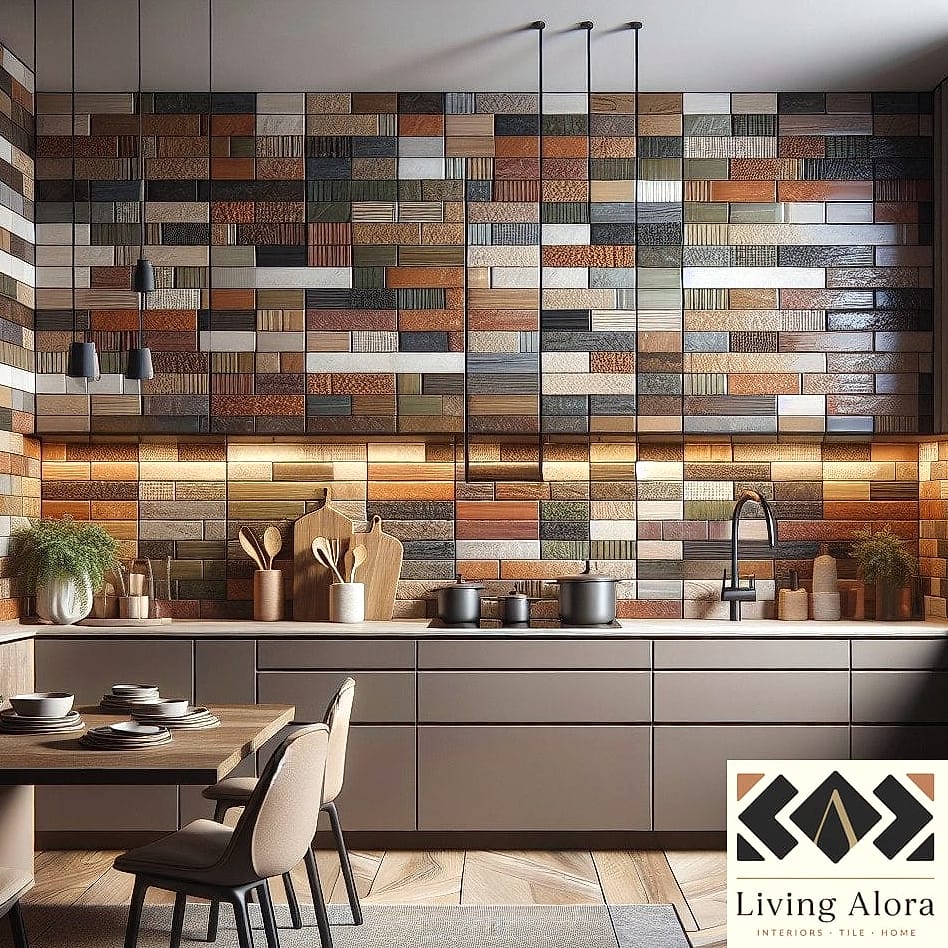
Running tile vertically instead of horizontally draws the eye upward, which makes a shower or an entire bathroom feel taller. It’s a subtle trick, but it genuinely changes how a space reads, especially in bathrooms with lower ceilings. Subway tile, plank tile, or even narrow marble tile all work well laid this way. It’s a simple request to make of your installer and doesn’t add meaningful cost.
Marble Look Tile in Kitchens
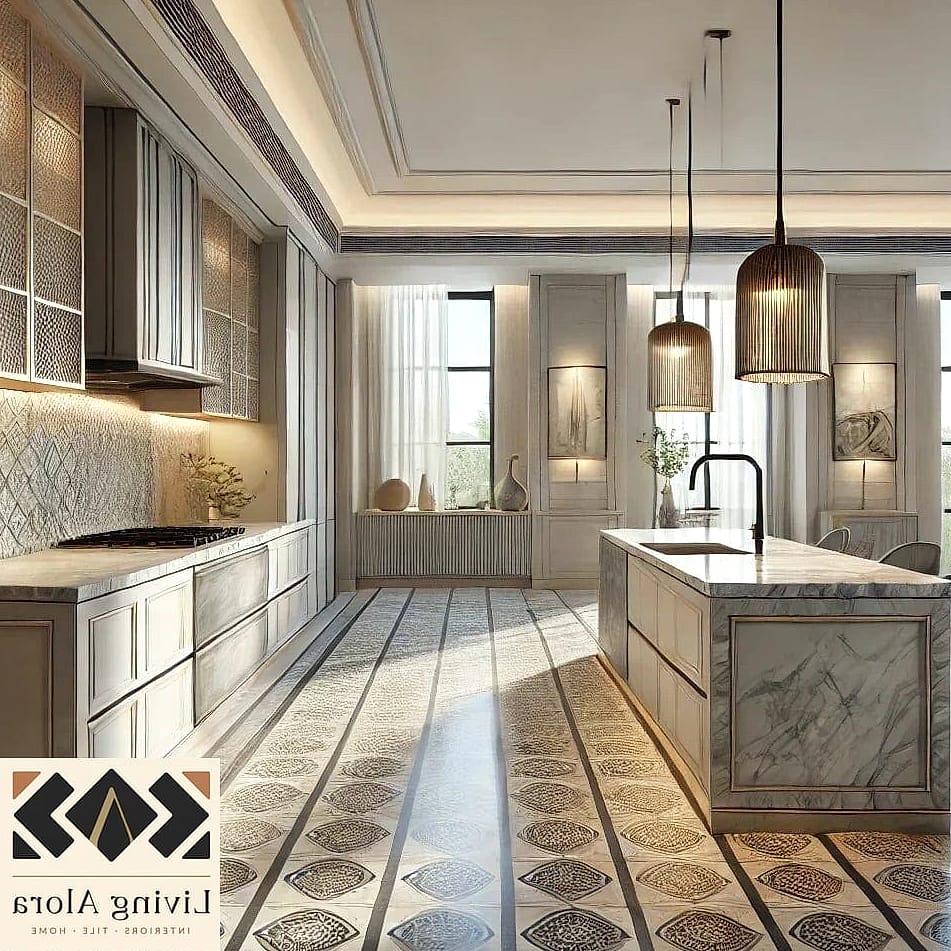
Real marble is beautiful but high maintenance, which is exactly why marble-look porcelain has become such a popular workaround. You get the veining and soft color variation without the staining and etching concerns that come with natural stone in a busy kitchen. It shows up often on backsplashes and even countertops now that printing technology has improved. Families who love the marble look but worry about red wine and lemon juice tend to gravitate here.
Encaustic Cement Tile Patterns
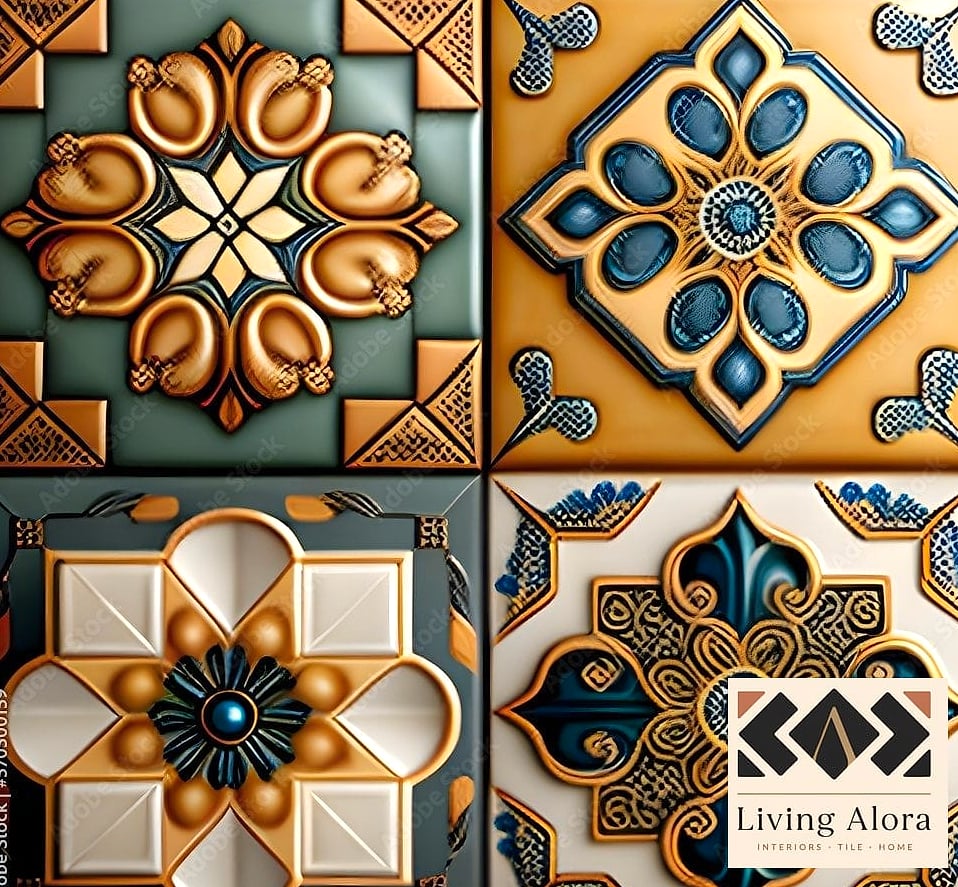
These tiles come with bold, often geometric patterns baked into the material itself rather than glazed on top, which gives them a slightly matte, old-world look. They’re a favorite for entryway floors and kitchen floors where you want a rug-like effect that never needs washing or replacing. Cement tile is porous and needs sealing, and it can be pricier than ceramic, but the pattern impact is hard to replicate with anything else.
Fish Scale or Scalloped Tile
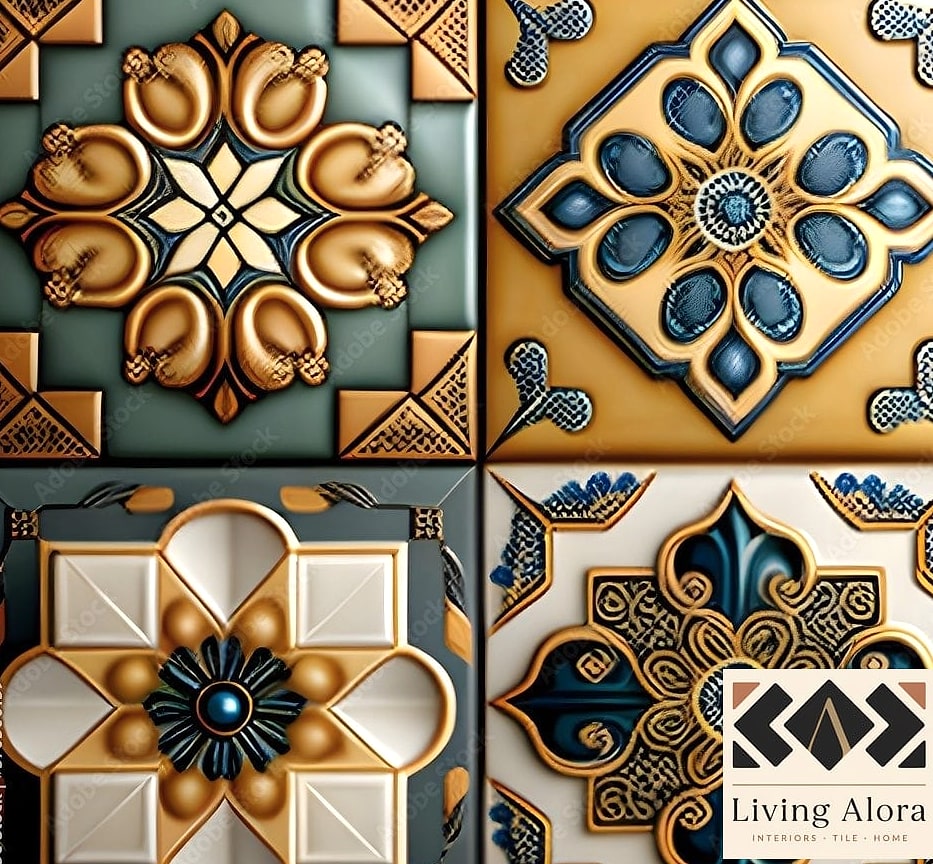
Scalloped tile has a playful, almost whimsical quality that works well in powder rooms or as a kitchen backsplash detail. The overlapping curved shapes create shadow and texture that flat tile simply doesn’t offer. It reads as more feminine and soft compared to sharp geometric patterns, which makes it a nice contrast in a home with a lot of straight lines elsewhere. Grout lines here take a bit more attention when cleaning due to the curves.
Warm Wood-Look Plank Tile
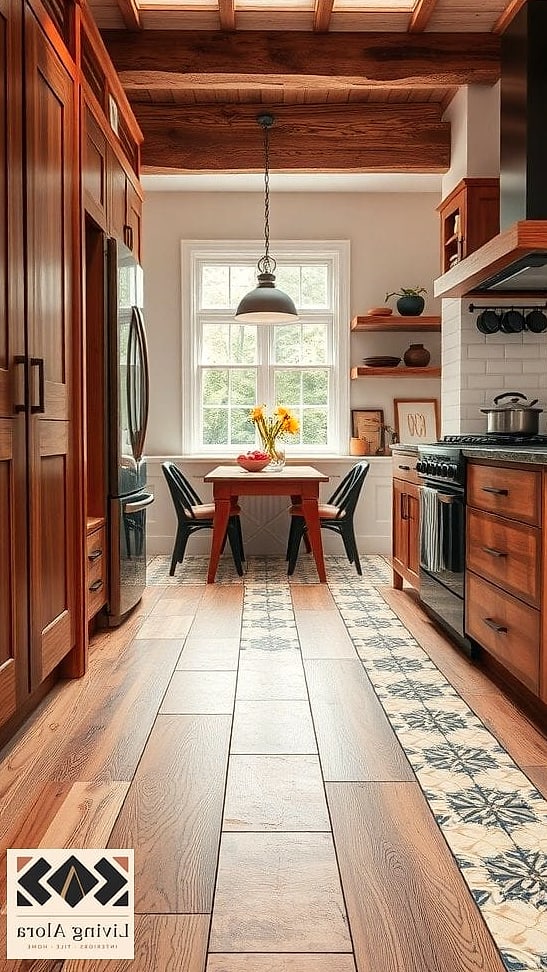
Wood-look tile has come a long way from the plasticky versions of years past. Modern porcelain plank tile has convincing grain and knot detail while staying completely water resistant, which makes it a smart choice for kitchens, entryways, and even bathrooms where real hardwood isn’t practical. It’s especially popular with families and pet owners who want the look of wood without worrying about scratches or water damage.
Two-Tone Tile Kitchen Backsplash

Splitting a backsplash into two tile styles, maybe subway tile on the lower portion and a decorative pattern behind open shelving, gives a kitchen a custom, layered feel. It’s a nice way to introduce pattern without covering an entire wall in something bold. Designers often use this trick to tie together two different metal finishes or cabinet colors in the same kitchen.
Moroccan Tile Accent
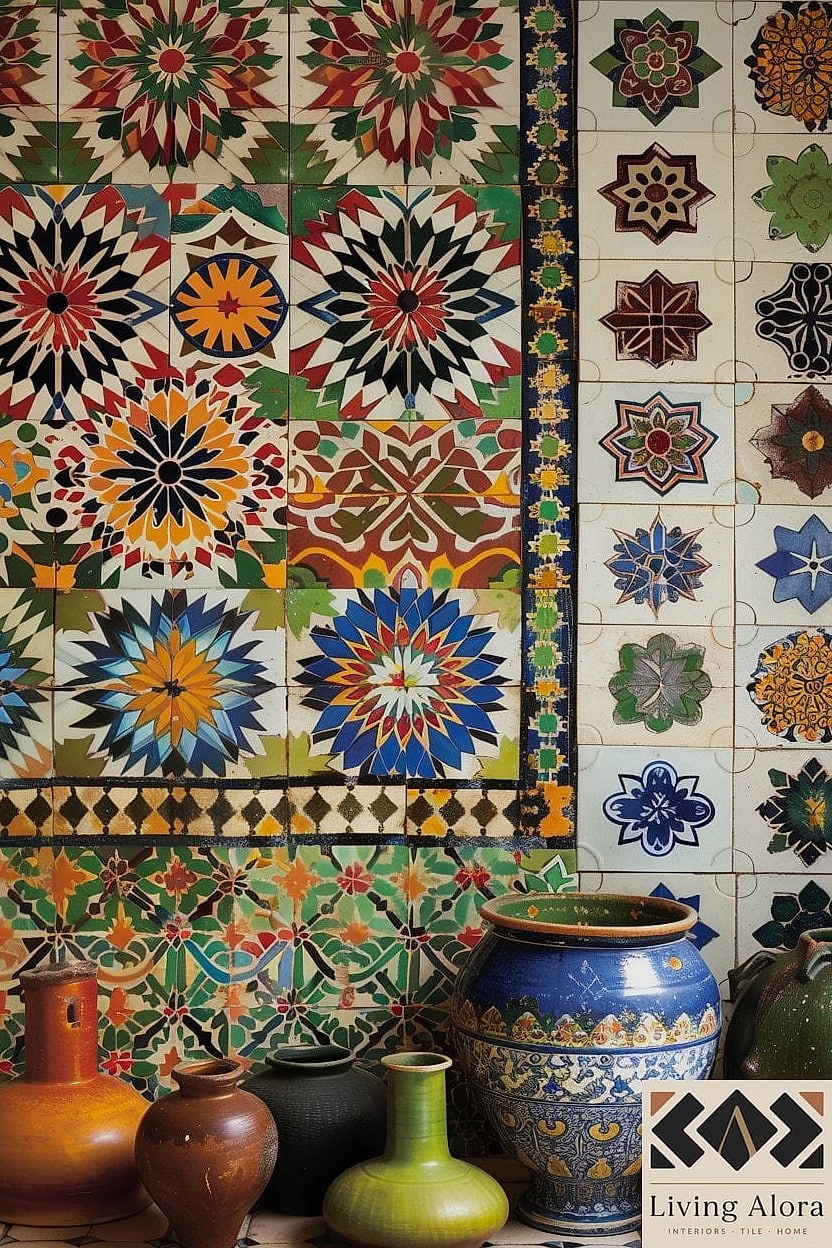
Moroccan-style tile, with its intricate geometric or floral motifs, makes a striking statement wherever it’s used, whether that’s a kitchen backsplash, a fireplace surround, or a bathroom floor. Because the pattern is so busy, it tends to work best as a focal point rather than covering every surface. Pairing it with plain white walls and simple fixtures keeps the room from feeling overwhelming.
Glossy Glass Tile Backsplash

Glass tile reflects light in a way ceramic just can’t, which makes a kitchen feel brighter, especially one without a ton of natural light. It’s easy to wipe down and resists staining, which is a practical bonus behind a stove or sink. Iridescent and subtly color-shifting glass tiles have become popular for adding a little shimmer without going full glam.
Textured Zellige-Style Kitchen Wall

Beyond the backsplash, some homeowners are tiling entire kitchen walls in textured, handmade-style tile to create an accent that reads more like art than a functional surface. It’s a bigger investment but turns a plain wall into the room’s main visual interest. This works especially well in kitchens with simple, shaker-style cabinetry that lets the tile take center stage.
Black Tile Bathroom Floor
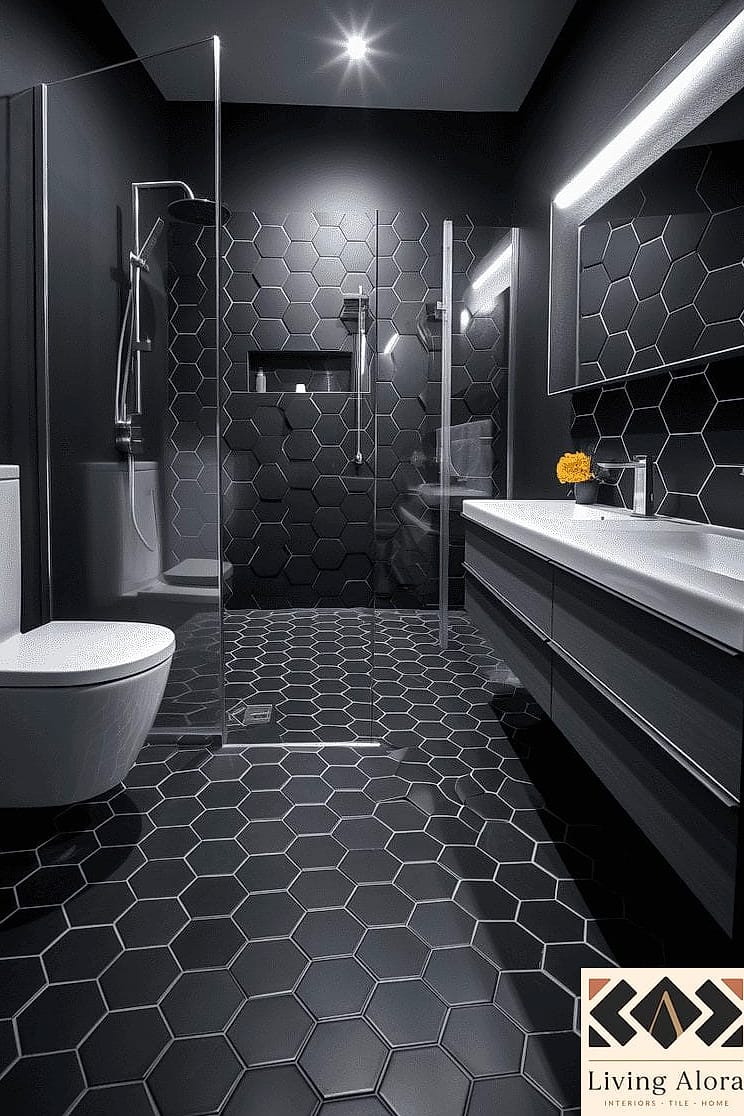
Black tile has moved from edgy to genuinely mainstream, especially in bathrooms where designers want contrast against white walls and fixtures. It photographs beautifully and hides certain kinds of grime well, though it can show water spots and dust more visibly than lighter tile. Matte black tile tends to hide these better than glossy black. It pairs nicely with brushed brass or matte black fixtures for a cohesive, moody bathroom.
Basketweave Tile Pattern

Basketweave tile creates a woven, textural look using simple rectangular tiles laid in an interlocking pattern. It’s a classic choice for bathroom floors and shower niches and tends to feel a bit more traditional than herringbone. Marble basketweave floors have a timeless, almost hotel-bathroom quality that a lot of homeowners are drawn to for primary bathroom renovations.
Colorful Grout as a Design Choice

Sometimes the tile itself stays neutral, but the grout does the talking. Choosing a grout in terracotta, navy, or forest green against plain white or cream tile creates a graphic, unexpected effect without needing a patterned tile at all. It’s a low-cost way to add personality, especially for a DIY backsplash project, since it’s really just a choice you’re making with the same materials you’d already be using.
Tile Backsplash That Extends to the Ceiling
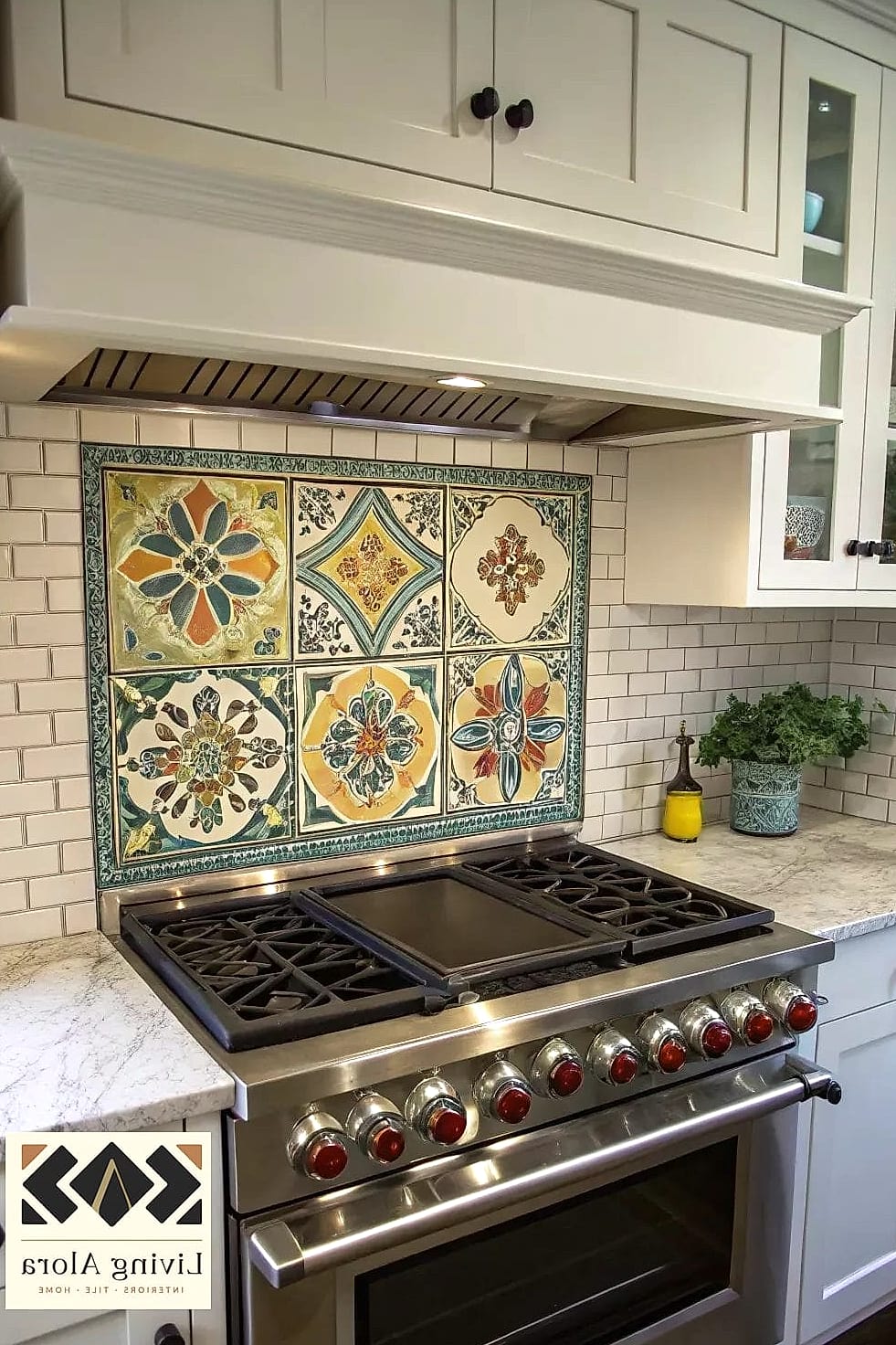
Instead of stopping a backsplash at the upper cabinets, running it all the way up to the ceiling creates a dramatic, high-end look, especially behind a range where there’s no upper cabinet in the way. It draws the eye upward and makes the ceiling feel higher. This works particularly well with vertically stacked subway tile or a striking pattern tile that deserves the extra visual real estate.
Pebble or River Rock Tile

Pebble tile brings an organic, spa-like texture that’s popular for shower floors and outdoor spaces like patios or pool surrounds. It offers natural slip resistance thanks to the uneven surface, which is a genuine safety perk in a wet area. It does require a bit more scrubbing to keep grime out of the crevices, but a lot of homeowners feel the natural, tactile look is worth that extra bit of care.
Whatever style catches your eye here, the tile you choose says a lot about how a space feels day to day, not just how it photographs. Start with where the tile needs to work hardest, whether that’s a high-traffic floor, a wet shower, or a kitchen wall that sees daily splashes, and let that guide the material before you fall for a pattern. The best tile choices are the ones that still make you happy to walk into the room five years from now.