11 How to Install Tile Ideas That Look Expensive But Aren’t
- Lay Standard Subway Tile in a Herringbone Pattern
- Install Large-Format Tile to Minimize Grout Lines
- Run Tile Vertically Instead of Horizontally
- Use a Stacked Layout for a Modern, Grid-Like Look
- Install Zellige-Look Porcelain for the Handmade Tile Effect
- Create a Tile Accent Wall Instead of Tiling the Whole Room
- Use Mosaic Tile Sheets for Intricate-Looking Patterns
- Add a Tile Border or Rug Effect on Floors
- Extend Backsplash Tile to the Ceiling
- Install Tile with a Bold Grout Color for a Custom Look
- Use Penny Tile or Small-Format Tile in a Focal Area
11 How to Install Tile Ideas That Look Expensive But Aren’t
Tile can make or break a room, and honestly, the install method matters just as much as the tile itself. I’ve seen budget porcelain look like Italian marble just because of a smart layout, and I’ve seen expensive stone look flat because it was laid the boring way. If you’re planning a kitchen or bathroom refresh, these installation ideas will help you get that high-end look without the high-end price tag.
Lay Standard Subway Tile in a Herringbone Pattern
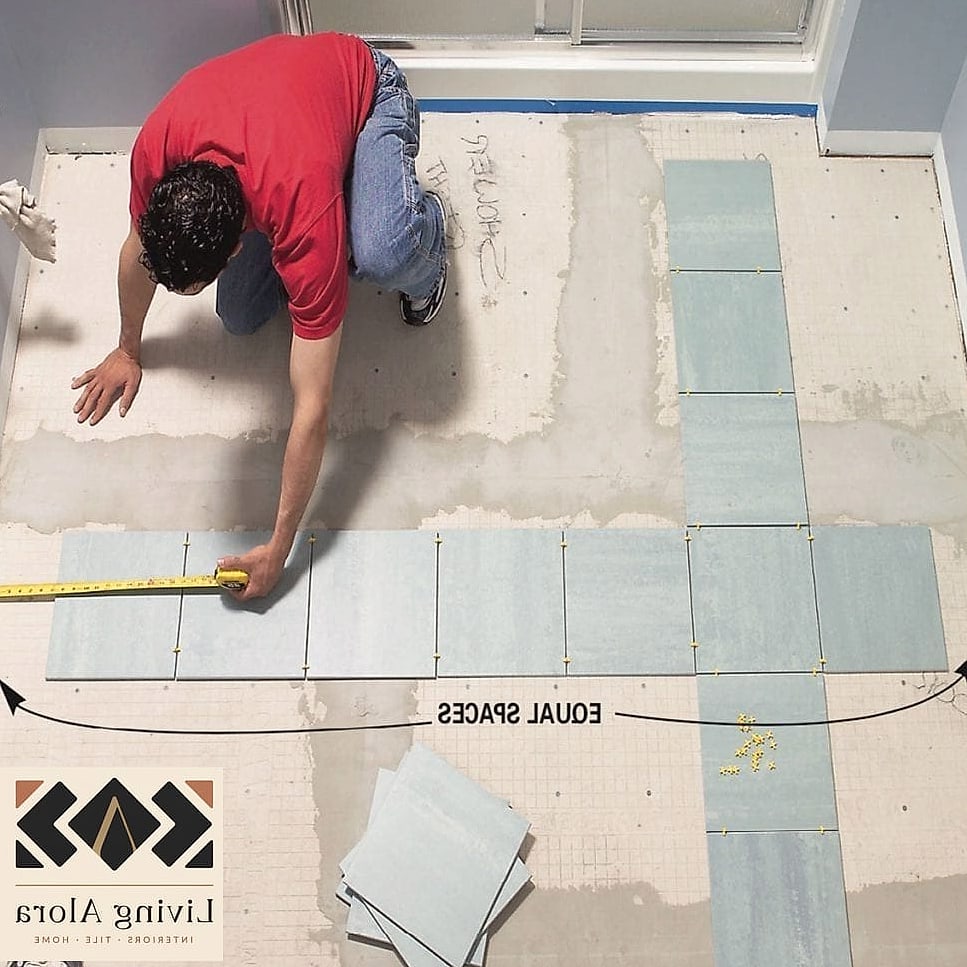
Subway tile is about as budget-friendly as it gets, but the herringbone pattern changes everything. Instead of the classic brick-stack layout, tiles are angled into a zigzag that instantly reads as custom.
This works beautifully on a kitchen backsplash or a shower accent wall. It takes a little more time and a few extra cuts, but you don’t need special tile to pull it off.
Pair it with a contrasting grout color to really make the pattern pop, or keep grout matched to the tile for a more subtle, elevated look.
Install Large-Format Tile to Minimize Grout Lines
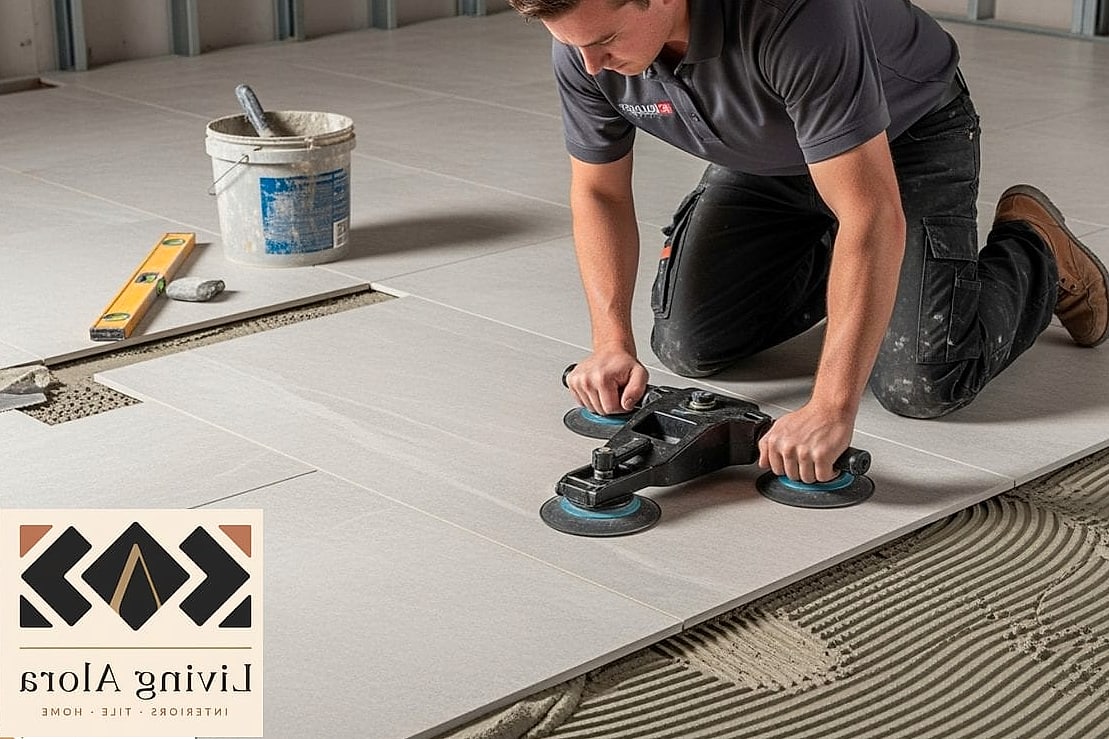
One of the easiest ways to fake an expensive look is simply using bigger tiles. Large-format porcelain (think 24×24 inches or larger) means fewer grout lines, and fewer grout lines almost always read as more luxurious.
This is a great choice for bathroom floors or shower walls where you want a clean, seamless feel. Less grout also means less scrubbing down the road, which is a win for anyone who hates cleaning grout lines on a Saturday morning.
Just know that large-format tile is heavier and less forgiving on uneven subfloors, so proper leveling matters more here than with smaller tiles.
Run Tile Vertically Instead of Horizontally
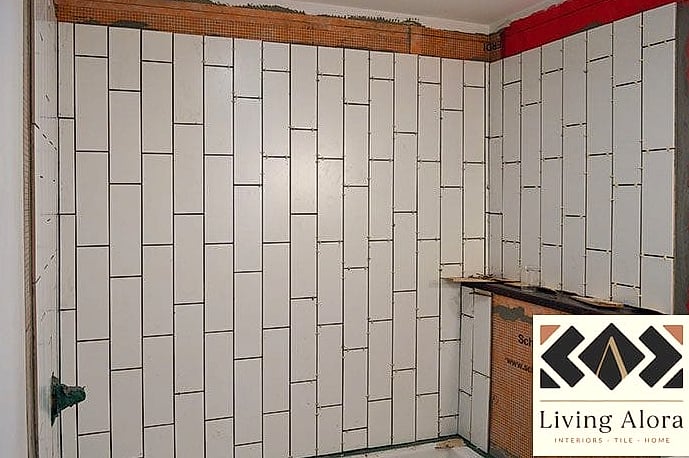
Sometimes the cheapest design trick is just changing direction. Installing tile vertically on a shower wall or behind a vanity draws the eye upward, which makes ceilings feel taller and rooms feel more architectural.
This works especially well with plain rectangular tile that might otherwise look basic laid the standard way. Vertical installation adds visual interest without costing a cent more per tile.
It’s a particularly good trick in smaller bathrooms where you want to create the illusion of height.
Use a Stacked Layout for a Modern, Grid-Like Look
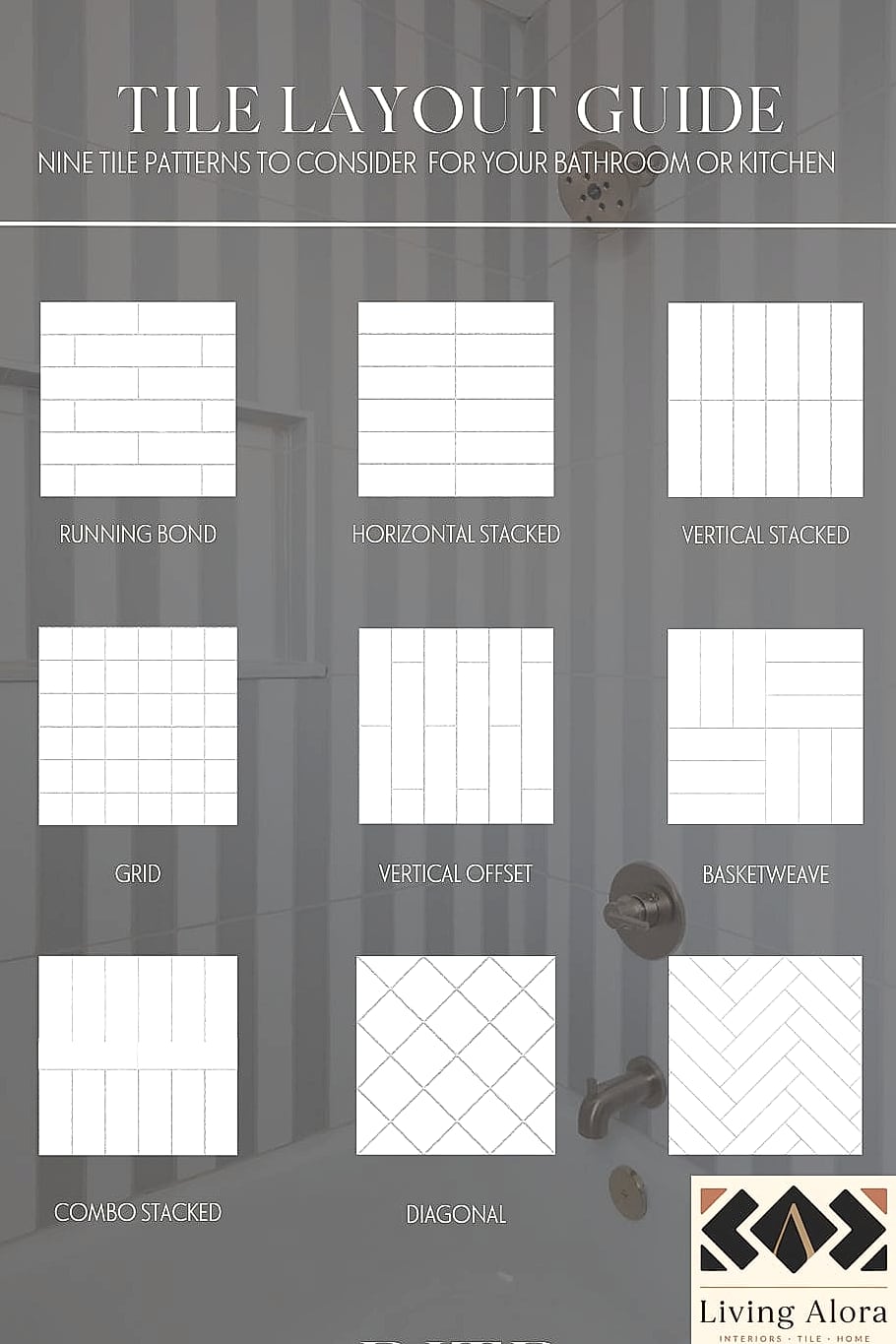
Stacked layout means lining tiles up in neat rows and columns instead of the traditional offset brick pattern. It’s clean, modern, and honestly a little more forgiving for DIYers since the lines are easier to keep straight.
This layout works great with subway tile, square tile, or even large-format porcelain in a kitchen or laundry room. The grid effect reads as intentional and architectural rather than “whatever was on sale.”
Keep grout lines thin and consistent for the sharpest look, since stacked layouts show any wobble more than staggered patterns do.
Install Zellige-Look Porcelain for the Handmade Tile Effect
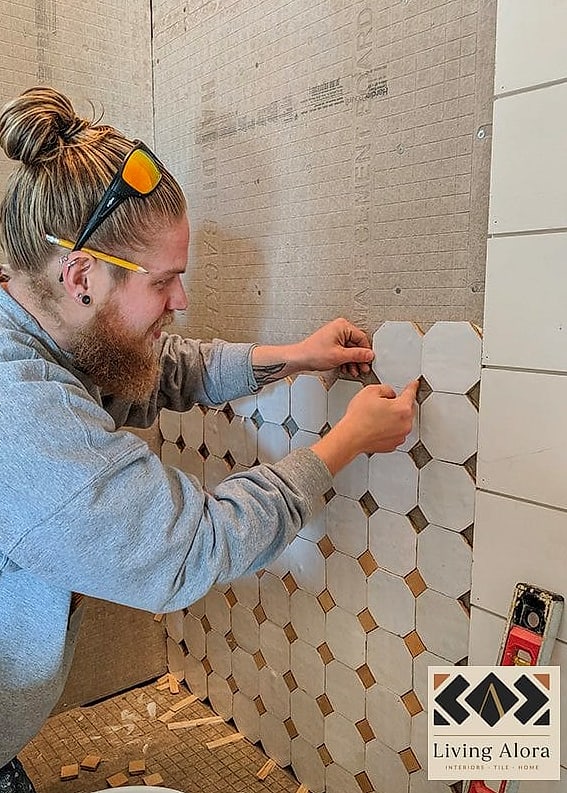
Real zellige tile is gorgeous but expensive, and honestly a little tricky to install because of its irregular shape. The good news is there are porcelain versions now that mimic that same handcrafted, slightly imperfect glaze without the price or the installation headache.
These look incredible on a kitchen backsplash where the subtle color variation catches the light throughout the day. They install just like standard tile, so there’s no special skill required.
If you want that Mediterranean, old-world charm without commissioning custom tile from Morocco, this is the move.
Create a Tile Accent Wall Instead of Tiling the Whole Room
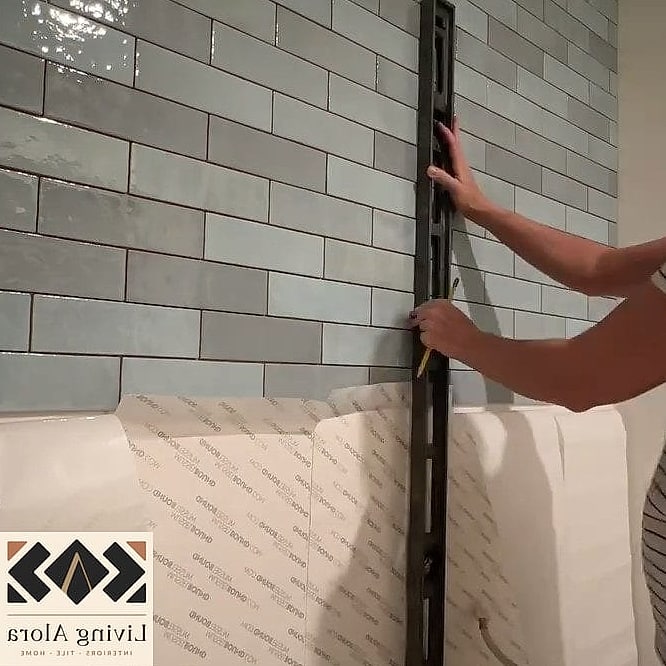
Full-room tile installation gets pricey fast, both in materials and labor. Instead, consider tiling just one wall as a statement feature.
This works wonderfully behind a bathtub, on a fireplace surround, or as a kitchen backsplash focal point above the stove. You get the visual impact of tile without covering every surface, which keeps both your budget and installation time in check.
It also gives you permission to splurge on a slightly nicer tile since you’re buying so much less of it.
Use Mosaic Tile Sheets for Intricate-Looking Patterns
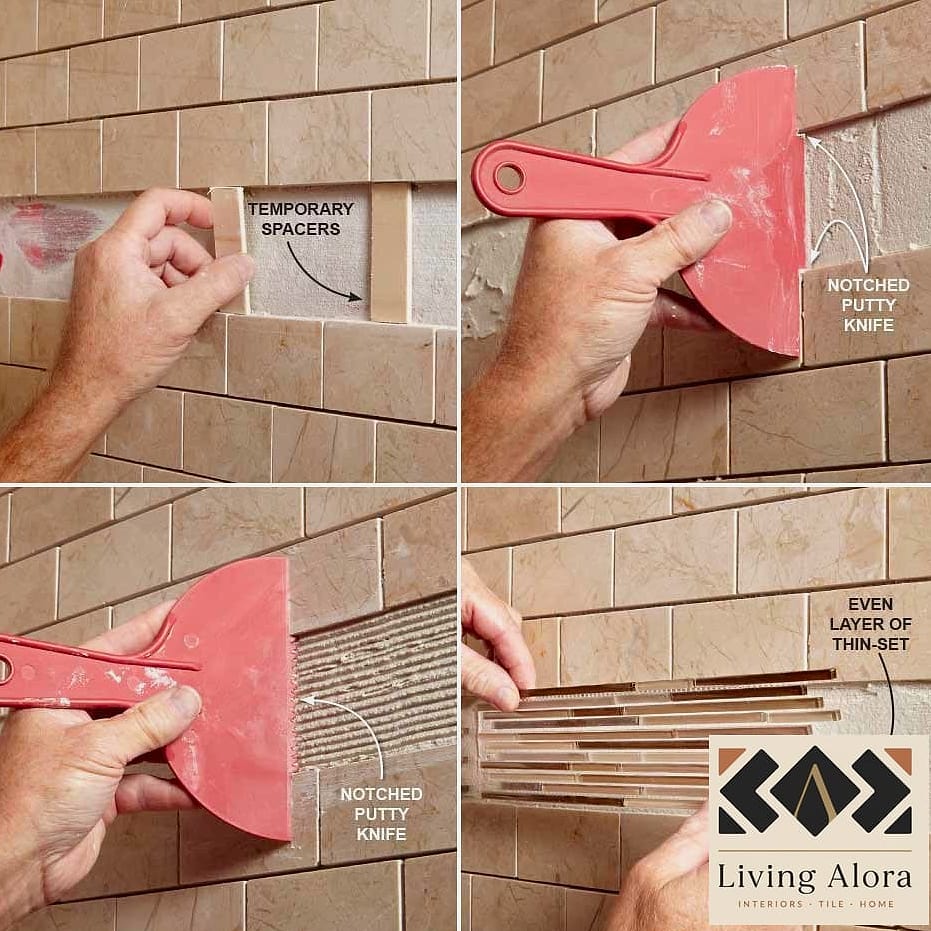
Mosaic sheets come pre-arranged on mesh backing, which means you get an intricate, detailed pattern without laying each tiny tile by hand. They install almost as easily as large-format tile since entire sheets go up at once.
These work great for shower floors, tub surrounds, or as a decorative border above a simpler field tile. The small pieces catch light differently and add texture that flat tile just can’t match.
Mosaic is also naturally slip-resistant thanks to all those grout lines, which makes it a smart pick for wet areas.
Add a Tile Border or Rug Effect on Floors
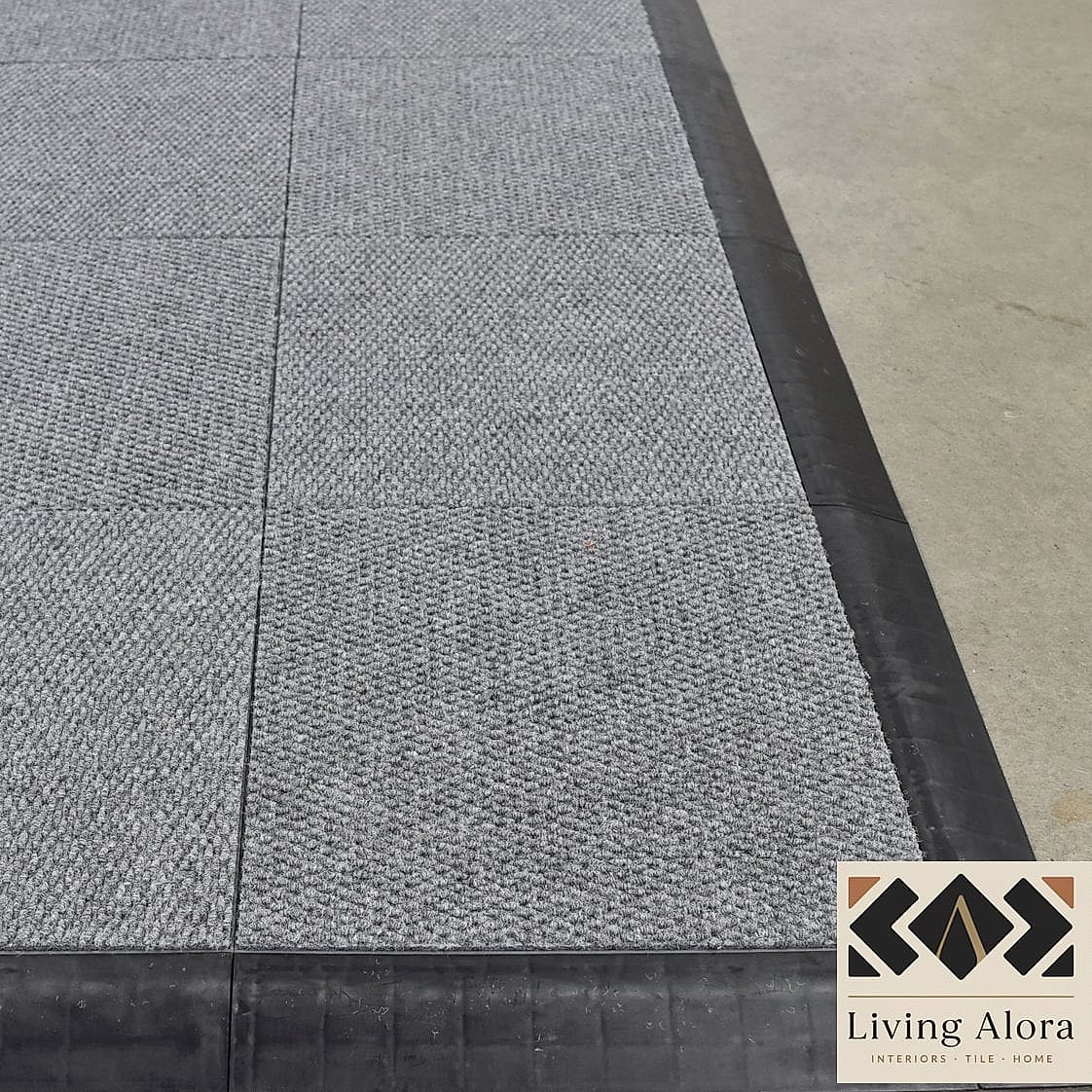
Instead of one continuous floor tile, install a contrasting border a few inches from the wall to mimic the look of an inlaid rug. This is a technique straight out of old European homes and hotels, and it adds serious character to an entryway or bathroom.
You can use a different color, pattern, or even a mosaic strip for the border while keeping the main field simple and neutral. It’s more installation work, but it’s not more expensive tile, just smarter placement.
This is one of those upgrades that instantly makes a floor feel more custom without requiring a full renovation.
Extend Backsplash Tile to the Ceiling
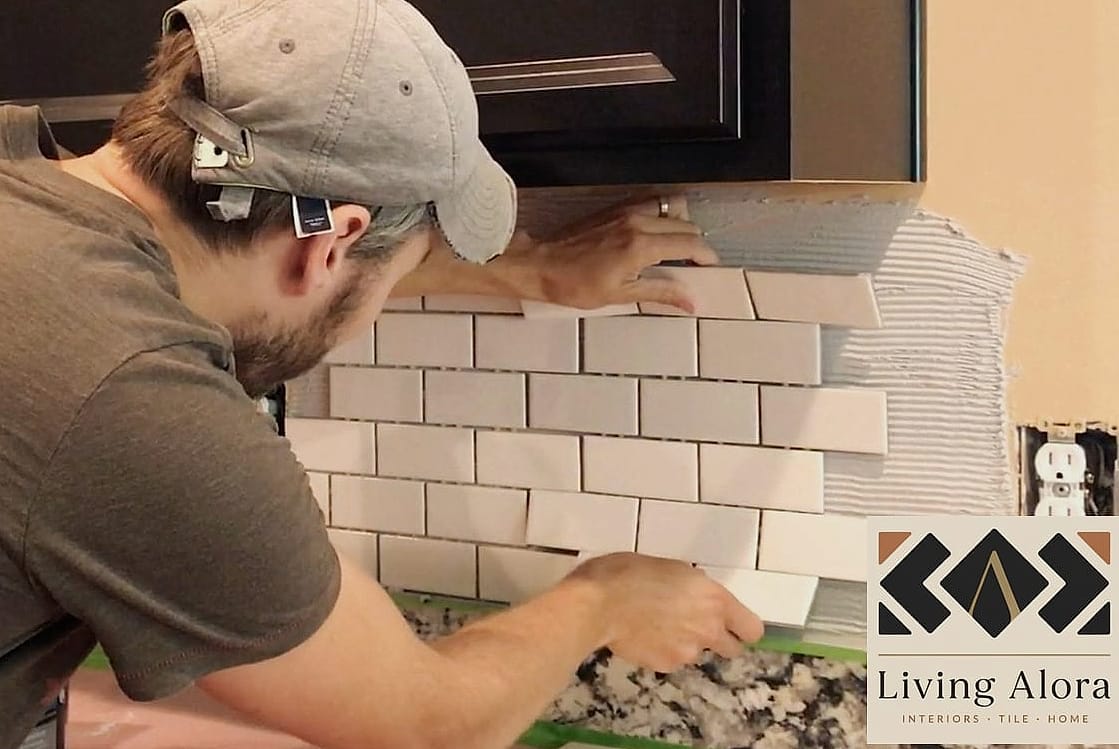
Most kitchens stop backsplash tile at the upper cabinets, but running it all the way to the ceiling creates a much more polished, built-in look. This is especially striking behind open shelving or around a range hood.
It uses more tile than a standard backsplash, sure, but it’s still far cheaper than a full remodel and reads as a much bigger design statement. Full-height tile also protects walls better in high-splatter zones near the stove.
If your budget only allows a small stretch, focus the full-height treatment right behind the cooktop where it has the most visual payoff.
Install Tile with a Bold Grout Color for a Custom Look
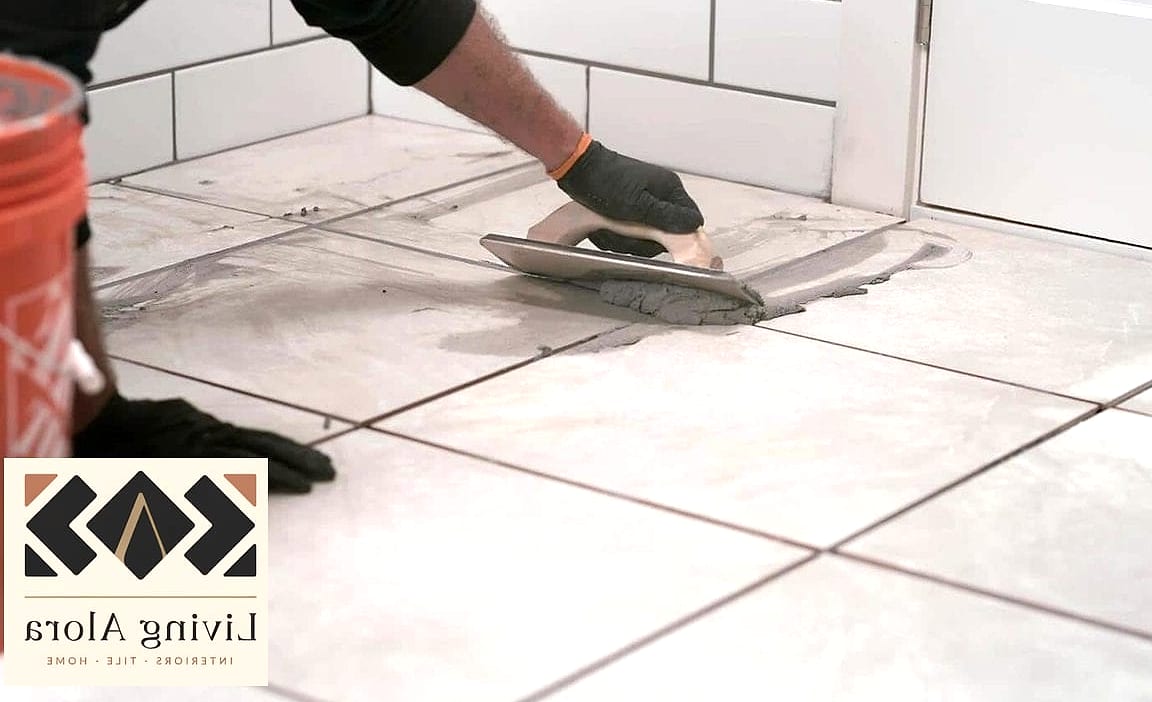
Sometimes the tile itself doesn’t need to change at all. Swapping standard white grout for charcoal, terracotta, or a deep forest green completely shifts the personality of a simple tile install.
This trick works especially well with plain white subway tile or basic hexagon tile, since the contrast makes the pattern the star. It’s a low-cost way to make builder-grade tile feel like a deliberate design choice.
Just keep in mind that colored grout can show wear differently than white, so sealing it well matters for long-term maintenance.
Use Penny Tile or Small-Format Tile in a Focal Area
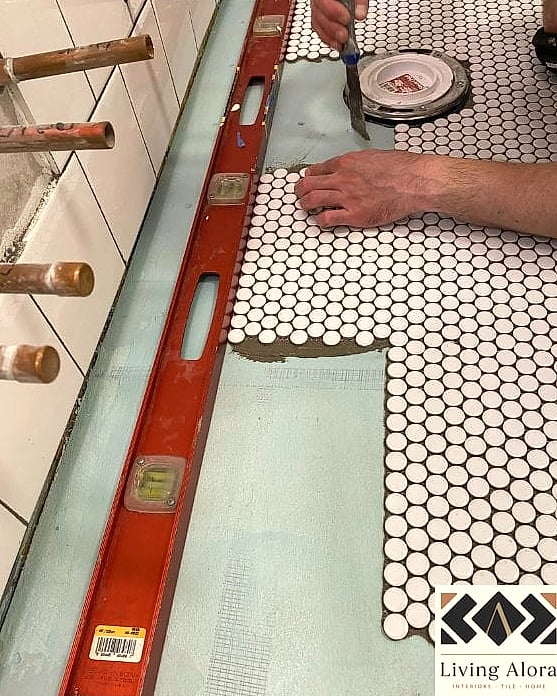
Small-format tile, like penny rounds or tiny hexagons, has a handmade, boutique feel that larger tile just doesn’t replicate. Installing it in a smaller focal area, like a bathroom floor or a niche inside a shower, keeps costs reasonable since you’re not covering acres of square footage.
These tiles work beautifully in a neutral palette with a contrasting grout, or in a playful pattern if you want more personality. They do take longer to install because of all those individual pieces, but the visual payoff in a small space is significant.
This is a great option if you’re chasing that boutique hotel bathroom look on a real-world budget.
Whatever combination you choose from this list, remember that installation technique is doing a lot of the heavy lifting here. A layout change, a grout color swap, or a smart accent wall can make budget-friendly porcelain or ceramic tile look like it came from a much bigger renovation budget. Start with one idea that fits your space and skill level, and don’t be afraid to mix a couple of these techniques together for an even more custom result.