12 Backsplash for Tiny Kitchens Make Your Ideas That Look Expensive But Aren’t
- Classic White Subway Tile
- Zellige Tile in Soft Neutrals
- Vertical Stacked Subway Tile
- Herringbone Pattern in Neutral Tones
- Marble-Look Porcelain Tile
- Mosaic Tile Accent Strip
- Peel-and-Stick Tile for Renters
- Bold Colored Tile as a Statement Wall
- Natural Stone with a Honed Finish
- Extended Backsplash to the Ceiling
- Two-Tone Tile Layout
- Textured Ceramic Tile with Matte Finish
12 Backsplash for Tiny Kitchens Make Your Ideas That Look Expensive But Aren’t
Small kitchens get a bad reputation, but honestly, they’re some of the easiest spaces to make look high-end. When you’ve only got a few feet of wall to work with, every material choice carries more visual weight, which means small upgrades read as big design decisions. A backsplash is one of those details that punches way above its cost, especially in a compact kitchen where it’s basically the focal point whether you planned it that way or not.
I’ve put together twelve backsplash ideas that work beautifully in tiny kitchens without draining your renovation budget. Some are classic, some are a little unexpected, but all of them give off that custom, designed-on-purpose feeling.
Classic White Subway Tile

There’s a reason this one never goes out of style. White subway tile bounces light around a small kitchen, which instantly makes the room feel bigger and brighter. It works in almost any kitchen style, from farmhouse to modern minimalist, so it’s a safe bet if you’re not sure what direction you want to go.
Keep the grout white or very light gray for a seamless, expansive look, or go with a soft gray grout if you want a bit more definition between tiles. This is also one of the most budget-friendly options out there, and ceramic subway tile is genuinely DIY-friendly if you’re comfortable with a tile cutter and some patience.
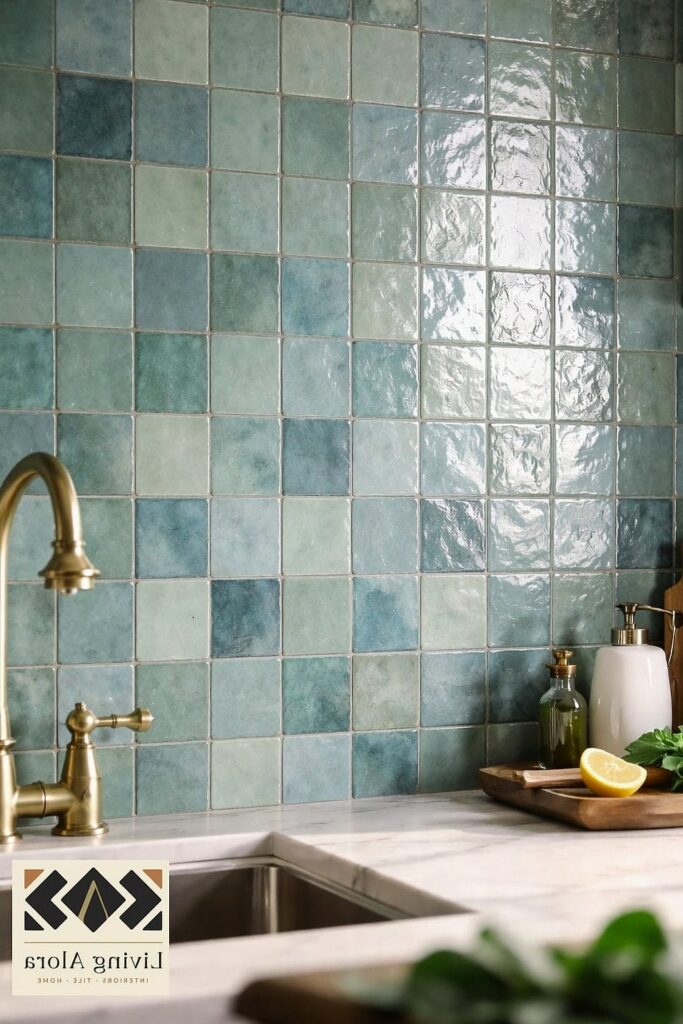
Zellige Tile in Soft Neutrals
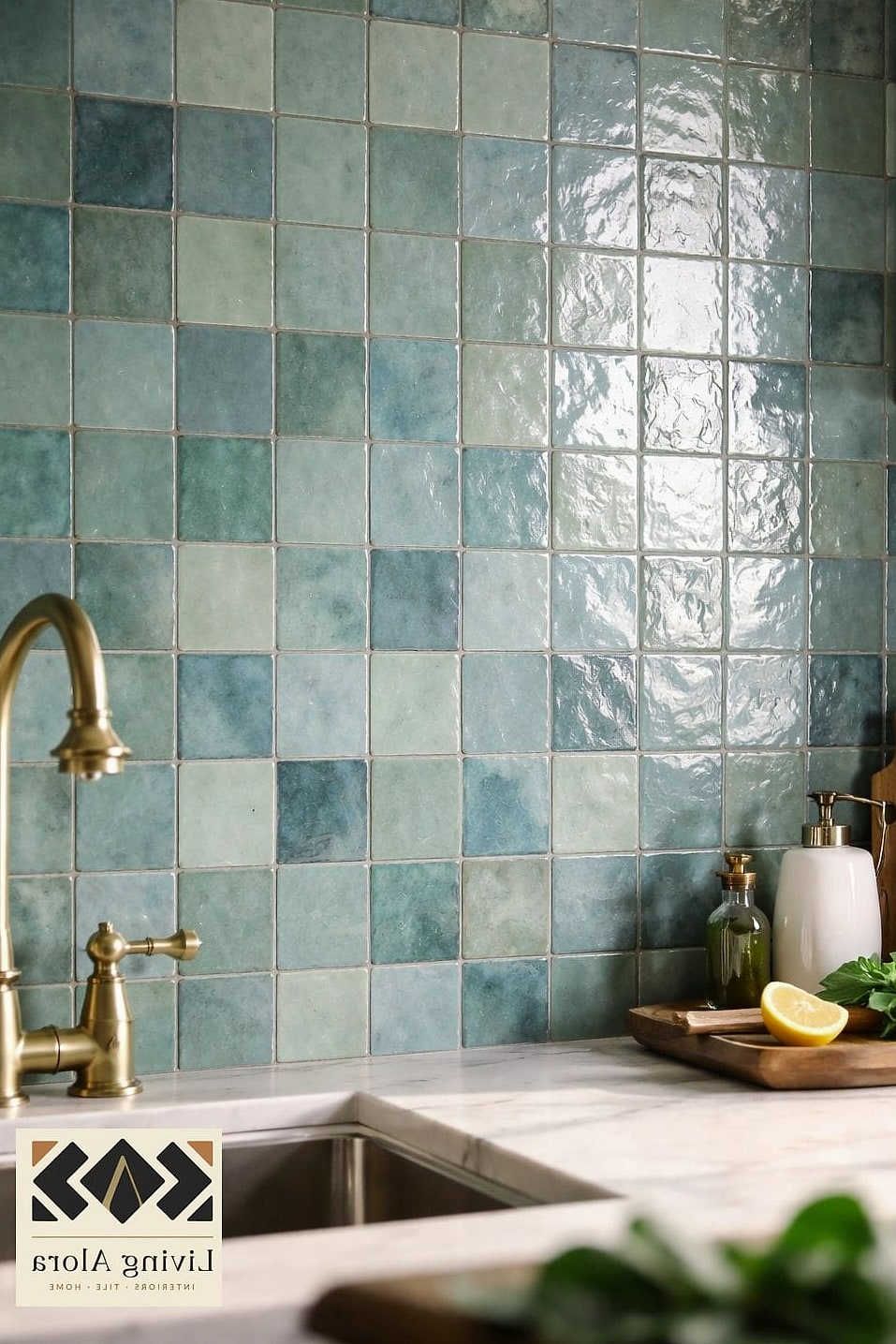
Zellige tile has that handmade, slightly imperfect look that makes a kitchen feel collected rather than builder-grade. Each tile has subtle variations in color and texture, so the wall catches light differently depending on where you’re standing. In a tiny kitchen, that movement adds depth without adding visual clutter.
Stick to warm neutrals like cream, sand, or soft terracotta if you want the tile to feel grounding rather than loud. Zellige runs pricier than standard ceramic, but using it just on the backsplash instead of a full wall keeps the cost manageable while still giving you that boutique-hotel feeling.
Vertical Stacked Subway Tile
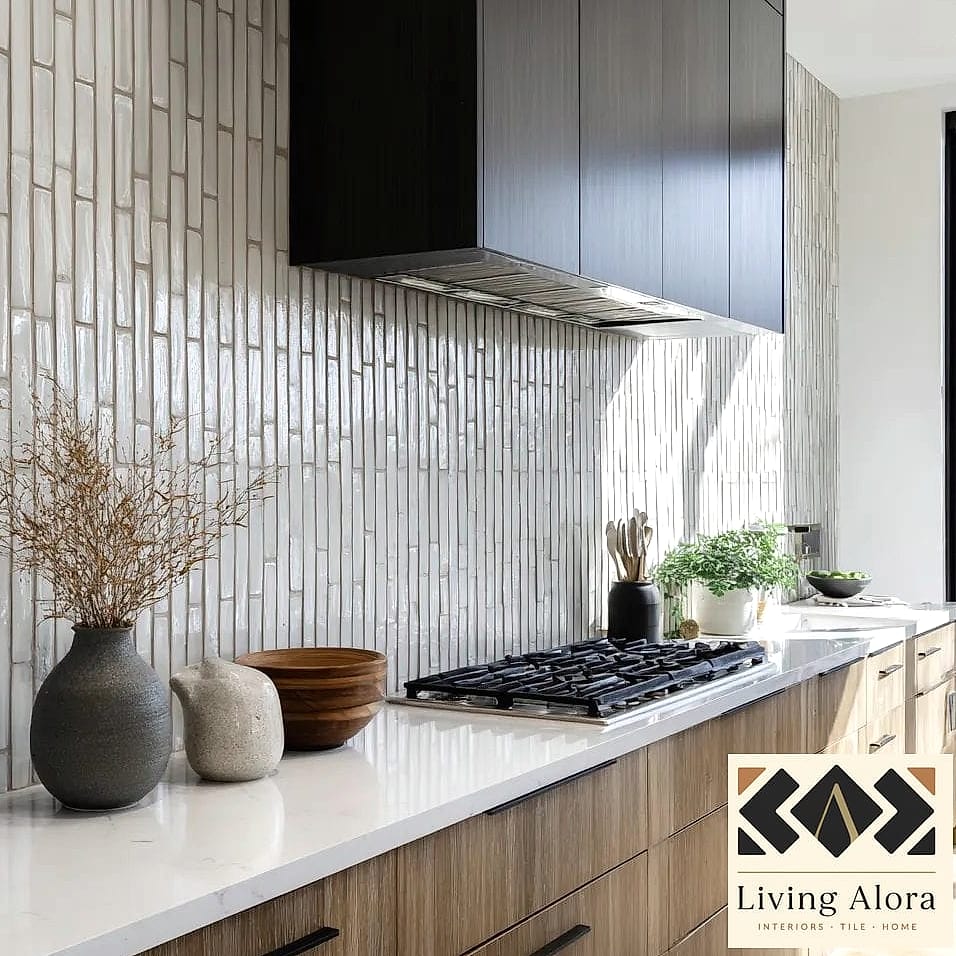
Instead of the traditional brick-lay pattern, try stacking subway tile in straight vertical or horizontal lines. This installation trick draws the eye upward, which visually raises your ceiling height and makes a cramped kitchen feel taller. It’s a small tweak, but it changes the whole personality of an otherwise ordinary tile.
This layout works especially well behind a stove or sink where you want a clean, architectural moment. It’s not much more difficult to install than a standard pattern, so it’s still very doable as a weekend DIY project.
Herringbone Pattern in Neutral Tones
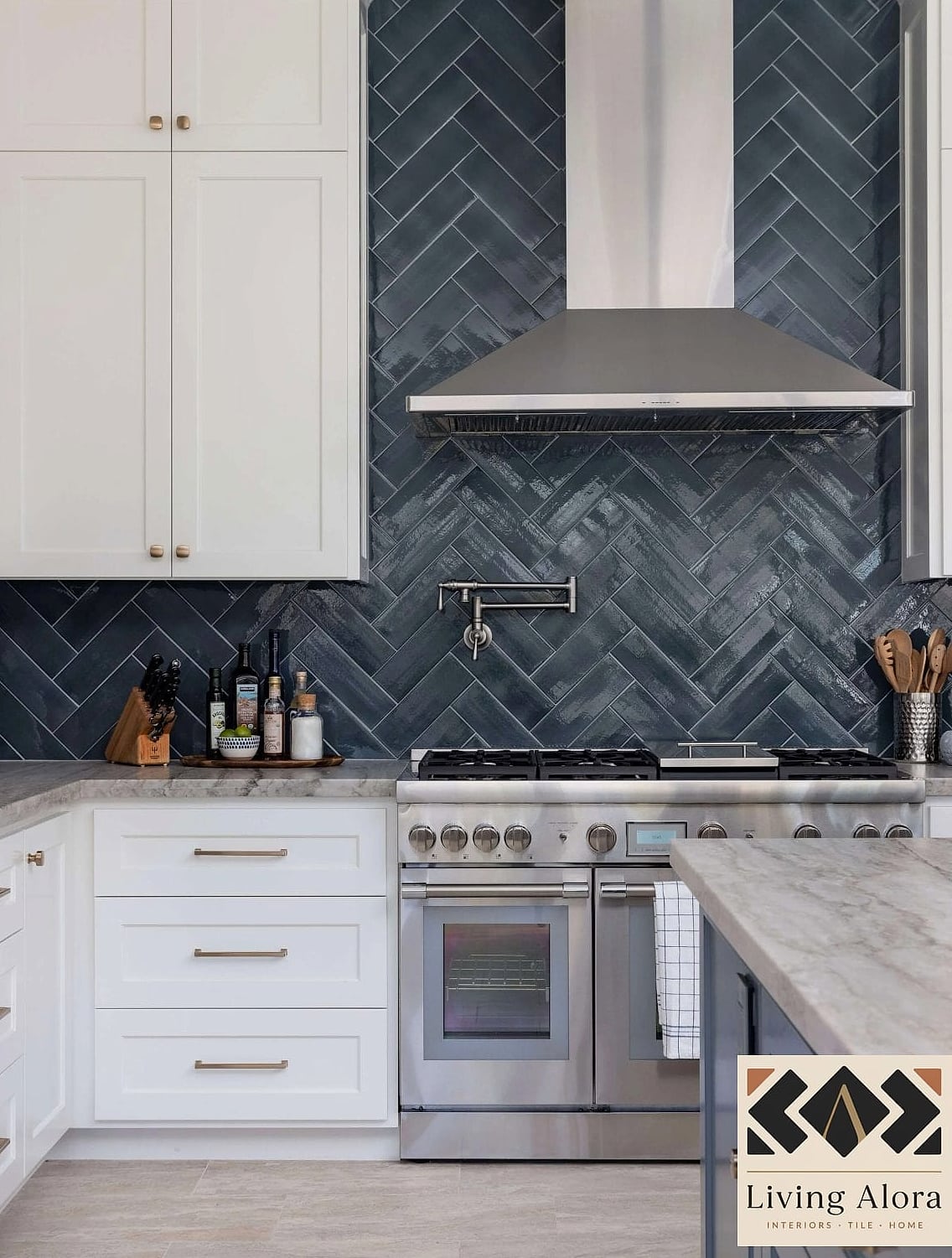
Herringbone is one of those patterns that reads as custom millwork even when the material itself is inexpensive. The zigzag layout adds movement and texture to a small wall without introducing extra color, which keeps things feeling calm rather than busy.
Choose a matte finish tile in soft white, warm beige, or greige for the most timeless result. This pattern does take a little longer to install because of all the angle cuts, so if you’re hiring it out, expect labor costs to run a bit higher than a straight-lay job.
Marble-Look Porcelain Tile
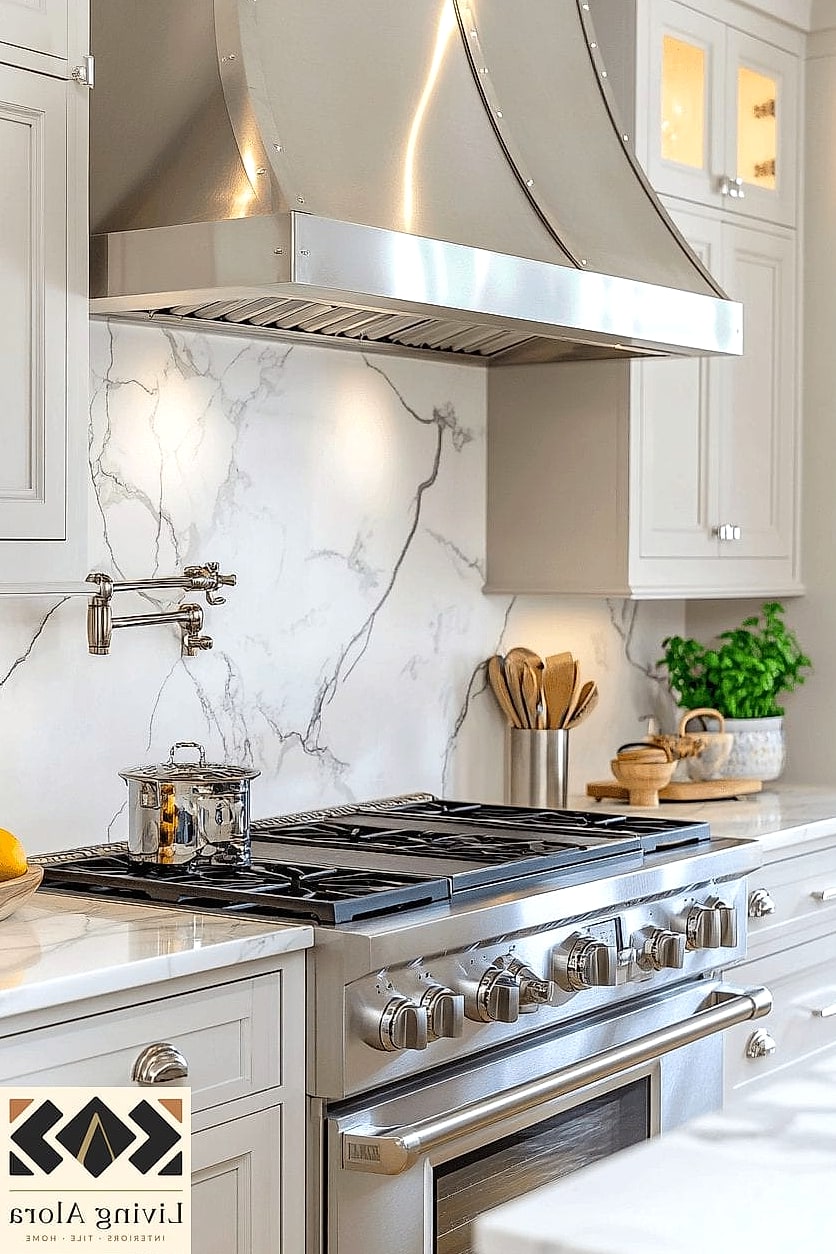
Real marble is gorgeous but notoriously high-maintenance, especially in a busy kitchen where splatters and spills happen daily. Marble-look porcelain gives you that same veined, luxurious appearance without the staining or etching worries. Honestly, most people can’t tell the difference from a few feet away.
This is a smart pick for anyone who wants a natural stone look but doesn’t want to seal tile every year or babysit it around acidic ingredients. Porcelain is also more forgiving for renters or first-time DIYers since it’s a bit more durable during installation.
Mosaic Tile Accent Strip
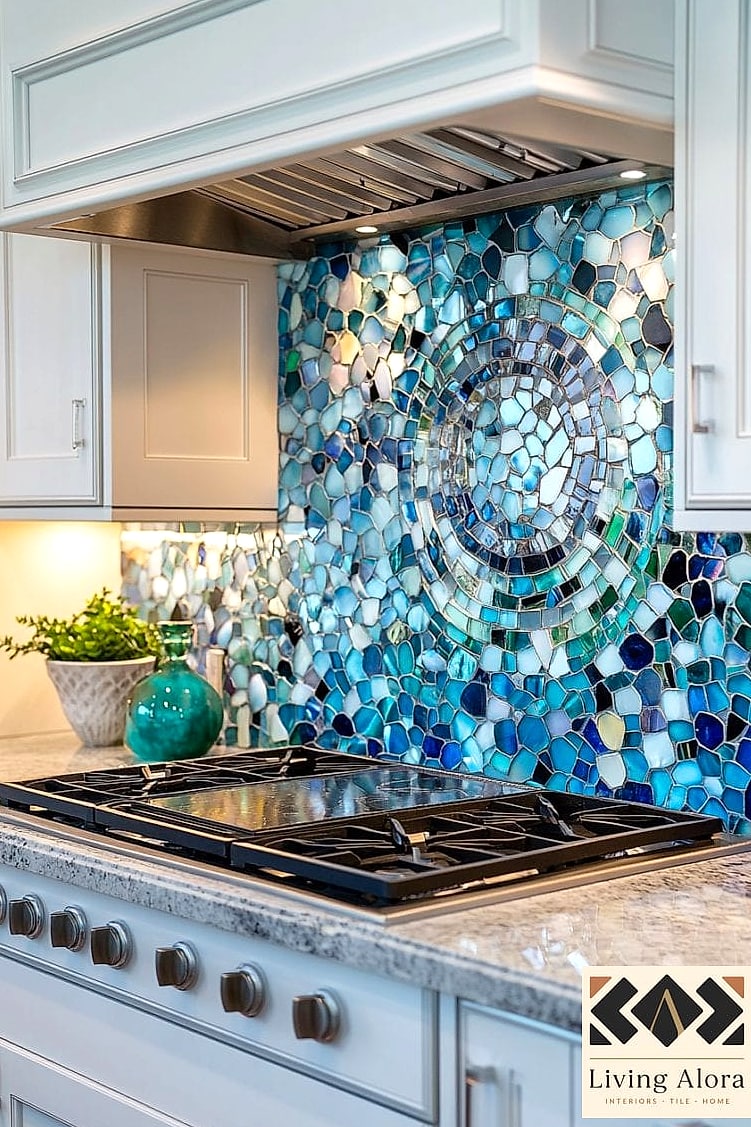
If a full backsplash feels like too much commitment, try a mosaic tile strip as an accent between your countertop and upper cabinets. Small hexagon or penny tile mosaics add texture and personality in a concentrated dose, which works really well in a tiny kitchen where you don’t want to overwhelm the space.
Pair it with plain painted walls above for contrast, or extend it slightly behind open shelving for a cohesive look. This approach is also easier on the wallet since you’re covering less square footage overall.
Peel-and-Stick Tile for Renters
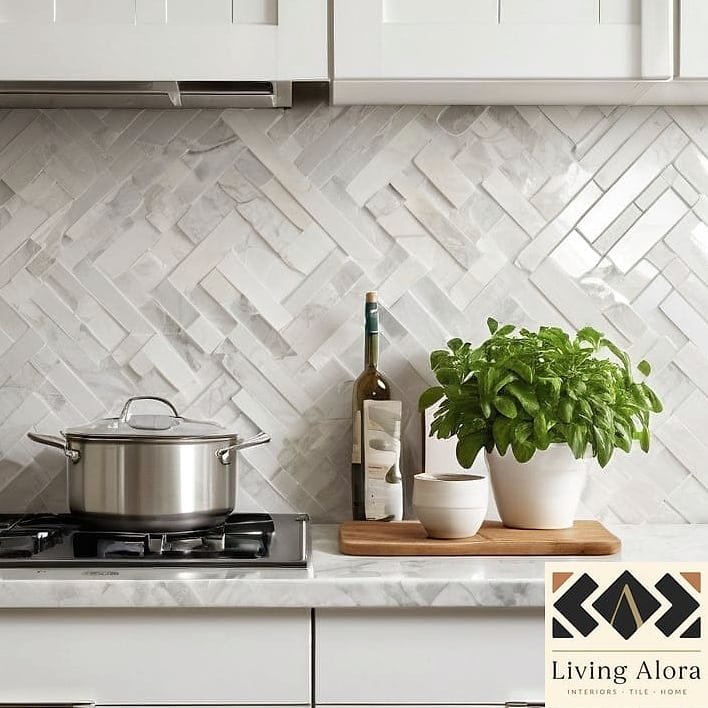
Renters and apartment dwellers, this one’s for you. Peel-and-stick backsplash tile has come a long way, and some of the higher-quality options genuinely look like real ceramic or glass tile once installed. It’s one of the most renter-friendly upgrades you can make since it typically removes cleanly without damaging the wall behind it.
Look for textured or embossed options rather than flat printed designs, since those tend to photograph and read as more authentic in person. It’s also a great low-commitment way to test a bold pattern before investing in something permanent.
Bold Colored Tile as a Statement Wall
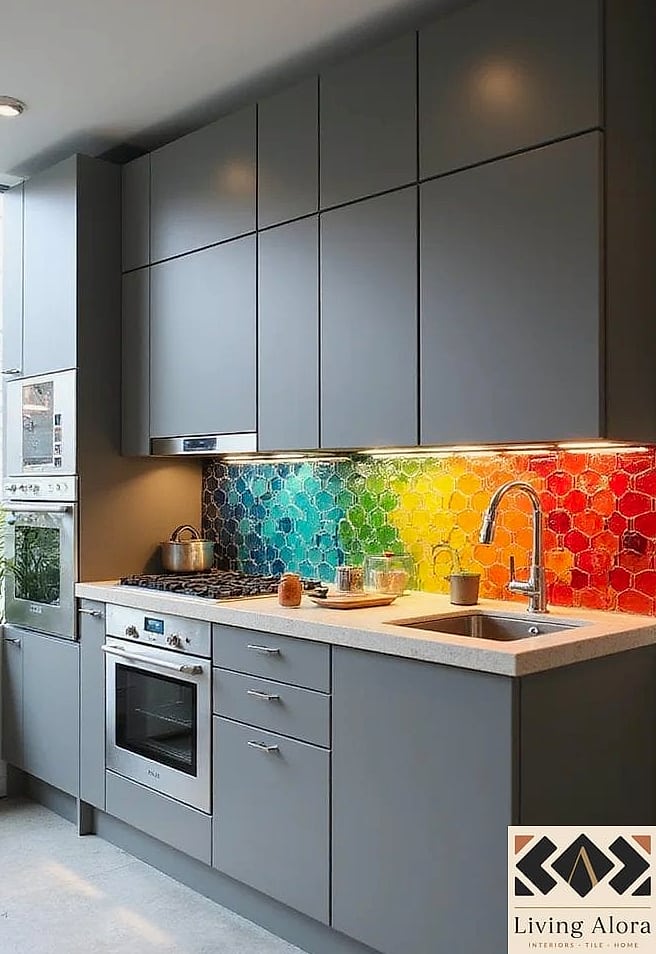
A tiny kitchen is actually the perfect place to experiment with color, because you’re not committing to covering a huge wall. Deep green, navy, or terracotta tile behind the stove can act like a piece of art, giving the whole room a focal point that feels intentional and designed.
Balance a bold backsplash with simpler cabinetry and neutral countertops so the color doesn’t compete with too many other elements. This is a great spot to splurge slightly on a designer tile since you’re only buying enough for a small area.
Natural Stone with a Honed Finish
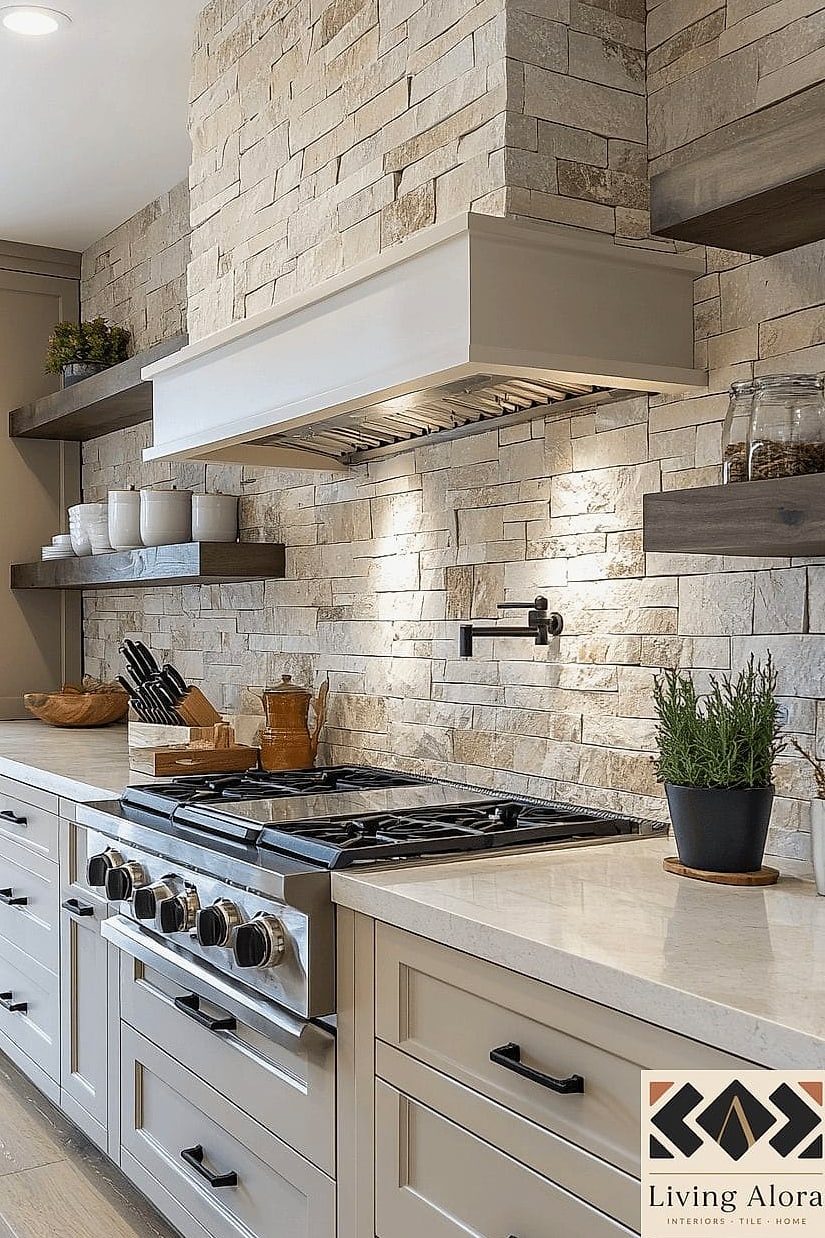
Honed stone tile has a soft, matte quality that feels more grounded and less flashy than polished stone. In a small kitchen, that quiet texture adds warmth without shouting for attention, which pairs nicely with wood accents and brushed brass hardware.
Travertine and honed marble both work well here, though travertine tends to be a bit more forgiving and budget-friendly. Just keep in mind natural stone generally needs periodic sealing to hold up against everyday cooking messes.
Extended Backsplash to the Ceiling
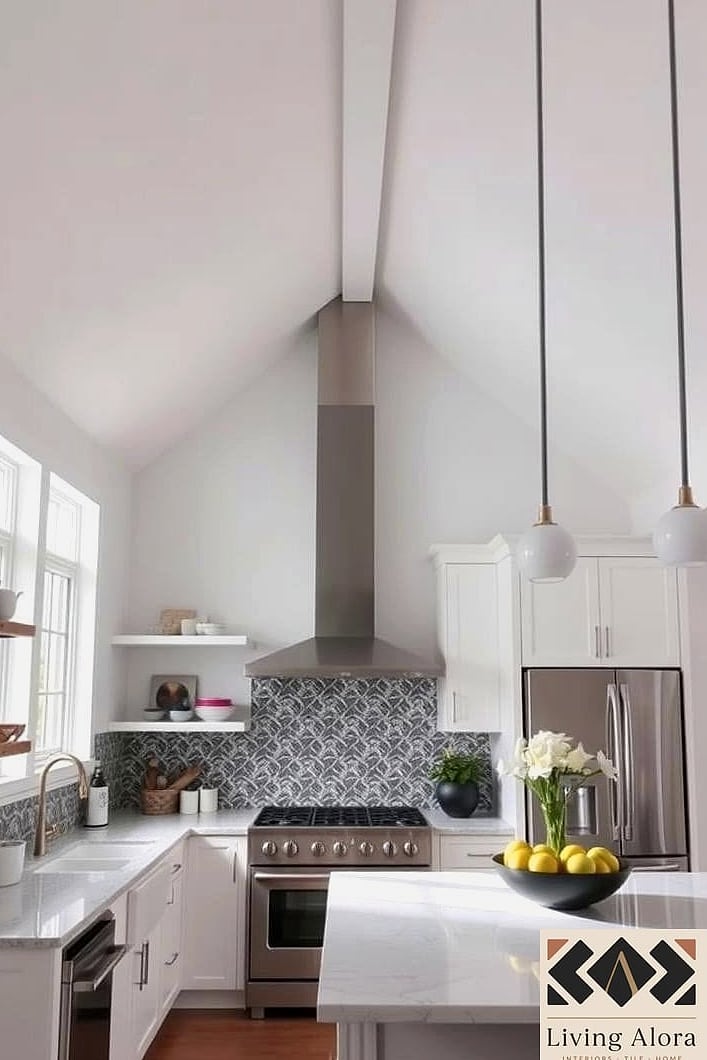
Instead of stopping the tile at the bottom of your upper cabinets, run it all the way up to the ceiling. This trick is particularly effective in tiny kitchens with open shelving or no upper cabinets at all, since it turns the entire wall into one continuous, elevated surface.
A full-height backsplash also cuts down on painted wall space that shows grease and splatters over time, so it’s a practical choice for anyone who cooks often. Just budget a little more tile than you think you’ll need, since full walls add up fast.
Two-Tone Tile Layout
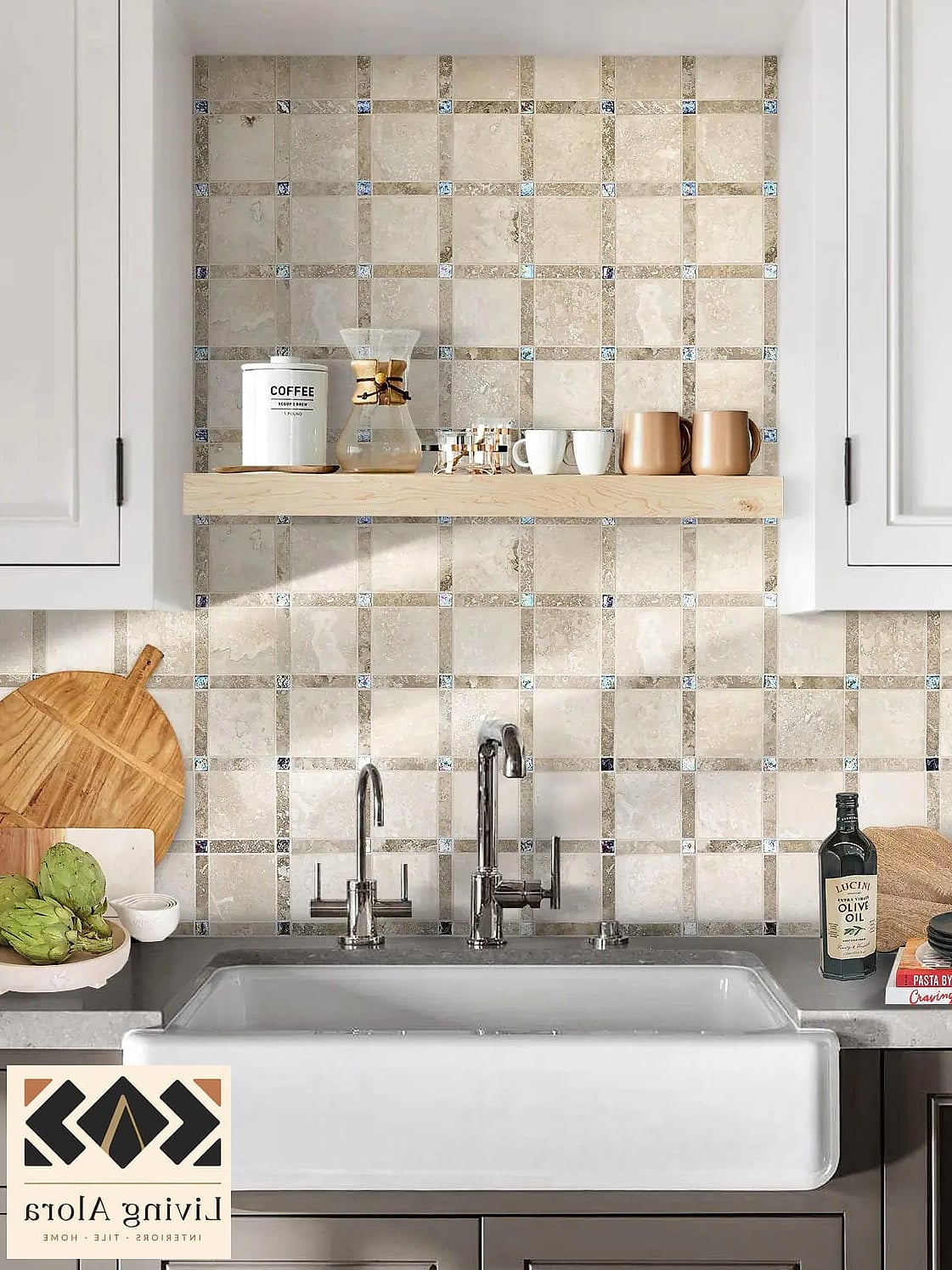
Mixing two complementary tiles, like a plain field tile with a decorative trim or contrasting color at the counter line, adds a custom, tailored look without much extra cost. Think of it like a rug layered over flooring: it defines the space and adds interest in a way a single tile can’t.
This works particularly well in galley kitchens or one-wall layouts where you want to break up a long stretch of tile visually. It’s an easy way to make a builder-basic kitchen feel like it had a designer’s hand in it.
Textured Ceramic Tile with Matte Finish
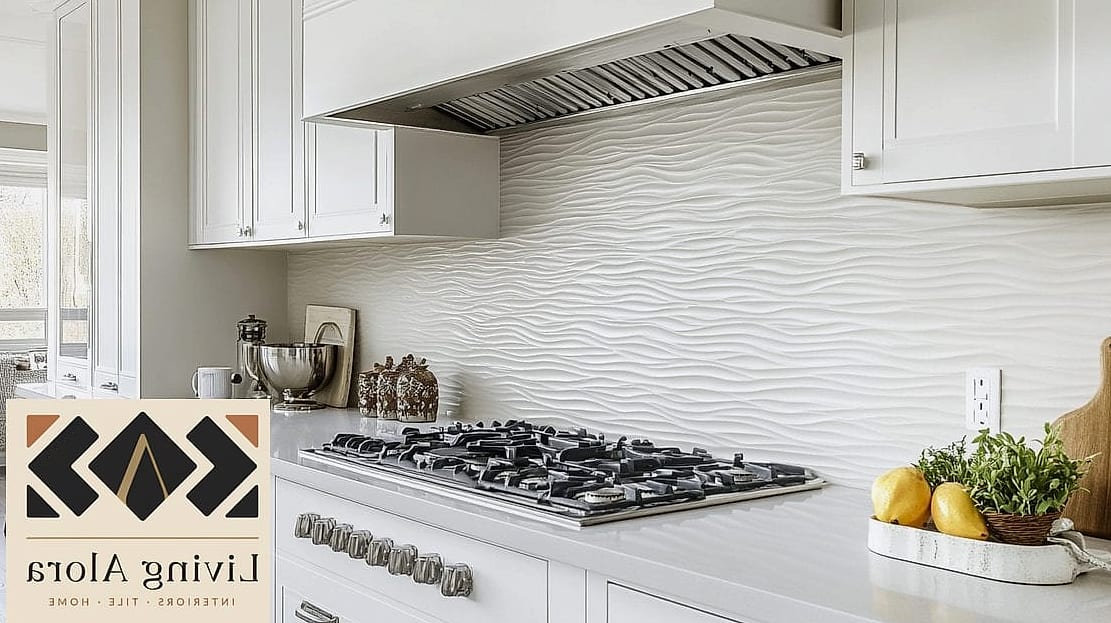
Textured tile has really picked up steam lately, and for good reason. The subtle ridges, waves, or fluted patterns catch light in a way flat tile simply can’t, adding dimension to a small wall without relying on pattern or bold color. It’s a great option if you want something a little different but still easy to live with long-term.
Matte finishes also tend to hide water spots and fingerprints better than glossy tile, which is a nice bonus in a kitchen that gets daily use. This style pairs beautifully with warm wood tones and simple, unfussy cabinet hardware.
Small kitchens have a way of forcing good design decisions, mostly because there’s no room for anything half-hearted. Whether you go with classic subway tile or something bolder like a colored statement wall, the backsplash you choose sets the tone for the whole room. Pick the one that matches how you actually cook and live, and it’ll end up looking a lot more expensive than it actually was.